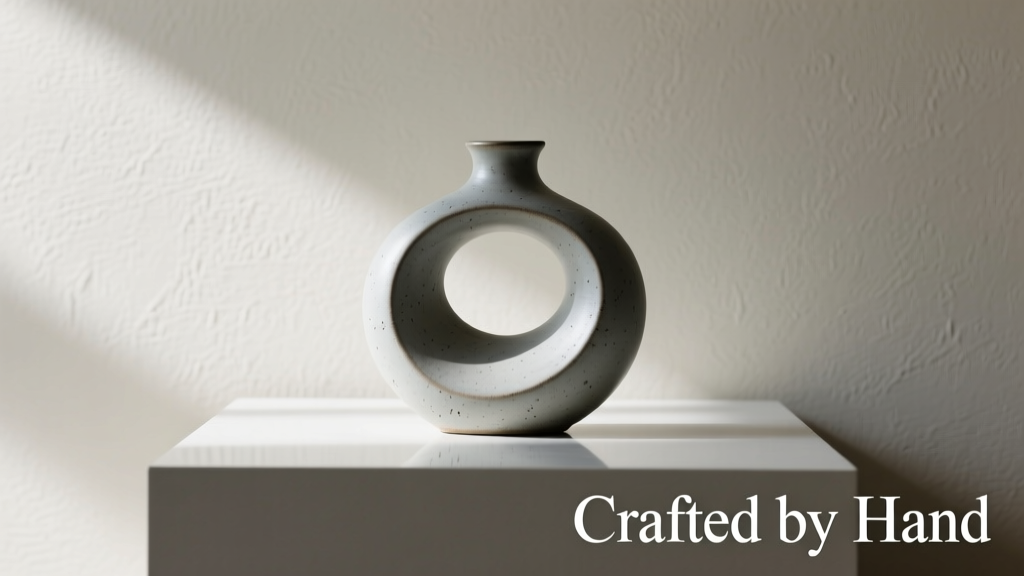
Types of Ceramic Raw Materials in Vitrosa
Vitrosa ceramic is produced using a carefully balanced blend of natural raw materials, each contributing unique physical and chemical properties to the final product. These materials are essential in achieving the desired characteristics of vitrified ceramics—such as strength, low porosity, durability, and aesthetic finish. The primary raw materials used in Vitrosa ceramics include feldspar, quartz, kaolin, ball clay, and china clay, each playing a crucial role in the manufacturing process from shaping to high-temperature firing.
Feldspar
A key fluxing agent in ceramic formulations, feldspar lowers the melting temperature of the ceramic body during firing, promoting vitrification and the formation of a glassy matrix.
Key Benefits
- Reduces firing temperature, saving energy
- Enhances vitrification and density
- Improves strength and reduces water absorption
- Contributes to glossy surface finish
Considerations
- Excess amounts may cause deformation
- Sensitive to thermal expansion changes
- Requires precise formulation control
Best for: Glazes, porcelain, and vitrified tiles requiring high durability and low porosity
Quartz (Silica)
Quartz, or crystalline silica, acts as a filler and stabilizer in ceramic bodies, providing dimensional stability and resistance to thermal expansion.
Key Benefits
- Increases mechanical strength and hardness
- Minimizes shrinkage and warping during drying and firing
- Resists deformation at high temperatures
- Improves abrasion resistance
Considerations
- Low plasticity; cannot be shaped alone
- Thermal shock risk if not properly balanced
- Dust poses health risks during handling
Best for: Sanitaryware, floor tiles, and industrial ceramics requiring rigidity and heat resistance
Kaolin (China Clay)
A primary source of alumina and silica, kaolin is a white, fine-grained clay that provides plasticity when wet and strength when fired.
Key Benefits
- Excellent plasticity for shaping and molding
- High refractoriness (resists high temperatures)
- Produces white, translucent bodies when refined
- Essential for porcelain and fine ceramics
Considerations
- Shrinks significantly during drying
- Requires careful drying to prevent cracking
- Pure forms can be expensive
Best for: Porcelain tableware, electrical insulators, and high-end decorative ceramics
Ball Clay
A highly plastic sedimentary clay containing kaolinite, mica, and organic matter, ball clay enhances workability and green strength.
Key Benefits
- Exceptional plasticity and moldability
- Improves shape retention in complex designs
- Reduces cracking and shrinkage during drying
- Enhances suspension in casting slips
Considerations
- Higher iron content may affect color
- Can increase drying time
- Limited refractoriness compared to kaolin
Best for: Sculptural ceramics, sanitaryware, and slip-cast products with intricate details
China Clay
Often used interchangeably with kaolin, China clay refers to highly refined kaolinite with minimal impurities, ideal for premium ceramic applications.
Key Benefits
- Produces bright white, smooth finishes
- High purity ensures consistent firing results
- Excellent thermal and electrical insulation
- Withstands extreme temperatures without warping
Considerations
- Premium cost due to refining process
- Less plastic than ball clay
- Requires blending for optimal performance
Best for: Fine tableware, laboratory ware, and high-voltage electrical insulators
| Raw Material | Primary Role | Plasticity | Key Properties | Common Applications |
|---|---|---|---|---|
| Feldspar | Fluxing Agent | Low | Reduces firing temp, promotes vitrification, enhances gloss | Glazes, porcelain, vitrified tiles |
| Quartz | Filler/Stabilizer | None | Dimensional stability, hardness, heat resistance | Floor tiles, sanitaryware, industrial ceramics |
| Kaolin | Clay Base | Medium | Plasticity, strength, whiteness, high-temperature resistance | Pottery, porcelain, insulators |
| Ball Clay | Plasticity Enhancer | Very High | Moldability, green strength, low shrinkage | Complex castings, sanitary fixtures, artware |
| China Clay | Refined Kaolin | Medium | Purity, whiteness, thermal stability, insulation | Tableware, labware, electrical components |
Expert Tip: For optimal results in Vitrosa ceramic production, maintain a balanced ratio of plastic (kaolin, ball clay), fluxing (feldspar), and stabilizing (quartz) materials. This ensures dimensional stability, reduces defects, and maximizes vitrification during firing.
Features of Ceramic Raw Material Vitrosa
Vitrosa is a premium ceramic raw material known for its exceptional physical and aesthetic properties, making it ideal for a wide range of applications in both domestic and industrial settings. Engineered through advanced vitrification techniques, Vitrosa ceramics combine functionality with elegance, offering long-term performance and minimal maintenance. Below are the key features that define Vitrosa ceramics and contribute to their widespread use in sanitary ware, tiles, tableware, and decorative products.
Core Features of Vitrosa Ceramics
Vitrification
Vitrification is the defining characteristic of Vitrosa ceramics. This high-temperature process transforms the raw materials into a dense, glass-like structure, resulting in a non-porous surface that is impermeable to liquids and gases. The fully vitrified body enhances mechanical strength, reduces susceptibility to staining, and increases resistance to chemical corrosion.
This makes Vitrosa an excellent choice for applications requiring hygiene and durability, such as toilets, sinks, countertops, and wall tiles. Unlike porous ceramics, Vitrosa does not absorb odors or contaminants, ensuring long-term cleanliness and structural integrity.
Aesthetic Appeal
Vitrosa ceramics are celebrated for their brilliant, glossy finishes and vibrant color retention. The vitrification process allows for a smooth, reflective surface that enhances the visual depth and luster of the material. Available in a wide array of colors, textures, and patterns, Vitrosa offers unmatched design flexibility.
These qualities make it a preferred material for modern interior design, including bathroom fixtures, kitchen backsplashes, and decorative tiles. Its ability to mimic natural stone, metal, or wood while maintaining superior performance adds both elegance and practicality to residential and commercial spaces.
Thermal Resistance
Vitrosa ceramics exhibit excellent thermal stability due to their composition and manufacturing process. They can withstand rapid temperature fluctuations—such as moving from a freezer to an oven—without cracking or warping. This thermal shock resistance is critical for cookware, bakeware, and fireplace linings.
In industrial contexts, Vitrosa is used in components exposed to high heat, such as furnace linings and heat exchangers. Its ability to maintain structural integrity under thermal stress ensures safety and longevity in demanding environments.
Low Water Absorption
One of the most valuable properties of Vitrosa is its extremely low water absorption rate—typically less than 0.5%. This near-zero porosity prevents moisture penetration, which in turn inhibits mold, mildew, and bacterial growth. As a result, Vitrosa is ideal for hygienic environments like hospitals, kitchens, and public restrooms.
In flooring and wall tiles, this feature also enhances slip resistance by minimizing surface dampness. Even in continuously wet areas such as showers and swimming pool surrounds, Vitrosa maintains its integrity and appearance over time, reducing maintenance costs and health risks.
Mechanical Strength
Vitrosa ceramics possess high compressive and flexural strength, making them highly resistant to chipping, scratching, and wear. This durability ensures long service life even in high-traffic or high-impact areas such as commercial flooring, stair treads, and industrial workspaces.
The robust nature of Vitrosa reduces the need for frequent replacements, offering a cost-effective solution over time. When compared to traditional ceramics or alternative materials like laminate or wood, Vitrosa provides superior resilience without compromising on design aesthetics.
Chemical and Stain Resistance
Due to its non-porous, glass-like surface, Vitrosa is highly resistant to common household and industrial chemicals, including acids, alkalis, and cleaning agents. Spills from coffee, wine, oil, or makeup can be easily wiped away without leaving stains.
This resistance not only preserves the appearance of the material but also contributes to easier cleaning and lower maintenance. It is especially beneficial in environments where hygiene and appearance are paramount, such as laboratories, hotels, and healthcare facilities.
| Feature | Performance Benefit | Common Applications |
|---|---|---|
| Vitrification | Non-porous, durable, hygienic surface | Sanitary ware, countertops, tiles |
| Aesthetic Appeal | Glossy finish, color variety, design versatility | Bathroom fixtures, decorative tiles, interiors |
| Thermal Resistance | Withstands thermal shock and high temperatures | Bakeware, kitchenware, industrial linings |
| Low Water Absorption | Prevents mold, bacteria, and moisture damage | Wet areas, flooring, hospitals, kitchens |
| Mechanical Strength | Resists wear, impact, and scratching | High-traffic flooring, industrial use |
| Chemical Resistance | Resists stains and corrosive substances | Laboratories, commercial kitchens, public spaces |
Important: While Vitrosa ceramics offer exceptional performance, proper installation and handling are crucial to maintaining their integrity. Always follow manufacturer guidelines for adhesive selection, grouting, and curing times. Avoid using abrasive cleaners or metal scrapers that could damage the glossy surface. With correct care, Vitrosa products can retain their beauty and functionality for decades.
Uses of Ceramic Raw Material Vitrosa
Vitrosa ceramics, a high-performance vitreous ceramic material, are prized for their non-porous structure, durability, and aesthetic versatility. The vitrification process imparts exceptional resistance to moisture, heat, and wear, making Vitrosa ideal for a wide range of industrial, commercial, and consumer applications. Below are the primary uses of Vitrosa ceramics, expanded to highlight their functional benefits and real-world relevance.
Sanitary Ware
Vitrosa ceramics are a cornerstone in the production of premium bathroom fixtures, including toilets, bathtubs, shower trays, and washbasins. Their fully vitrified nature ensures zero water absorption, preventing bacterial growth and staining—critical for hygiene and long-term sanitation.
- The smooth, glossy surface resists mold, mildew, and soap scum buildup, simplifying cleaning and maintenance
- High mechanical strength allows for thin, elegant designs without compromising durability
- Resistant to thermal shock and chemical cleaners, ensuring longevity even under daily use
- Available in a range of finishes and colors to match modern bathroom aesthetics
Key Benefit: Ideal for both residential and high-traffic commercial restrooms due to low maintenance and superior hygiene.
Floor and Wall Tiles
Vitrosa ceramics are extensively used in tiling for homes, offices, hospitals, and public buildings. Their low porosity (<0.5%) and high abrasion resistance make them suitable for both interior and exterior applications.
- Perfect for high-traffic areas like lobbies, kitchens, and hallways due to exceptional wear resistance
- Slip-resistant variants enhance safety in wet environments such as bathrooms and pool decks
- UV-stable glazes prevent fading, making them ideal for sun-exposed outdoor installations
- Wide design flexibility with textures mimicking wood, stone, or concrete for architectural creativity
Pro Tip: Choose rectified Vitrosa tiles for minimal grout lines and a seamless, modern look.
Tableware
Vitrosa ceramics form the basis of high-quality porcelain and stoneware used in dinnerware, serving bowls, mugs, and cookware. Their non-porous, glazed surface ensures food safety and ease of use.
- Impermeable to liquids and odors, preventing contamination and flavor transfer
- Dishwasher, microwave, and oven-safe—ideal for modern kitchen demands
- Glazed finish provides a brilliant, easy-to-clean surface that resists scratching
- Thermal stability allows for use in both hot and cold environments without cracking
Ideal For: Restaurants, hotels, and households seeking durable, elegant, and hygienic tableware solutions.
Electrical Insulators
In industrial and power infrastructure, Vitrosa ceramics are employed in high-voltage insulators, fuse bodies, and electronic substrates due to their excellent dielectric strength and thermal resilience.
- Withstand extreme temperatures (up to 1200°C) without degradation, ideal for high-load environments
- Resistant to moisture, corrosion, and chemical exposure, ensuring reliability in harsh conditions
- Used in transformers, switchgear, and transmission lines to safely isolate electrical currents
- Long service life reduces maintenance and replacement costs in critical systems
Critical Application: Power distribution networks where failure is not an option—Vitrosa ensures safety and operational continuity.
Decorative Items
The aesthetic versatility of Vitrosa ceramics makes them a favorite among artists, designers, and home décor brands for crafting visually striking decorative objects.
- Available in vibrant glazes and custom shapes, enabling creative expression in vases, sculptures, and wall art
- Durable and fade-resistant, maintaining brilliance even in sunlit interiors
- Chips and cracks are minimized due to high-density structure, preserving visual integrity over time
- Used in luxury interiors, galleries, and giftware industries for premium-quality finishes
Design Advantage: Combines artistic beauty with functional durability—perfect for heirloom-quality décor pieces.
Expert Insight: When specifying Vitrosa ceramics, consider the end-use environment—whether it demands hygiene, mechanical strength, electrical performance, or visual appeal. Selecting the right formulation and finish ensures optimal performance and customer satisfaction. For instance, matte finishes reduce slip risk in wet areas, while high-gloss options enhance brightness in compact spaces.
| Application | Key Property Utilized | Durability (Estimated Lifespan) | Special Features |
|---|---|---|---|
| Sanitary Ware | Non-porous, hygienic surface | 15–25 years | Antibacterial glaze, easy cleaning |
| Floor & Wall Tiles | Low porosity, abrasion resistance | 20+ years | Slip-resistant, UV-stable, frost-proof |
| Tableware | Food-safe, impermeable glaze | 5–10 years (with care) | Dishwasher & microwave safe |
| Electrical Insulators | Dielectric strength, thermal stability | 25+ years | High-voltage rated, corrosion-resistant |
| Decorative Items | Aesthetic finish, color retention | 10–30 years | Customizable, fade-resistant glazes |
Additional Considerations
- Sustainability: Vitrosa ceramics are recyclable and made from natural raw materials, contributing to eco-friendly building and product design
- Customization: Advanced manufacturing allows for bespoke shapes, sizes, and glaze effects for unique applications
- Hygiene Certification: Many Vitrosa products meet international standards (e.g., ISO 14001, NSF) for sanitary and food-safe use
- Installation Compatibility: Can be paired with modern adhesives and sealants for seamless integration in construction and design projects
- Innovation: Ongoing R&D has led to antimicrobial and self-cleaning surface treatments for next-generation Vitrosa products
How to Choose Ceramic Raw Material Vitrosa: A Comprehensive Guide
Selecting the right raw materials for vitreous ceramics—commonly referred to as Vitrosa—is essential for achieving high-quality, durable, and functional ceramic products. Whether you're manufacturing sanitary ware, tiles, or fine tableware, the performance and aesthetics of the final product depend heavily on the composition and quality of the raw materials used. This guide outlines seven key criteria to help you make informed decisions when sourcing and selecting ceramic raw materials for vitreous ceramic production.
Important Note: "Vitrosa" typically refers to a class of vitreous (non-porous, glass-like) ceramics known for their strength, low water absorption, and glossy finish. Proper material selection ensures optimal vitrification, mechanical integrity, and visual appeal in the final product.
Step-by-Step Guide to Selecting Vitrosa Raw Materials
- Determine Product Requirements
Begin by clearly defining the type of vitreous ceramic product you intend to manufacture—such as bathroom fixtures (sanitary ware), wall/floor tiles, or dinnerware. Each application demands specific physical and aesthetic properties:
- Sanitary ware requires high mechanical strength, chemical resistance, and a smooth, non-porous surface for hygiene.
- Ceramic tiles need excellent durability, abrasion resistance, and dimensional stability.
- Tableware emphasizes aesthetic finish, thermal shock resistance, and food safety compliance.
Understanding these end-use requirements will guide your selection of raw materials that contribute to the desired functionality and appearance.
- Assess Plasticity
Plasticity is crucial for shaping ceramic bodies during forming processes like pressing, extrusion, or slip casting. Choose plastic clays such as ball clay and kaolin (china clay), which provide the necessary workability and green strength before firing.
Key considerations:
- Test plasticity using standardized methods like the Atterberg limits or rolling tests.
- Ensure the material maintains its shape without cracking during drying and retains dimensional accuracy.
- Balancing plasticity with drying shrinkage is critical to prevent warping or deformation.
- Firing Temperature Compatibility
The raw materials must be compatible with the intended firing temperature range of your production process. Vitreous ceramics are typically fired between 1,100°C and 1,300°C, depending on the composition.
To ensure successful sintering and vitrification:
- Match the maturing temperature of individual materials (e.g., feldspars, fluxes) with the kiln's operating range.
- Avoid materials that melt too early (causing slumping) or too late (incomplete densification).
- Conduct small-scale firing trials to evaluate thermal behavior and phase development.
- Test for Vitrification
Vitrification is the transformation of the ceramic body into a dense, glassy, and non-porous structure. Materials like feldspar (as a flux) and silica (quartz) (as a network former) play vital roles in promoting glass formation.
Evaluation steps:
- Analyze water absorption rates after firing—true vitrification results in absorption below 0.5%.
- Monitor shrinkage and density changes during firing to assess densification.
- Use dilatometry or XRD analysis to study phase transitions and glassy phase development.
Optimal vitrification enhances strength, impermeability, and long-term durability.
- Granulometry Standards
The particle size distribution (granulometry) of raw materials significantly influences the ceramic body’s workability, drying behavior, and fired properties.
Consider the following:
- Fine particles increase plasticity and surface smoothness but may lead to higher drying shrinkage and cracking.
- Coarser particles improve green strength and reduce warping but can affect surface finish.
- A well-graded mix (combination of fine, medium, and coarse particles) optimizes packing density and reduces porosity.
Use sieve analysis or laser diffraction to characterize particle size and adjust blending ratios accordingly.
- Purity Level
Impurities such as iron oxide, titanium, or organic matter can negatively impact the color, strength, and translucency of the final product.
To ensure high purity:
- Source raw materials from reputable suppliers with consistent quality control.
- Conduct chemical analysis (e.g., XRF) to detect trace elements.
- Use magnetic separation or wet processing to remove iron contaminants, especially in white or light-colored ceramics.
- Test for LOI (Loss on Ignition) to identify organic or carbonate impurities that may cause bloating or discoloration during firing.
- Availability and Sustainability
Ensure that your chosen raw materials are not only suitable but also available in sufficient quantities for continuous production. Supply chain reliability is key to maintaining consistent quality and avoiding production delays.
Sustainability considerations:
- Opt for suppliers practicing responsible mining and environmental stewardship.
- Explore the use of recycled ceramic materials (regrind) or alternative fluxes to reduce resource consumption.
- Assess the carbon footprint associated with transportation and processing.
- Support long-term availability by diversifying sources and investing in material substitution research.
| Criteria | Key Materials | Ideal Properties | Testing Methods |
|---|---|---|---|
| Plasticity | Ball clay, Kaolin | High workability, moderate shrinkage | Atterberg limits, rolling test |
| Firing Compatibility | Feldspar, Nepheline syenite | Melting point aligned with kiln schedule | Dilatometry, firing shrinkage test |
| Vitrification | Quartz, Silica, Fluxing agents | Water absorption < 0.5%, high density | Water absorption test, Archimedes’ method |
| Granulometry | Blended clays, ground quartz | Controlled particle size distribution | Sieve analysis, laser diffraction |
| Purity | Washed kaolin, refined feldspar | Low iron, minimal LOI | XRF, magnetic separation, ignition loss test |
| Availability & Sustainability | Locally sourced, certified materials | Consistent supply, low environmental impact | Supplier audits, lifecycle assessment |
Expert Tip: Always conduct pilot batches when introducing new raw materials or adjusting formulations. Small-scale trials allow you to evaluate performance under real production conditions without risking large-scale defects or waste.
Additional Best Practices
- Maintain a detailed log of raw material batches, including source, chemical composition, and performance in production.
- Implement a quality control protocol that includes incoming material inspection and periodic retesting.
- Collaborate with material suppliers for technical support and access to updated specifications.
- Train your team on the impact of raw material variability on ceramic properties and defect prevention.
- Consider ISO 9001 or similar quality management systems to standardize your material selection and processing workflows.
Choosing the right raw materials for Vitrosa and other vitreous ceramics is both a science and an art. By systematically evaluating plasticity, firing behavior, vitrification potential, granulometry, purity, and sustainability, you can optimize your formulations for superior product quality and manufacturing efficiency. Remember, consistency in raw materials leads to consistency in performance—making it a cornerstone of excellence in ceramic production.
Frequently Asked Questions About Vitrosa Ceramics
Q1: What are Vitrosa ceramics made of?Vitrosa ceramics are crafted from a blend of high-quality natural raw materials, primarily including feldspar, kaolin, silica, and ball clay. These components are carefully proportioned and mixed to achieve optimal strength, durability, and finish. The mixture is then shaped and fired at high temperatures to produce a dense, non-porous ceramic body ideal for both functional and decorative applications.
- Feldspar: Acts as a flux, lowering the melting temperature during firing and enhancing vitrification.
- Kaolin (china clay): Provides plasticity and structural integrity to the green body before firing.
- Silica (quartz): Contributes to hardness and thermal stability.
- Ball Clay: Enhances workability and helps bind the mixture together during molding.
This composition makes Vitrosa ceramics especially suitable for manufacturing sanitary ware such as toilets, sinks, and bathtubs, as well as high-end ceramic tiles used in bathrooms and kitchens.
Q2: What are the advantages of Vitrosa ceramics?Vitrosa ceramics offer a range of practical and aesthetic benefits that make them a preferred choice in modern bathroom and interior design:
- Exceptional Waterproofing: Due to their fully vitrified structure, Vitrosa ceramics are highly resistant to water absorption, making them ideal for wet environments like bathrooms and showers.
- Easy Maintenance: Their non-porous surface resists stains, mold, and bacteria buildup, requiring only mild cleaning agents and a soft cloth for upkeep.
- Hygienic Surface: The smooth, sealed finish prevents microbial growth, contributing to better indoor hygiene.
- High Aesthetic Value: Vitrosa ceramics feature a naturally glossy, glass-like finish that enhances visual appeal and complements contemporary design styles.
- Durability: Resistant to scratches, thermal shock, and everyday wear, ensuring long-term performance even under heavy use.
These qualities make Vitrosa ceramics a reliable and elegant solution for both residential and commercial installations.
Q3: What is the difference between vitreous and non-vitreous ceramics?The key distinction lies in the degree of porosity and water resistance, which directly affects their applications and performance:
| Feature | Vitreous Ceramics | Non-Vitreous Ceramics |
|---|---|---|
| Water Absorption | Less than 3% — highly water-resistant due to complete vitrification during firing. | Greater than 7% — porous and susceptible to moisture penetration. |
| Durability | High — suitable for high-moisture and high-traffic areas. | Moderate to low — prone to cracking and degradation when exposed to water. |
| Common Uses | Sink basins, toilets, floor tiles, shower trays, and kitchen backsplashes. | Decorative vases, sculptures, wall art, and indoor ornaments. |
| Surface Finish | Typically glazed with a smooth, glossy, and easy-to-clean surface. | Often matte or semi-gloss; may require sealing to protect against stains. |
| Lifespan | Long-lasting — can endure decades with proper care. | Shorter — especially if used in damp or outdoor conditions. |
In summary, vitreous ceramics like Vitrosa are engineered for functionality and longevity in demanding environments, while non-vitreous ceramics are better suited for decorative purposes where moisture exposure is minimal.
Q4: How is Vitrosa ceramic manufactured?The production of Vitrosa ceramic involves a precise, multi-stage process that ensures consistent quality and performance:
- Raw Material Preparation: Feldspar, kaolin, silica, and ball clay are sourced, purified, and blended in specific ratios.
- Mixing and Blending: The raw materials are mixed with water to form a slurry or powder, depending on the forming method (e.g., slip casting or pressing).
- Molding: The mixture is shaped using molds into desired forms such as sinks, toilets, or tiles.
- Drying: The shaped "green" ceramic is dried slowly to remove moisture and prevent cracking.
- Bisque Firing: The first firing at around 900–1000°C hardens the ceramic and prepares it for glazing.
- Glazing: A liquid glass-based coating is applied to the surface to enhance appearance and waterproofing.
- Glost Firing: The final high-temperature firing (typically 1200–1300°C) fully vitrifies the ceramic, creating a dense, non-porous, and durable product.
This rigorous manufacturing process ensures that Vitrosa ceramics meet international standards for strength, safety, and hygiene, making them a trusted choice for modern plumbing and architectural applications.