
Adding a leather flower keychain to your purse isn’t just about functionality—it’s a statement of personal style. Whether you're elevating a classic tote or giving a vintage satchel new life, the right accessory placement can transform an everyday bag into a curated fashion piece. But attaching it properly ensures both durability and aesthetic harmony. Done incorrectly, the charm may dangle awkwardly, damage the material, or even detach prematurely. This guide walks through every detail—from selecting the ideal attachment point to securing the final clasp—with precision and elegance in mind.
Why a Leather Flower Keychain Matters
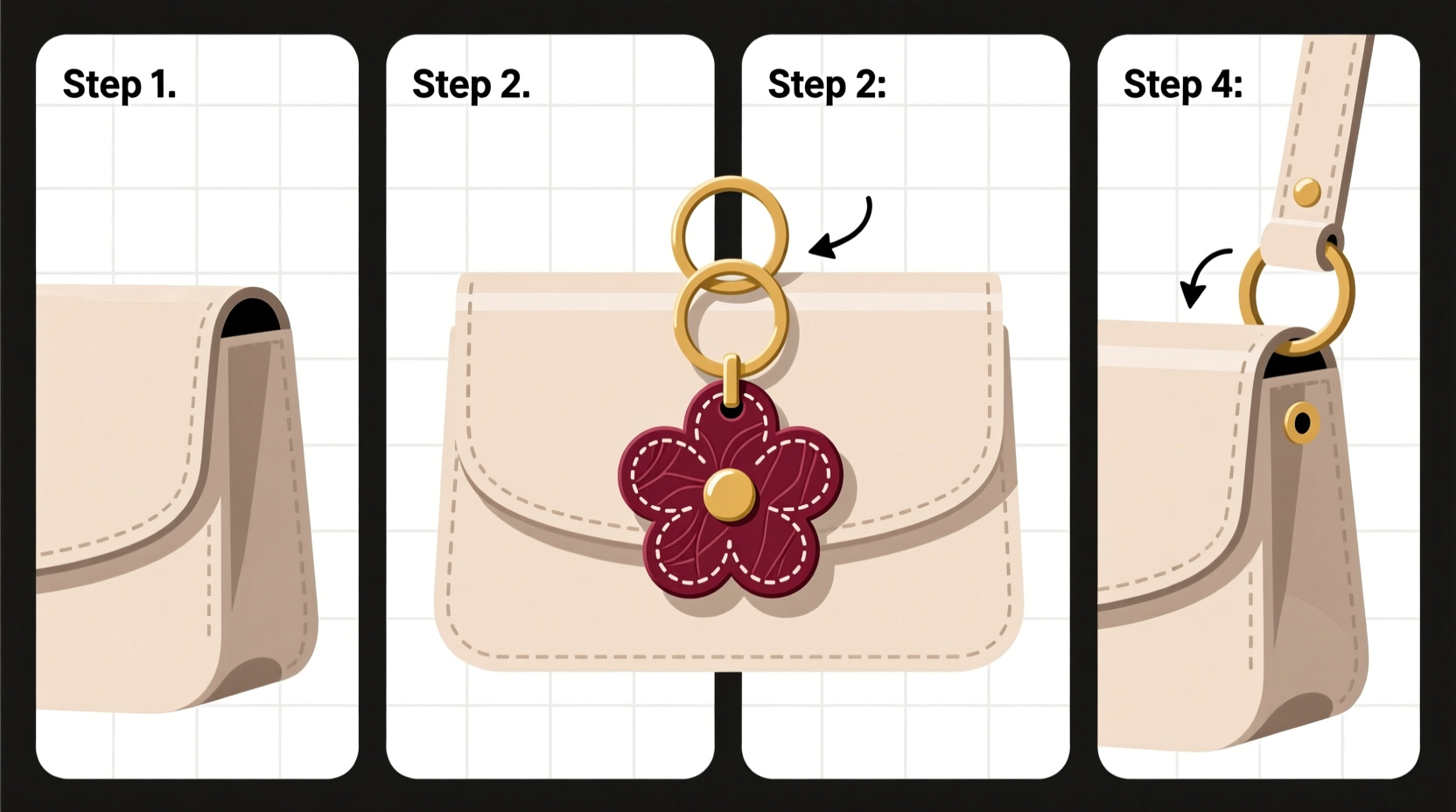
Leather flower keychains are more than decorative accents; they represent craftsmanship and individuality. Handmade from supple, dyed leather petals, these accessories age beautifully, developing a richer patina over time. Unlike plastic or metal charms, leather complements most bag materials without scratching surfaces or creating noise when in motion. When attached thoughtfully, the flower becomes an integrated design element rather than an afterthought.
“Accessories should enhance, not overpower. A well-placed leather flower adds softness and narrative to a structured silhouette.” — Lila Monroe, Sustainable Accessory Designer
Selecting the Right Attachment Method
The method you choose depends on your purse’s construction, the keychain’s hardware, and whether you want a permanent or removable solution. Most leather flowers come with a lobster claw clasp, swivel hook, or split ring. Understanding how each interacts with your bag is essential.
| Attachment Type | Best For | Pros | Cons |
|---|---|---|---|
| Lobster Claw Clasp | Zipper pulls, D-rings, strap junctions | Secure, easy to remove, sleek look | May scratch delicate finishes if clipped aggressively |
| Swivel Hook | Belt loops, open handles, wide straps | Rotates smoothly, reduces tangling | Can loosen over time if not locked |
| Split Ring + Jump Ring | Permanent attachment to stitching or lining | Stays fixed, no slipping | Requires tools, less flexible |
Step-by-Step Guide to Elegant Attachment
Follow this sequence to ensure your leather flower is both secure and visually balanced. The goal is seamless integration—where the eye is drawn naturally to the accent without distraction.
- Inspect Your Purse Structure: Run your fingers along seams, straps, and hardware. Look for reinforced points like D-rings, zipper sliders, or double-stitched junctions. Avoid thin straps or loosely woven areas that could tear under pressure.
- Clean the Area (Optional): Wipe the intended attachment zone with a dry microfiber cloth. Removing dust ensures better grip and prevents debris from being trapped under metal components.
- Test Placement Visually: Clip the keychain temporarily to various spots—front flap, side grommet, back pocket, or top handle. Step back and view the bag from three feet away. The ideal location balances symmetry and prominence without interfering with zippers or pockets.
- Check Clearance and Movement: Swing the purse gently. Ensure the flower doesn’t catch on clothing, snag during opening, or drag on the ground when carried. Adjust position if needed.
- Secure the Clasp: Open the lobster claw or swivel hook fully. Align it with the chosen anchor point—such as a D-ring or zipper pull—and snap shut firmly. Tug lightly to test resistance. If using a split ring, thread it through the purse’s stitch point and close with pliers for permanence.
- Final Aesthetic Check: Hold the purse at eye level in natural light. Is the flower oriented correctly? Are petals fanned attractively? Rotate the base if adjustable. Trim any excess thread from jump rings with fine scissors.
A Real Example: Reviving a Vintage Shoulder Bag
Sophia, a stylist in Portland, inherited her grandmother’s cognac leather shoulder bag. Though structurally sound, it lacked personality. She purchased a burgundy leather rose with a gold-tone lobster clasp. After testing several positions, she attached it to the front flap’s magnetic closure loop. “It draws attention to the center,” she said, “and doesn’t interfere with daily use.” Over six months of regular wear, the flower remained intact, its color deepening slightly to match the bag’s aging tone. Clients now frequently compliment her “intentional” styling—a testament to thoughtful detailing.
Common Mistakes and How to Avoid Them
- Attaching to weak fabric zones: Never clip directly into thin lining or mesh pockets. Use only reinforced hardware or stitching anchors.
- Ignoring orientation: A backward-facing flower loses visual impact. Position petals so they bloom outward, not inward toward the bag body.
- Overcrowding: One focal charm is enough. Adding multiple items competes for attention and increases strain on connection points.
- Using pliers too aggressively: When closing jump rings, apply gentle, even pressure. Crushing the ring distorts its shape and weakens the hold.
Care and Maintenance After Installation
Once attached, the keychain requires minimal upkeep but benefits from occasional attention. Dust accumulation can dull both leather and metal components. Gently wipe petals with a slightly damp chamois cloth, then air-dry. For the clasp, use a cotton swab dipped in rubbing alcohol to remove grime from crevices. Do not submerge or condition the flower unless specified by the maker—excess moisture can warp glued layers.
Rotate the charm seasonally to prevent uneven wear. Detach it during heavy rain or prolonged sun exposure to avoid water spotting or UV fading. Store the purse with the flower facing up to prevent flattening of delicate petals.
Frequently Asked Questions
Can I attach a leather flower to a nylon or canvas bag?
Yes, but only via existing hardware like D-rings or zipper pulls. Direct stitching into fabric should be done by a professional to prevent fraying. Avoid piercing holes yourself unless you have experience with leather punches and edge sealing.
Will the metal clasp scratch my bag’s finish?
Potentially, if it shifts constantly. To minimize risk, choose coated or polished clasps, or place a small rubber sleeve over the contact point. Alternatively, opt for a fabric-loop attachment system instead of metal-on-leather contact.
How do I remove the keychain without damaging the purse?
If using a lobster clasp or swivel hook, simply open the mechanism and slide off. For permanently attached split rings, carefully cut one end with wire cutters, then re-close the ring if reuse is desired. Always support the surrounding area to avoid pulling stitches.
Essential Checklist Before Attaching
- ☐ Inspect purse for strong anchor points (D-rings, zipper pulls, reinforced stitching)
- Ensure the structure can support added weight and movement.
- ☐ Confirm keychain hardware type (lobster clasp, swivel hook, etc.)
- Match it to compatible purse features.
- ☐ Test placement without securing
- Assess visibility, balance, and interference.
- ☐ Clean the attachment zone
- Prevent grit from wearing down metal or leather.
- ☐ Secure clasp firmly and test tension
- A light tug should not dislodge it.
- ☐ Evaluate final look in natural light
- Adjust angle or position if needed.
Conclusion: Elevate Your Everyday Carry
Attaching a leather flower keychain is a small act with lasting impact. It reflects intentionality—the difference between carrying a bag and curating one. With the right technique, your accessory enhances both form and function, becoming a signature detail that evolves with your style. Whether you’re personalizing a gift, refreshing an old favorite, or expressing creativity, take the time to attach it with care. Precision today ensures beauty tomorrow.
💬 Have a favorite spot to attach charms on your bags? Share your go-to style tip in the comments and inspire others to accessorize with elegance.








