Fungus gnats are among the most persistent pests faced by indoor gardeners. These tiny, mosquito-like insects hover around your houseplants, not only annoying you but potentially harming your green companions. While adult fungus gnats are mostly harmless, their larvae feed on organic matter in the soil—and sometimes plant roots—leading to stunted growth or root rot. Understanding why they appear and how to break their life cycle is key to reclaiming a healthy indoor garden.
The presence of fungus gnats is rarely random. It’s usually a symptom of underlying conditions that make your potted plants ideal breeding grounds. Moist soil, decaying plant material, and poor drainage create the perfect storm. The good news? With targeted strategies and consistent care, you can eliminate fungus gnats for good—not just mask the problem temporarily.
What Are Fungus Gnats and Why Do They Target Houseplants?
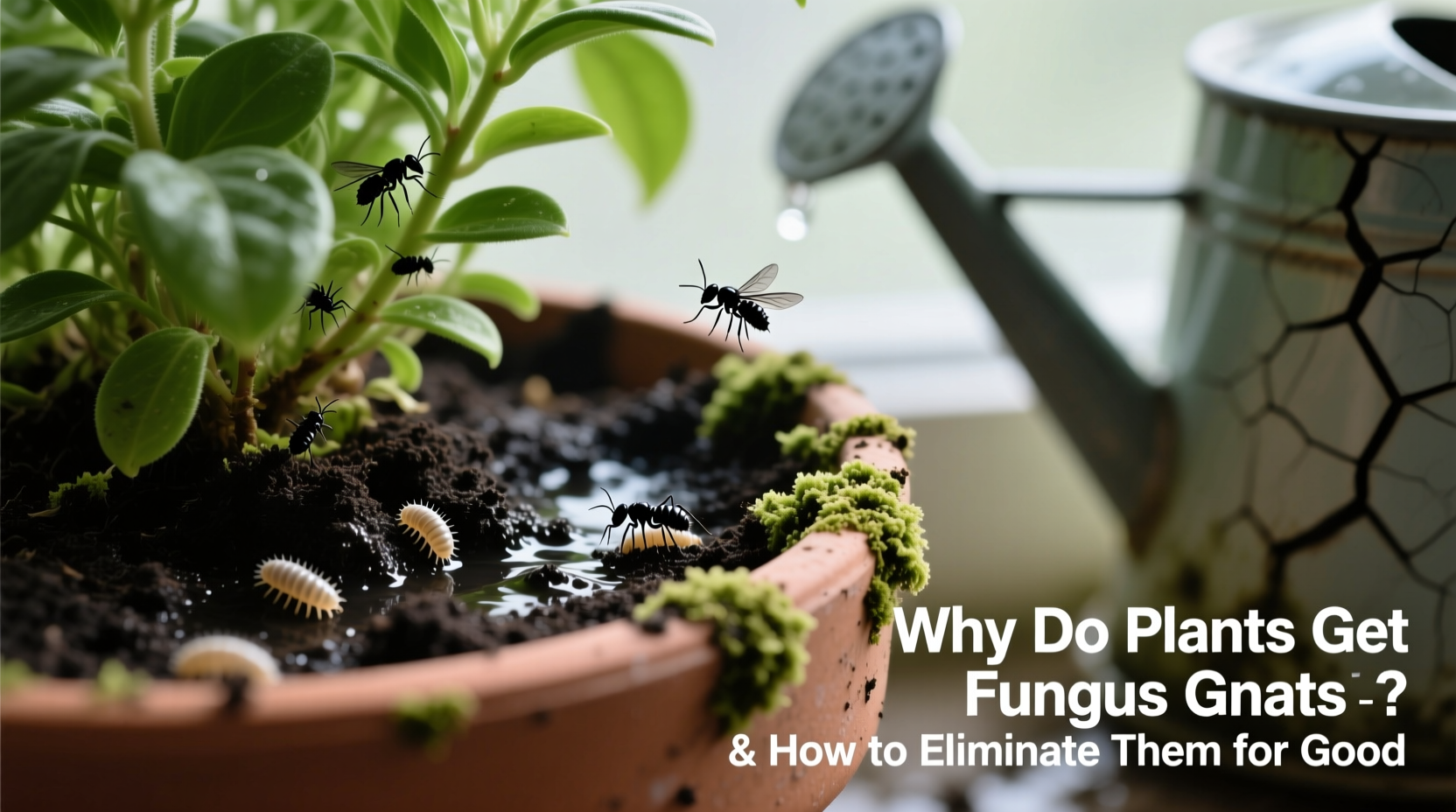
Fungus gnats (family Sciaridae) are small, dark flying insects, typically 1/8 inch long, with slender bodies and delicate wings. They’re often mistaken for fruit flies, but unlike fruit flies, they’re drawn to damp soil rather than overripe fruit. Their entire life cycle—from egg to adult—takes place in potting media, especially when it's rich in organic matter and consistently moist.
The real damage occurs underground. Female fungus gnats lay up to 200 eggs in moist soil. Within a week, these hatch into translucent larvae with black heads. These larvae feed on fungi, algae, and decaying plant material—but also on young root hairs and tender root tissue. This feeding weakens plants, making them more susceptible to disease and less efficient at absorbing water and nutrients.
Adults live only about a week but continuously lay eggs during that time. At room temperature (around 70°F), the full life cycle from egg to adult takes roughly three weeks. This rapid reproduction means a minor gnat sighting today can become a full-blown infestation in under a month.
“Fungus gnats thrive in environments where moisture management is inconsistent. They’re not just a pest—they’re an indicator species telling you something’s off with your watering routine.” — Dr. Lydia Chen, Urban Horticulturist & Pest Management Specialist
Root Causes: Why Your Plants Keep Getting Fungus Gnats
Simply swatting adults won’t solve the issue. To stop fungus gnats for good, you must address the conditions that attract them in the first place. Here are the most common reasons your plants become targets:
- Overwatering: This is the #1 cause. Soggy soil creates the humid, oxygen-poor environment fungus gnat larvae need to survive.
- Poor Drainage: Pots without drainage holes trap water, keeping the lower soil layers wet for days.
- Excess Organic Matter: While compost and peat-based soils are nutritious, they also fuel fungal growth—which larvae love.
- Contaminated Potting Mix: Bagged soil stored in damp areas or reused from infected plants may already contain eggs or larvae.
- Decomposing Plant Debris: Fallen leaves or dead roots left in the pot provide food and shelter for developing larvae.
- Cold or Low-Light Conditions: In winter or dim rooms, soil dries slowly, extending the window for gnat development.
Proven Methods to Eliminate Fungus Gnats for Good
Eradicating fungus gnats requires a multi-pronged approach: break the life cycle, remove food sources, and modify growing conditions. Relying on just one method—like sticky traps—only addresses symptoms. A complete strategy includes both immediate actions and long-term prevention.
Step-by-Step: How to Break the Fungus Gnat Life Cycle
- Stop Watering Excessively: Allow soil to dry deeper between waterings. Most houseplants prefer to dry out partially. Check moisture levels before adding water.
- Remove Mulch or Moss Tops: Decorative moss or bark holds moisture on the surface. Remove it to let the topsoil dry faster.
- Replace the Top Layer of Soil: Scoop out the top 1–2 inches of soil (where eggs and larvae concentrate) and replace with fresh, sterile mix or coarse sand.
- Apply a Soil Drench Treatment: Use a solution that targets larvae. Options include:
- Bacillus thuringiensis var. israelensis (BTI): A natural bacteria found in products like Mosquito Bits®. It kills larvae but is safe for plants, pets, and humans.
- Hydrogen Peroxide Solution: Mix 1 part 3% hydrogen peroxide with 4 parts water. Pour slowly into soil. It releases oxygen, killing larvae and improving root health.
- Use Yellow Sticky Traps: Place near the soil surface to catch adult gnats. This doesn’t kill larvae but helps monitor populations and reduces breeding.
- Improve Air Circulation: Gentle airflow from a fan speeds up soil drying and discourages egg-laying.
Natural Long-Term Prevention Tactics
Once the current infestation is under control, focus on creating an environment where fungus gnats can’t return.
- Add a Sand or Gravel Topdressing: A ½-inch layer of horticultural sand or small gravel on the soil surface prevents adults from laying eggs and allows faster drying.
- Use Bottom Watering: Water from the saucer up, avoiding surface saturation. This keeps the top layer dry while still hydrating roots.
- Choose the Right Pot Size: Oversized pots hold excess soil that stays wet longer. Match pot size to plant size.
- Repot Annually: Refresh soil every 12–18 months to prevent buildup of decomposed matter and pathogens.
Do’s and Don’ts of Fungus Gnat Control
| Do | Don't |
|---|---|
| Let soil dry between waterings | Water on a fixed schedule regardless of soil moisture |
| Use BTI-based products like Mosquito Bits® | Rely solely on chemical insecticides that harm beneficial microbes |
| Place sticky traps near plants | Spray vinegar or essential oils directly into soil (can harm roots) |
| Repot with fresh, sterile soil | Replant in old, contaminated soil without treatment |
| Inspect new plants before bringing them home | Introduce new plants directly into your collection without quarantine |
A Real Example: From Infestation to Recovery
Sophie, an apartment gardener in Seattle, noticed tiny flies buzzing around her peace lily every time she walked by. At first, she ignored them—until she saw yellowing leaves and slowed growth. After researching, she realized her habit of watering every five days, even in winter, was the culprit.
She took action: stopped watering for two weeks, removed the top inch of soil, applied a BTI drench, and added a sand layer. She placed yellow sticky traps nearby. Within ten days, adult sightings dropped by 90%. Three weeks later, the traps caught nothing. Her peace lily began producing new growth within a month.
Sophie now checks soil moisture with a wooden skewer and waters only when the bottom half feels dry. She hasn’t seen a gnat in eight months.
Expert-Recommended Checklist for Gnat-Free Plants
Checklist: Eliminate and Prevent Fungus Gnats- ✔️ Confirm gnats are fungus gnats (not fruit flies or shore flies).
- ✔️ Stop overwatering—let top 1–2 inches of soil dry completely.
- ✔️ Remove top layer of soil and replace with sand or fresh mix.
- ✔️ Apply BTI drench (Mosquito Bits® or liquid concentrate).
- ✔️ Set up yellow sticky traps at soil level.
- ✔️ Improve air circulation with a small fan.
- ✔️ Avoid decorative moss or mulch on soil surface.
- ✔️ Quarantine new plants for 2–3 weeks before placing near others.
- ✔️ Repot annually with sterile potting mix.
- ✔️ Monitor weekly for signs of return.
Frequently Asked Questions
Can fungus gnats hurt humans or pets?
No. Adult fungus gnats do not bite, sting, or carry diseases harmful to humans or animals. However, their presence indicates overly moist conditions, which could promote mold growth—a concern for allergy sufferers.
Is hydrogen peroxide safe for all plants?
When diluted properly (1:4 with water), hydrogen peroxide is safe for most houseplants and actually benefits roots by increasing oxygen availability. However, avoid frequent use—once every 7–10 days during treatment is sufficient. Do not use on sensitive species like carnivorous plants without research.
How long does it take to get rid of fungus gnats completely?
With consistent treatment, most infestations are eliminated within 3–4 weeks—the length of one full life cycle. Continue monitoring for at least two weeks after the last adult is seen to ensure no new eggs hatch.
Conclusion: Healthy Soil Equals Healthy Plants
Fungus gnats are not just a nuisance—they’re a signal. They reveal imbalances in your plant care routine, primarily around moisture and soil hygiene. By addressing the root causes—overwatering, poor drainage, and organic buildup—you do more than eliminate pests; you create stronger, more resilient plants.
The methods outlined here work because they combine immediate intervention with sustainable habits. Once you master proper watering and soil management, fungus gnats won’t just disappear—they’ll have no reason to come back.
💬 Have a fungus gnat success story? Share your experience in the comments below and help fellow plant lovers grow with confidence.








