
Holiday decorations bring joy each season, but improper storage can turn festive treasures into musty or shattered disappointments. Over time, exposure to moisture, temperature swings, and poor handling degrades everything from delicate glass ornaments to fabric wreaths. With a few strategic steps, you can preserve the integrity of your decorations for years to come. This guide walks through practical, science-backed methods to keep your seasonal items safe, clean, and ready for next year’s celebrations.
Clean Before You Store: The First Line of Defense
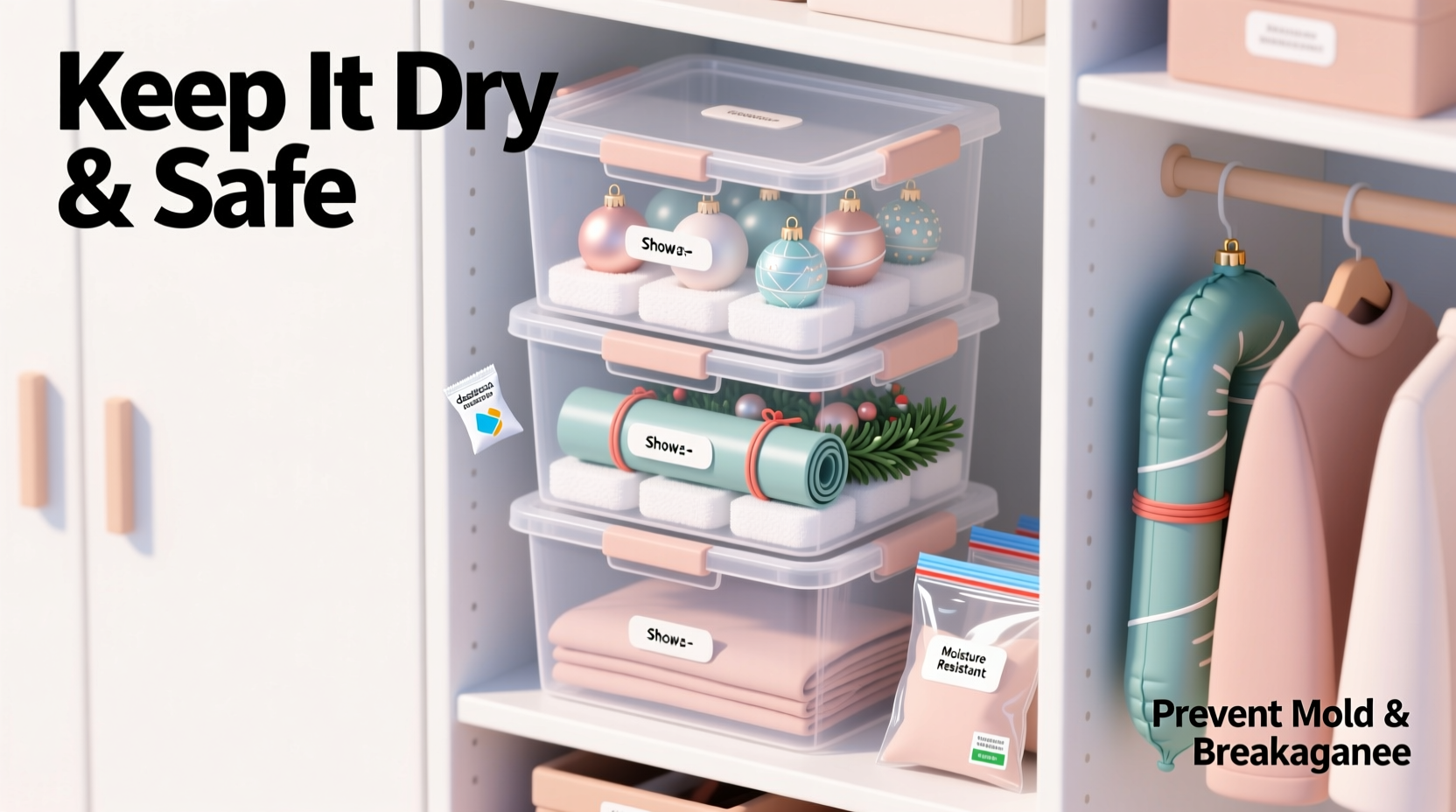
Storing decorations without cleaning them invites mold, dust mites, and residue buildup. Food particles from advent calendars, candle wax drips, or even fingerprints on glass can create ideal conditions for microbial growth—especially in enclosed containers.
For fabric items like stockings or tree skirts, spot-clean stains and launder according to label instructions. Air-dry completely before packing. Plastic and metal decorations benefit from a gentle wipe with a damp cloth and mild dish soap. Avoid harsh chemicals that may degrade finishes over time.
Glass ornaments require extra care. Use a soft microfiber cloth and a solution of equal parts water and white vinegar to gently remove smudges. Never soak hand-painted or vintage glass, as moisture can seep into cracks and cause flaking.
Tip: Label decorations with care instructions using small waterproof tags—especially for fragile or heirloom pieces.Choose the Right Containers for Long-Term Protection
Not all storage solutions are created equal. Cardboard boxes absorb moisture and attract pests. Plastic bins offer better protection but vary widely in quality. Opt for clear, lidded containers made from polypropylene or high-density polyethylene (HDPE), which resist warping and block humidity.
Specialty storage is available for specific items:
- Ornament boxes: Compartmentalized trays with padded inserts keep glass balls from clinking together.
- Wreath bags: Fabric sleeves with drawstrings allow airflow while shielding greenery from dust.
- Garland reels: Spools prevent tangles in beaded or popcorn strands.
- Light spools: Wrap cords around cardboard or plastic reels to avoid fraying and knotting.
Avoid vacuum-sealing soft decorations like artificial trees or plush figures. Compressing foam or fabric can weaken structural integrity and trap residual moisture, increasing mold risk.
Storage Container Comparison
| Type | Pros | Cons | Best For |
|---|---|---|---|
| Plastic bins with lids | Water-resistant, stackable, durable | Poor ventilation if sealed too tightly | Ornaments, lights, figurines |
| Cardboard boxes | Affordable, customizable | Absorbs moisture, attracts pests | Short-term use only |
| Fabric garment bags | Breathable, lightweight | Offers minimal crush protection | Wreaths, fabric decor |
| Vacuum bags | Space-saving | Traps moisture, damages materials | Not recommended |
| Compartmentalized cases | Prevents breakage, organized | Higher cost | Delicate ornaments, collectibles |
Control Environment: Temperature, Humidity, and Location
The location where you store decorations matters as much as the container. Basements and garages are common choices but often problematic due to fluctuating temperatures and high humidity. These environments encourage condensation inside containers, leading to mold on paper, fabric, and even metal components.
According to the National Park Service, ideal storage conditions for household items are between 60–75°F (15–24°C) and 30–50% relative humidity. Exceeding 60% humidity significantly increases the risk of mold colonization, especially on organic materials like wood, straw, or dried botanicals.
“Even brief exposure to dampness during storage can initiate mold growth that becomes visible months later.” — Dr. Lena Torres, Indoor Environmental Scientist
Instead of basements or attics, choose interior closets, under-bed storage, or climate-controlled areas. If garage storage is unavoidable, elevate containers on shelves at least six inches off the floor and use desiccant packs inside bins to absorb excess moisture.
Step-by-Step Guide: Safe Storage Routine
- Unpack and inspect: Check each decoration for damage, dirt, or signs of pests.
- Clean thoroughly: Wipe down surfaces, launder fabrics, and air-dry completely.
- Sort by type and fragility: Group similar items (e.g., glass, lights, textiles) for targeted packing.
- Select appropriate containers: Use compartmentalized boxes for ornaments, reels for lights.
- Add protective layers: Wrap delicate items in acid-free tissue; cushion with bubble wrap or crumpled paper.
- Label clearly: Mark contents and year stored on top and side of container.
- Store in a stable environment: Place in a cool, dry, interior room away from sunlight and pests.
- Monitor periodically: Check once every 3–6 months for moisture, odors, or insect activity.
Avoid Common Storage Mistakes That Lead to Damage
Many well-intentioned efforts backfire due to overlooked details. Here are frequent errors and how to correct them:
- Mixing materials: Storing metal and salt-based decorations (like popcorn garlands) together accelerates corrosion. Salt attracts moisture and reacts with metals, causing tarnish or rust.
- Overpacking boxes: Cramped containers increase pressure on fragile items. Fill gaps with soft padding instead of forcing lids shut.
- Leaving lights plugged in boxes: Coiled wires under tension can degrade insulation. Always unplug and loosely wrap cords.
- Using newspaper for wrapping: Ink can transfer to delicate surfaces, and paper retains moisture. Use acid-free tissue or plain craft paper instead.
- Ignoring pest risks: Moths and silverfish feed on natural fibers and starches. Add cedar blocks or silica gel packets—but never mothballs, which leave toxic residues.
Real Example: How One Family Saved Their Heirloom Collection
The Rivera family inherited a set of handmade German glass ornaments dating back to the 1940s. After noticing a musty smell and faint black spots on several pieces one November, they consulted a preservation specialist. Testing revealed early-stage mold caused by storing the ornaments in a sealed plastic bin in their basement.
They took immediate action: cleaned unaffected pieces with a vinegar solution, replaced the bin with a ventilated display case lined with activated charcoal, and moved storage to a bedroom closet. They also began annual inspections and added a digital hygrometer. Three years later, the collection remains intact, with no further deterioration.
This case underscores the importance of proactive monitoring and choosing the right microclimate—even for non-perishable-looking items.
Essential Checklist for Mold-Free, Breakage-Proof Storage
✅ Your Holiday Decoration Storage Checklist:- All decorations cleaned and completely dry
- Fragile items individually wrapped in acid-free tissue
- Lights coiled and secured with twist ties (not rubber bands)
- Containers selected based on material and fragility
- Desiccant packs or charcoal bags placed inside bins
- Labels affixed with contents and storage date
- Storage area temperature-stable and humidity-controlled
- Pest deterrents (e.g., cedar, silica gel) included—no chemicals
- Containers elevated off floors and away from walls
- Plan for biannual inspection established
Frequently Asked Questions
Can I store decorations in the attic?
Attics are generally not recommended due to extreme temperature swings and poor ventilation. Summer heat can exceed 120°F (49°C), warping plastics and weakening adhesives. If attic storage is unavoidable, use insulated containers, add moisture absorbers, and check twice a year.
How do I know if mold is growing inside a sealed bin?
Signs include a musty odor when opening the container, visible specks (black, green, or white), or fogging on the inside of the lid. If mold is present, isolate the bin outdoors, wear gloves and a mask, and discard affected porous items. Clean hard surfaces with a 70% isopropyl alcohol solution.
Is it safe to store artificial trees in compressed bags?
While many pre-packaged trees come with compression straps, long-term crushing can bend branches and damage hinges. Instead, disassemble the tree and store sections in breathable mesh bags. Loosely bundle limbs to maintain shape without pressure.
Final Tips for Lasting Holiday Joy
Preserving holiday decorations isn’t just about saving money—it’s about protecting memories. Each ornament, light strand, and handmade craft carries emotional value that deteriorates faster without proper care. By integrating cleaning, smart packaging, and environmental control into your post-holiday routine, you ensure that the magic of the season remains intact year after year.
Start small: dedicate one afternoon after the holidays to sort, clean, and pack with intention. Use clear bins so you can see contents without opening them, reducing exposure to air and contaminants. Rotate older decorations to the front so nothing gets forgotten in the back of a closet for a decade.
“The best storage system is one that’s both protective and accessible. If it’s too cumbersome, people won’t maintain it.” — Karen Meeks, Home Organization Consultant
Take Action Today
Your future self will thank you when next holiday season arrives and your decorations emerge fresh, unbroken, and free of musty smells. Don’t wait for damage to occur—implement these strategies now. Share your own storage wins or ask questions in the comments below. Let’s build a community of mindful decorators keeping traditions alive, one properly packed box at a time.
💬 Have a clever storage hack or a close call with mold? Share your story! Your experience could help others protect their holiday treasures.








