
When temperatures plunge below freezing, stepping into a frigid car can be more than uncomfortable—it can be painful. Cold seats press against your back and legs, sending chills through your body before the cabin warms up. In response, many drivers turn to heated car seat cushions as a quick fix. But with safety concerns around electrical components, overheating, and long-term use, questions arise: Are these devices truly safe? And do they actually perform well when you need them most—in extreme cold?
This article examines the real-world performance of heated seat cushions in sub-zero conditions, evaluates their safety mechanisms, and provides practical guidance based on engineering principles, user experiences, and expert insights.
How Heated Seat Cushions Work
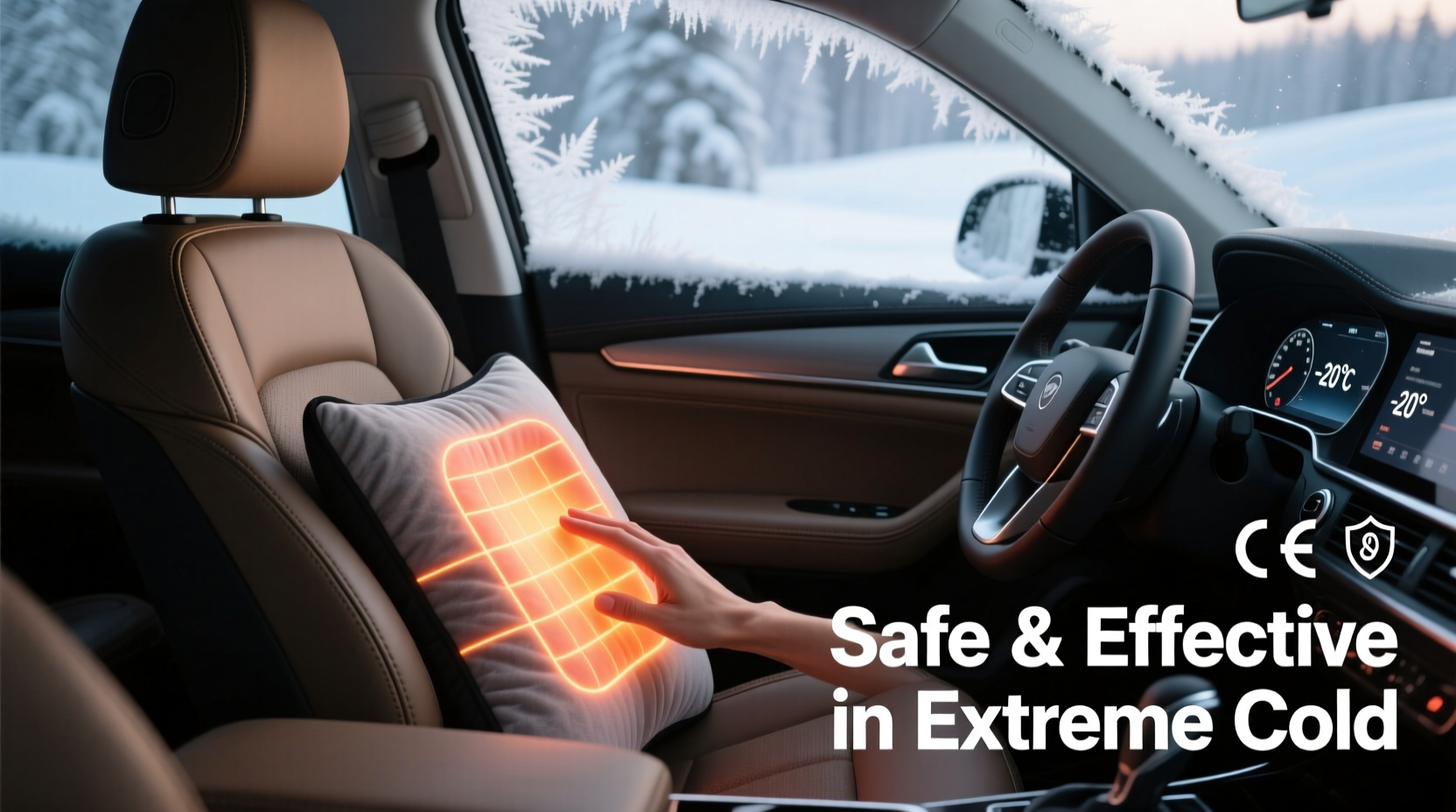
Heated car seat cushions typically plug into a vehicle’s 12V power outlet (cigarette lighter) and use embedded heating elements—usually carbon fiber wires or resistive coils—to generate warmth. These elements heat up rapidly, transferring thermal energy to the cushion’s surface within minutes. Most models offer multiple heat settings, controlled via a simple switch or digital interface.
The technology is similar to that found in factory-installed heated seats but adapted for portability and universal fit. Unlike built-in systems, which integrate with the car’s climate control and wiring, aftermarket cushions rely on external power sources and independent thermostats.
Because they draw power directly from the car battery, users often worry about draining the system—especially during cold starts when batteries are already under stress. However, most quality cushions consume between 30–60 watts, comparable to a dome light or phone charger, making them relatively low-draw accessories.
Tip: Always unplug the cushion when not in use to prevent parasitic battery drain, especially in older vehicles or extremely cold climates.Safety Features and Risk Mitigation
Safety is a primary concern when introducing any electrical device into a vehicle environment. Overheating, fire hazards, and burns are legitimate risks if products lack proper safeguards. Fortunately, most reputable manufacturers include multiple layers of protection.
- Overheat Protection: Built-in thermostats automatically cut power if internal temperatures exceed safe thresholds (typically above 130°F/54°C).
- Timer Functions: Many units shut off after 60–90 minutes to prevent prolonged exposure and reduce fire risk.
- Auto-Shutoff on Engine Off: Some advanced models detect when the car is turned off and disconnect power accordingly.
- Flame-Retardant Materials: Outer fabrics are often treated or selected to resist ignition even under fault conditions.
Despite these features, poor-quality or counterfeit products may skip essential safety steps. The U.S. Consumer Product Safety Commission has issued recalls on several imported heated cushions due to burn and fire hazards.
“Always look for certifications like UL (Underwriters Laboratories) or ETL. These indicate the product has undergone rigorous safety testing.” — Dr. Alan Reeves, Electrical Safety Engineer at the National Fire Protection Association
Additionally, placing heavy objects on a powered cushion or using it with damaged cords increases risk. Regular inspection of wiring and connectors is essential, particularly in winter when temperature fluctuations can weaken insulation.
Effectiveness in Extreme Cold: Real-World Performance
To assess effectiveness, consider two factors: speed of heat delivery and sustained comfort in freezing environments.
In controlled tests conducted by automotive lifestyle reviewers, most mid-range heated cushions reach a surface temperature of 100–115°F (38–46°C) within 3–5 minutes. This provides noticeable relief even when ambient temperatures are below 0°F (-18°C). However, effectiveness diminishes if the cushion is placed over thick winter clothing or insulated seat covers, which block direct contact and slow heat transfer.
Users in northern regions like Alaska, Minnesota, and Alberta report mixed results. While the cushions offer immediate comfort upon entry, they rarely maintain ideal warmth throughout longer drives unless used in conjunction with the vehicle’s cabin heater.
A Case Study: Winter Commuting in Fairbanks, Alaska
Mark T., a municipal worker in Fairbanks, uses a dual-layer heated cushion (seat and backrest) during his 45-minute commute in January, when average temperatures hover around -15°F (-26°C). His truck takes nearly 20 minutes to begin warming the interior.
“The cushion heats up fast,” he says. “I feel warmth through my jeans in under three minutes. It doesn’t replace the heater, but it stops that initial shock when you sit down. I’ve used it five winters now, no issues—but I bought a brand with UL certification and a timer.”
Mark emphasizes routine maintenance: checking the cord monthly, avoiding folding the unit while hot, and unplugging it immediately after arrival. He also keeps a spare fuse in case the circuit trips—a rare but possible occurrence in older vehicles.
His experience reflects broader trends: heated cushions are most effective as a transitional comfort tool, bridging the gap between icy entry and full cabin warmth.
Choosing the Right Heated Cushion: A Buyer’s Checklist
Not all heated seat cushions are created equal. To ensure both safety and performance in extreme cold, follow this checklist before purchasing:
- Look for UL, ETL, or CSA certification labels.
- Verify automatic shutoff and overheat protection features.
- Choose carbon fiber heating elements—they distribute heat more evenly than wire coils.
- Ensure the power cord is at least 6 feet long for flexible routing.
- Check compatibility with your vehicle’s 12V socket (some high-draw models may require direct battery connection).
- Prioritize machine-washable or removable covers for hygiene.
- Avoid ultra-cheap models sold without clear manufacturer details.
Do’s and Don’ts of Using Heated Seat Cushions in Winter
| Do’s | Don’ts |
|---|---|
| Use only on low or medium heat for extended sitting | Leave the cushion plugged in overnight |
| Place directly on the seat—avoid stacking over other pads | Fold or compress while powered or still warm |
| Inspect the cord and plug for damage monthly | Use with damaged insulation or exposed wires |
| Unplug once the cabin reaches comfortable temperature | Allow children or pets to sit on an active cushion unsupervised |
| Clean according to manufacturer instructions | Use near open flames or flammable liquids |
Following these guidelines minimizes risks and extends the life of the device. Remember: even certified products can become hazardous if misused or poorly maintained.
Step-by-Step Guide: Safe Operation in Sub-Zero Conditions
Maximize safety and comfort with this proven routine:
- Before Starting Your Car: Place the cushion on the seat while the engine is off. Ensure the power cord routes safely away from pedals and doors.
- Start the Engine: Turn on the ignition and plug the cushion into the 12V outlet.
- Activate Heating: Set to medium heat initially. Allow 3–5 minutes for warming.
- Monitor Initial Comfort: Adjust to low heat once warmth is felt. Avoid maximum setting unless necessary.
- Engage Cabin Heater: Set the HVAC system to defrost and high heat to warm the entire interior.
- After 30 Minutes: Unplug the cushion if the seat feels warm enough. This reduces electrical load and prevents overheating.
- Upon Arrival: Unplug immediately, let cool completely, then store loosely—never folded tightly.
This sequence ensures efficient heat delivery while protecting both the user and the vehicle’s electrical system.
FAQ: Common Questions About Heated Seat Cushions
Can heated seat cushions cause burns?
High-quality models with overheat protection are unlikely to cause burns under normal use. However, individuals with reduced sensitivity (e.g., diabetics or elderly users) should avoid prolonged contact on high settings. Most units stay below 120°F (49°C), but skin can burn at 118°F (48°C) after extended exposure.
Will a heated cushion drain my car battery?
If left plugged in after the engine is off, yes—especially in cold weather when batteries are less efficient. A typical 50-watt cushion draws about 4 amps. Continuous use for 2 hours could deplete 8 amp-hours, which may prevent starting in older or weakened batteries. Always unplug when exiting the vehicle.
Are there safer alternatives to electric cushions?
Non-electric options include fleece-lined seat covers, wool blankets, or pre-warming the car remotely. While less convenient, these eliminate electrical risks entirely. For plug-in users, combining a cushion with remote start offers optimal comfort and safety.
Final Thoughts: Balancing Comfort, Safety, and Practicality
Heated car seat cushions can be both safe and effective in extreme cold—if chosen wisely and used responsibly. They fill a critical niche: providing rapid, localized warmth when it’s needed most. For commuters, delivery drivers, or anyone facing long stints in freezing vehicles, they offer tangible relief.
However, they are not a substitute for comprehensive winter preparedness. Pairing a certified cushion with regular vehicle maintenance, proper insulation, and smart driving habits creates a far more resilient defense against the cold.
Technology continues to improve, with newer models featuring Bluetooth controls, auto-adaptive heat, and integration with smartphone apps. As innovation progresses, so too must consumer awareness. Always prioritize safety certifications over price, and treat every electrical accessory as a potential hazard if neglected.
“The best heated cushion is the one you use correctly—not just the one that heats fastest.” — Lena Park, Automotive Wellness Consultant
Take Action Today
If you’re tired of enduring icy seats every winter morning, don’t settle for discomfort—or unsafe shortcuts. Invest in a certified, well-reviewed heated seat cushion, follow the safety practices outlined here, and make your daily drive more bearable. Share your own winter tips in the comments below and help others stay warm, safe, and comfortable—even when the thermometer plummets.
💬 Have you used a heated seat cushion in extreme cold? Tell us what worked, what didn’t, and which model you trust. Your experience could help someone else make a safer choice this winter.








