Walking your dog should be a joyful experience—for both of you. But if your pet is pulling, struggling, or showing signs of discomfort, the issue may not be behavior alone. It could be the harness. Many dog owners assume that any harness will do, but an ill-fitting or poorly designed one can cause physical strain, breathing issues, and even long-term injury. Choosing the right harness isn’t just about convenience—it’s about your dog’s health, safety, and overall well-being.
Dogs come in all shapes, sizes, and temperaments. A Pug has different needs than a Siberian Husky. A reactive dog requires different control features than a calm Labrador. Understanding these differences is key to finding a harness that supports your dog’s body, encourages good walking habits, and prevents harm.
Why Harnesses Are Better Than Collars
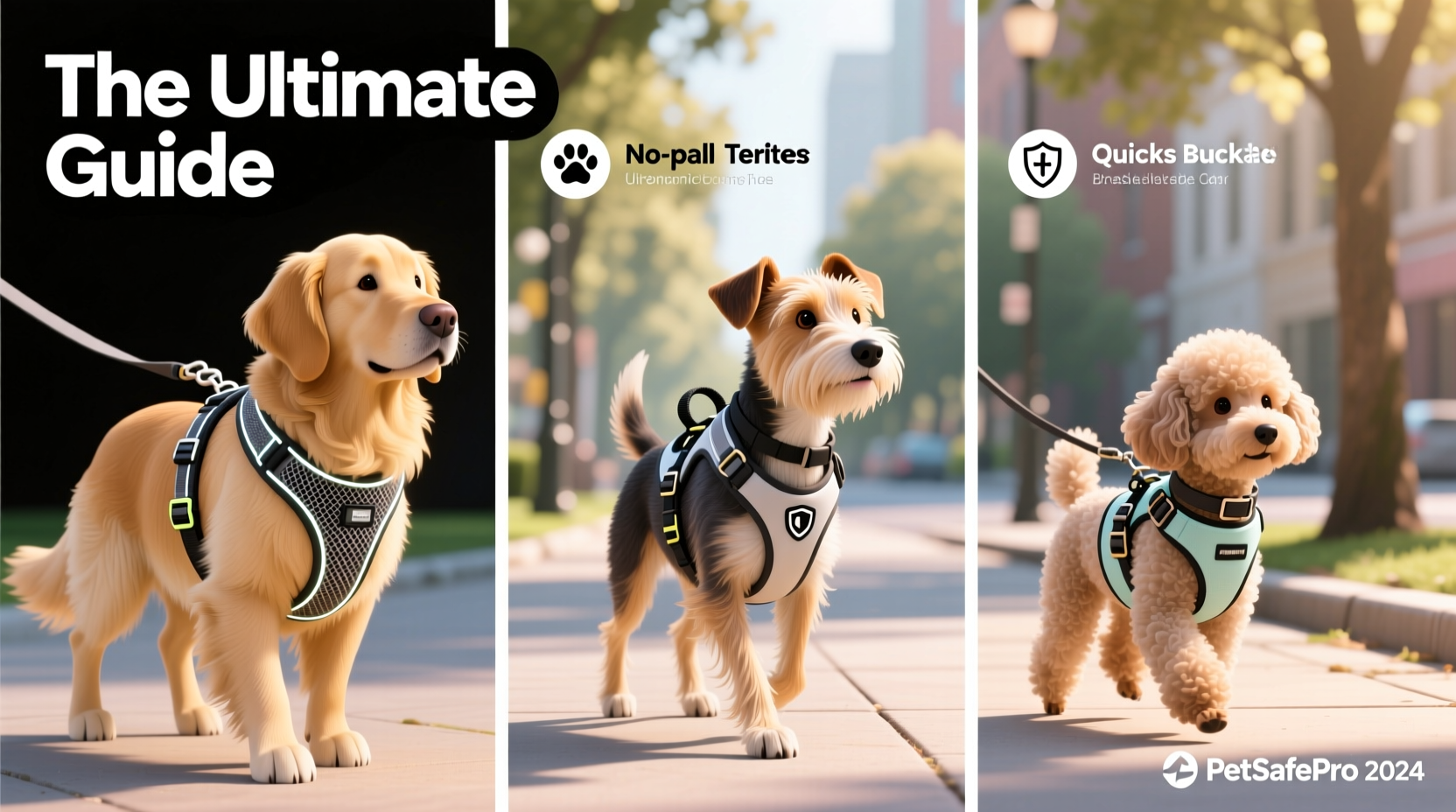
While collars are standard for ID tags and everyday wear, they place pressure directly on a dog’s neck—home to the trachea, thyroid, and cervical spine. When a dog pulls on a leash attached to a collar, the force compresses these delicate structures. This is especially dangerous for small breeds like Chihuahuas or dogs prone to respiratory conditions like Bulldogs.
A properly fitted harness distributes pressure across the chest and shoulders, reducing strain on the neck. According to Dr. Sarah Wooten, a veterinarian specializing in companion animals, “Harnesses significantly reduce the risk of tracheal collapse and spinal misalignment, especially in dogs who pull.”
“Harnesses are medically recommended for brachycephalic breeds, dogs with neck injuries, and those undergoing rehabilitation.” — Dr. Sarah Wooten, DVM
Beyond safety, harnesses also offer better control during walks, training sessions, or outdoor adventures. They’re essential for car travel, hiking, and situations where precise handling matters.
Types of Dog Harnesses: Matching Style to Function
Not all harnesses serve the same purpose. The design determines how it fits, controls, and protects your dog. Here’s a breakdown of the most common types:
| Type | Best For | Pros | Cons |
|---|---|---|---|
| Front-Clip Harness | Dogs that pull | Discourages pulling by redirecting movement | May require adjustment period |
| Back-Clip Harness | Calm walkers, general use | Comfortable, easy to put on | Can encourage pulling if not trained |
| No-Pull Harness | Training strong pullers | Combines front/back clips for control | More complex fitting process |
| Vest Harness | Hiking, cold weather, larger dogs | Even weight distribution, padding, visibility options | Can be bulky in warm climates |
| Step-In Harness | Dogs anxious about head insertion | Easy to put on, secure fit | Limited adjustability |
For dogs with anxiety or fear of being handled, a step-in or vest-style harness may reduce stress. For energetic breeds like Border Collies or Huskies, a front-clip no-pull design offers better steering. Small dogs benefit from soft, lightweight materials that won’t chafe their delicate skin.
Tip: If your dog pulls excessively, start training with a front-clip harness combined with positive reinforcement—never yank or punish.How to Measure and Fit a Harness Correctly
A poorly fitted harness can rub, slip, or restrict movement. Follow this step-by-step guide to ensure a perfect fit:
- Measure the girth: Use a soft tape measure around the widest part of your dog’s chest, just behind the front legs. This is the most critical measurement.
- Check the neck size: Measure around the base of the neck where the collar sits.
- Refer to sizing charts: Brands vary widely. Always consult the manufacturer’s chart using your dog’s actual measurements—not breed or weight alone.
- Test the fit: Once on, you should be able to slide two fingers comfortably under any strap. The harness should not shift excessively side-to-side.
- Observe movement: Let your dog walk, sit, and stretch. No rubbing, pinching, or lifting of the front legs should occur.
Dogs with deep chests (like Greyhounds) or broad shoulders (like Boxers) often need custom or breed-specific designs. Avoid one-size-fits-all models unless explicitly designed for adjustable ranges.
Real Example: Fixing Pulling Behavior with Proper Harness Selection
Max, a two-year-old Australian Shepherd, used to lunge at squirrels and drag his owner down the sidewalk. His previous back-clip harness only reinforced the pulling. After switching to a front-clip no-pull harness and pairing it with reward-based training, Max learned to walk calmly within three weeks. His owner reported less strain on her arms and fewer vet visits for minor throat irritation Max had developed from collar use.
This case illustrates how the right tool, combined with consistent training, transforms a frustrating walk into a cooperative experience.
Key Features to Look For in a Safe, Comfortable Harness
Beyond fit and style, certain features enhance safety and usability:
- Padded straps: Reduce friction on sensitive areas, especially important for dogs with short coats or thin skin.
- Reflective stitching: Increases visibility during early morning or evening walks.
- Adjustable straps: Allow fine-tuning for a snug, escape-proof fit.
- Leash attachment points: Dual clips (front and back) offer versatility—use the front for training, back for relaxed walks.
- Quick-release buckles: Make putting on and removing the harness faster and less stressful.
- Escape-proof design: Look for X-back or H-style configurations that prevent wriggling out.
Materials matter too. Breathable mesh is ideal for warm climates, while neoprene or fleece-lined harnesses suit colder environments. Avoid cheap plastics that crack or degrade after a few months.
Frequently Asked Questions
Can a harness hurt my dog if it doesn’t fit right?
Yes. A too-tight harness can restrict breathing and cause sores. One that’s too loose risks slipping off or allowing the dog to back out. Improper placement can also interfere with shoulder motion, leading to joint stress over time.
Should I use a harness for a puppy?
Absolutely. Puppies are still developing physically. A soft, adjustable harness protects their growing neck and spine while teaching proper leash manners from the start.
How often should I check the fit of my dog’s harness?
Monthly for adult dogs, and every few weeks for puppies. Weight changes, fur growth, and wear can alter fit. Always recheck after long storage periods or seasonal coat changes.
Your Action Plan: Checklist for Choosing the Right Harness
- ✅ Identify your dog’s primary needs (e.g., pulling, comfort, training).
- ✅ Measure chest girth and neck accurately.
- ✅ Choose the appropriate harness type (front-clip, vest, etc.).
- ✅ Select a model with padded, adjustable straps and secure buckles.
- ✅ Check for reflective elements and durable materials.
- ✅ Try the harness on and observe movement and comfort.
- ✅ Introduce it gradually with treats and praise to build positive association.
Conclusion
Selecting a comfortable and safe dog harness is more than a shopping decision—it’s an investment in your dog’s physical health and emotional comfort. From preventing neck injuries to improving walking behavior, the right harness makes every outing safer and more enjoyable. Don’t settle for generic options or guesswork. Take the time to measure, test, and match the design to your dog’s unique body and personality.
🚀 Ready to upgrade your dog’s walking experience? Measure your pup today and try a well-fitted, vet-recommended harness. Share your success story in the comments—your insights could help another dog parent make a smarter choice!








