As the holiday season approaches, homes across the world light up with festive cheer. Twinkling Christmas lights draped over trees, windows, and rooftops bring warmth and joy. But behind the sparkle lies a critical question: Is it truly safe to leave those lights glowing when you're asleep—or worse, when no one is home? With electrical fires accounting for a significant number of winter emergencies, understanding the risks and safeguards around holiday lighting isn't just practical—it's essential.
The answer isn’t a simple yes or no. It depends on several factors: the type of lights used, their condition, how they’re installed, and whether modern safety features are in place. This article breaks down the real risks, shares tested safety strategies, and provides clear guidance so you can enjoy your decorations without compromising safety.
Understanding the Risks of Overnight Lighting
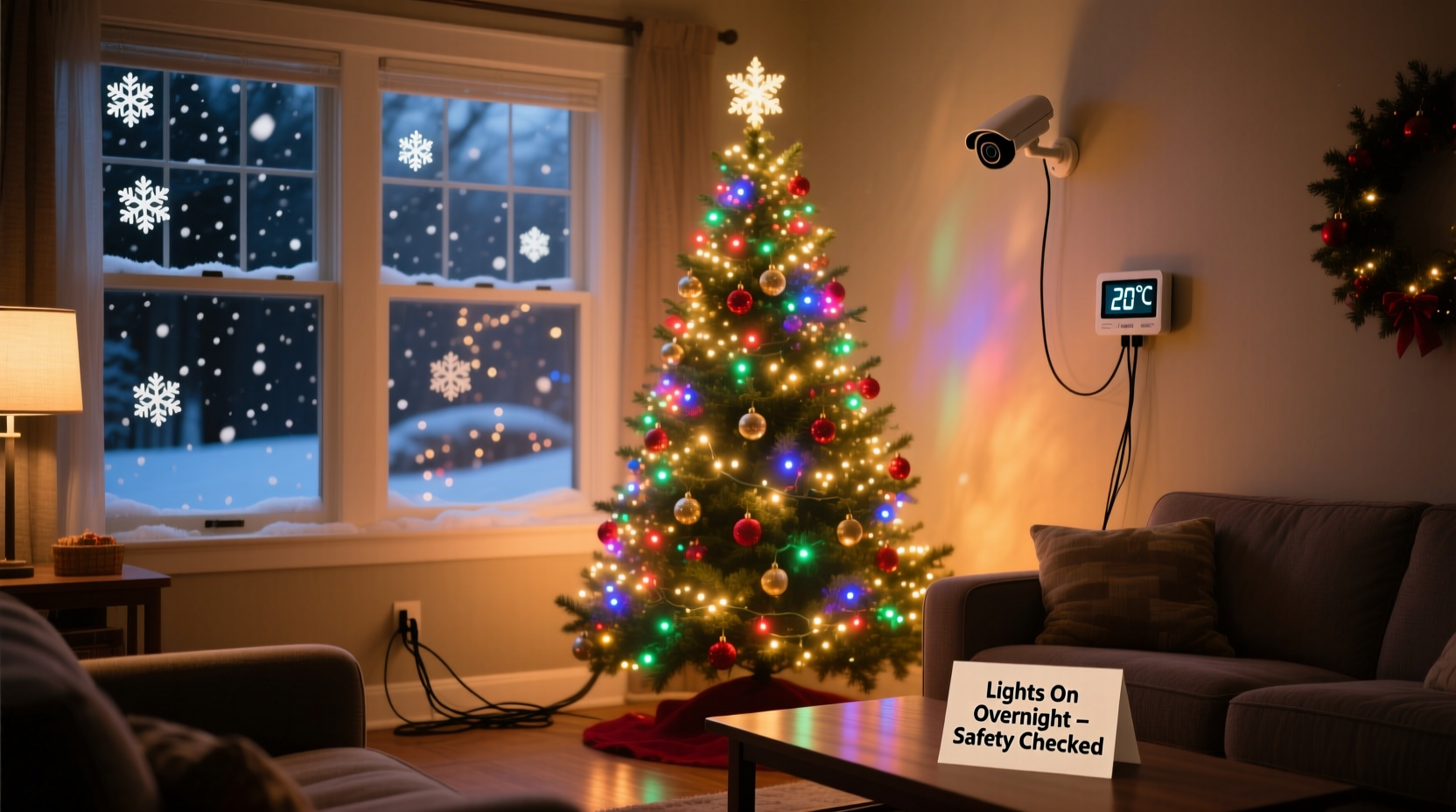
Leaving Christmas lights on unattended introduces potential fire hazards. According to the National Fire Protection Association (NFPA), between 2017 and 2021, U.S. fire departments responded to an average of 7,640 home structure fires per year caused by decorations—including Christmas trees, lights, and candles. Of these, nearly half started in December or January.
Electrical failures and malfunctions were the leading cause of decoration-related fires. Overloaded circuits, damaged wires, and outdated lighting systems significantly increase risk. Incandescent bulbs generate heat—sometimes enough to ignite nearby flammable materials like dry Christmas trees, paper garlands, or curtains. Even LED lights, though cooler, aren’t immune to faults if poorly manufactured or improperly connected.
While the majority of modern lights meet safety standards, age, wear, and improper use can compromise even certified products. The danger multiplies when lights are left on during sleep hours or while the house is empty—times when early detection of smoke or sparks is impossible.
Tip: Never leave incandescent Christmas lights on overnight or while away from home unless under strict supervision and with working smoke alarms.LED vs. Incandescent: Which Is Safer?
Not all Christmas lights pose the same level of risk. The shift from traditional incandescent bulbs to LED (Light Emitting Diode) technology has dramatically improved holiday lighting safety.
| Feature | Incandescent Lights | LED Lights |
|---|---|---|
| Heat Output | High – bulbs can reach over 150°F | Low – typically warm to touch, not hot |
| Energy Use | High – uses up to 10x more electricity | Low – energy-efficient and cost-saving |
| Lifespan | ~1,000–2,000 hours | ~25,000–50,000 hours |
| Fire Risk | Moderate to high, especially near dry trees | Very low, but not zero with faulty wiring |
| Cost Over Time | Higher due to replacement and energy costs | Lower long-term investment |
LED lights are inherently safer because they emit minimal heat, reducing the chance of igniting nearby materials. They also draw less power, decreasing strain on electrical circuits. However, poor-quality LED strings—especially those without certification—can still short-circuit or overheat due to substandard wiring or transformers.
“Even low-heat LEDs can become hazardous if daisy-chained beyond manufacturer limits or plugged into damaged outlets.” — David Reynolds, Electrical Safety Engineer at NFPA
Best Practices for Safe Holiday Lighting
Safety doesn’t mean sacrificing ambiance. By following proven guidelines, you can maintain a festive atmosphere while minimizing risk. Here’s how:
1. Inspect Every String Before Use
Before hanging any lights, examine each strand for frayed wires, cracked sockets, loose connections, or bent prongs. Discard or repair damaged sets immediately. Moisture exposure from outdoor use accelerates wear—pay extra attention to lights stored after last season.
2. Use Only Certified Products
Look for labels from recognized testing laboratories such as UL (Underwriters Laboratories), ETL, or CSA. These indicate the product has passed rigorous safety evaluations. Avoid dollar-store or unbranded lights that lack certification marks.
3. Don’t Overload Circuits
Most household circuits handle 15–20 amps. Connecting too many light strands—even LEDs—can overload a circuit, causing overheating. Follow the manufacturer’s “maximum connectable” limit (usually printed on the packaging). When in doubt, plug different strands into separate outlets or use a power strip with surge protection.
4. Use Timers for Automatic Control
A programmable outlet timer is one of the most effective tools for safe lighting. Set lights to turn on in the evening and shut off before bedtime or prior to leaving the house. This ensures they’re never left on unattended. Many smart plugs allow remote control via smartphone apps, giving you real-time oversight even when traveling.
Tip: Program your lights to run only 6–8 hours per night—typically from dusk until 10 or 11 PM.5. Keep Trees Hydrated and Away from Heat Sources
If using a real Christmas tree, water it daily. A dry tree can ignite in under 30 seconds once exposed to flame or extreme heat. Place the tree away from radiators, fireplaces, and space heaters. Artificial trees should be labeled “fire resistant,” though this doesn’t make them fireproof.
Real-Life Scenario: A Close Call in Denver
In December 2022, a family in Denver returned home from a weekend trip to find smoke billowing from their living room. Their Christmas tree, decorated with older incandescent lights, had caught fire after a faulty bulb overheated. Fortunately, neighbors noticed the smoke and called emergency services. The fire was contained, but the family lost part of their home and all holiday gifts.
An investigation revealed that the light string was over ten years old, with visible wire damage ignored during setup. The lights had been left on continuously for five days, including while the family was away. Had there been no nearby observer, the outcome could have been fatal.
This case underscores two key points: aging equipment increases risk, and unattended operation removes the chance for early intervention. Today, the family uses only UL-listed LED lights, automatic timers, and upgraded smoke detectors on every floor.
Step-by-Step Guide to Safe Christmas Light Management
Follow this timeline to ensure your holiday lights are both beautiful and secure:
- Week 1: Inventory and Inspection
Pull out all light strings. Check each one for damage. Label and set aside broken ones for recycling. - Week 2: Purchase Replacements
Buy new LED strings with safety certifications. Replace any set older than five years, even if it appears functional. - Week 3: Test and Install
Test each string before installation. Use insulated hooks (not nails) to hang lights and avoid piercing wires. - Week 4: Integrate Automation
Plug lights into a timer or smart outlet. Program on/off times aligned with typical occupancy. - Ongoing: Daily Monitoring
Check lights nightly for flickering, overheating, or unusual smells. Ensure the tree base remains filled with water. - After the Holidays: Proper Storage
Coil lights carefully around a cardboard spool or use specialized storage reels. Store in a dry, temperature-stable location to prevent degradation.
Checklist: Safe Christmas Lighting at a Glance
- ✅ Use only UL/ETL-certified light strings
- ✅ Switch to LED lights where possible
- ✅ Inspect all cords and bulbs for damage
- ✅ Avoid overloading outlets or extension cords
- ✅ Install smoke detectors on every level of the home
- ✅ Use timers or smart plugs to limit runtime
- ✅ Never leave incandescent lights on overnight
- ✅ Water real trees daily
- ✅ Turn off all lights before going to bed or leaving home
- ✅ Keep emergency numbers accessible and test alarms monthly
Frequently Asked Questions
Can I leave LED Christmas lights on all night?
While LED lights produce far less heat and are safer than incandescent bulbs, it’s still not recommended to leave them on all night or unattended. Electrical faults can occur regardless of bulb type. Using a timer to automatically shut them off after 8–10 PM is the safest practice.
How many strings of lights can I connect together?
This depends on the manufacturer’s specifications. Most LED strings allow 3–5 sets to be daisy-chained. Exceeding this limit risks overheating and circuit failure. Always check the label or packaging for the “maximum connectable” number.
Are battery-operated Christmas lights safe to leave on?
Battery-powered lights are generally safer for indoor decor, especially on small trees or in rooms without outlets. Since they operate at low voltage, fire risk is minimal. However, remove batteries when not in use for extended periods to prevent leakage and corrosion.
Expert Insight: What Fire Departments Recommend
Fire departments across North America issue annual advisories during the holiday season. A joint statement from the National Fire Protection Association and local fire chiefs emphasizes proactive measures:
“The holidays should be joyful, not tragic. Unattended lights and dry trees are a dangerous combination. We urge families to treat Christmas lights like stoves or irons—never leave them on when sleeping or away from home.” — NFPA Holiday Safety Task Force
Many departments offer free home safety inspections during December. Some even provide discounted timers or smoke alarm replacements. Check with your local station for available programs.
Final Thoughts: Balancing Beauty and Safety
Christmas lights symbolize warmth, celebration, and connection. There’s no need to dim that spirit—but doing so responsibly ensures it lasts well beyond the season. Modern technology gives us tools to enjoy our traditions safely: energy-efficient LEDs, smart controls, and reliable certifications make it easier than ever to reduce risk without sacrificing beauty.
The core principle is simple: never let convenience override caution. Whether it’s setting a timer, replacing old strings, or turning off lights before bed, small actions create significant protection. Your peace of mind—and the safety of your loved ones—is worth far more than any illuminated display.
🚀 Take action tonight: Go through your Christmas lights, set up a timer, and create a safety plan with your household. Share this article with friends and family to help spread awareness—because a safer holiday is a brighter one for everyone.