When it comes to optimizing vertical space in kitchens, bathrooms, living rooms, or home offices, two popular solutions stand out: floating shelves and wall cabinets. Both offer distinct advantages and trade-offs in terms of storage capacity, visual appeal, installation complexity, and long-term usability. Choosing between them isn’t just about aesthetics—it’s a strategic decision that impacts how efficiently you use your space. Understanding their differences allows homeowners and designers to maximize storage intelligence rather than simply adding more units.
Understanding the Core Differences
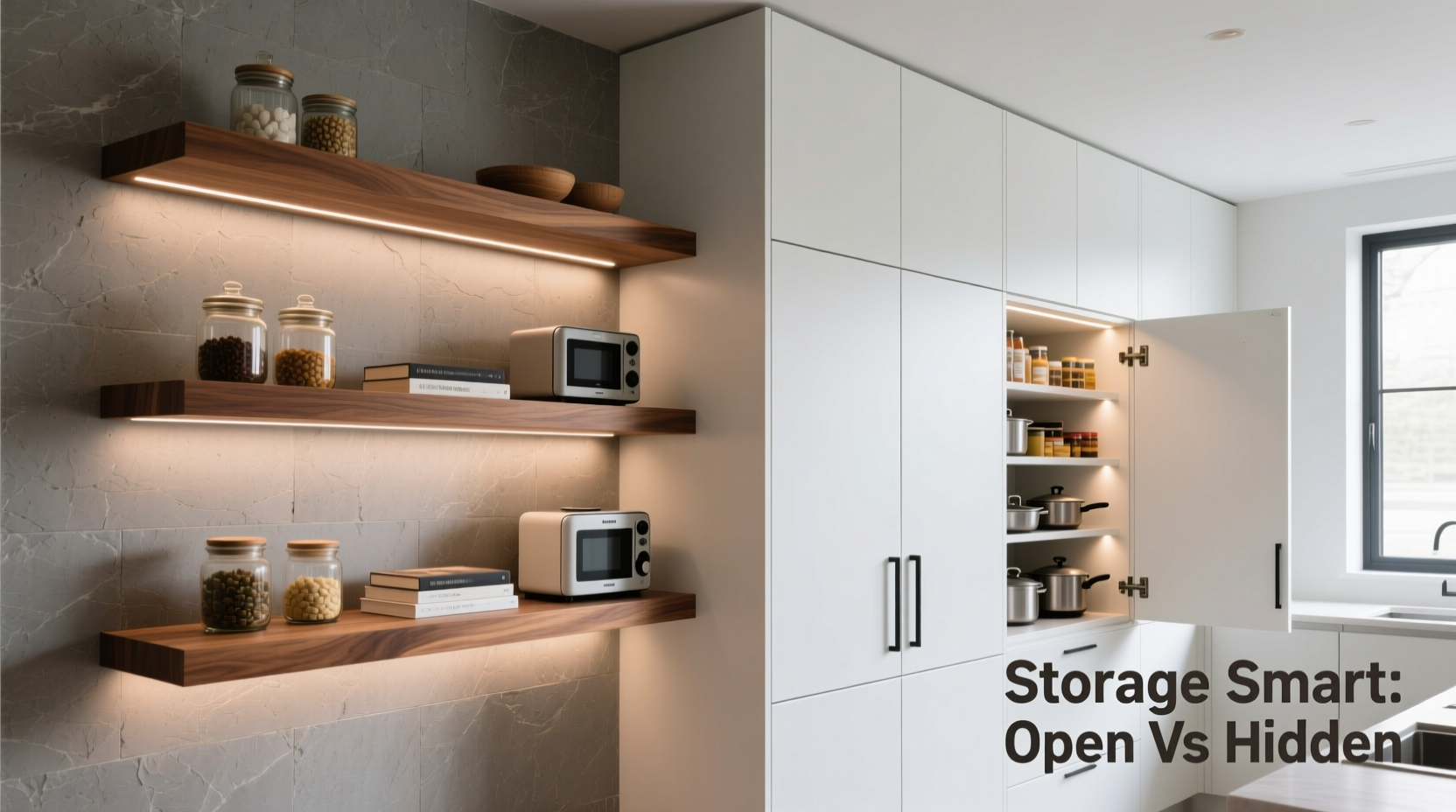
Floating shelves are minimalist, open platforms mounted directly into the wall with hidden brackets or internal supports. They project a sleek, modern look and are often used to display decor, books, or frequently accessed kitchenware. In contrast, wall cabinets are enclosed units with doors (and sometimes drawers), offering concealed storage and greater protection from dust and moisture.
The fundamental distinction lies in accessibility versus containment. Floating shelves provide instant visibility and easy access but expose contents to dust and require regular tidying. Wall cabinets hide clutter effectively but can feel bulky and may limit spontaneous use due to the need to open doors.
Tip: Use floating shelves in areas where items are used daily—like spices in the kitchen or toiletries in the bathroom—for faster access.Storage Efficiency: Capacity vs Usability
At first glance, wall cabinets appear superior in raw storage volume. Their depth (typically 12–13 inches) and full-height construction allow for stacking containers, storing larger appliances, or tucking away seasonal items. However, deeper doesn't always mean smarter.
Floating shelves, though shallower (usually 6–10 inches), promote intentional organization. Because everything is visible, users are less likely to over-store or forget what they own—a phenomenon known as “out of sight, out of mind.” This visibility encourages regular rotation and reduces duplication (e.g., buying another bottle of olive oil because the first one was buried behind canned goods).
In small spaces such as studio apartments or galley kitchens, floating shelves prevent visual overcrowding while maintaining utility. Wall cabinets, on the other hand, can dominate a room if not proportionally balanced, making ceilings feel lower and rooms feel boxed-in.
“Storage isn’t just about how much you can fit—it’s about how easily you can use it. Smart design prioritizes access over accumulation.” — Lena Torres, Interior Designer & Space Optimization Consultant
Design Flexibility and Aesthetic Impact
Aesthetics play a crucial role in the decision-making process, especially in shared or high-visibility areas. Floating shelves contribute to an airy, uncluttered atmosphere. They work exceptionally well in minimalist, Scandinavian, or industrial interiors where clean lines and negative space are valued.
Wall cabinets offer more traditional styling, fitting seamlessly into classic, farmhouse, or transitional designs. While modern versions come in sleek finishes like matte laminate or glass fronts, they still occupy more visual weight. For renters or those avoiding permanent renovations, floating shelves are often easier to install and remove without major wall damage.
Another consideration is customization. Floating shelves can be arranged asymmetrically, staggered, or clustered to create dynamic focal points. Wall cabinets typically follow standard modular dimensions, limiting creative layout options unless custom-built—which increases cost significantly.
Tip: Mix both types strategically—use wall cabinets below counters and floating shelves above for a balanced blend of function and style.Comparative Analysis: Floating Shelves vs Wall Cabinets
| Feature | Floating Shelves | Wall Cabinets |
|---|---|---|
| Storage Capacity | Moderate – limited by depth and open design | High – deep interiors, multiple shelves, enclosed space |
| Dust Protection | Poor – contents fully exposed | Excellent – doors shield from dust and humidity |
| Accessibility | High – immediate visibility and reach | Moderate – requires opening doors, potential blind spots |
| Installation Complexity | Low to moderate – depends on anchoring into studs | Moderate to high – often requires professional mounting |
| Cost (per linear foot) | $20–$60 (DIY materials); $80+ (custom wood) | $150–$400 (stock); $500+ (custom) |
| Lifespan | 10–15 years (depends on material and load) | 15–30 years (with proper maintenance) |
| Style Versatility | High – fits modern, rustic, eclectic themes | Moderate – best in structured, symmetrical layouts |
| Maintenance | Frequent dusting needed | Less surface cleaning, occasional interior wipe-downs |
Real-World Application: A Kitchen Renovation Case Study
Consider a 2023 renovation in a 700-square-foot Brooklyn apartment. The homeowner, Maria, wanted to modernize her compact kitchen without sacrificing storage. She replaced upper wall cabinets with three floating walnut shelves above the sink and prep zone, reserving lower cabinetry for heavier items and infrequently used appliances.
The result? Daily-use items—cooking oils, spices, favorite mugs—were now within arm’s reach, reducing movement during meal prep. The open layout made the kitchen feel larger and brighter, especially when paired with under-shelf LED lighting. However, she noticed increased time spent wiping down surfaces due to cooking splatter and airborne grease.
To mitigate this, Maria added a backsplash-mounted acrylic sneeze guard behind the stove-side shelf and adopted a weekly deep-cleaning routine. She also installed a single narrow wall cabinet above the fridge for storing bulk snacks and paperwork—keeping them hidden yet accessible.
This hybrid approach demonstrated that neither solution is universally superior. Instead, smart storage emerges from aligning form, function, and lifestyle habits.
Step-by-Step Guide to Choosing the Right Option
Selecting between floating shelves and wall cabinets should follow a logical assessment of your space and needs. Follow these steps to make an informed decision:
- Evaluate Your Room Dimensions – Measure ceiling height, wall space, and existing furniture. Rooms under 10 feet wide benefit from open shelving to avoid visual compression.
- Identify Primary Use Cases – List what you’ll store. Frequently used lightweight items favor shelves; bulky, dusty, or unsightly objects suit cabinets.
- Assess Wall Structure – Floating shelves require secure anchoring into studs or use of toggle bolts for drywall. Older homes with lath walls may need reinforcement.
- Consider Maintenance Tolerance – If you dislike frequent dusting or live in a humid climate, enclosed cabinets reduce upkeep.
- Budget Realistically – Include material costs, hardware, tools, and potential labor. Custom wood shelves can exceed basic wall cabinets in price.
- Test Layouts Temporarily – Use painter’s tape to outline proposed shelf or cabinet positions. Live with the mock-up for 2–3 days to assess flow and clearance.
- Plan for Lighting Integration – Floating shelves benefit from under-lighting for ambiance and task visibility. Wall cabinets may block overhead light unless fitted with internal LEDs.
Hybrid Solutions: Getting the Best of Both Worlds
Many modern homes achieve optimal storage intelligence by combining both systems. For instance:
- Kitchens with wall cabinets above eye level and floating shelves near countertops for quick-access tools.
- Bathrooms using recessed wall cabinets beside mirrors and floating shelves beside showers for towels and toiletries.
- Home offices pairing closed cabinets for file storage with floating shelves for books, awards, and plants.
This layered strategy leverages the strengths of each: concealment where needed, openness where practical. It also introduces rhythm and hierarchy to interior design, guiding the eye through zones of activity and rest.
Tip: Install floating shelves at varying heights to break monotony and accommodate different item sizes—ideal for displaying cookbooks, vases, or electronics.Frequently Asked Questions
Can floating shelves hold heavy items like books or appliances?
Yes, but only if properly installed. Solid wood shelves anchored into wall studs can support 30–50 pounds per foot. Avoid drywall-only anchors for loads over 15 pounds. Always check manufacturer specifications and distribute weight evenly.
Are wall cabinets outdated in modern design?
No. While trends favor minimalism, wall cabinets remain essential in functional spaces. Modern interpretations—frameless designs, handle-less doors, integrated lighting—keep them relevant. Their longevity and utility ensure continued demand in high-storage environments.
Which option adds more value to a home?
Well-executed wall cabinets generally offer higher return on investment, particularly in kitchens and primary bathrooms. Appraisers prioritize functional storage. However, tastefully designed floating shelves in key areas (e.g., entryways, living rooms) can enhance perceived spaciousness and modern appeal, indirectly boosting marketability.
Final Checklist Before You Decide
- ✅ Measured available wall space and ceiling height
- ✅ Listed all intended stored items and their frequency of use
- ✅ Checked wall type (drywall, plaster, brick) and stud locations
- ✅ Compared total costs including materials, tools, and labor
- ✅ Researched local building codes (especially for rentals or historic buildings)
- ✅ Considered future flexibility—will this setup adapt to changing needs?
- ✅ Tested layout visually with tape or digital planning tools
Conclusion: Maximizing Storage Smarter, Not Harder
The choice between floating shelves and wall cabinets ultimately hinges on intelligent prioritization. It's not merely about how much you can store, but how effortlessly and sustainably you interact with your space. Floating shelves excel in promoting mindful consumption and enhancing spatial perception, ideal for urban dwellings and design-forward environments. Wall cabinets deliver robust, protected storage critical in high-traffic or moisture-prone areas.
The smartest storage solutions aren’t defined by trend or tradition—they emerge from alignment with your daily routines, aesthetic preferences, and structural realities. Whether you opt for one system or blend both, the goal remains the same: creating a home that works for you, not against you.
🚀 Ready to rethink your walls? Start by auditing one room this week—identify what you reach for most, what gathers dust, and where you feel cramped. Then apply the insights here to build smarter storage, one shelf at a time.