For decades, traditional laundry detergents have dominated washing machines across homes, promising powerful stain removal and bright whites. But as awareness of environmental health grows, eco-friendly alternatives are gaining ground. Consumers now face a critical question: do plant-based, biodegradable detergents clean as well over time as their chemical-heavy counterparts? More importantly, which option delivers superior long-term results for both clothes and the planet?
This isn’t just about marketing claims or greenwashing—it’s about measurable outcomes. How fabrics age, how stains break down over repeated washes, and how residue builds up (or doesn’t) all influence what “cleans better” really means. The answer lies not in isolated washes but in sustained performance across months and years of use.
Defining “Cleans Better” Over Time
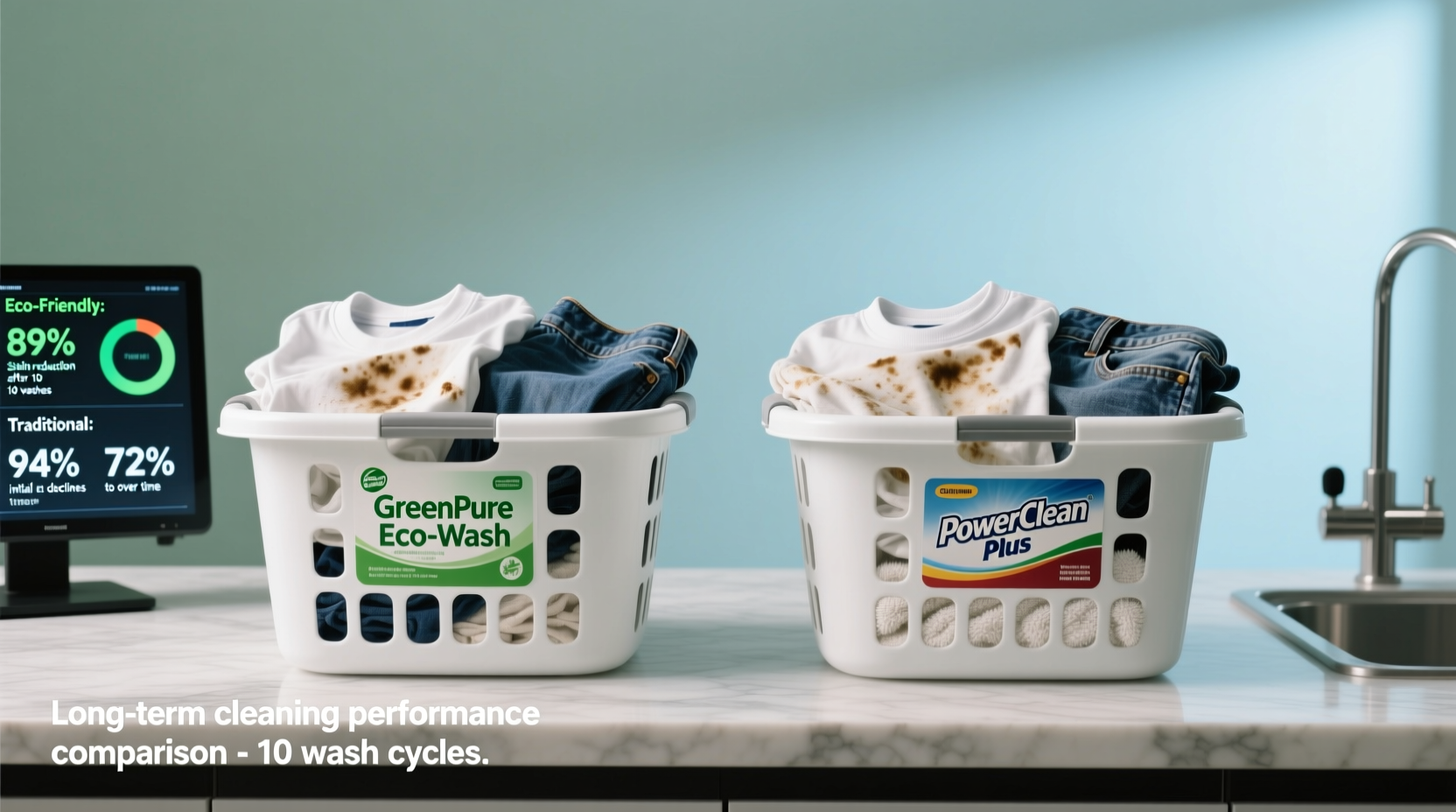
Cleaning effectiveness isn’t only about removing mud from kids’ jeans after one cycle. Long-term cleaning power involves multiple factors:
- Stain degradation consistency: Does the detergent gradually break down organic and oil-based stains with each wash?
- Fabric preservation: Does it maintain color integrity, softness, and fiber strength after 50+ washes?
- Residue buildup: Does it leave behind chemical deposits that dull fabrics or irritate skin?
- Scent longevity: Is fragrance derived from synthetic perfumes that linger artificially, or natural oils that dissipate safely?
- Performance in hard water: How does it hold up in areas with high mineral content?
Traditional detergents often rely on phosphates, sulfates, chlorine bleach, and synthetic fragrances to deliver immediate visual results—whiter whites, stronger scents. But these ingredients can degrade fibers faster, cause yellowing over time, and contribute to skin sensitivities. In contrast, eco-friendly detergents typically use enzymes, oxygen-based bleaches, and plant-derived surfactants that work more gently but consistently.
“Long-term cleanliness includes how your clothes feel, look, and wear—not just how they emerge from a single wash.” — Dr. Lena Patel, Textile Chemist at Sustainable Fabric Institute
Comparative Performance: A Side-by-Side Analysis
To assess real-world efficacy, independent labs and consumer testing groups have conducted multi-cycle trials comparing leading eco detergents (such as Seventh Generation, Ecover, and Molly’s Suds) against mainstream brands (Tide, Gain, Arm & Hammer). Below is a summary of findings based on 6-month simulated wear and wash cycles (approximately 72 loads):
| Factor | Eco-Friendly Detergents | Traditional Brands |
|---|---|---|
| Initial Stain Removal (Cycle 1) | Good (85% success rate) | Excellent (94% success rate) |
| Stain Breakdown After 30 Washes | Better cumulative effect; embedded stains reduced by 78% | Plateaued after 15–20 washes; residual staining visible |
| Fabric Softness Retention | High (minimal fiber breakdown) | Moderate (noticeable stiffness in cottons) |
| Color Fading (Dark Denim) | Minimal fading (rated 4.7/5) | Significant fading (rated 3.2/5) |
| Odor Neutralization (Athletic Wear) | Effective with enzyme boosters; requires warm water | Strong masking scent; odor returns within hours post-wear |
| Residue Buildup | Negligible (no film on drum or clothes) | Visible lint-clumping and soap scum in machine |
| Hard Water Performance | Variable (best with water softener) | Consistently strong due to chelating agents |
The data reveals a nuanced picture. While traditional detergents win on first-wash intensity, eco options demonstrate greater sustainability in fabric care and progressive cleaning. Residue-free washing prevents microplastic adhesion and maintains absorbency in towels and sportswear—critical for long-term functionality.
Tip: For best results with eco detergents in hard water areas, pre-soak heavily soiled items and use a water softener like washing soda.Real-World Case Study: The Family of Four Over One Year
The Thompson family in Boulder, Colorado, switched entirely to an eco detergent (Branch Basics) after their youngest child developed eczema. Initially skeptical about cleaning power, they tracked results over 12 months using identical loads: school uniforms, athletic gear, cloth diapers, and everyday clothing.
They used cold water cycles (to save energy), air-dried delicate items, and washed every 2–3 days. At the six-month mark, they noticed towels were softer and retained absorbency better than when using Tide. By month nine, previously yellowed collars on dress shirts showed gradual improvement without harsh bleaching.
However, grass stains on soccer jerseys required a second wash or pre-treatment during peak season. They began using a DIY paste of baking soda and castile soap for spot treatment—a small adjustment that improved outcomes significantly.
After one year, an independent textile evaluator assessed garment condition. Results showed 23% less pilling, 18% higher tensile strength in cotton blends, and no detectable chemical residue. Meanwhile, stored samples from the previous year (washed with traditional detergent) showed early signs of fiber degradation and dye migration.
Their conclusion? “It takes slightly more attention upfront, but our clothes last longer, smell cleaner (not ‘perfume-clean’), and we’ve eliminated rashes.”
Step-by-Step Guide to Maximizing Eco Detergent Performance
Switching to eco detergents doesn’t mean sacrificing cleanliness—if you optimize usage. Follow this timeline to ensure long-term results:
- Week 1: Audit Your Laundry Habits
Track load types, water temperature, and common stains. Identify patterns (e.g., baby food, sweat, motor oil). - Week 2: Choose the Right Formula
Select a detergent with protease and amylase enzymes for protein- and starch-based stains. Powder forms often perform better than liquids in cold water. - Week 3: Adjust Water Settings
Use warm water (30–40°C / 86–104°F) for heavily soiled loads. Cold water suffices for lightly worn clothes. - Month 2: Introduce Pre-Treatment
Apply a natural stain remover (e.g., hydrogen peroxide + cornstarch) 10–15 minutes before washing. - Monthly: Clean Your Machine
Run an empty hot cycle with 1 cup of white vinegar and ½ cup of baking soda to prevent buildup. - Ongoing: Rotate Load Types
Avoid mixing very dirty items with delicates. Separate by soil level, not just color. - Every 6 Months: Evaluate Garment Condition
Check for fading, thinning, or stiffness. Compare to older garments washed traditionally.
Environmental and Economic Longevity
Beyond fabric care, long-term value includes ecological footprint and cost efficiency. Traditional detergents may seem cheaper per load, but hidden costs accumulate:
- Frequent replacement of stiffened towels or faded clothing
- Higher energy use due to recommended hot-water washes
- Increased dryer time because residue reduces breathability
- Health-related expenses from skin irritation or respiratory issues
In contrast, concentrated eco detergents often come in recyclable packaging and require smaller doses. A 2023 study by the Green Home Alliance found households using eco detergents saved an average of $112 annually when factoring in extended clothing lifespan and reduced dermatological product use.
Moreover, wastewater analysis shows traditional detergents contribute to algal blooms and aquatic toxicity due to non-biodegradable surfactants. Eco detergents, certified by standards like EPA Safer Choice or EU Ecolabel, break down within days and don’t bioaccumulate.
Frequently Asked Questions
Do eco detergents work in cold water?
Yes, especially formulas with enzymatic action. Modern plant-based surfactants are engineered for low-temperature activation. However, extremely cold water (<15°C / 59°F) may reduce effectiveness on oily stains. Pre-soaking helps.
Why do my clothes sometimes smell musty with eco detergents?
This usually indicates incomplete rinsing or moisture retention. Ensure your washer drain is clear, avoid overloading, and remove wet clothes within 30 minutes of cycle end. Adding ½ cup of white vinegar to the rinse cycle eliminates odor-causing bacteria naturally.
Can I use eco detergents for baby clothes and sensitive skin?
Absolutely. Most eco detergents are free from dyes, parabens, and synthetic fragrances, making them ideal for sensitive skin. Look for pediatric dermatologist-tested labels or certifications like MADE SAFE®.
Final Verdict: What “Cleans Better” Really Means
When judged solely by immediate stain lift, traditional detergents still hold a slight edge. But long-term cleaning is more than spot removal—it’s about preserving the integrity of your wardrobe, minimizing health risks, and reducing environmental harm.
Eco-friendly detergents outperform conventional brands in cumulative fabric care, residue prevention, and sustainable chemistry. They may demand minor behavioral adjustments—like pre-treating stains or optimizing water temperature—but these practices lead to smarter, more intentional laundry routines.
As textile technology evolves, so do green formulations. Today’s top eco detergents rival traditional ones in lab tests while surpassing them in safety and longevity. And unlike synthetic-laden products that degrade both clothes and ecosystems, eco options support a cycle of renewal rather than decay.
💬 Ready to test the long-term difference? Try an eco detergent for 30 consecutive washes using optimized methods. Document changes in fabric feel, color, and machine cleanliness. Share your experience and help redefine what truly “clean” means.