
If you've stepped into the shower only to be greeted by a disappointing trickle instead of a strong, invigorating stream, you're not alone. Sudden drops in water pressure can turn what should be a refreshing start to the day into a frustrating experience. While it's easy to assume the problem lies with your municipal supply or an aging home, most causes are localized—and often fixable without calling a plumber immediately.
Low shower pressure doesn't always mean a major plumbing failure. It could stem from something as simple as a clogged showerhead or as complex as sediment buildup in your pipes. The key is knowing how to diagnose the root cause efficiently. This guide walks you through the most common culprits, how to test for them, and when it’s time to bring in a professional.
Common Causes of Sudden Low Water Pressure
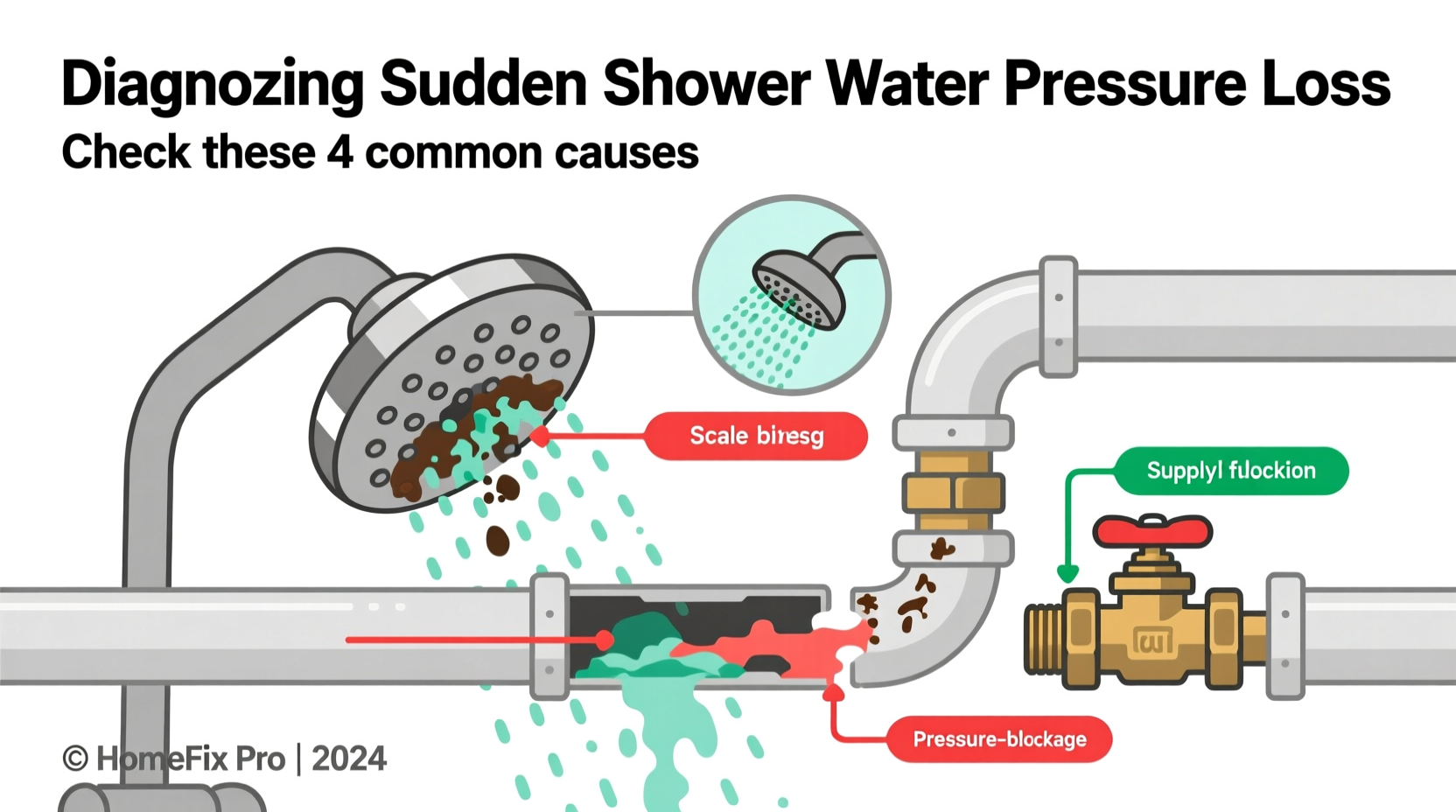
Sudden changes in water pressure typically point to blockages, mechanical failures, or recent plumbing work. Unlike gradual declines—which may indicate systemic pipe corrosion—sudden weakness suggests a specific event or component failure.
- Clogged showerhead: Mineral deposits from hard water accumulate over time, especially in aerators and nozzles.
- Partially closed shut-off valve: A main or branch line valve may have been bumped or improperly reopened after maintenance.
- Faulty pressure regulator: Homes with pressure-reducing valves (PRVs) can experience sudden drops if the regulator fails.
- Blocked pipes: Sediment, rust, or debris can dislodge and obstruct narrow pipe sections, particularly in older galvanized steel systems.
- Water heater issues: If only hot water pressure is low, the problem may lie in the heater or its outlet valve.
- New plumbing modifications: Recent repairs or installations might have introduced flow restrictors or incorrect fittings.
Before dismantling fixtures or calling a technician, perform a few basic checks to narrow down the source.
Tip: Always test both hot and cold water separately. If only one temperature is affected, the issue is likely isolated to that system.Step-by-Step Diagnosis Guide
Follow this logical sequence to identify what’s behind your weak shower pressure. Each step eliminates possibilities and brings you closer to a solution.
- Check other fixtures. Turn on sinks, tubs, and showers in different areas of the house. If low pressure is widespread, the issue is likely in the main supply line or pressure regulator. If only one shower is affected, focus there.
- Remove and clean the showerhead. Unscrew the showerhead and soak it in white vinegar for 30–60 minutes. Use an old toothbrush to scrub away mineral deposits. Reattach and test. Many cases resolve here.
- Inspect the shower arm. After removing the showerhead, check the threaded pipe (shower arm). Shine a flashlight inside—look for debris or scale buildup. Flush with vinegar or replace if corroded.
- Verify shut-off valves are fully open. Locate the main water shutoff and any local valves near the water heater or bathroom. Ensure handles are turned completely counterclockwise.
- Test pressure at the bathtub spout (if applicable). In a combo tub/shower, run water through the spout. Strong flow there but weak in the shower suggests a diverter valve issue.
- Check the water heater. If only hot water pressure is low, inspect the heater’s inlet and outlet valves. Also, consider flushing the tank to remove internal sediment.
- Look for signs of a failed pressure regulator. If your home has a PRV (a bell-shaped device near the main shutoff), listen for unusual noises or test downstream pressure with a gauge.
This process helps isolate whether the problem is localized, temperature-specific, or systemic.
Tips and Tools for Effective Troubleshooting
Having the right tools makes diagnosis faster and more accurate. You don’t need professional-grade equipment—most homeowners can manage with basics.
Tip: Wrap plumbing tape (Teflon tape) around showerhead threads when reinstalling to prevent leaks without over-tightening.- Vinegar and a plastic bag: For deep-cleaning showerheads, secure the bag filled with vinegar over the head and let it soak overnight.
- Adjustable wrench: Useful for removing stubborn showerheads or checking valve positions.
- Water pressure gauge: Screw one onto an outdoor spigot to measure incoming pressure. Ideal residential pressure is 40–80 psi.
- Flashlight and mirror: Help inspect tight spaces like behind shower controls or inside shower arms.
Avoid using chemical descalers unless absolutely necessary—they can damage metal finishes and seals. Vinegar is usually sufficient and safer.
When to Suspect Hidden Plumbing Issues
If basic cleaning and checks don’t restore pressure, deeper problems may exist. These aren’t always visible but can be inferred from patterns and history.
For example, homes with galvanized steel pipes (common in buildings constructed before the 1980s) are prone to internal corrosion. Over decades, rust and mineral deposits reduce pipe diameter significantly. A sudden drop could mean a chunk of scale broke loose and lodged in a bend or fixture.
Another red flag is recent plumbing work. A contractor might have installed a smaller-diameter pipe, added a backflow preventer incorrectly, or left a valve partially closed. Even replacing a water heater can introduce flow restrictions if new flex connectors are kinked or undersized.
“Many sudden pressure drops we see are due to installation errors or overlooked valves. A five-minute inspection saves hours of guesswork.” — Mark Reynolds, Master Plumber & Licensed Contractor
In multi-unit buildings or homes with shared lines, confirm whether neighbors are experiencing similar issues. A city-wide pressure drop is rare but possible during mainline repairs or firefighting activity.
Do’s and Don’ts: What to Avoid During Diagnosis
| Do | Don’t |
|---|---|
| Start with the simplest fixes—clean the showerhead first. | Immediately assume the worst (e.g., repiping). |
| Turn off water before removing fixtures. | Use excessive force when loosening connections. |
| Test pressure at multiple fixtures. | Ignore single-fixture vs. whole-house patterns. |
| Use vinegar for mineral removal. | Pour harsh chemicals into plumbing without protection. |
| Document findings as you go. | Reassemble parts without checking for debris. |
Following these guidelines prevents unnecessary damage and keeps troubleshooting efficient.
Mini Case Study: The Mystery of the One-Day Drop
Sarah in Denver woke up to weak shower pressure in her master bathroom. The kitchen sink and guest shower had normal flow. She noticed the change happened overnight—nothing had been repaired recently.
She started by removing the showerhead and found heavy lime buildup. After soaking it in vinegar, flow improved slightly but still felt weak. Next, she checked the shower arm and discovered a small piece of rubber—a remnant from an old washer—that had broken loose and was blocking the opening.
After clearing it, pressure returned to normal. The culprit? A deteriorating washer in the shower valve that finally gave way, sending debris into the line. A $5 replacement part and 20 minutes of effort solved the issue.
This case highlights how sudden blockages—even from tiny components—can dramatically affect flow. It also shows the importance of checking beyond the obvious (the showerhead) when partial improvement occurs.
Checklist: Restore Your Shower Pressure in 10 Steps
Use this checklist to methodically address weak shower pressure:
- ✅ Test water pressure at other fixtures in the home.
- ✅ Determine if the issue affects hot water, cold water, or both.
- ✅ Remove the showerhead and inspect for clogs.
- ✅ Soak the showerhead in white vinegar for 30+ minutes.
- ✅ Clean the shower arm with a brush or flush with vinegar.
- ✅ Check that the main water shut-off and local valves are fully open.
- ✅ Inspect the tub spout diverter (if applicable) for proper function.
- ✅ Flush the water heater if hot water pressure is low.
- ✅ Measure incoming water pressure using a gauge on an outdoor faucet.
- ✅ Call a licensed plumber if no cause is found or pressure remains low.
Completing each item ensures you don’t overlook a simple fix while avoiding premature service calls.
Frequently Asked Questions
Why is my shower pressure weak but my sink is fine?
This usually means the issue is isolated to the shower itself. Most commonly, the showerhead is clogged or the diverter valve (which redirects water from tub spout to showerhead) is malfunctioning. It could also indicate a blockage in the shower arm or valve cartridge.
Can a water softener cause low pressure?
Not directly—but if your softener is malfunctioning or set to regenerate at the wrong time, it can temporarily reduce flow. Also, resin beads from a broken softener tank can enter pipes and clog aerators. If you have a softener, bypass it temporarily to test pressure.
How do I know if my pressure regulator is failing?
Symptoms include sudden low pressure throughout the house, banging pipes (water hammer), or inconsistent flow. A working pressure regulator maintains steady pressure regardless of municipal fluctuations. If outdoor spigot pressure reads below 40 psi or above 80 psi, the regulator may need adjustment or replacement.
Conclusion: Take Action Before the Problem Spreads
Sudden weak shower pressure is more than an inconvenience—it’s a signal. Whether it’s a minor clog or a sign of aging plumbing, addressing it early prevents further damage and costly repairs. Most solutions require minimal tools and under an hour of your time. By following a structured approach, you gain control over your home’s performance and avoid unnecessary service fees.
Start today: remove that showerhead, give it a vinegar bath, and see what comes out. You might be surprised how much difference a simple fix can make. And if the problem persists, you’ll have valuable information to share with a plumber—saving time and money.
💬 Experiencing low pressure? Share your story or solution in the comments—your insight could help someone else restore their perfect shower.








