Cinnamon is more than a pantry staple—it’s a bridge between ancient forests and modern kitchens, linking ecological systems with global cuisine. Found in everything from morning oatmeal to Moroccan tagines, its warm, sweet-spicy aroma defines comfort across cultures. Yet few understand where it truly begins: not in jars, but in the peeling bark of tropical evergreen trees growing in Sri Lanka, Indonesia, India, and Madagascar. Understanding cinnamon’s origin, varieties, and proper use transforms how home cooks and professionals harness its power. This article traces cinnamon’s full arc—from forest harvest to culinary application—offering practical insights into selection, usage, preservation, and substitution grounded in botanical and gastronomic science.
Definition & Overview
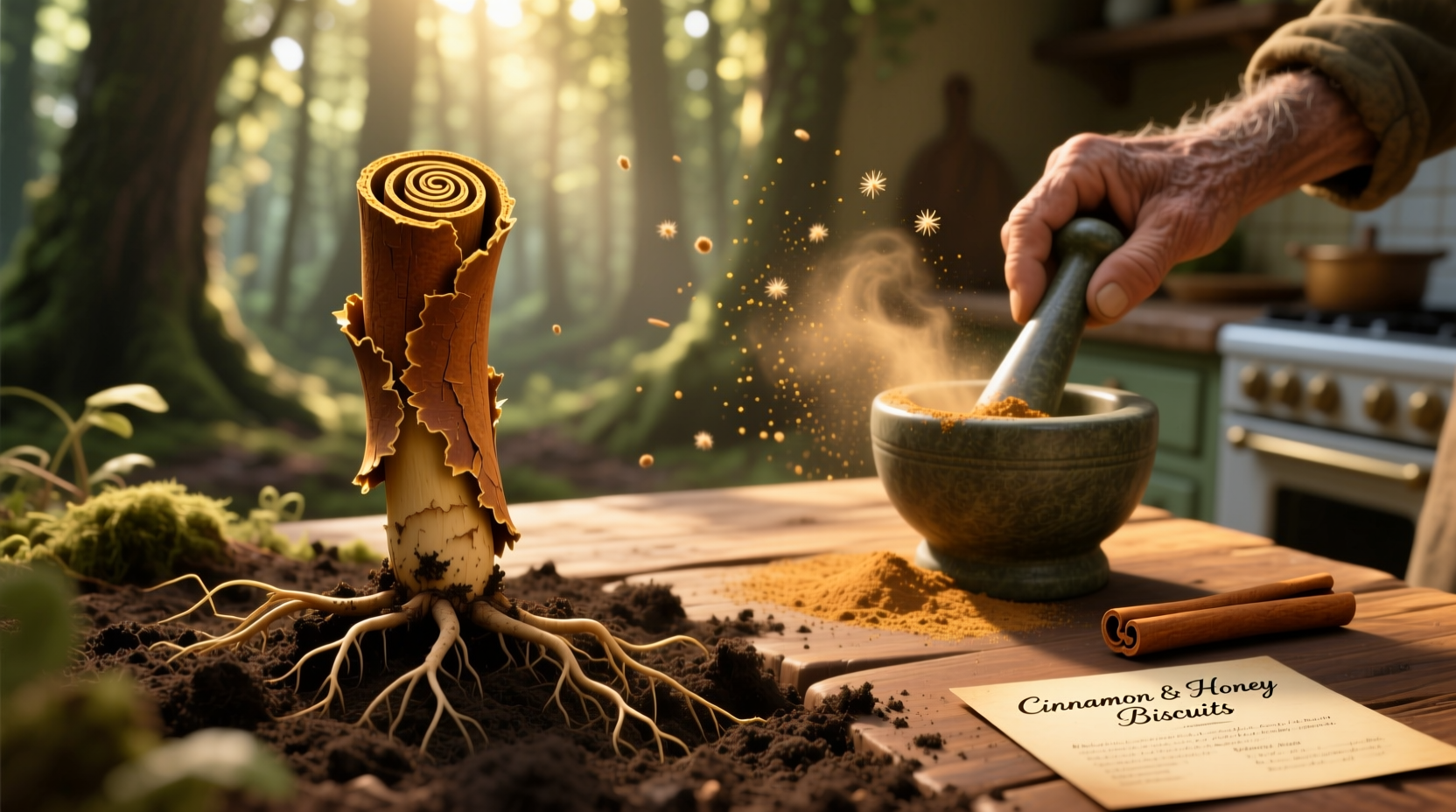
Cinnamon is a spice derived from the inner bark of several tree species from the genus Cinnamomum, part of the laurel family (Lauraceae). When harvested, the bark curls into quills as it dries, forming the familiar \"cinnamon sticks\" or ground into powder. The volatile oil cinnamaldehyde gives cinnamon its signature warmth, slight heat, and sweet complexity. Historically prized as highly as gold, cinnamon was traded along ancient spice routes from South and Southeast Asia to the Middle East and Europe. Today, it remains one of the most widely used spices globally, valued both for flavor and potential health properties linked to antioxidant and anti-inflammatory compounds.
The term “cinnamon” often refers generically to any fragrant bark used in cooking, but botanically and culinarily, there are distinct types—each with unique chemical profiles, intensity, and regional applications. Recognizing these differences allows for precise seasoning, avoiding bitterness or imbalance in dishes.
Key Characteristics
| Attribute | Description |
|---|---|
| Flavor Profile | Warm, sweet, mildly spicy with floral and woody undertones; can have citrusy or balsamic notes depending on variety. |
| Aroma | Intensely aromatic due to cinnamaldehyde; fresh cinnamon has a bright, penetrating scent that diminishes over time. |
| Color | Ranges from light tan (Ceylon) to deep reddish-brown (Cassia); ground forms vary accordingly. |
| Form | Available as whole quills (sticks), broken pieces, or finely ground powder. |
| Heat Level | Low pungency; perceived warmth comes from aromatic stimulation rather than capsaicin-like burn. |
| Culinary Function | Flavor enhancer, natural preservative, colorant, and balancing agent in sweet and savory contexts. |
| Shelf Life | Ground: 6–12 months; whole sticks: up to 3–4 years when stored properly. |
Variants & Types
Not all cinnamon is created equal. Four primary types dominate global markets, each suited to different culinary purposes:
1. Ceylon Cinnamon (Cinnamomum verum)
Known as “true cinnamon,” this delicate variety originates in Sri Lanka. It features multiple thin, papery layers rolled into soft, hollow quills. With lower cinnamaldehyde and coumarin content, it offers a subtler, sweeter taste with citrus hints. Ideal for desserts, custards, and beverages where finesse matters. Preferred in European and Latin American baking.
2. Indonesian Cassia (Cinnamomum burmannii)
The most common commercial cinnamon, especially in North America. Thick, hard single-layer quills with high oil content deliver robust, slightly bitter heat. Often labeled simply as “cinnamon.” Best in hearty applications like spiced meats, mulled wine, or baked goods requiring strong presence.
3. Chinese Cassia (Cinnamomum cassia)
Darker, coarser, and more pungent than Indonesian. Common in traditional Chinese medicine and five-spice blends. Its intense flavor suits braises, stews, and pickling brines.
4. Saigon Cinnamon (Cinnamomum loureiroi)
Grown in Vietnam, this is the most aromatic and cinnamaldehyde-rich type—up to 5% by weight. Intensely sweet and fiery, it excels in snickerdoodles, chai, and spice rubs. Due to higher coumarin levels, moderation is advised for daily consumption.
Tip: For precision, label your cinnamon type. Use Ceylon for delicate pastries and infant foods; reserve Cassia for bold recipes needing punch. Always taste before using—older stock loses volatility and may taste musty.
Comparison with Similar Ingredients
Cinnamon is frequently confused with other warming spices. Key distinctions clarify proper use:
| Spice | How It Differs from Cinnamon | Best Used In |
|---|---|---|
| Nutmeg | Seed-based, nuttier, less sweet; no bark-derived warmth. More earthy and hallucinogenic in excess. | Custards, béchamel, potato gratin |
| Allspice | Single berry mimicking a blend of cinnamon, clove, nutmeg. Sharper, more peppery finish. | Jamaican jerk, pickling, pumpkin pie |
| Clove | Higher eugenol content; intensely medicinal if overused. Strong anesthetic effect. | Ham glazes, speculaas, mulled cider |
| Tonka Bean | Natural coumarin source—similar vanilla-cinnamon profile but banned in U.S. due to toxicity concerns. | French pastry (outside U.S.) |
“Many bakers unknowingly overpower their cakes because they’re using Saigon instead of Ceylon. One teaspoon of Vietnamese cinnamon equals nearly two of Sri Lankan in aromatic impact.” — Chef Elena Ruiz, Pastry Director, Boreal Institute
Practical Usage: How to Use Cinnamon Effectively
Cinnamon functions differently depending on form, timing, and pairing. Mastery lies in technique—not just quantity.
Using Whole Sticks
Whole quills infuse slowly, ideal for liquids and slow-cooked dishes. Add early in simmering broths, poaching syrups, or rice puddings. Remove before serving unless powdered. A single stick flavors one liter of liquid effectively. Reuse once if dried thoroughly—though potency drops sharply.
Ground Cinnamon
Use in dry rubs, batters, doughs, and spice mixes. Bloom in warm fat (butter, ghee, oil) for 30 seconds before adding liquids to amplify aroma. Avoid boiling ground cinnamon directly in water—it can turn bitter and grainy.
Sweet Applications
- Pies & Tarts: Combine 1 tsp Ceylon with nutmeg and lemon zest for balanced apple filling.
- Baked Goods: In muffins or coffee cake, fold in ½ tsp per cup of flour to prevent clumping.
- Hot Drinks: Stir a small piece of stick into chai or hot chocolate; whisk ground sparingly to avoid sediment.
Savory Applications
- In Moroccan tagine, add one Cassia quill with onions during sautéing to build base flavor.
- For Persian rice (sholezard), toast 2 Ceylon sticks in butter before adding saffron-infused water.
- Blend into dry rubs for lamb or duck: pair with coriander, black pepper, and cardamom at 1:1:1:0.5 ratio.
Pairing Principles
Cinnamon harmonizes with ingredients that mirror or contrast its profile:
- Fruit: Apples, pears, peaches, dates, figs, oranges
- Dairy: Milk, cream, yogurt, mascarpone
- Spices: Clove, nutmeg, ginger, star anise, cardamom
- Proteins: Lamb, duck, pork shoulder, chickpeas, lentils
- Liquids: Red wine, apple cider, coconut milk, tea
Actionable Tip: Create a master spice blend: mix 2 parts Ceylon cinnamon, 1 part ground nutmeg, 0.5 part ground cloves. Store in amber jar away from light. Use within 6 months. Perfect for holiday baking or spiced compotes.
Harvesting & Production: From Tree to Table
Cinnamon begins in tropical forests where Cinnamomum trees grow 10–15 meters tall. Harvest occurs during rainy seasons when bark separates easily. Farmers cut 2-year-old shoots close to the base, then peel off outer bark to reveal the fragrant inner layer. Skilled workers scrape and roll this layer into concentric quills using bamboo or metal rods. These dry in shaded ventilated rooms for 4–7 days, hardening into recognizable sticks.
After sorting by length and thickness, quills are packaged whole or crushed. Ground cinnamon is milled under controlled humidity to preserve volatile oils. Industrial processing may include irradiation or fumigation for microbial control—opt for organic-certified sources to avoid such treatments.
This labor-intensive process explains why high-quality Ceylon commands premium prices. Mechanization remains limited; much of the world’s supply relies on smallholder farmers in Sri Lanka and Indonesia, making ethical sourcing critical.
Storage & Shelf Life Guidelines
Improper storage degrades cinnamon rapidly. Light, heat, moisture, and oxygen break down cinnamaldehyde, dulling flavor.
Best Practices:
- Store in airtight glass or metal containers, not plastic (which absorbs oils).
- Keep in a cool, dark cupboard—never above the stove or near dishwasher vents.
- Buy whole sticks whenever possible; grind only what you need using a dedicated spice grinder.
- Label containers with purchase date. Ground cinnamon fades after 6 months; sticks last up to four years.
Testing Freshness:
Rub a pinch between fingers—if little aroma emerges, it’s stale. Alternatively, place a small piece in warm milk; if no fragrance blooms within minutes, replace it.
Substitutions & Workarounds
Running out of cinnamon? Consider context before replacing:
- Allspice (1:1): Close approximation in pies and stews, though more complex.
- Pumpkin Pie Spice (1:1): Contains pre-mixed cinnamon; check label for balance.
- Apple Pie Spice (1:1): Typically cinnamon-heavy, safe substitute.
- Cardamom + Nutmeg (0.5 + 0.25 tsp per tsp cinnamon): For depth without sweetness.
Avoid substituting pure clove or nutmeg alone—they dominate quickly. Never use synthetic “artificial cinnamon” (often made with coumarin or methoxycinnamate); these lack nuance and pose health risks.
Health Considerations & Safety
Cinnamon contains bioactive compounds studied for blood sugar modulation and antimicrobial effects. However, key cautions apply:
- Coumarin Content: Cassia types contain high levels (up to 12,000 mg/kg), which may stress the liver with chronic intake. Ceylon has less than 500 mg/kg—safer for daily use.
- Diabetes Claims: Some studies show modest glucose-lowering effects, but cinnamon is not a treatment. Consult physicians before therapeutic use.
- Allergies: Rare, but contact dermatitis and respiratory irritation reported in sensitive individuals.
- Infant Foods: Use only trace amounts of Ceylon cinnamon in baby food; avoid Cassia entirely.
Practical Tips & FAQs
Q1: Is “Mexican cinnamon” different?
A1: Yes—Mexican cinnamon typically refers to Ceylon, prized for its solubility in beverages like champurrado and atole. It dissolves more completely than Cassia, yielding smoother texture.
Q2: Can I grow my own cinnamon tree?
A2: Possible in USDA zones 9–11 or as indoor potted plant. Cinnamomum verum grows slowly; harvesting takes 2+ years. Requires high humidity and indirect sunlight.
Q3: Why does my cinnamon taste bitter?
A3: Likely cause: old or overheated spice. Boiling ground cinnamon causes tannins to leach out, creating astringency. Always bloom in fat, not water, and use fresh stock.
Q4: What’s the best way to grind cinnamon sticks?
A4: Use a clean coffee grinder reserved for spices. Pulse in short bursts to avoid overheating. Sift afterward to remove fibrous bits. Grind only what you’ll use in 1–2 weeks.
Q5: Is organic cinnamon worth it?
A5: Yes—especially for Cassia. Non-organic versions may be irradiated or contaminated with pesticides. Organic certification ensures cleaner processing and supports sustainable farming.
Summary & Key Takeaways
Cinnamon’s journey from forest bark to kitchen essential reflects centuries of trade, tradition, and sensory delight. Understanding its types—particularly the difference between delicate Ceylon and potent Cassia—empowers better cooking. Whole sticks preserve flavor longer and infuse evenly; ground form demands careful handling to avoid bitterness. Proper storage extends usability, while informed substitutions maintain recipe integrity.
Professionals and home cooks alike benefit from treating cinnamon not as a background note, but as a dynamic ingredient with terroir, chemistry, and cultural significance. Whether crafting a delicate crème brûlée or a rich biryani, choosing the right type and applying it with intention elevates the dish.
Final Thought: Keep two varieties on hand—one bottle of Ceylon for finesse, one of Indonesian Cassia for strength. Label them clearly. Your palate—and your recipes—will notice the difference.