
Inflatable Christmas decorations have become a holiday staple for many households. Their vibrant colors, whimsical designs, and ease of setup make them an appealing alternative to traditional light displays. But as their popularity grows, so do concerns about their performance in extreme winter conditions. With strong gusts, blizzards, and heavy snowfall common in many regions during the holiday season, homeowners are asking: Are these festive inflatables truly safe when exposed to high winds and heavy snow?
The short answer is: They can be—but only if properly selected, installed, and maintained. Like any outdoor decor, inflatables come with risks when subjected to severe weather. However, understanding the factors that affect their durability and stability allows you to enjoy the cheer without compromising safety.
Understanding How Inflatables Work
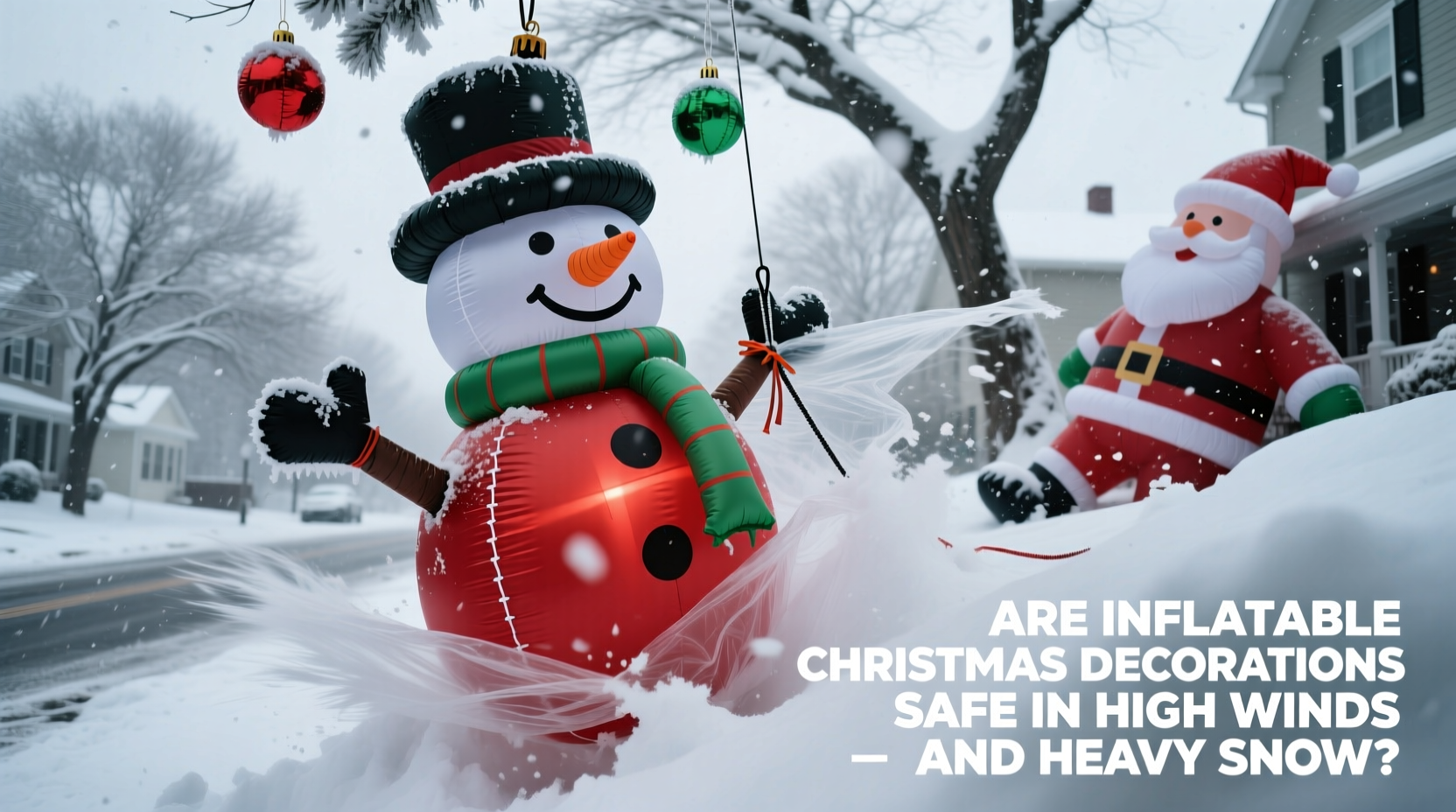
Inflatable decorations operate using an internal fan system that continuously pumps air into a sealed fabric shell. This keeps the structure firm and upright throughout display time. Most models are made from durable polyester or nylon blends coated with PVC or polyurethane to resist moisture and UV degradation. While this construction offers some protection against the elements, it doesn’t automatically guarantee resilience under storm-force winds or snow accumulation.
The continuous airflow helps maintain shape but also creates a sail-like effect—especially in larger models such as Santa figures, reindeer, or giant snowmen. When wind hits the broad surface area, it exerts significant pressure, increasing the risk of tipping, tearing, or becoming airborne.
“Many consumers assume inflatables are ‘weatherproof’ just because they’re used outdoors. The reality is that most are designed for moderate conditions, not sustained exposure to gale-force winds or wet snow loads.” — Dr. Alan Reeves, Structural Materials Engineer at Midwest Weather Labs
Key Risks in High Winds and Heavy Snow
Two primary environmental threats challenge inflatable decorations: wind uplift and snow load. Each introduces unique mechanical stresses that can lead to damage—or worse, hazards.
Wind Uplift and Tipping Hazards
Strong winds generate lift and lateral force on inflatables, particularly those over 6 feet tall. Gusts exceeding 25 mph can destabilize poorly anchored units. Once lifted, even momentarily, the decoration may collapse unevenly, causing tears in seams or ripping the base apart. In extreme cases, lightweight inflatables have been reported to travel hundreds of feet downwind after breaking free—posing dangers to vehicles, power lines, and property.
Snow Accumulation and Structural Stress
Heavy, wet snow adheres easily to the top surfaces of inflatables. Unlike rigid structures that shed snow naturally, soft-sided inflatables often trap snow, adding substantial weight. A single foot of wet snow can add up to 20–30 pounds per square foot. Over time, this compressive load strains stitching, distorts shape, and may cause permanent deformation or rupture.
Tip: Check your inflatable daily during active snowfall. Light brushing with a soft broom prevents dangerous buildup.Choosing Weather-Resistant Inflatable Decorations
Not all inflatables are created equal. Manufacturers vary widely in material quality, seam reinforcement, and overall engineering. To maximize safety, prioritize models built for durability and stability.
Look for the following features when shopping:
- Reinforced stitching – Double or triple-stitched seams resist tearing under tension.
- Wind vents – Strategically placed openings reduce internal pressure and minimize sail effect.
- Weighted bases or sandbag pockets – Integrated design elements help lower center of gravity.
- UV and water-resistant coating – Protects against sun fading and moisture absorption.
- Low-profile designs – Shorter, wider shapes (e.g., snow globes, candy canes) are less prone to tipping than tall figures.
Premium brands often include weather-testing certifications or recommend maximum wind tolerances (typically 20–30 mph). Always read product specifications carefully before purchase.
Best Practices for Securing Inflatables Outdoors
No matter how well-built your inflatable is, proper installation is essential. Even mid-range models can withstand winter storms when correctly anchored and monitored.
Step-by-Step Guide to Secure Installation
- Select a sheltered location – Place the inflatable near a wall, hedge, or fence to block prevailing winds.
- Clear the ground surface – Remove ice, debris, or loose gravel to ensure stable footing.
- Use ground stakes or augers – Drive heavy-duty metal stakes through reinforced anchor points at multiple corners. For hard surfaces, use weighted bases or cinder blocks attached via nylon straps.
- Add guy lines (tension ropes) – Attach adjustable cords from upper sections to stakes driven at a 45-degree angle away from the unit. This prevents forward/backward sway.
- Elevate slightly if possible – Position on a small platform or pallet to avoid pooling water and ice underneath.
- Test stability – Gently push the unit to simulate wind force. If it wobbles excessively, reinforce anchoring.
| Do’s | Don’ts |
| Use manufacturer-recommended anchors | Depend solely on included plastic pegs |
| Monitor local weather forecasts regularly | Leave inflatables up during predicted storms |
| Turn off during high winds or ice storms | Run fans in freezing rain (risk of ice damming) |
| Clean and dry before storage | Store while damp (invites mold and mildew) |
| Inspect for wear before each use | Ignore small tears—they worsen quickly |
Real-World Example: When Things Go Wrong
In December 2022, a suburban neighborhood in Buffalo, New York experienced a sudden lake-effect snowstorm accompanied by 40 mph winds. One homeowner had set up a 9-foot inflatable Grinch on his front lawn using only the basic plastic stakes provided in the box. By morning, the unit had partially deflated, collapsed onto the sidewalk, and accumulated nearly two feet of snow.
During cleanup, a neighbor slipped on the icy tarpaulin-like surface, resulting in a minor injury. The homeowner later admitted he hadn’t checked weather conditions the night before and assumed “it was just a decoration.” The incident prompted the local fire department to issue a public advisory reminding residents to treat large inflatables as temporary structures requiring maintenance and oversight.
This case illustrates how neglecting simple precautions can turn festive decor into liability.
Maintenance and Monitoring During Holiday Display
Safety doesn’t end after setup. Ongoing care ensures longevity and minimizes risks throughout the season.
Daily Inspection Checklist
Checklist:- ✅ Is the unit standing upright without sagging?
- ✅ Are all guy lines taut and stakes secure?
- ✅ Has snow or ice accumulated on top?
- ✅ Is the fan running smoothly? Any unusual noise?
- ✅ Are electrical cords intact and elevated off wet ground?
- ✅ Are nearby walkways clear of tripping hazards?
If any item fails inspection, take immediate corrective action. Consider installing a smart outlet that allows remote shutoff via smartphone during unexpected storms. Many modern inflatables draw between 100–200 watts—equivalent to a bright lamp—but leaving them powered during hazardous weather increases both energy waste and danger.
Also, avoid running inflatables during freezing rain events. Water can seep into seams, freeze inside the chamber, and create internal ice dams that strain motors and weaken fabric.
When to Take Them Down
Knowing when to remove your inflatable is as important as knowing how to install it. Continuous exposure—even to mild winter conditions—reduces lifespan and increases failure risk over time.
Recommended removal triggers include:
- Sustained winds above 25 mph
- Heavy snowfall (more than 3 inches expected)
- Freezing rain or sleet warnings
- Visible signs of wear: fraying, bulging, or persistent leaning
- End of holiday period (ideally within a week after New Year’s)
Storing early beats repairing—or replacing—damaged units later.
Frequently Asked Questions
Can I leave my inflatable up all winter?
It’s not recommended. Most manufacturers design inflatables for seasonal use (4–8 weeks). Prolonged exposure to UV rays, temperature swings, and moisture degrades materials faster. Extended use voids warranties and increases safety risks.
What should I do if my inflatable gets damaged by wind?
First, disconnect power and assess the damage. Small punctures (under 2 inches) can often be repaired with a patch kit designed for vinyl or PVC. Larger rips, seam splits, or motor issues usually require professional repair or replacement. Never attempt to operate a visibly compromised unit.
Are there city regulations about outdoor inflatables?
Some municipalities impose rules on size, placement, and operating hours—especially in historic districts or areas with strict zoning codes. Check with your local building or safety department. Homeowners associations (HOAs) may also have guidelines limiting decorative displays.
Final Thoughts: Balancing Festivity and Responsibility
Inflatable Christmas decorations bring joy, nostalgia, and visual impact to holiday celebrations. They’re accessible, fun, and increasingly sophisticated in design. But like any outdoor equipment, they demand respect for environmental forces and responsible handling.
Safety begins with informed choices: selecting durable models, anchoring them securely, monitoring weather changes, and being willing to take them down when conditions turn hostile. With thoughtful preparation, you can enjoy your festive display without endangering people, pets, or property.
Remember, the goal isn’t just to impress the neighbors—it’s to celebrate safely and sustainably, year after year.
💬 Have a story about your inflatable surviving (or failing) a winter storm? Share your experience in the comments below—your insight could help others prepare better next season!








