Nail biting, or onychophagia, affects up to 30% of the general population—children, teens, and adults alike. While often dismissed as a harmless nervous habit, chronic nail biting can lead to dental issues, infections, damaged cuticles, and even permanent nail deformities. More than just a cosmetic concern, it's frequently rooted in stress, anxiety, or subconscious routines. The good news: with consistent effort and the right combination of behavioral and physical interventions, this habit can be broken. This guide outlines practical, science-backed methods to help you stop biting your nails for good.
Understanding Why We Bite Our Nails
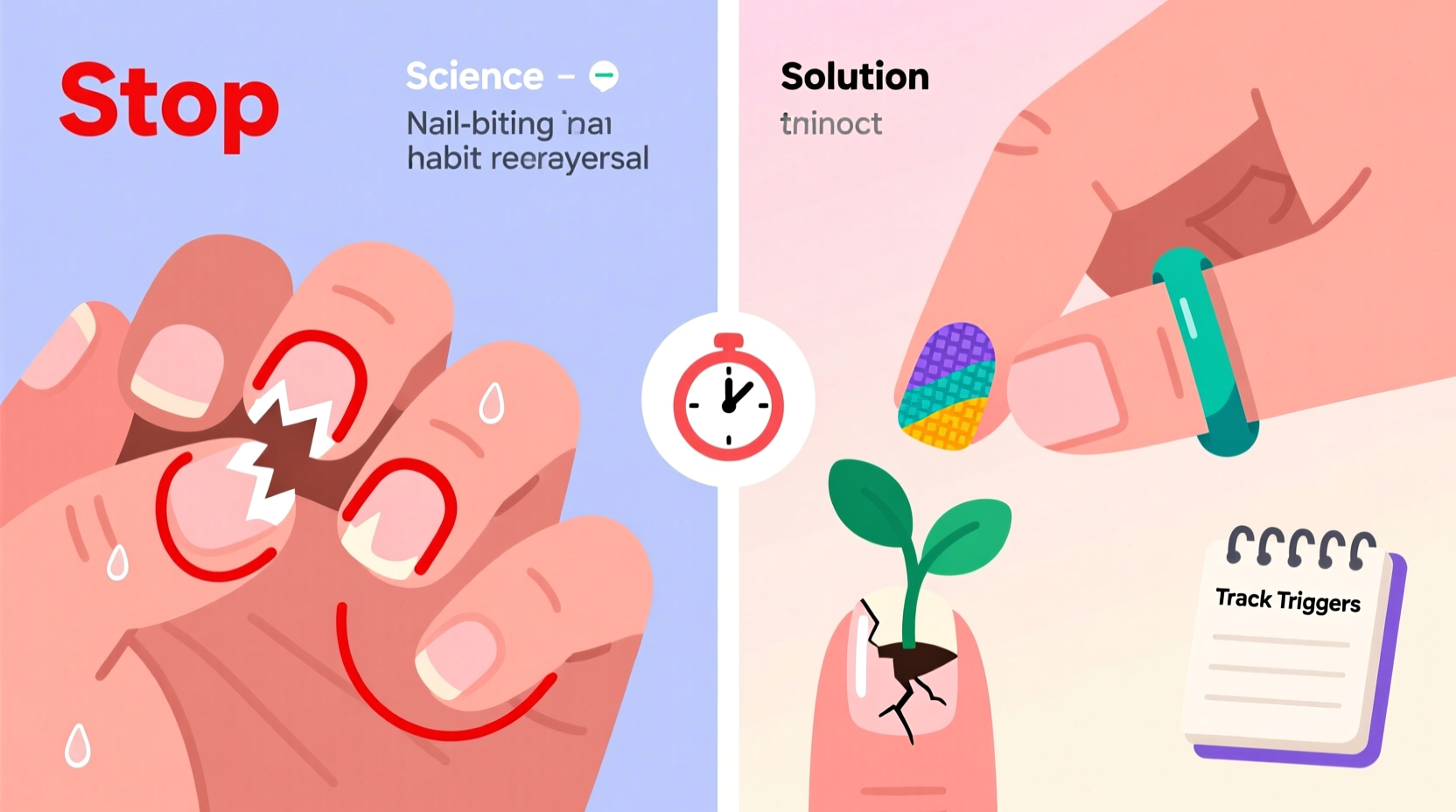
Nail biting rarely exists in isolation. It's typically a response to emotional or environmental triggers. For many, it begins in childhood as a self-soothing mechanism during periods of stress, boredom, or concentration. Over time, it becomes automatic—a behavior performed without conscious thought. Research from the Journal of Behavior Therapy and Experimental Psychiatry suggests that nail biting is closely linked to perfectionism and difficulty coping with frustration.
The act itself provides temporary relief. Biting stimulates the release of dopamine, creating a fleeting sense of satisfaction. However, this short-term reward reinforces the cycle, making it harder to quit. Recognizing the underlying causes—whether anxiety, habit loops, or sensory cravings—is the first step toward lasting change.
“Habit reversal training shows high success rates because it addresses both the behavior and its psychological roots.” — Dr. Laura Simmons, Clinical Psychologist Specializing in OCD and Habit Disorders
Behavioral Strategies to Break the Cycle
Changing a deeply ingrained habit requires more than willpower. Effective behavioral techniques focus on awareness, replacement, and reinforcement. These approaches are supported by cognitive-behavioral therapy (CBT) principles and have been proven effective in clinical settings.
Awareness Training
Most nail biting occurs unconsciously. To disrupt the pattern, start by increasing self-awareness. Carry a small notebook or use a habit-tracking app to log each instance. Note the time, location, emotional state, and what you were doing before the urge arose. After a week, patterns often emerge—such as biting while reading, watching TV, or feeling anxious at work.
Tip: Place sticky notes in common trigger zones (like your desk or bathroom mirror) with reminders like “Hands down” or “Breathe instead.”Habit Reversal Training (HRT)
HRT is one of the most effective evidence-based treatments for body-focused repetitive behaviors like nail biting. It consists of three steps:
- Awareness: Identify the exact movements involved in biting (e.g., bringing hand to mouth, using teeth on cuticle).
- Competing Response: Replace the biting motion with an incompatible action, such as clenching fists, gripping a stress ball, or interlacing fingers.
- Reinforcement: Reward yourself for successfully using the competing response.
For example, if you notice your hand moving toward your mouth, immediately press your palms together firmly for 30 seconds. This interrupts the impulse and redirects energy.
Mindfulness and Stress Management
Since stress is a major trigger, integrating mindfulness practices can reduce the frequency of urges. Techniques like diaphragmatic breathing, progressive muscle relaxation, or brief meditation sessions help regulate the nervous system. Even two minutes of focused breathing when the urge strikes can create enough pause to choose a different response.
Try this: When you feel the impulse, pause and ask, “Am I stressed? Bored? Tired?” Naming the emotion reduces its power and creates space for intentional action.
Physical Barriers and Substitutions
While behavioral changes address the mind, physical strategies protect the body and reinforce new habits. These tactics make nail biting inconvenient, uncomfortable, or impossible—giving your nails time to heal and your brain time to rewire.
Bitter-Tasting Nail Polish
One of the most widely used tools is bitter-tasting nail coating. Products like Mavala Stop or Thumbs Up contain denatonium benzoate, the most bitter substance known to humans. Applied daily, they condition the brain to associate nail biting with unpleasant taste.
Consistency is key. Reapply after handwashing and continue use for at least four weeks, even if you haven’t bitten. This helps extinguish the habit loop.
Wearing Gloves or Finger Covers
Physical barriers prevent access. Cotton gloves, fingertip guards, or even adhesive bandages can block contact between teeth and nails. These are especially useful at night or during high-risk activities like studying or working on a computer.
Choose breathable materials to avoid irritation. Some people find finger sleeves made of silicone or fabric offer discretion and comfort during the day.
Keeping Nails Trimmed and Groomed
Long nails provide more surface area to bite. Keeping them short removes temptation and reduces the satisfaction of tearing at hangnails. Use clippers or files regularly, and smooth rough edges to prevent picking.
Grooming also shifts focus from destruction to care. Applying cuticle oil or hand cream turns attention toward nurturing rather than damaging.
| Strategy | How It Works | Best For |
|---|---|---|
| Bitter nail polish | Creates negative reinforcement via taste | Automatic biters, daytime triggers |
| Finger covers | Physically blocks access | Nocturnal biting, focused tasks |
| Stress balls | Provides oral/sensory substitute | Anxiety-driven biting |
| Manicures | Increases accountability and pride | Motivation boost, visual progress |
Step-by-Step Guide to Quitting Nail Biting
Breaking the habit takes time and consistency. Follow this six-week plan to build momentum and establish lasting change.
- Week 1: Track and Observe
Record every biting episode. Identify top triggers (emotions, times, locations). Begin mindfulness practice with 3 daily breathing exercises. - Week 2: Introduce a Competing Response
Choose a substitute behavior (e.g., squeezing a stress ball). Practice it whenever you notice the urge. Apply bitter polish to all nails. - Week 3: Add Physical Barriers
Wear fingertip covers at night or during high-risk tasks. Keep nails trimmed short and filed smooth. - Week 4: Reinforce Progress
Set a small reward for seven consecutive days without biting (e.g., favorite treat, new book). Take a photo of your nails to document healing. - Week 5: Expand Awareness
Teach a friend or family member about your goal. Ask them to gently remind you if they see hand-to-mouth movement. - Week 6: Maintain and Reflect
Reduce reliance on barriers. Focus on preventing relapse. Journal about how your confidence or hand appearance has improved.
Real-Life Example: Maria’s Journey to Healthy Nails
Maria, a 28-year-old graphic designer, had bitten her nails since age 10. Her job involved long hours at the computer, and she noticed biting spiked during tight deadlines. After developing a painful paronychia infection, she decided to take action.
She started by tracking her behavior and discovered 80% of biting occurred while editing designs. She applied bitter polish and kept a soft foam stress ball on her desk. Whenever she reached for her mouth, she squeezed the ball instead. At night, she wore cotton gloves.
By week four, her nails began to grow out. She treated herself to a professional manicure—a milestone that boosted her motivation. Six months later, Maria no longer bites her nails. “It wasn’t one trick that worked,” she said. “It was combining awareness, barriers, and being kind to myself when I slipped up.”
Common Mistakes That Sabotage Success
Many people attempt to quit but fall back into old patterns due to avoidable pitfalls. Recognizing these traps increases your chances of long-term success.
- Trying to quit cold turkey: Without replacement behaviors, urges often win. Gradual substitution works better.
- Ignoring emotional triggers: If stress or anxiety drives the habit, addressing only the physical act won’t suffice.
- Shaming oneself after a slip: Relapses are normal. Self-criticism increases stress, which fuels more biting.
- Stopping interventions too soon: Habits can resurface weeks or months later. Continue protective measures beyond initial success.
FAQ: Your Nail Biting Questions Answered
How long does it take to stop nail biting?
There’s no fixed timeline. Most people see improvement within 4–6 weeks of consistent effort. Full habit extinction may take 3–6 months. Patience and persistence are crucial.
Can nail biting cause permanent damage?
In severe cases, yes. Chronic biting can lead to permanent nail dystrophy, misshapen nail beds, or recurring infections. However, most damage is reversible once the habit stops and proper care is maintained.
What if I only bite when I’m focused or bored?
This is common. Try keeping hands occupied—use fidget tools, doodle on paper, or wear a textured bracelet to redirect tactile stimulation. Awareness training helps catch the automatic behavior early.
Final Checklist: Your Action Plan to Stop Nail Biting
- Track biting episodes for 7 days to identify triggers.
- Choose a competing response (e.g., fist clench, stress toy).
- Apply bitter-tasting nail polish daily.
- Keep nails short and well-groomed.
- Use physical barriers (gloves, bandages) during high-risk times.
- Practice mindfulness or deep breathing when urges arise.
- Reward yourself for milestones (1 week, 1 month, etc.).
- Seek support from friends or consider therapy if anxiety is a major factor.
“Success isn’t measured by perfection, but by persistence. Every time you choose not to bite, you’re rewiring your brain.” — Dr. Alan Reed, Behavioral Therapist
Take Control Starting Today
Breaking the habit of nail biting isn’t about sheer willpower—it’s about strategy, compassion, and consistency. By combining behavioral awareness with physical deterrents, you create a supportive environment for lasting change. Healing nails is possible. Improved confidence is real. And the journey begins with a single decision: to care for your hands differently.
You don’t need to be perfect. You just need to keep trying. Start tonight: trim your nails, apply a bitter coat, and place a reminder on your mirror. Small actions compound into transformation. Your healthier, stronger nails are waiting.
🚀 Ready to reclaim your hands? Pick one strategy from this article and commit to it for the next seven days. Share your goal in the comments or with a friend—accountability starts now.








