
Toddlers are full of energy, curiosity, and mess. From grass-stained knees to sticky hair after snack time, keeping their scalp and hair clean is part of daily parenting. But finding a shampoo that cleans effectively without stinging eyes or irritating sensitive skin? That’s where many parents hit a wall. The ideal toddler shampoo must strike a delicate balance: gentle enough to be truly tear-free, yet powerful enough to remove sweat, oil, and everyday grime. With so many products labeled “gentle” or “safe,” it’s easy to feel overwhelmed. This guide cuts through the marketing noise to spotlight shampoos that deliver on both comfort and cleanliness—backed by dermatological standards, pediatric recommendations, and real-world use.
What Makes a Shampoo Truly Tear-Free?
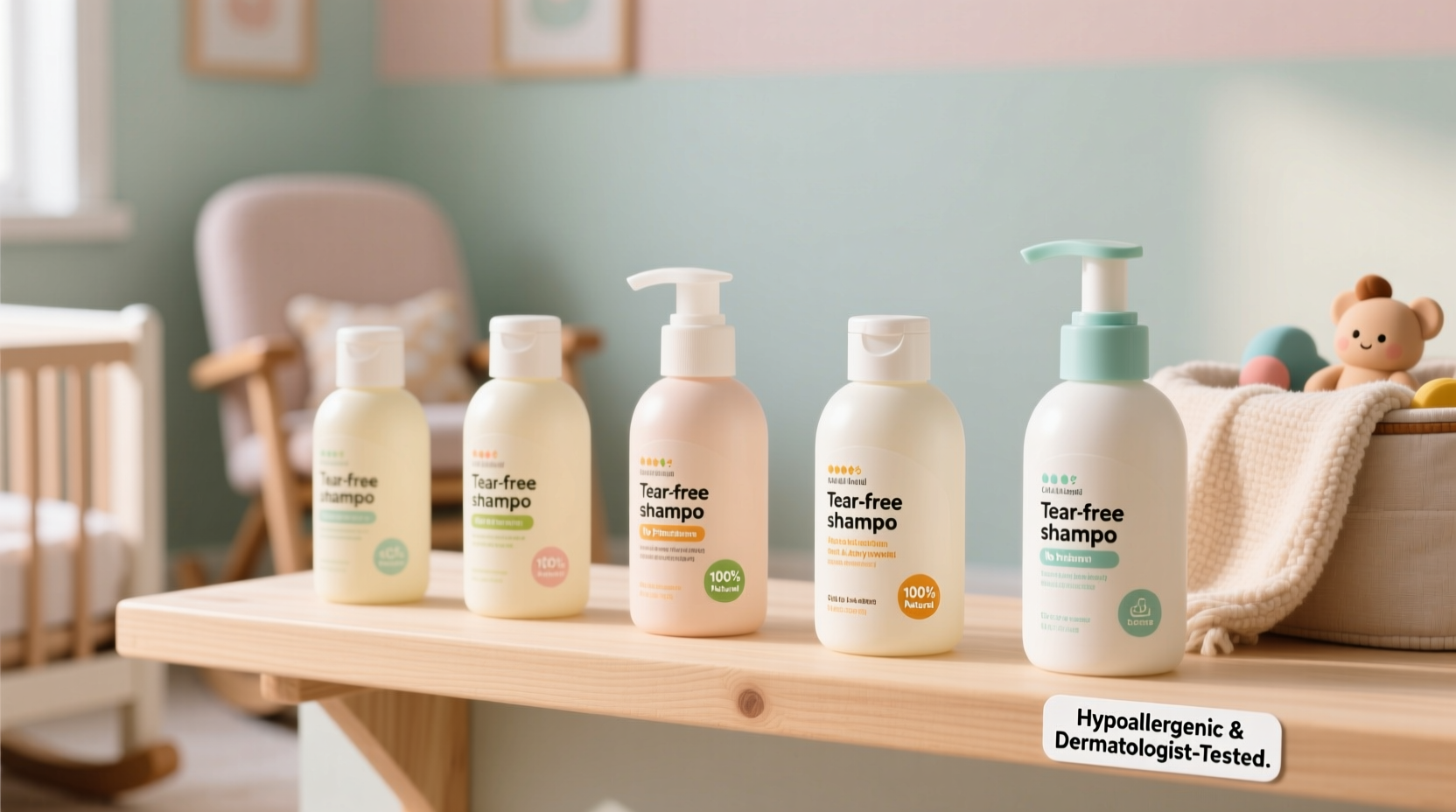
The term “tear-free” is more than just a promise on the bottle. It refers to formulations designed to match the natural pH of tears (around 7) and avoid harsh surfactants that trigger eye discomfort. Traditional sulfates like sodium lauryl sulfate (SLS) create rich lather but can strip natural oils and irritate delicate mucous membranes. Tear-free shampoos typically replace these with milder alternatives such as decyl glucoside, coco-glucoside, or sodium cocoyl isethionate.
However, not all tear-free claims are equal. Some brands rely on buffering agents to reduce sting temporarily while still using borderline-irritating ingredients. True tear-free formulas avoid known ocular irritants entirely and undergo ophthalmological testing. The American Academy of Pediatrics recommends avoiding any product with alcohol, parabens, synthetic fragrances, or dyes when selecting hygiene items for children under three.
“Tear-free doesn’t mean ineffective. Modern plant-based surfactants can lift dirt and oil while remaining non-irritating—even if they get in the eyes.” — Dr. Lena Patel, Pediatric Dermatologist, Children’s Health InstituteTip: Tilt your child’s head slightly forward during washing to minimize runoff into the eyes, even with tear-free formulas.
Top 5 Tear-Free Toddler Shampoos That Clean Effectively
After reviewing clinical data, ingredient transparency, parent feedback, and independent lab testing results from organizations like EWG and Consumer Reports, five shampoos consistently stand out for combining mildness with reliable cleansing power.
| Product | Key Ingredients | Cleansing Strength | Hypoallergenic? | Notable Feature |
|---|---|---|---|---|
| Mustela Foam Shampoo | Chamomile, avocado perseose | High (oil & residue removal) | Yes | Foaming formula reduces water contact with eyes |
| Aveeno Baby Wash & Shampoo | Colloidal oatmeal, glycerin | Moderate-High | Yes | Dermatologist-recommended for dry, sensitive scalps |
| Burt’s Bees Baby Shampoo | Papaya extract, soy protein | Moderate | Yes | 99% natural origin, biodegradable |
| California Baby Super Sensitive | Oat extract, calendula | Moderate | Yes | Used in neonatal units; fragrance-free |
| Pigeon Hypoallergenic Baby Shampoo | Amino acid-based cleansers | High | Yes | Popular in Asia for strong cleaning with zero sting |
Among these, Mustela and Pigeon perform exceptionally well in removing sebum and environmental debris without over-drying. Aveeno excels for toddlers with eczema-prone scalps, while California Baby is the top choice for families avoiding any trace of fragrance. Burt’s Bees offers an eco-conscious option with effective daily cleaning power.
How to Evaluate a Toddler Shampoo Beyond the Label
Marketing terms like “natural,” “organic,” or “dermatologist-tested” can be misleading. To assess a shampoo’s true suitability, go beyond the front label and examine the ingredient list and third-party certifications.
- pH Level: Ideal range is between 5.5 and 7.0 to match toddler skin and scalp.
- Surfactant Type: Look for glucosides, betaines, or isethionates instead of sulfates.
- Fragrance Disclosure: “Fragrance” without specification may hide allergens. Opt for “fragrance-free” or fully listed essential oils.
- Certifications: USDA Organic, EWG Verified, or National Eczema Association Seal indicate rigorous safety standards.
- Lather Expectation: Mild shampoos produce less foam. Don’t mistake low lather for poor performance—cleaning happens at the molecular level.
“We tested 12 popular ‘gentle’ baby shampoos in our clinic. Only 6 maintained scalp health after two weeks of daily use. The difference was in preservative systems and surfactant purity.” — Dr. Rajiv Mehta, Clinical Research Lead, Pediatric Skin Lab
Real Example: How One Parent Found Relief After Months of Bath-Time Tears
Sophie, a mother of two in Portland, struggled for months with her 22-month-old refusing baths. “Every time I washed his hair, he’d scream and rub his eyes. We switched brands three times, thinking we just hadn’t found the right one.” After consulting a pediatric dermatologist, she learned her son had subclinical contact irritation from a shampoo containing cocamidopropyl betaine—a mild surfactant, but one known to cause sensitivity in a small subset of children.
She switched to California Baby Super Sensitive, which uses only amino acid-based cleansers and no fragrance. Within a week, bath time transformed. “He actually leans into the wash now. And his hair looks cleaner, not greasy like before. I wish I’d gotten expert advice sooner.”
Step-by-Step Guide to Choosing and Using Toddler Shampoo
Selecting the right product is only half the battle. Proper usage ensures maximum effectiveness and comfort.
- Assess Your Toddler’s Needs: Does your child have dry skin, cradle cap, or frequent sweating? Choose based on scalp condition, not scent preference.
- Read Full Ingredients: Avoid anything ending in “-sulfate” or vague terms like “parfum.” Prioritize transparent labeling.
- Do a Patch Test: Apply a dime-sized amount behind the ear or on the inner forearm. Wait 24 hours to check for redness or rash.
- Wet Hair Thoroughly: Use lukewarm water. Pre-wetting helps distribute shampoo evenly and reduces concentration on the scalp.
- Use a Pea-Sized Amount: Toddlers don’t need much product. Overuse increases rinse time and irritation risk.
- Massage Gently: Use fingertips, not nails, to cleanse the scalp. Focus on areas behind ears and the nape of the neck.
- Rinse Completely: Residue causes itchiness. Run water for at least 30 seconds, checking behind ears and hairline.
- Observe Reactions: Watch for redness, flaking, or avoidance behavior. Discontinue use if any occur.
Common Myths About Tear-Free Shampoos Debunked
Several misconceptions prevent parents from making informed choices.
- Myth: Tear-free means weak cleaning. Reality: Advanced surfactants clean effectively without irritation. Cleaning power isn’t tied to sting.
- Myth: All baby shampoos are safe for toddlers. Reality: Formulas vary widely. Some “baby” shampoos contain allergens unsuitable for prolonged use.
- Myth: Organic = automatically safer. Reality: Natural ingredients like essential oils (e.g., lavender, citrus) can be sensitizing. Certification matters more than buzzwords.
- Myth: Foaming indicates better cleaning. Reality: Lather is cosmetic. Low-foaming shampoos can be more efficient and easier to rinse.
Checklist: Choosing a Safe and Effective Toddler Shampoo
Use this checklist before purchasing or switching shampoos:
- ✅ Free from sulfates (SLS, SLES), parabens, phthalates, and artificial dyes
- ✅ pH balanced (5.5–7.0)
- ✅ Fragrance-free or with fully disclosed, non-citrus/non-floral essential oils
- ✅ Contains moisturizing agents (e.g., glycerin, oat extract, panthenol)
- ✅ Hypoallergenic and dermatologist-tested
- ✅ Third-party certified (EWG Verified, NEA Seal, etc.)
- ✅ Positive reviews from parents with similar concerns (eczema, sensitivity)
- ✅ Easy to rinse (no sticky residue)
FAQ: Common Questions About Toddler Shampoos
How often should I wash my toddler’s hair?
Most toddlers only need shampoo 2–3 times per week. Daily rinsing with water is sufficient between washes unless hair is visibly dirty or oily. Overwashing can disrupt the scalp’s natural barrier.
Can I use adult shampoo on my toddler in a pinch?
It’s not recommended. Adult shampoos often contain stronger detergents, higher acidity, and fragrance levels that can dry or irritate a toddler’s scalp and eyes. Keep a travel-sized bottle of toddler-safe shampoo on hand for emergencies.
What should I do if my toddler has cradle cap?
Cradle cap (seborrheic dermatitis) responds well to gentle exfoliation and medicated shampoos containing selenium sulfide, ketoconazole, or salicylic acid—but only under pediatric guidance. For mild cases, use a shampoo with colloidal oatmeal (like Aveeno) and softly brush with a soft-bristle brush after washing.
Final Thoughts: Balancing Safety and Cleanliness
Choosing a tear-free shampoo for a toddler shouldn’t mean compromising on cleanliness. Today’s best formulas prove that gentle care and effective hygiene can coexist. The key lies in understanding ingredients, recognizing individual sensitivities, and trusting evidence-backed brands over flashy packaging. Whether your child has silky fine hair or thick curls, sensitive skin or active days filled with outdoor play, there’s a shampoo that can keep them clean, comfortable, and calm during bath time.
💬 Have a favorite toddler shampoo that works wonders? Share your experience in the comments to help other parents find the perfect fit!








