
Dogs, like humans, are vulnerable to the harmful effects of ultraviolet (UV) radiation. While their fur offers some natural protection, it’s not always enough—especially for light-colored, short-haired, or hairless breeds. As pet owners spend more time outdoors with their dogs, questions arise about the best way to shield them from sun damage. Two popular options dominate the conversation: dog hats and pet-safe sunscreen. But which one actually provides better protection against sunburn and long-term skin issues? The answer isn’t as simple as choosing one over the other—it depends on your dog’s breed, lifestyle, and exposure level.
Understanding Canine Sun Sensitivity
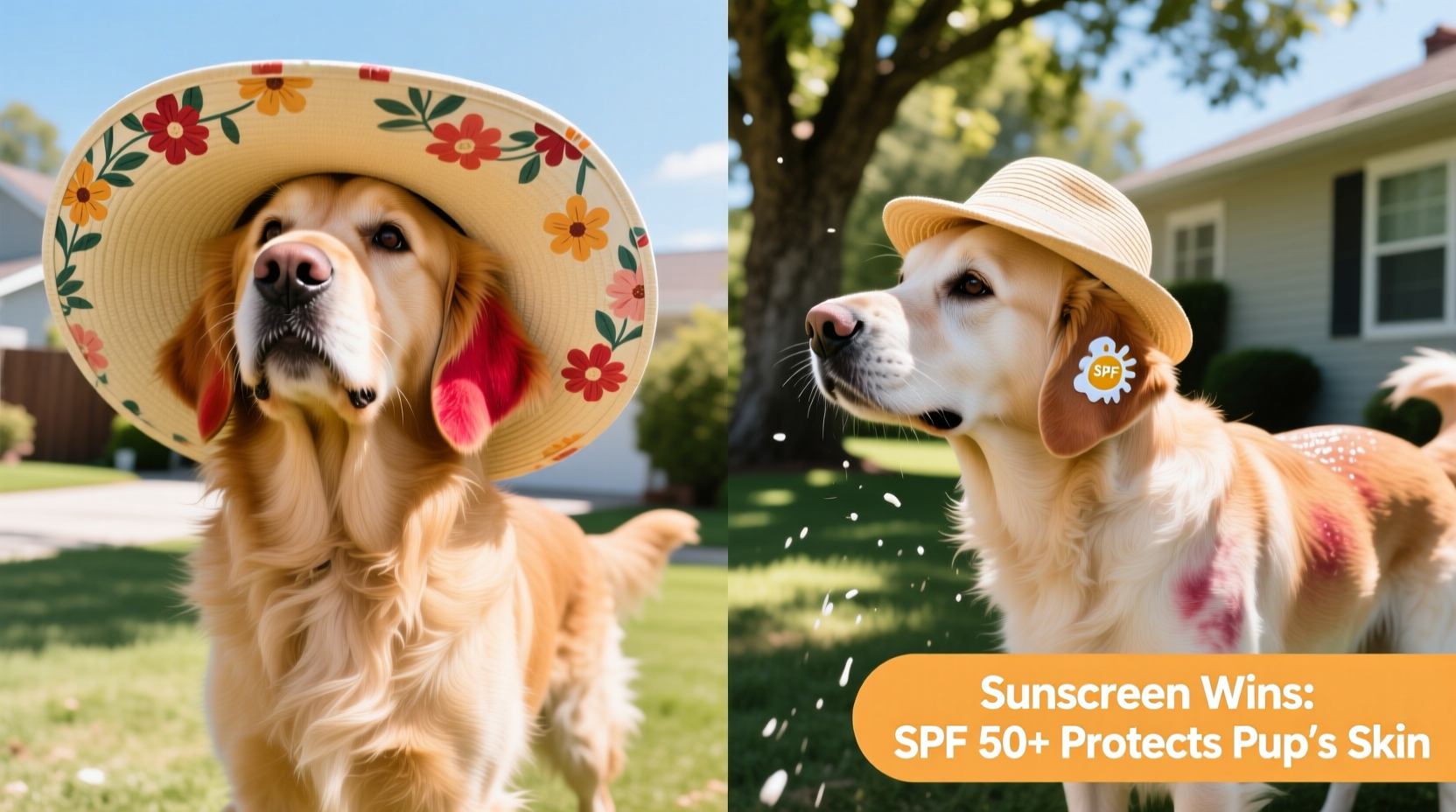
Dogs have varying degrees of UV sensitivity based on coat color, thickness, and skin pigmentation. Breeds such as Dalmatians, Bulldogs, Whippets, and Chinese Cresteds are particularly prone to sunburn due to thin or absent coats and pink or lightly pigmented skin. Areas with less fur—like the nose, ears, belly, and groin—are especially vulnerable.
Sunburn in dogs isn’t just uncomfortable; repeated exposure increases the risk of actinic keratosis and even squamous cell carcinoma, a form of skin cancer. Unlike humans, dogs can't verbalize discomfort until symptoms become severe, making proactive protection essential.
“UV damage in dogs is cumulative. Even brief daily exposure without protection can lead to serious dermatological issues over time.” — Dr. Lena Ruiz, Veterinary Dermatologist, American College of Veterinary Dermatology
Dog Hats: Pros, Cons, and Practical Use
Dog hats, often designed with wide brims or UV-blocking fabric, aim to shade sensitive areas like the face, ears, and neck. They’re marketed as stylish and functional, but their real-world effectiveness varies significantly.
Advantages:
- Provides immediate shade for the face and ears.
- No risk of ingestion if properly fitted.
- Reusable and eco-friendly compared to single-use products.
- Can be part of a broader sun-safe outfit (e.g., UV shirts).
Limitations:
- Often poorly tolerated—many dogs resist wearing them.
- Limited coverage—does nothing for the back, belly, or legs.
- May shift or fall off during activity, leaving skin exposed.
- Not suitable for high-wind or water environments.
Pet-Safe Sunscreen: How It Works and Where to Apply
Topical sunscreens formulated specifically for dogs offer targeted protection where fur is thin or absent. Unlike human sunscreens, which may contain toxic ingredients like zinc oxide or chemical filters, veterinary-approved versions use safe, non-toxic compounds that won’t harm dogs if licked.
Effective application zones include:
- Nose (especially pink or partially pigmented noses)
- Ears (inner and outer edges)
- Belly and groin (in short-haired breeds)
- Any scarred or shaved areas
Apply 15–30 minutes before sun exposure and reapply every 4–6 hours, or after swimming or heavy panting. Look for broad-spectrum SPF 30 formulas labeled “pet-safe” and free of parabens, fragrances, and PABA.
Step-by-Step Guide to Applying Dog Sunscreen
- Choose a calm moment when your dog is relaxed.
- Clean and dry the target area (no moisture or dirt).
- Apply a thin, even layer to vulnerable spots.
- Distract your dog afterward with a toy or treat to prevent licking.
- Reapply after outdoor activity, especially near water or sand.
Comparative Analysis: Dog Hats vs Sunscreen
| Feature | Dog Hat | Pet Sunscreen |
|---|---|---|
| Coverage Area | Face, ears, top of head | Anywhere applied (nose, belly, scars, etc.) |
| Comfort & Acceptance | Low to moderate (depends on dog) | High (once acclimated) |
| Reapplication Needed | No (if stays on) | Yes, every 4–6 hours |
| Risk of Ingestion | None | Low (if pet-safe formula used) |
| Effectiveness in Wind/Water | Poor (can blow off) | Good (water-resistant formulas available) |
| Best For | Short walks, casual outings | Beach trips, hiking, high-exposure environments |
Real-World Example: Managing Sun Exposure in a Hairless Breed
Milo, a 3-year-old Xoloitzcuintli (Mexican Hairless Dog), lives in Phoenix, Arizona, where summer UV levels regularly exceed 10. His owner initially tried a wide-brimmed dog hat during morning walks, but Milo shook it off within minutes. After two mild sunburns on his back and ears, the family consulted a veterinary dermatologist.
The vet recommended a dual approach: a lightweight UV-protective mesh shirt for extended outdoor time and a pet-safe SPF 30 sunscreen applied to his ears, tail, and dorsal ridge. The hat was abandoned in favor of consistent topical protection and limiting midday walks. Over six months, Milo showed no further signs of skin irritation, and his coatless skin remained healthy despite intense sun exposure.
This case illustrates that while hats may seem convenient, they’re often impractical. Tailored, multi-method protection yields better results.
When to Combine Both Methods
For dogs with extreme sun sensitivity or those spending prolonged time in high-risk environments (beaches, mountains, snow), combining both tools maximizes safety. A UV-blocking hat shields the face, while sunscreen covers exposed body areas. This layered strategy mirrors human sun protection practices and is endorsed by veterinary dermatologists.
However, integration requires training. Dogs must first become comfortable wearing accessories before adding the sensory input of lotion. Start indoors, reward cooperation, and build tolerance gradually.
Frequently Asked Questions
Can I use human sunscreen on my dog?
No. Many human sunscreens contain ingredients like zinc oxide, octinoxate, or oxybenzone, which are toxic if ingested. Dogs naturally lick their skin, increasing the risk of poisoning. Always use products labeled specifically for pets.
Do all dogs need sun protection?
Not all, but many benefit. Light-skinned, short-coated, senior, or medical-shaved dogs are at highest risk. Even thick-coated breeds can suffer burns on the nose or belly during reflective conditions (e.g., sand, snow, water).
How often should I apply dog sunscreen?
Every 4–6 hours during continuous exposure. Reapply immediately after swimming or excessive sweating. Daily use is safe if needed during peak summer months.
Essential Sun Protection Checklist for Dog Owners
- ✅ Identify your dog’s sun sensitivity level (coat type, skin color)
- ✅ Purchase a vet-recommended, pet-safe sunscreen (SPF 30+, fragrance-free)
- ✅ Test a small patch first for allergic reactions
- ✅ Avoid peak UV hours (10 a.m. – 4 p.m.) when possible
- ✅ Use physical barriers: UV shirts, shade tents, or stroller canopies
- ✅ Monitor for signs of sunburn: redness, flaking, or behavioral changes
- ✅ Schedule annual skin checks with your veterinarian
Conclusion: Prioritize Coverage, Comfort, and Consistency
When it comes to protecting your dog from sunburn, sunscreen generally outperforms dog hats in both coverage and reliability. Hats may serve as supplementary shade tools but often fail in practice due to poor fit or resistance from the dog. Sunscreen, when applied correctly and consistently, offers targeted, effective defense against UV damage.
The smartest approach combines multiple strategies: use sunscreen on vulnerable areas, dress your dog in UV-protective clothing when appropriate, and avoid prolonged sun exposure during peak hours. Sun safety isn’t a one-size-fits-all solution—it’s an ongoing routine tailored to your dog’s needs.
💬 Your dog’s health matters—share this guide with fellow pet owners and start a conversation about sun safety. Have a tip or story about protecting your pup? Leave a comment below!








