
Couples often find comfort and joy in shared meals, relaxed evenings, and routines that evolve over time. While these habits strengthen emotional bonds, they can also lead to gradual weight gain—commonly referred to as \"relationship weight gain.\" This phenomenon is more common than many realize, affecting both long-term partners and newly coupled individuals. Understanding the psychological, behavioral, and physiological factors behind this shift is the first step toward managing it in a healthy, sustainable way.
The Science Behind Relationship Weight Gain
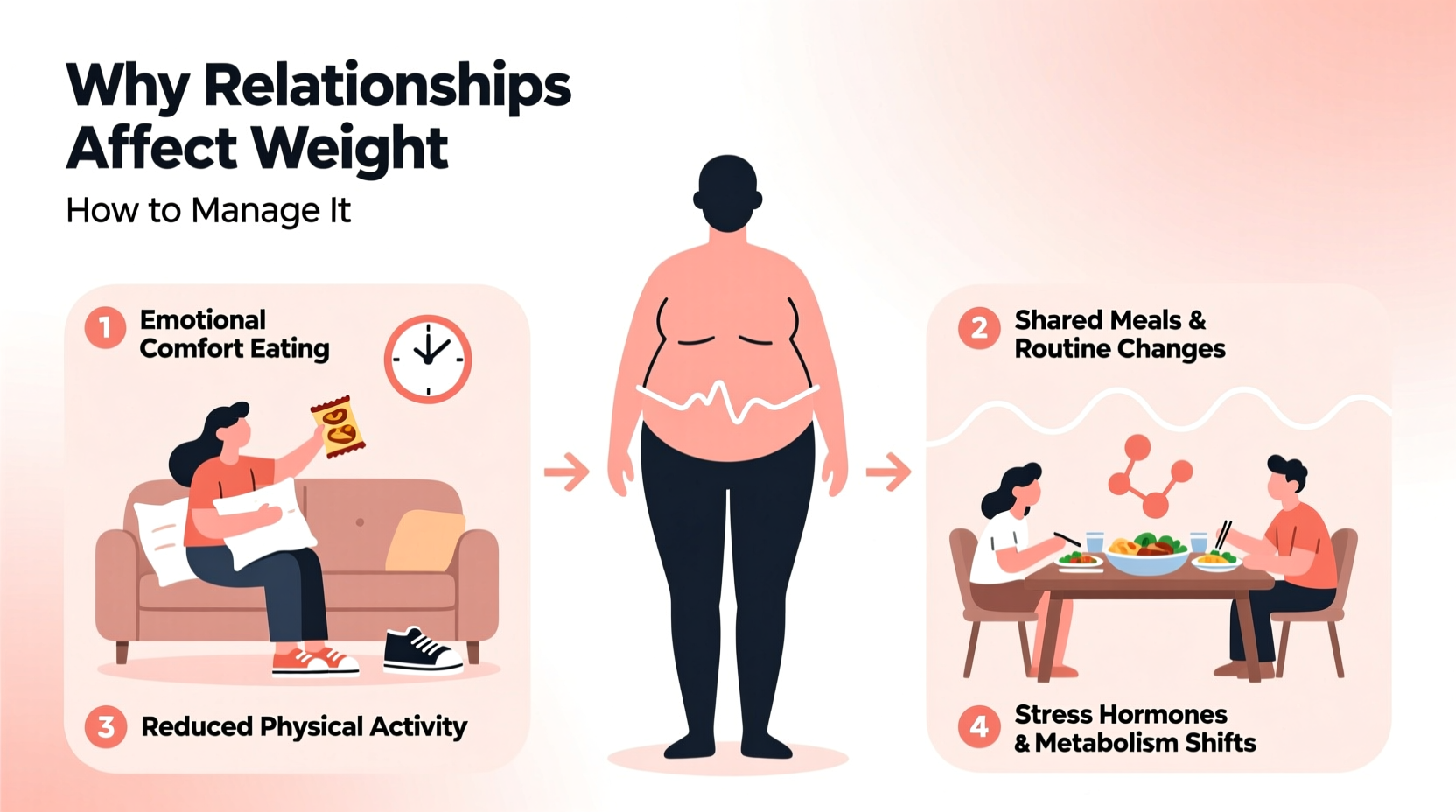
Weight gain during relationships isn't just about eating more or exercising less—it's influenced by deeper social and biological mechanisms. Research published in journals like Obesity and Social Science & Medicine shows that people in committed relationships tend to gain weight, especially within the first two years of being together. One study found couples gained an average of 4–7 pounds each during their first year of cohabitation.
This occurs for several interconnected reasons:
- Increased food sharing: Couples often eat together, order larger portions, or indulge in comfort foods during date nights or lazy weekends.
- Routine relaxation: As relationships become more comfortable, structured fitness routines may fall by the wayside.
- Hormonal shifts: Oxytocin, the “bonding hormone,” promotes feelings of safety and satisfaction, which can reduce motivation to maintain appearance-focused habits.
- Reduced vigilance: In the early stages of dating, people may subconsciously monitor their diet and activity. Once secure in the relationship, that pressure lifts.
“Comfort is a double-edged sword in relationships. Emotional security fosters intimacy, but without awareness, it can quietly erode healthy lifestyle habits.” — Dr. Lena Torres, Clinical Psychologist & Behavioral Health Specialist
Why It’s Not Just About Willpower
Blaming weight gain on lack of discipline oversimplifies a complex issue. Shared environments play a major role. If one partner prefers takeout, has irregular sleep patterns, or leads a sedentary lifestyle, the other is likely to adapt over time. This is known as behavioral synchrony—a natural tendency for couples to mirror each other’s habits, both good and bad.
Moreover, stress from work, finances, or family life can amplify emotional eating, especially when coping mechanisms are limited. When both partners turn to food for comfort, the effect compounds.
Tip: Instead of focusing on weight alone, assess lifestyle changes since entering the relationship—sleep quality, movement levels, meal frequency, and emotional well-being.Practical Strategies to Manage Relationship Weight Gain
Managing weight as a couple doesn’t mean sacrificing connection or joy. The goal is balance—nurturing your relationship while supporting mutual health. Here are evidence-based approaches that foster cooperation rather than conflict.
1. Reframe Goals Around Wellness, Not Weight
Focusing solely on the scale can create tension. Instead, shift the conversation to energy levels, mood, stamina, and longevity. Frame goals around shared benefits: feeling stronger, sleeping better, having more fun during hikes or travel.
2. Make Healthy Habits Social
Incorporate wellness into your shared time. Try cooking new recipes together, walking after dinner, or joining a dance class. Activities that blend connection with movement reinforce bonding and fitness simultaneously.
3. Create a Supportive Home Environment
Your surroundings shape behavior. Stock the kitchen with whole grains, vegetables, and lean proteins. Keep snacks visible and accessible—but make the healthy ones easier to reach than processed options.
| Do | Avoid |
|---|---|
| Keep fruit on the counter | Stock sugary drinks in bulk |
| Meal prep together weekly | Eat in front of the TV regularly |
| Use smaller plates for portion control | Order delivery daily |
| Set shared step goals (e.g., 10K steps/day) | Skipping workouts due to low motivation |
Step-by-Step Guide: Rebuilding Healthy Routines Together
Start small and build consistency. Use this six-week timeline to gently reset habits without pressure or deprivation.
- Week 1: Awareness Phase – Track meals, activity, and moods together. Identify patterns (e.g., late-night snacking, skipping breakfast).
- Week 2: Small Swaps – Replace one unhealthy habit per person (e.g., soda → sparkling water, drive-through → home-cooked meal twice this week).
- Week 3: Movement Integration – Add one shared active outing (walk in the park, bike ride) and schedule three short home workouts (15 minutes).
- Week 4: Meal Planning – Plan five dinners together. Include at least three vegetable-based dishes. Shop as a team.
- Week 5: Sleep & Stress Check – Set a joint bedtime 30 minutes earlier. Practice a wind-down ritual (reading, stretching, no screens).
- Week 6: Reflect & Adjust – Discuss what worked, what didn’t. Celebrate non-scale victories: better digestion, improved focus, more energy.
Real-Life Example: How Mark and Sofia Regained Balance
Mark and Sofia, married for three years, noticed they’d both gained about 12 pounds since moving in together. Their routine involved frequent takeout, weekend Netflix binges, and minimal exercise. After Sofia felt winded climbing stairs during a vacation, they decided to make a change—not out of shame, but desire to feel better.
They started by committing to “Meatless Mondays” and cooking together every Sunday for the week ahead. They bought matching pedometers and challenged each other to reach 8,000 steps daily. Within four months, both lost 8–10 pounds—but more importantly, they reported higher energy, better sleep, and renewed enjoyment in physical activities like hiking and swimming.
“We didn’t go on a diet,” Sofia said. “We just started doing things that made us feel good—and we did them together.”
Checklist: Building a Healthier Life as a Couple
- ✅ Have an open, non-judgmental conversation about wellness goals
- ✅ Identify one unhealthy habit each to improve
- ✅ Schedule three shared meals per week prepared at home
- ✅ Plan one active date night per week (walking, cycling, kayaking)
- ✅ Remove ultra-processed snacks from the pantry
- ✅ Establish a consistent sleep schedule
- ✅ Track progress using non-scale markers (energy, mood, clothing fit)
- ✅ Celebrate milestones together—without food rewards
Frequently Asked Questions
Is relationship weight gain inevitable?
No. While common, it’s not unavoidable. Couples who proactively maintain individual and shared health routines often avoid significant weight gain. Awareness and intentionality are key.
Should both partners need to lose weight to make changes?
Not necessarily. One person can initiate positive changes that naturally influence the other. However, mutual participation increases success rates and reduces feelings of isolation or judgment.
What if my partner isn’t interested in changing?
Focus on leading by example. Improve your own habits without pressure. Often, seeing tangible benefits—more energy, better mood—motivates the other person to join in organically.
Conclusion: Strengthen Your Bond Through Shared Wellness
Relationship weight gain is a common, understandable outcome of growing closeness and comfort. But with mindful choices, couples can transform their lifestyle in ways that enhance both health and connection. The most successful changes aren’t driven by restriction or guilt—they’re rooted in care, teamwork, and mutual support.
Instead of viewing wellness as a personal burden, reframe it as a shared journey. Cook together, move together, rest well together. These habits don’t just help manage weight—they deepen intimacy and set the foundation for a vibrant, lasting partnership.
💬 Have you and your partner made lifestyle changes together? Share your story in the comments—your experience could inspire another couple to start their journey.








