Cooking rice seems simple—water, heat, and grain. Yet many home cooks consistently end up with a pot of sticky, clumped-together rice that resembles glue more than a fluffy side dish. The issue isn’t failure; it’s misunderstanding the science behind starch, water ratios, and technique. Sticky rice isn’t always undesirable—some dishes like sushi or certain Asian varieties rely on stickiness—but when you're aiming for light, separate grains, the result can be frustrating.
The good news is that sticky rice is almost always preventable. By understanding what causes excess stickiness and applying precise adjustments in washing, measuring, cooking, and resting, you can achieve consistent, restaurant-quality results at home. This guide breaks down the root causes, offers actionable solutions, and equips you with the knowledge to master rice texture once and for all.
Understanding Why Rice Becomes Sticky
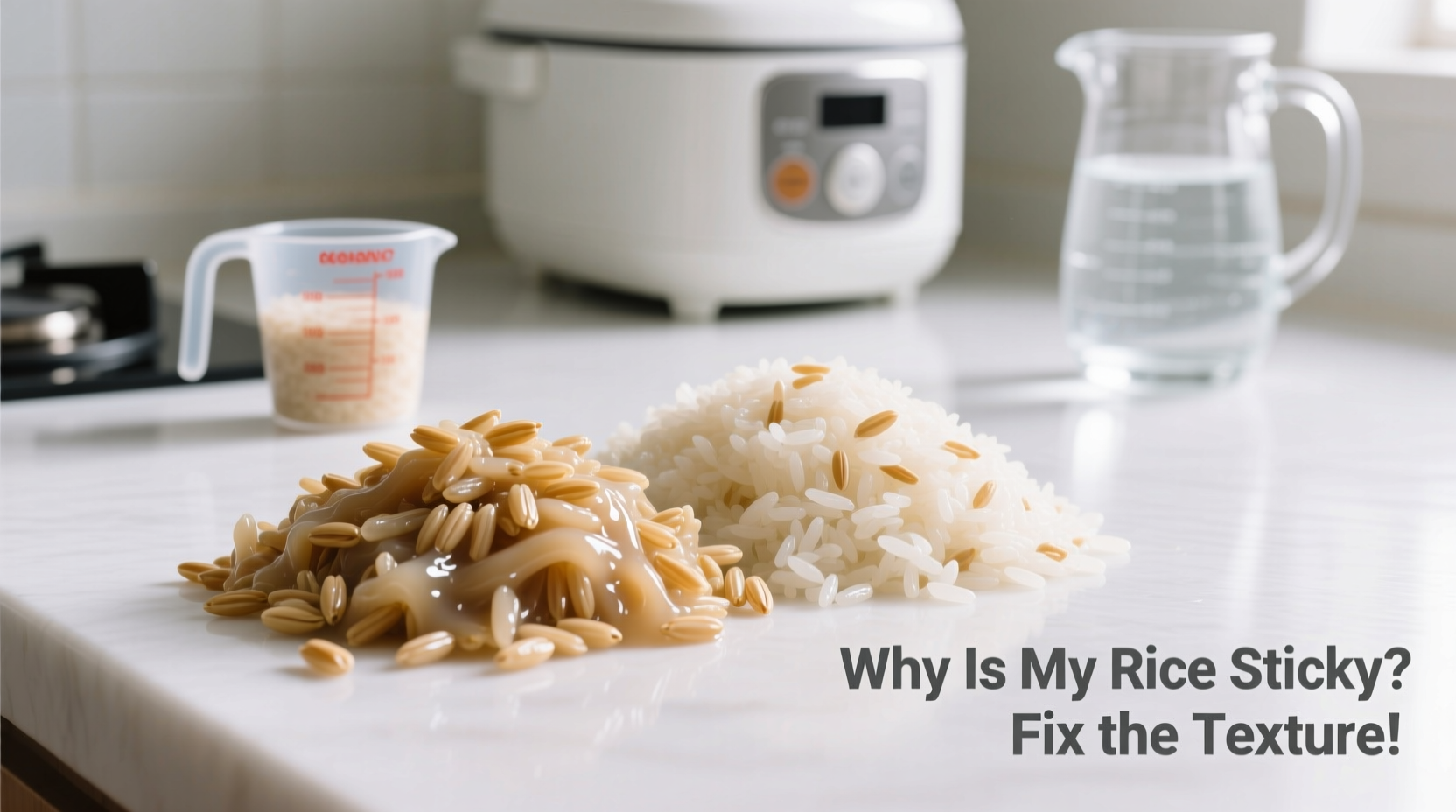
Stickiness in cooked rice primarily comes from starch—specifically amylose and amylopectin, two components found in rice grains. When rice is cooked, these starches absorb water and gelatinize. Amylose contributes to firmness and separation, while amylopectin increases stickiness and softness. Different rice types have varying amylose levels:
- High-amylose rice (like long-grain white or basmati) tends to stay fluffy and separate.
- Low-amylose rice (such as short-grain or glutinous rice) naturally becomes sticky when cooked.
However, even high-amylose rice can turn sticky if mishandled. Common culprits include inadequate rinsing, incorrect water ratios, overcooking, or disturbing the rice during cooking. Each of these factors releases excess surface starch, which acts like glue between grains.
“Starch is both the hero and the villain in rice cooking. Control it through rinsing and proper hydration, and you control the texture.” — Dr. Lena Park, Food Scientist & Culinary Researcher
The Role of Starch and How to Manage It
Freshly milled rice is often coated with fine starch dust left over from processing. When this starch isn’t removed before cooking, it dissolves into the water and creates a gummy layer around each grain. This is especially noticeable in white rice, where milling removes the bran but leaves residual starch behind.
Rinsing rice under cold water until the water runs clear effectively removes this excess starch. Skipping this step is one of the most common reasons for sticky outcomes. But rinsing alone isn’t enough—you also need to consider soaking and agitation.
Tip: Never shake or stir rice while it's cooking. Agitation breaks grains and releases more starch, increasing stickiness.Washing vs. Soaking: What’s the Difference?
While both washing and soaking involve water, they serve different purposes:
- Washing removes surface starch and impurities. It should be done quickly—just enough to clarify the rinse water.
- Soaking allows grains to absorb moisture evenly before cooking, promoting uniform expansion and reducing cooking time.
For most everyday rice dishes, a thorough wash is sufficient. However, aromatic rices like basmati benefit from a 20–30 minute soak, which helps elongate the grains and enhances fluffiness.
Mastering Water-to-Rice Ratios
Using too much water is another leading cause of mushy, sticky rice. While traditional wisdom suggests a 2:1 water-to-rice ratio, this isn’t universal. Different rice types require different hydration levels. Using the same ratio across varieties leads to inconsistent results.
The ideal ratio depends on the rice variety, age, and whether it was rinsed or soaked. Here’s a general reference table:
| Rice Type | Water-to-Rice Ratio (by volume) | Notes |
|---|---|---|
| Long-Grain White (e.g., Jasmine) | 1.5:1 | Rinse well; avoid stirring |
| Basmati | 1.75:1 | Soak 20–30 min; rinse first |
| Short-Grain White | 1.25:1 | Naturally stickier; ideal for sushi |
| Brown Rice | 2:1 | Requires longer cook time; soak recommended |
| Parboiled/Converted Rice | 2.25:1 | Less sticky due to pre-gelatinization |
Always measure using the same cup for both rice and water to maintain consistency. And remember: if you rinse the rice, it absorbs more water during cooking, so slightly less may be needed.
Step-by-Step Guide to Fluffy, Non-Sticky Rice
Follow this reliable method to cook perfect rice every time, regardless of your stove or pot type:
- Measure precisely. Use a measuring cup to portion rice. One cup of raw rice typically yields about three cups cooked.
- Rinse thoroughly. Place rice in a bowl, cover with cold water, swirl gently, and drain. Repeat 3–5 times until water runs nearly clear.
- Soak (if applicable). For basmati or aged rice, soak for 20–30 minutes. Drain before cooking.
- Add water using correct ratio. Refer to the table above based on rice type.
- Bring to boil uncovered. Use medium-high heat. Do not stir.
- Simmer covered. Once boiling, reduce heat to low, cover tightly, and simmer for 15–18 minutes (white rice) or 30–40 minutes (brown).
- Rest off heat. Turn off flame and let rice sit, covered, for 10 minutes. This allows steam to redistribute and firms up grains.
- Fluff gently. Use a fork to loosen rice from edges inward. Avoid pressing or mashing.
Common Mistakes That Lead to Sticky Rice
Even with good intentions, small errors can ruin texture. Here are frequent missteps and how to avoid them:
- Not rinsing the rice. Residual starch creates gumminess. Always rinse unless making risotto or sticky rice dishes.
- Using too much water. Excess water overhydrates grains, causing them to burst and release more starch.
- Lifting the lid during cooking. Releasing steam disrupts even cooking and can lead to uneven texture.
- Stirring while cooking. Breaks grains and activates starch—never stir after adding rice to water.
- Overcooking. Extended heat makes rice mushy. Stick to recommended times and use a timer.
- Using a thin pot. Uneven heat distribution causes scorching on bottom and mush on top. Use a heavy-bottomed saucepan with a tight-fitting lid.
Do’s and Don’ts Summary
| Do | Don’t |
|---|---|
| Rinse rice until water runs clear | Skip rinsing for non-sticky results |
| Use correct water-to-rice ratio | Guess water amounts |
| Let rice rest after cooking | Peek or stir during cooking |
| Fluff with a fork | Press or mash rice |
| Cover tightly and avoid lifting lid | Check progress by opening the pot |
Real Example: From Sticky Disaster to Perfect Texture
Take Maria, a home cook in Portland who loved serving rice with her stir-fries but constantly battled clumpy results. She used the same pot, same brand of long-grain rice, and always added two cups of water per cup of rice. After years of frustration, she watched a demonstration video showing rice being rinsed until the water cleared. Skeptical but curious, she tried it.
She measured one cup of rice, rinsed it five times, drained well, then used only 1.5 cups of water instead of two. She brought it to a boil, reduced to low, covered, and cooked for 16 minutes. She turned off the heat and waited 10 minutes before fluffing. The result? Light, distinct grains that didn’t cling together. “I had no idea such a small change could make such a big difference,” she said. Now, she teaches her teenage son the same method.
FAQ: Your Rice Texture Questions Answered
Can I fix already sticky rice?
If the rice is mildly sticky but not mushy, spread it on a baking sheet and let it air-dry for 10–15 minutes while gently breaking up clumps with a fork. If it’s severely overcooked, it’s best repurposed into fried rice, rice pudding, or fritters.
Why is my brown rice sticky?
Brown rice has a bran layer that slows water absorption, often leading people to add extra water or overcook it. Stick to a 2:1 ratio, consider soaking for 20–30 minutes beforehand, and allow a full 10-minute rest after cooking. The texture should be tender but intact.
Is sticky rice always a mistake?
No. Some cuisines intentionally produce sticky rice. For example, Thai sticky rice (glutinous rice) is steamed, not boiled, and used for eating with hands. Similarly, Japanese sushi rice relies on vinegar seasoning and controlled stickiness. The goal depends on the dish.
Expert Tips for Consistent Results
Professional chefs and culinary instructors emphasize precision and patience. Here are advanced tips to refine your technique:
- Use a heavy pot with a tight lid. Thin pots create hot spots. A Dutch oven or heavy saucepan ensures even heat distribution.
- Measure water after rinsing. Rinsed rice holds some moisture, so wait until after draining to add fresh water.
- Try the absorption method. This is the standard technique described earlier and works best for predictable results.
- Adjust for altitude. At higher elevations, water boils at lower temperatures, requiring slightly more water and longer cooking times.
- Invest in a rice cooker. Modern rice cookers automatically regulate temperature and timing, minimizing human error. Many have settings for different rice types.
“A great pot of rice isn’t about luck—it’s about controlling variables: water, heat, time, and handling.” — Chef Rafael Nguyen, Executive Chef at Mise en Place Bistro
Conclusion: Take Control of Your Rice Texture
Sticky rice doesn’t have to be the norm. With an understanding of starch behavior, accurate measurements, and disciplined technique, you can consistently achieve light, fluffy, and separate grains. Whether you’re cooking jasmine, basmati, or everyday long-grain rice, the principles remain the same: rinse, measure, simmer, rest, and fluff.
Small changes yield dramatic improvements. Start by rinsing your rice and adjusting your water ratio. Master the resting phase. Avoid the temptation to peek or stir. These habits transform a hit-or-miss process into a reliable kitchen skill.
🚀 Ready to cook perfect rice tonight? Grab your pot, measure carefully, and apply these steps. Share your results or favorite tip in the comments below—your experience could help someone else finally beat sticky rice for good.