In the modern kitchen, few appliances embody the tension between speed and quality as clearly as the coffee maker. On one side, single-serve coffee pods promise a perfect cup in under a minute—consistent, clean, and hassle-free. On the other, the French press stands as a symbol of ritual, control, and depth of flavor, requiring patience and attention. As more consumers embrace pod machines for their efficiency, a growing number are questioning whether they're sacrificing too much in the process. Is the convenience of coffee pods worth the compromise in taste, aroma, and overall coffee experience?
The answer isn't binary. It depends on priorities: time, consistency, environmental impact, and—above all—flavor. This article examines the fundamental differences between coffee pods and French press brewing, evaluates their strengths and weaknesses, and helps you decide whether convenience is truly costing you a better cup.
The Brewing Science: How Flavor Is Built
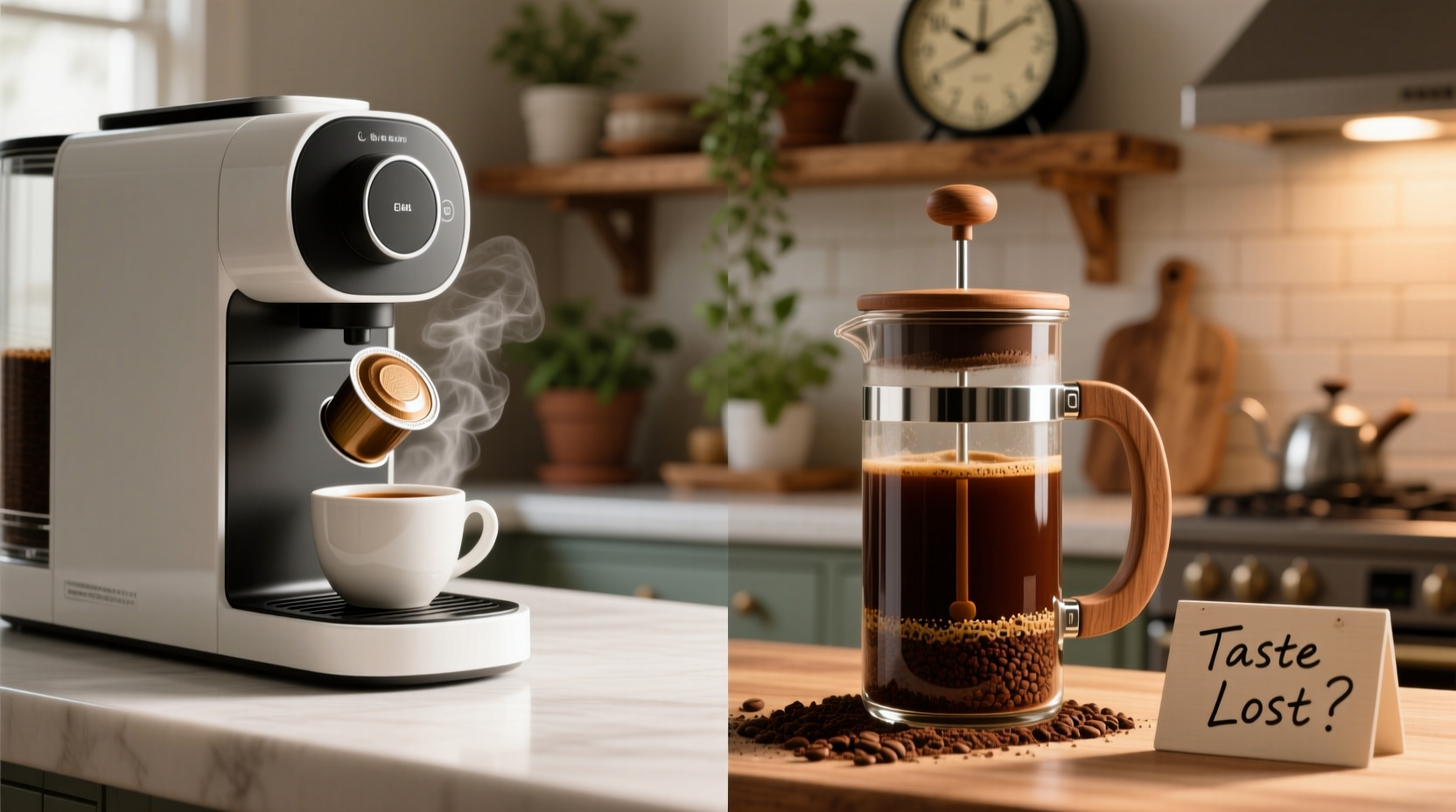
Coffee flavor emerges from a complex interaction of water temperature, contact time, grind size, and extraction method. These variables determine how much of the coffee’s soluble compounds—oils, acids, sugars, and aromatics—are drawn into your cup.
The French press operates on immersion brewing: coarsely ground coffee steeps in hot water (typically 195–205°F) for about four minutes before being separated by a metal plunger. This full-contact method allows for rich extraction, preserving essential oils and fine particles that contribute to body and complexity. The absence of paper filters means more of the coffee’s natural character comes through.
Coffee pods, especially those used in systems like Keurig or Nespresso, rely on pressurized hot water forced rapidly through finely ground, pre-measured coffee sealed in a filter-lined pod. The entire process takes 30–60 seconds. While engineered for consistency, this high-speed extraction often misses subtle flavor notes, resulting in a thinner mouthfeel and less aromatic depth.
“Extraction time is critical. Under one minute simply doesn’t allow for balanced development of flavor compounds.” — Dr. Maria Lopez, Coffee Extraction Researcher, University of California, Davis
Taste Comparison: Depth vs. Consistency
Taste is subjective, but certain measurable qualities distinguish the two methods:
- Body: French press produces a heavier, oil-rich mouthfeel due to micro-fines and retained lipids. Pods typically yield a cleaner, lighter cup.
- Aroma: The extended steeping time in a French press releases volatile aromatic compounds more fully. Pod machines, with their rapid cycle, trap many of these in the used pod.
- Balanced Acidity: Immersion brewing tends to smooth out sharp acids, creating a rounded profile. Pod coffee can sometimes taste flat or overly acidic due to uneven extraction.
- Aftertaste: Many users report a longer, more pleasant finish with French press coffee, while pod brews may leave a metallic or papery aftertaste, depending on pod quality.
Convenience Factor: Time, Clean-Up, and Portability
No argument against French press is stronger than its demand for time and attention. Preparing a proper French press involves grinding beans, heating water to the right temperature, timing the steep, and cleaning the plunger and carafe afterward. For someone rushing to work or managing a household, this can feel like an indulgence.
Coffee pods excel here. Insert pod, press button, enjoy coffee in under a minute. No grinding, no mess, minimal cleanup. Some machines even offer automatic shut-off, programmable settings, and integrated milk frothers. They’re ideal for offices, small kitchens, or multi-user households where consistency across servings matters.
Yet, convenience comes at a cost. Pod machines lock users into proprietary systems, limiting bean choice and often increasing long-term costs. A single K-Cup can cost up to $0.75, while the same amount of whole-bean coffee brewed in a French press costs around $0.25. Over a year, that difference adds up to over $180 per user.
Table: Coffee Pods vs French Press – Key Differences
| Factor | Coffee Pods | French Press |
|---|---|---|
| Prep & Brew Time | 30–60 seconds | 4–5 minutes |
| Taste Complexity | Moderate to low | High |
| Mouthfeel | Light to medium | Full-bodied, oily |
| Clean-Up Effort | Minimal (discard pod) | Moderate (rinse grounds, plunger) |
| Cost Per Cup | $0.50–$0.75 | $0.20–$0.30 |
| Sustainability | Poor (plastic/aluminum waste) | High (reusable, zero waste) |
| Customization | Limited (pod-dependent) | High (grind, ratio, time) |
Sustainability and Environmental Impact
One of the most overlooked aspects of the pod vs. French press debate is environmental cost. Billions of coffee pods are discarded annually, many ending up in landfills despite being labeled “recyclable.” In reality, the mixed materials—plastic, aluminum, organic residue—make separation difficult, and recycling rates remain below 30% globally.
In contrast, a French press uses only coffee grounds and a reusable metal filter. The grounds compost easily, enriching soil, and the device itself can last decades with basic care. Even when comparing electric kettles used to heat water, the carbon footprint per cup remains significantly lower than that of a pod machine.
Some brands now offer biodegradable or recyclable pods, but infrastructure lags behind marketing claims. Meanwhile, third-party refillable pods provide a partial solution—but require extra effort and still depend on plastic components.
“We’ve seen a 40% reduction in household coffee-related waste after switching from pods to manual brewing methods.” — Sustainable Living Report, Green Home Initiative, 2023
Real-World Example: Sarah’s Morning Routine Shift
Sarah, a marketing manager in Chicago, relied on her Keurig for years. Her mornings were efficient: wake up, hit brew, grab mug, go. But after attending a coffee tasting event, she noticed how flat her daily brew tasted compared to the nuanced pour-overs served there. Curious, she bought a French press and committed to a two-week trial.
The first few days were awkward. She over-steeped one batch, under-ground another. But by day six, she had dialed in her routine: medium-coarse grind, 1:15 coffee-to-water ratio, 4-minute steep, gentle plunge. The result was transformative—her coffee tasted brighter, fuller, with notes of chocolate and berry she’d never noticed before.
She admitted it took seven minutes instead of one. But she began enjoying the ritual—the sound of boiling water, the smell of fresh grounds, the quiet moment before her day began. Now, she uses her French press daily and reserves the pod machine only for guests who value speed over flavor.
How to Improve Your Coffee Experience Without Abandoning Convenience
You don’t have to choose extremes. With thoughtful adjustments, it’s possible to balance taste and practicality. Here’s a step-by-step guide to upgrading your coffee without sacrificing all convenience:
- Start with better beans: Use high-quality, freshly roasted whole beans regardless of your brewing method. Stale or low-grade coffee will taste poor in any format.
- Grind just before brewing: Invest in a burr grinder. Even if using a pod machine, opt for reusable capsules filled with freshly ground coffee.
- Control water temperature: Avoid boiling water directly from the tap. Let it rest 30 seconds off the boil (around 200°F) for optimal extraction.
- Experiment with ratios: In a French press, try 1 gram of coffee per 15–17 grams of water. Adjust to taste—stronger or milder as preferred.
- Pre-wet the filter (for pods): Run a water-only cycle occasionally to clear old oils and mineral buildup.
- Clean equipment weekly: Descaling your machine or rinsing your French press thoroughly prevents stale flavors.
Checklist: Optimizing Taste Without Losing Convenience
- ☑ Buy whole-bean, specialty-grade coffee
- ☑ Use a burr grinder for consistent particle size
- ☑ Heat water to 195–205°F (not rolling boil)
- ☑ If using pods, switch to reusable capsules
- ☑ Clean brewing equipment every 3–5 uses
- ☑ Store beans in an airtight container away from light
- ☑ Experiment with steep times (3:30 to 4:30 min for French press)
Frequently Asked Questions
Can I get good-tasting coffee from a pod machine?
Yes, but with limitations. High-end systems like Nespresso Vertuo offer better extraction and wider flavor profiles. Using refillable pods with premium freshly ground beans also improves results significantly. However, even the best pod machines struggle to match the aromatic depth and body of immersion brewing.
Is French press coffee bad for cholesterol?
Unfiltered coffee contains diterpenes (cafestol and kahweol), which may raise LDL cholesterol in some individuals. If you have heart concerns, consider switching to paper-filtered methods like drip or pour-over. For most healthy people, moderate French press consumption poses no risk.
Are there eco-friendly pod options?
Some brands offer compostable pods made from plant-based materials. However, these require industrial composting facilities to break down properly. In most home environments, they won’t decompose as expected. The most sustainable option remains reusable brewing methods like French press, AeroPress, or pour-over.
Conclusion: Reclaiming the Ritual of Coffee
The rise of coffee pods reflects a broader cultural shift toward instant gratification and time optimization. But coffee has always been more than fuel—it’s a sensory experience, a pause in the day, a craft shaped by tradition and attention to detail. When we reduce it to a one-button transaction, we risk losing what makes it meaningful.
The French press asks for a few extra minutes, yes. But in return, it offers richness, nuance, and a deeper connection to the beverage. You learn how grind size affects bitterness, how water temperature alters brightness, and how origin influences flavor. These aren’t chores—they’re acts of engagement.
If you’re not ready to give up your pod machine entirely, start small. Try one French press brew on a weekend morning. Compare it side-by-side with your usual pod. Notice the aroma, the texture, the evolution of flavor as it cools. You might find, as many have, that convenience isn’t the ultimate measure of value.
🚀 Ready to rediscover what great coffee tastes like? Swap one pod for a French press brew this week. Share your experience in the comments—what did you notice? Was the extra time worth it?