Pirate ship LEGO sets have long held a legendary status among fans of the iconic brick-based toy. From their bold red-and-black sails to hidden treasure chests and swashbuckling minifigures, these sets evoke adventure in a way few other themes can match. But are they truly cooler than other historical LEGO sets—like medieval castles, Roman fortresses, or Wild West towns? The answer depends on what you value: playability, design innovation, emotional resonance, or collectibility.
This article examines why pirate ship sets stand out in the LEGO universe, how they compare to other historical themes, and whether their reputation as the \"coolest\" is justified by design, community sentiment, and lasting appeal.
The Allure of the High Seas: Why Pirate Ships Captivate Builders
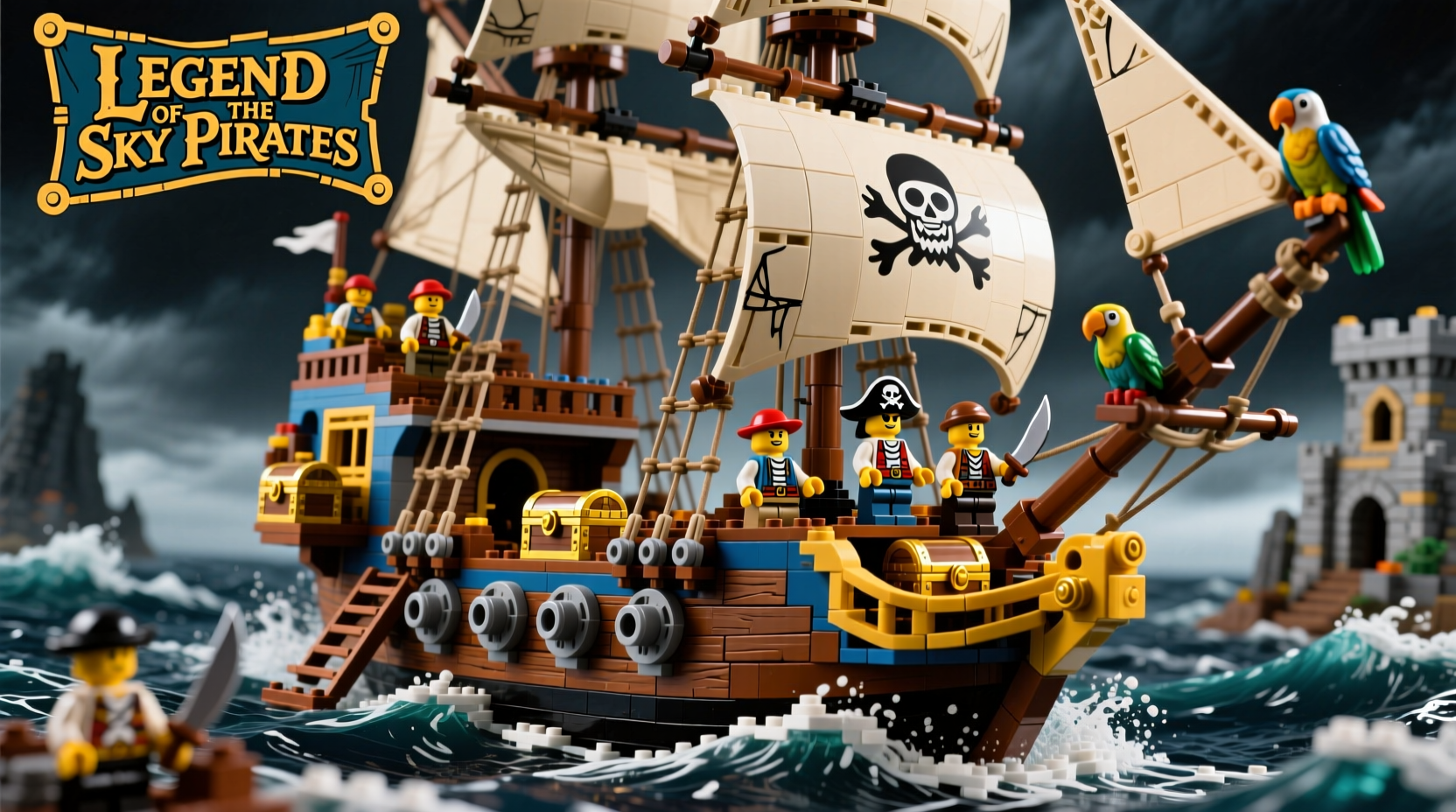
LEGO’s Pirates theme, first launched in 1989, was revolutionary for its time. It introduced not just ships, but entire island ecosystems with hidden caves, lookout towers, and mutinous crews. Unlike static historical recreations, pirate sets were built for storytelling. The inclusion of gold doubloons, cursed treasure, and rival captains turned every build into a narrative experience.
What sets pirate ships apart is their balance of realism and fantasy. They resemble actual 17th-century vessels but exaggerate features—oversized cannons, dramatic rigging, and exaggerated figureheads—that make them more cinematic than historically accurate. This blend makes them accessible to children while still appealing to adult collectors who appreciate theatrical design.
“Pirates was one of the first themes that made LEGO feel like a world, not just a toy.” — Michael Jones, AFOL (Adult Fan of LEGO) and designer at BrickJournal MagazineTip: When displaying your pirate ship set, angle the sails mid-battle and include minifigures in dynamic poses to enhance storytelling.
Design and Build Complexity Compared to Other Historical Sets
To evaluate whether pirate ships are “cooler,” we must assess structural design, part variety, and building techniques. Let’s compare pirate ships to three major historical themes: Medieval, Western, and Ancient Civilizations.
| Theme | Average Piece Count | Key Features | Play Features | Nostalgia Factor |
|---|---|---|---|---|
| Pirate Ships | 800–2,500 | Sails, cannons, treasure rooms, rotating turrets | Ship-to-ship combat, trap doors, jail cells | ★★★★★ |
| Medieval Castles | 1,200–3,000 | Turrets, drawbridges, throne rooms, stables | Battle gates, catapults, secret passages | ★★★★☆ |
| Wild West Towns | 500–1,500 | Jails, saloons, mine carts, horse stalls | Train heists, jailbreaks, duels | ★★★☆☆ |
| Ancient Egypt/Greece | 600–2,000 | Pyramids, temples, sphinxes, columns | Hidden chambers, mummy traps, artifact hunts | ★★★☆☆ |
Pirate ships consistently score high in mechanical play features—such as spring-loaded cannons and retractable sails—while maintaining a strong visual identity. Their modular decks allow for reconfiguration, and many include secondary vessels like rowboats or island bases. In contrast, castle sets often prioritize architectural accuracy over interactivity, making them impressive to display but less engaging for active play.
The Emotional Edge: Nostalgia and Cultural Impact
Nostalgia plays a significant role in how fans perceive coolness. For many adults who grew up in the '90s, the Black Seas Barracuda (set 6285) wasn’t just a toy—it was a centerpiece of childhood imagination. Its jagged silhouette and infamous Captain Redbeard became cultural icons within the LEGO community.
In comparison, while medieval and Western sets had dedicated followings, none achieved the same level of mainstream recognition. The Pirates theme was supported by comics, catalog adventures, and even animated shorts, creating a richer lore than most competing lines.
A real-world example illustrates this emotional pull:
Mini Case Study: The Return of an Old Friend
Daniel Reyes, a 34-year-old software engineer, rediscovered his childhood LEGO collection while cleaning his parents’ attic. Among dusty boxes, he found his original 1991 Jolly Roger pirate ship, missing only a few sails. Instead of discarding it, he spent weekends restoring it using online schematics and replacement parts. “It wasn’t about the bricks,” he said. “It was about reconnecting with the stories I told myself at age eight. I built entire empires around that ship.”
This kind of personal attachment is common among pirate set owners—less so with historically grounded themes that lack the same mythological flair.
Building Tips and Display Strategies for Maximum Impact
Whether you're a new builder or revisiting an old favorite, getting the most out of your pirate ship set involves more than just following instructions. Consider these actionable tips to elevate your experience:
Tip: Use LED strips inside the treasure room or captain’s quarters to create ambient lighting that enhances display appeal.- Customize minifigures with unique head prints or accessories to reflect character backstories.
- Add weathering effects with dry-brushed gray or brown stickers to simulate sea wear.
- Pair your ship with water-effect baseplates or reflective surfaces to mimic ocean waves.
- Build dioramas with rock formations, palm trees, or island forts to expand the narrative.
- Store sails separately if not on display to prevent creasing or warping over time.
FAQ: Common Questions About Pirate Ship LEGO Sets
Why did LEGO discontinue the classic Pirates theme?
LEGO rotated the Pirates theme in the early 2000s to focus on licensed properties like Pirates of the Caribbean. While the latter brought movie accuracy, many fans felt it lost the whimsical charm of the original line. Classic Pirates returned briefly in 2009 and again in 2023 with the Adventurers-inspired Icons set, responding to fan demand.
Are pirate ship sets more valuable than other historical sets?
Yes, especially vintage sets. The Black Seas Barracuda has sold for over $600 in mint condition, while comparable castle sets rarely exceed $300. Limited re-releases and high collector interest contribute to their premium resale value.
Can kids still enjoy pirate ships today?
Absolutely. Modern sets like the 21322 Pirates of Barracuda Bay combine nostalgic design with updated building techniques. The modular island and two ships offer collaborative building and imaginative play, making them ideal for family projects.
Step-by-Step Guide: Creating a Pirate-Themed LEGO Display
- Select your flagship set – Choose a centerpiece, such as the Jolly Roger or Barracuda Bay.
- Plan your layout – Sketch a scene: a battle, a treasure landing, or a storm escape.
- Gather supporting elements – Include islands, docks, or enemy ships from other sets.
- Incorporate lighting – Use battery-powered micro LEDs under decks or in lanterns.
- Add terrain details – Use blue-tinted tiles for water, sand-green pieces for beaches.
- Photograph and share – Capture your display from multiple angles and join online communities like Eurobricks or Reddit’s r/lego.
Conclusion: Sailing Beyond Comparison
Calling pirate ship LEGO sets “cooler” than other historical builds isn’t just about aesthetics or complexity—it’s about legacy. They represent a golden era when LEGO themes were self-contained worlds fueled by imagination rather than movie tie-ins. Their combination of drama, interactivity, and enduring charm gives them an edge that few other historical lines match.
That said, “cool” is subjective. A medieval knight defending a castle gate holds a different kind of majesty. A lone cowboy riding into a desert sunset tells another story. But when it comes to sheer adventure, theatricality, and emotional resonance, pirate ships ride the crest of the wave.
🚀 Ready to set sail? Rebuild a classic pirate set, start a diorama, or share your favorite LEGO memory in the forums. The high seas of creativity are waiting.