Purple sweet potatoes are more than just a vibrant addition to your plate—they’re a nutritional powerhouse packed with antioxidants, fiber, and complex carbohydrates. Their naturally sweet, earthy flavor and creamy texture make them ideal for both savory and sweet dishes. However, their unique composition requires specific handling to achieve optimal results. Unlike their orange counterparts, purple sweet potatoes have denser flesh and higher moisture content, which affects how they respond to heat. Understanding the right techniques ensures you preserve their color, maximize flavor, and achieve the ideal texture every time.
Why Purple Sweet Potatoes Are Different
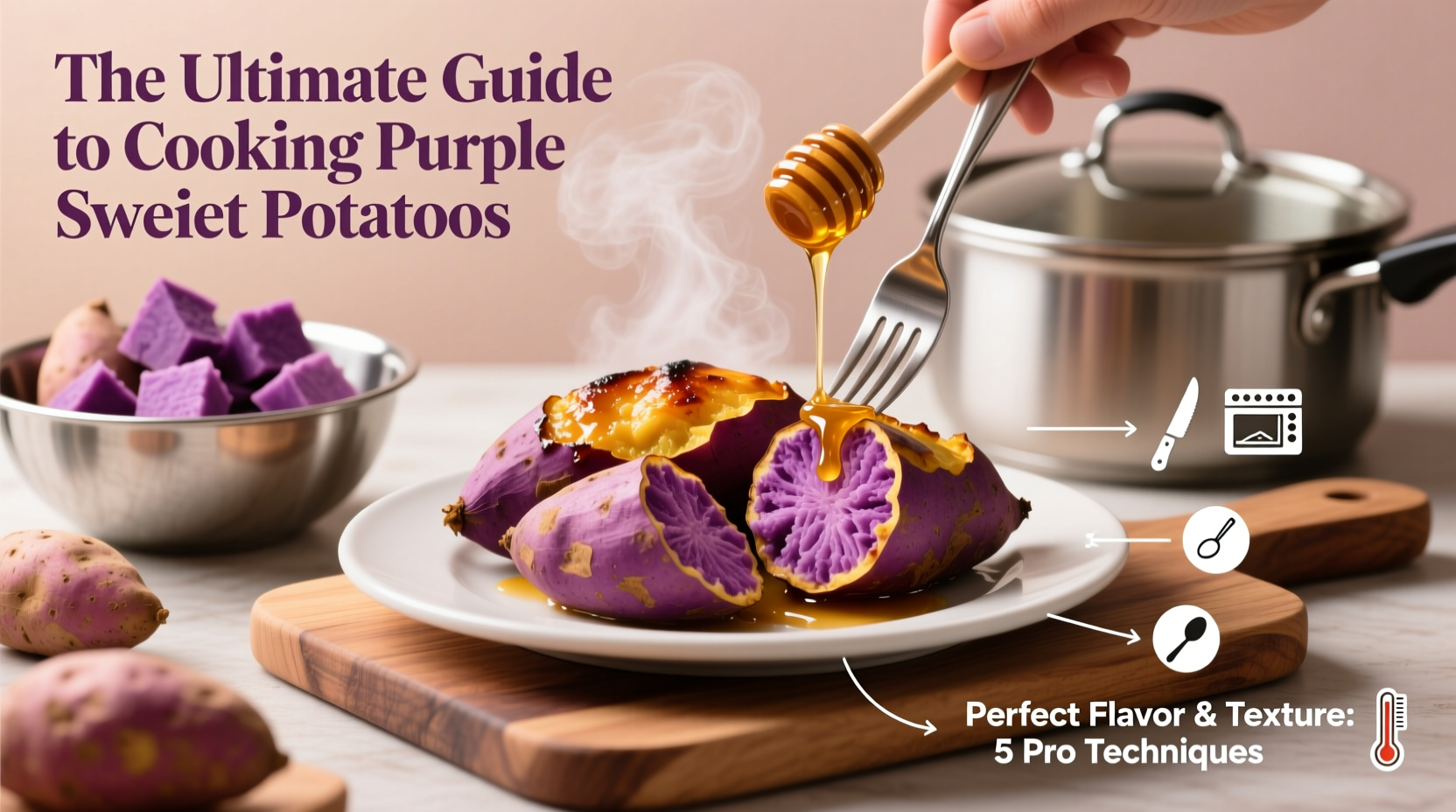
The deep purple hue comes from anthocyanins—potent antioxidants also found in blueberries and red cabbage. These compounds not only contribute to health benefits but also influence how the potatoes behave during cooking. Anthocyanins are sensitive to pH levels; they remain vivid in acidic environments but can turn dull or grayish in alkaline conditions. This means even small changes in ingredients—like adding baking soda—can alter appearance.
In terms of texture, purple sweet potatoes tend to be slightly firmer and moister than orange varieties. When cooked improperly, they can become gummy or waterlogged. The key is controlling moisture and temperature throughout the cooking process.
“Purple sweet potatoes offer superior antioxidant content compared to other root vegetables, but their full potential is unlocked only through proper preparation.” — Dr. Lena Torres, Nutritional Biochemist
Best Cooking Methods for Optimal Results
No single method suits all applications. The technique you choose should align with your intended dish and desired outcome—whether it’s fluffy mashed potatoes, crispy roasted wedges, or tender cubes for soups.
1. Steaming: Preserving Color and Nutrients
Steaming is one of the gentlest ways to cook purple sweet potatoes. It minimizes nutrient loss and prevents dilution of flavor or texture from boiling water. Because the potatoes don’t soak up liquid, they retain their firmness and bright color.
Tip: Add a splash of lemon juice or vinegar to the steaming water to stabilize the purple pigment and prevent dulling.How to steam:
- Peel and cut potatoes into uniform 1-inch chunks.
- Place in a steamer basket over simmering water.
- Cover and steam for 15–20 minutes until a knife slides in easily.
- Use immediately for mashing or let cool for salads.
2. Roasting: Deepening Flavor and Creating Texture
Roasting caramelizes natural sugars and enhances the nutty-sweet profile. High heat drives off excess moisture, yielding a creamy interior with a slightly crisp exterior when done correctly.
For best results, cut into even pieces (about ¾ inch), toss with olive oil, salt, and a touch of acid (like apple cider vinegar), then spread on a parchment-lined tray. Roast at 400°F (200°C) for 25–35 minutes, flipping halfway through.
| Factor | Do | Avoid |
|---|---|---|
| Cutting Size | Uniform ¾–1 inch cubes | Uneven or oversized cuts |
| Oven Temp | 400°F (200°C) | Below 375°F (190°C) |
| Oil Amount | 1–2 tsp per potato | Excessive oil causing sogginess |
| Pan Type | Dark metal or cast iron | Nonstick-coated pans |
3. Baking Whole: For Maximum Moisture Retention
Baking whole preserves internal moisture and delivers a soft, custard-like consistency. Ideal for stuffed potatoes or purees.
Wash and pierce the skin, then bake directly on the oven rack at 375°F (190°C) for 60–75 minutes, depending on size. Wrapping in foil slows cooking and traps steam, leading to a boiled texture—skip it unless reheating leftovers.
Flavor Pairings That Elevate Purple Sweet Potatoes
Their natural sweetness pairs beautifully with contrasting flavors. Balance is key: too much sugar overwhelms, while bold spices can mask their delicate notes.
- Acidic elements: Lime juice, tamarind, pickled onions
- Warm spices: Cinnamon, cardamom, smoked paprika
- Savory accents: Crispy sage, miso paste, toasted coconut
- Fats: Coconut milk, browned butter, tahini
A popular combination in modern fusion cuisine includes roasted purple sweet potato wedges tossed with lime zest, flaky sea salt, and chopped cilantro—a dish praised at a Portland farm-to-table bistro for its balance of brightness and richness.
“Customers kept asking if it was a new superfood. Once we told them it was just a humble purple sweet potato prepared right, they were amazed.” — Chef Marcus Reed, Wild Root Kitchen
Step-by-Step Guide: Perfect Mashed Purple Sweet Potatoes
Mashed purple sweet potatoes can be stunningly smooth and flavorful—or gluey and lifeless. Follow this timeline for consistent success.
- Prep (10 min): Peel 2 large purple sweet potatoes and cut into even cubes.
- Cook (20 min): Steam until tender. Do not boil.
- Dry (5 min): Return to pot over low heat for 2–3 minutes to evaporate surface moisture.
- Mash (5 min): Use a potato ricer or hand masher. Avoid blenders or food processors.
- Season: Mix in 2 tbsp warm brown butter, 1 tbsp maple syrup, pinch of sea salt, and ½ tsp ground cinnamon.
- Serve: Garnish with toasted pecans and a drizzle of reduced balsamic.
Storage and Reheating Tips
Cooked purple sweet potatoes keep well but require careful handling to maintain quality.
- Refrigerate in an airtight container for up to 5 days.
- Freeze in portioned bags for up to 3 months. Thaw overnight before reheating.
- To reheat: Warm gently in a covered skillet with a splash of water or broth to restore moisture.
Never microwave without covering—the high water content causes uneven heating and rubbery spots.
FAQ
Can I eat the skin of purple sweet potatoes?
Yes, the skin is edible and rich in fiber. Just ensure thorough scrubbing before cooking, especially if roasting or baking whole.
Why did my purple sweet potatoes turn gray after cooking?
This typically happens due to alkalinity. Avoid using baking soda or hard water. Adding a small amount of acid (lemon juice or vinegar) during cooking helps maintain vibrancy.
Are purple sweet potatoes healthier than orange ones?
Both are nutritious, but purple varieties contain significantly higher levels of anthocyanins, linked to reduced inflammation and improved cognitive function. They also have a lower glycemic index, making them a better choice for blood sugar management.
Conclusion
Cooking purple sweet potatoes to perfection isn’t about complexity—it’s about understanding their unique properties and responding with precision. From steaming to roasting, each method offers distinct advantages when applied thoughtfully. With attention to pH, moisture control, and seasoning balance, you can transform this vibrant tuber into dishes that delight the eye and nourish the body.
🚀 Ready to elevate your next meal? Try roasting a batch tonight with smoked paprika and garlic—then share your creation or tips in the comments below!