Types of Coffee Jars
Wholesale coffee jars are specially designed containers engineered to preserve the freshness, aroma, and flavor of coffee beans and grounds. These jars come in a wide variety of types, categorized primarily by material, size, and functionality features. Choosing the right coffee jar depends on your storage needs, aesthetic preferences, and usage environment—whether at home, in a café, or for commercial resale.
Material-Based Classification
The material of a coffee jar significantly impacts its ability to preserve freshness, durability, and visual appeal. Different materials offer unique benefits and trade-offs in terms of insulation, taste neutrality, and environmental impact.
Glass Jars
Made from transparent or tinted borosilicate glass, these jars offer excellent visibility and chemical inertness.
Advantages
- Preserves flavor with no chemical leaching
- Resistant to odors and stains
- Recyclable and eco-friendly
- Allows visual inspection of coffee level
Limitations
- Fragile and prone to breakage
- Can allow light exposure (unless tinted)
- Heavier than plastic or metal alternatives
Best for: Home kitchens, gift packaging, retail display
Plastic Jars
Typically made from food-grade PET or HDPE plastic, these are lightweight and cost-effective.
Advantages
- Lightweight and shatterproof
- Affordable for bulk purchases
- Available in various colors and shapes
- Good moisture resistance
Limitations
- Potential for odor absorption over time
- May degrade with UV exposure
- Less environmentally sustainable
Best for: Commercial use, travel, budget-friendly packaging
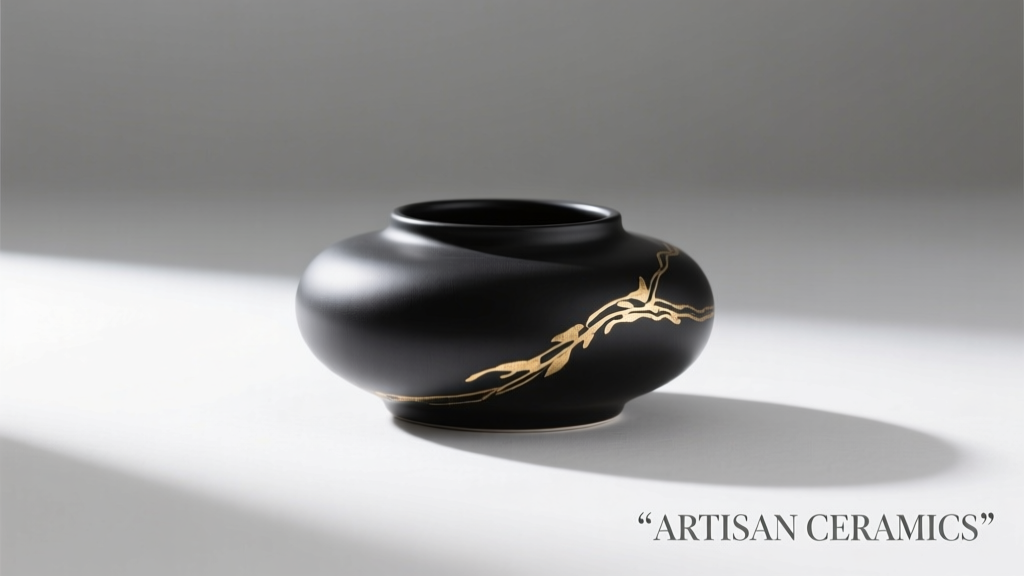
Ceramic Jars
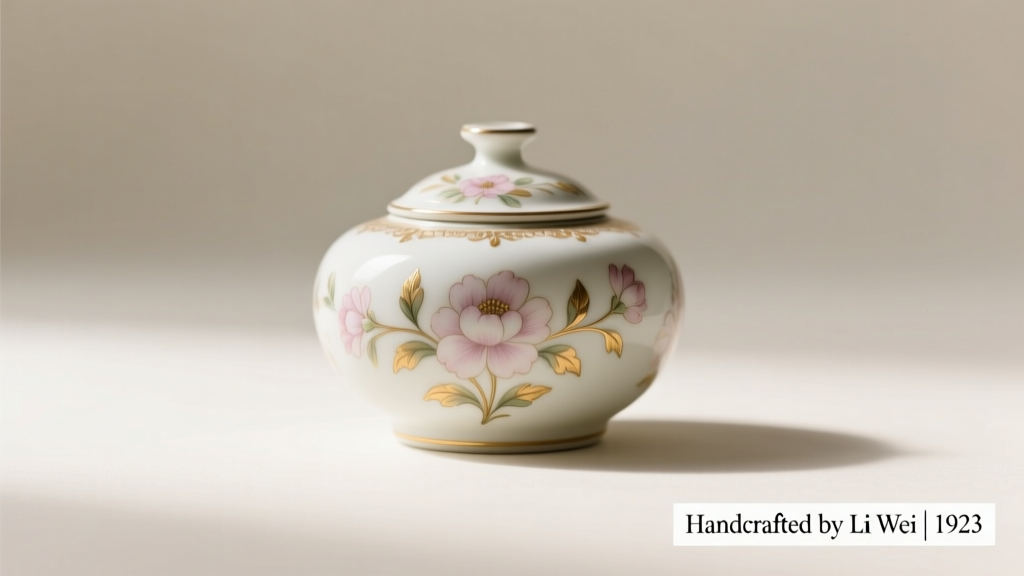
Handcrafted or molded from fired clay, often glazed for airtight sealing and decorative appeal.
Advantages
- Excellent insulation against temperature changes
- Minimal impact on coffee flavor
- Stylish and decorative
- Blocks light completely
Limitations
- Heavy and fragile
- Limited transparency (can't see contents)
- Higher cost and less common in wholesale
Best for: Artisanal brands, home décor, gift sets
Stainless Steel Jars
Durable, double-walled containers often featuring vacuum insulation and modern sealing mechanisms.
Advantages
- Highly durable and impact-resistant
- Superior protection from light, moisture, and air
- Long-term freshness retention
- Sleek, professional appearance
Limitations
- No visibility of contents
- Premium pricing
- Can be heavier than alternatives
Best for: Premium coffee brands, baristas, long-term storage
Size-Based Classification
Coffee jars are available in a range of sizes to suit different usage scenarios, from individual consumption to commercial service. Size selection impacts convenience, shelf life, and portion control.
| Size Category | Capacity Range | Typical Use Case | Key Benefits |
|---|---|---|---|
| Small Jars | 4–12 oz (115–340g) | Home use, single-serve, gifts | Compact, portable, maintains freshness for short-term use |
| Medium Jars | 12–24 oz (340–680g) | Household storage, small offices | Balanced size for regular use, fits standard shelves |
| Large Jars | 24–64 oz (680g–1.8kg) | Cafés, restaurants, wholesale | Reduces refill frequency, cost-effective per unit |
| Extra-Large / Bulk | 64+ oz (1.8kg+) | Commercial roasters, bulk retailers | Ideal for inventory storage and minimizing packaging waste |
Functionality Features
Modern coffee jars often include advanced functional features designed to enhance usability, freshness, and convenience. These innovations go beyond basic storage to support precise brewing and long-term preservation.
- Airtight Seals: Silicone gaskets or vacuum locks prevent oxygen exposure, which is a primary cause of coffee staling. Essential for preserving volatile aroma compounds.
- One-Way Degassing Valves: Allow CO₂ to escape from freshly roasted beans without letting air in, ideal for roasters packaging beans shortly after roasting.
- Measurement Markings & Lids: Integrated scales or marked lids help users measure the correct coffee-to-water ratio without additional tools, improving brewing consistency.
- Dispensing Mechanisms: Flip-top, push-button, or rotating spouts offer controlled pouring, reducing waste and mess—especially useful in busy environments.
- UV-Blocking Tints or Opaque Walls: Protect coffee from light degradation, crucial for preserving flavor over extended periods.
Expert Tip: For optimal freshness, store coffee in a cool, dark place using an airtight jar made of glass, ceramic, or stainless steel. Avoid plastic containers for long-term storage, especially if they’ve previously held aromatic foods, as they may retain odors that affect coffee flavor.
Design of Coffee Jars: Enhancing Freshness, Functionality, and Aesthetics
The design of coffee jars plays a crucial role in preserving the flavor, aroma, and overall quality of coffee beans or grounds. For coffee enthusiasts and home baristas alike, choosing the right jar isn't just about appearance—it's about optimizing storage conditions to extend shelf life and ensure a consistently fresh brew. Thoughtful design elements can significantly impact both usability and preservation, making it essential to understand the key features that define high-performance coffee storage solutions.
Key Design Features of Coffee Jars
Lid and Sealing Mechanism
The lid and sealing system are arguably the most critical components of a coffee jar, directly influencing how well the contents remain fresh over time. High-quality coffee jars typically feature airtight lids equipped with rubber gaskets or silicone seals that create a vacuum-like environment when closed. This design effectively blocks out oxygen, moisture, and ambient odors—three primary factors that accelerate coffee degradation.
Advanced models may incorporate one-way degassing valves, which allow internal CO₂ (released naturally by freshly roasted beans) to escape without letting external air in. This technology is especially beneficial for storing whole bean coffee, as it prevents pressure buildup while maintaining an oxygen-free environment. Proper sealing not only preserves flavor but also prevents clumping and mold formation in humid environments.
Size and Capacity
Coffee jar capacity varies widely, ranging from compact 250 ml containers ideal for single servings or small households to large multi-liter models suited for commercial kitchens, cafes, or frequent brewers. Selecting the appropriate size is vital to minimizing waste and maximizing freshness.
Smaller jars (250–500 ml) are perfect for daily use, allowing users to store only what they’ll consume within a week or two—critical since exposure to air begins degrading coffee immediately after opening. Larger jars (1–2 liters) are more economical for bulk storage but should be paired with smaller transfer containers to avoid repeated air exposure. Matching the jar size to your consumption rate ensures optimal flavor retention and reduces the risk of stale coffee.
Transparency and Light Protection
While transparent glass or acrylic jars offer the visual appeal of seeing the coffee inside—and help monitor fill levels—they pose a significant drawback: exposure to light. UV and visible light can break down aromatic compounds in coffee, leading to a flat, stale taste over time.
Opaque or tinted jars (such as amber, cobalt blue, or matte black) provide superior protection by blocking harmful light rays. Many premium coffee brands use dark glass or ceramic containers specifically for this reason. If using a clear jar, it's best to store it in a dark cabinet or pantry. For those who value both aesthetics and freshness, dual-layer jars—clear outer with an opaque inner liner—are an innovative compromise.
Ease of Use and Ergonomic Design
A well-designed coffee jar should not only preserve freshness but also be convenient to use daily. Features such as wide openings make it easier to scoop out coffee without spilling, while smooth-threaded or clamp-style lids ensure a secure seal without requiring excessive force to open or close.
Ergonomic touches like built-in handles, non-slip bases, and stackable designs enhance usability in busy kitchens or countertops with limited space. Some modern jars even include measurement markings on the inside or integrated scoops for precise portioning. The goal is to encourage consistent use by making the jar intuitive and accessible, reducing the temptation to leave it open or transfer coffee to less protective containers.
| Design Feature | Impact on Coffee Quality | Best Practices |
|---|---|---|
| Airtight Seal | High | Choose jars with silicone gaskets or vacuum locks; look for models with degassing valves for whole beans |
| Capacity (250ml–1L) | Medium–High | Select size based on weekly consumption; avoid overfilling or underfilling to reduce air exposure |
| Opaque or Tinted Material | High | Prioritize dark glass, ceramic, or stainless steel; store clear jars in dark cabinets |
| Wide Mouth & Easy-Open Lid | Medium | Opt for wide openings (≥5 cm) and ergonomic lids for daily convenience |
Additional Considerations for Optimal Coffee Storage
Important: Even the best-designed jar cannot fully preserve coffee indefinitely. For peak flavor, consume whole beans within 2–4 weeks of roasting and ground coffee within 1 week. Always store coffee away from heat sources, direct sunlight, and strong odors (like spices or cleaning products) to maintain its integrity. Proper jar selection and usage are key steps in the journey from bean to perfect brew.
Scenarios for Coffee Jars: Maximizing Freshness, Presentation & Utility
Coffee jars are far more than simple containers—they are essential tools for preserving quality, enhancing presentation, and supporting practical use across a wide range of environments. From home kitchens to commercial cafes and gifting occasions, the right coffee jar can significantly impact the coffee experience. Below are the most common and impactful scenarios where coffee jars deliver real value.
Home Storage: Preserving Freshness Daily
For coffee enthusiasts, maintaining the flavor and aroma of coffee begins the moment it’s opened. An airtight coffee jar is a must-have in any kitchen, as it protects coffee from the three main enemies of freshness: air, moisture, and light. Exposure to these elements accelerates oxidation and staling, resulting in flat, dull-tasting brews.
High-quality jars with UV-protective tinting or opaque materials help block light, while silicone-sealed lids ensure an oxygen-free environment. Many coffee lovers also appreciate jars with labeling areas or chalkboard surfaces, allowing them to identify different roasts, origins, or grind types—especially useful for households that rotate between light, medium, and dark roasts.
Pro Tip: Store coffee jars in a cool, dark cupboard—never above the stove or near a window—where heat and humidity can compromise bean integrity.
Retail Settings: Display & Bulk Storage Solutions
In grocery stores, specialty markets, and coffee shops, glass coffee jars serve dual purposes: functional storage and visual merchandising. In bulk sections, transparent jars allow customers to see the quality and texture of whole beans or ground coffee, encouraging sampling and purchase.
Beyond aesthetics, these jars maintain product freshness by minimizing exposure to ambient air when properly sealed. Retailers often use large, stackable canisters with portioning scoops for easy access, while also enabling inventory rotation (FIFO—First In, First Out). Some stores even offer refill programs, promoting sustainability by reducing single-use packaging waste.
Key Benefit: Well-labeled jars with origin details, roast dates, and tasting notes enhance customer education and trust in product quality.
Cafe and Restaurant Presentation: Style Meets Function
In professional foodservice environments, coffee jars are both practical and aesthetic assets. Cafes often use large, cylindrical canisters to store pre-portioned coffee grounds for espresso or pour-over brewing, ensuring consistency and reducing prep time during peak hours.
Strategically placed on counters or shelves, these jars contribute to the visual branding and ambiance of the space. Whether made of glass, ceramic, or brushed metal, they communicate a sense of craftsmanship and attention to detail. Some establishments label jars with the coffee’s origin (e.g., "Ethiopian Yirgacheffe" or "Sumatra Mandheling") and roast profile, turning storage into a storytelling tool.
Jars are also commonly used to store coffee accompaniments like sugar, honey sticks, cinnamon, or plant-based creamers—keeping them organized, dust-free, and visually appealing for self-service stations.
Travel and On-the-Go Use: Fresh Coffee Anywhere
For travelers, campers, and remote workers, maintaining coffee quality on the move is a top priority. Vacuum-sealed or double-walled coffee canisters are designed to preserve freshness during extended trips by creating an airtight barrier against oxygen and moisture.
These lightweight, durable containers are ideal for road trips, hiking excursions, or international travel where access to quality coffee may be limited. Many models feature compact designs that fit easily in backpacks or car consoles, and some even include built-in grinders or portion scoops for convenience.
Ideal For: Digital nomads, outdoor adventurers, and frequent flyers who value a consistent, high-quality brew no matter their location.
Gift Packaging: Thoughtful & Sustainable Gifting
Coffee jars have become a popular choice for gift-giving, combining practicality with emotional appeal. A beautifully designed glass or ceramic jar filled with premium whole-bean coffee makes a memorable present for holidays, housewarmings, or corporate events.
What sets coffee jar gifts apart is their lasting value: once the coffee is enjoyed, the recipient can repurpose the jar for storing spices, tea, baking ingredients, or even as a decorative vase. This dual-purpose nature enhances sustainability and ensures the gift continues to provide utility long after the initial treat is gone.
Many brands elevate the experience with custom labels, ribbon accents, or paired accessories like wooden scoops or reusable filters—turning a simple container into a curated lifestyle product.
Expert Insight: When selecting coffee jars for any application, prioritize airtight seals, material quality (glass or food-grade ceramic), and ease of labeling. For commercial use, consider standardized sizes for shelf uniformity; for home or gift use, focus on design and user experience. The best coffee jars don’t just store—they enhance the entire coffee journey.
| Use Case | Recommended Jar Type | Key Features | Lifespan & Reusability |
|---|---|---|---|
| Home Storage | Airtight glass with UV protection | Sealed lid, labeling space, opaque or tinted | Years (reusable indefinitely) |
| Retail Display | Large transparent glass canister | Stackable, scoop-friendly, durable | 3+ years with proper care |
| Cafe/Restaurant | Stainless steel or ceramic cylinder | Professional look, portion control, hygienic seal | 5+ years (commercial grade) |
| Travel | Vacuum-sealed portable canister | Lightweight, leak-proof, compact | 2–4 years (depending on use) |
| Gift Packaging | Decorative glass or ceramic jar | Custom label, aesthetic design, gift-ready | Lifetime (high repurposing potential) |
Additional Considerations
- Sustainability: Glass and ceramic jars are recyclable and reusable, aligning with eco-conscious consumer values.
- Branding Opportunity: Custom-engraved or labeled jars strengthen brand identity in retail and café environments.
- Hygiene: Smooth, non-porous surfaces prevent bacterial growth and are easy to clean.
- Portion Control: Marked measurement lines help users maintain consistent coffee-to-water ratios.
- Accessibility: Wide mouths allow easy scooping and cleaning, while ergonomic lids assist users with limited dexterity.
Specification and Maintenance of Coffee Jars: A Complete Guide
Proper specification and maintenance of coffee jars are essential for preserving the freshness, aroma, and flavor of your coffee. Whether you're a casual coffee drinker or a dedicated enthusiast, understanding the key features and care practices can significantly extend the shelf life of your beans or grounds. This guide outlines the most important criteria—airtight sealing, material durability, cleaning protocols, and odor prevention—to help you choose and maintain the ideal coffee storage solution.
Important Note: Even the best coffee can lose its quality within days if stored improperly. Avoid exposure to air, moisture, heat, and light—these are the four main enemies of fresh coffee. Proper jar selection and maintenance directly impact your brew’s taste and consistency.
Key Specifications for Optimal Coffee Storage
- Airtight Seal Quality
The integrity of the airtight seal is the most critical factor in preserving coffee freshness. Oxygen exposure leads to oxidation, which rapidly degrades the volatile compounds responsible for aroma and flavor. When selecting a coffee jar, ensure the lid features a high-quality rubber or silicone gasket that creates a vacuum-like closure between the lid and the jar body.
- Look for jars with screw-top or clamp-style lids designed to compress the seal upon closing
- Test the seal by pressing down on the lid after closing—if it flexes or pops, the seal may be compromised
- Consider jars with one-way degassing valves, which allow CO₂ (released by freshly roasted beans) to escape without letting air in
- Replace worn or cracked seals promptly to maintain effectiveness
- Material Durability and Suitability
The construction material affects not only the jar’s longevity but also its performance in different environments. Each material has distinct advantages and limitations depending on your storage needs.
Material Pros Cons Best For Glass Non-porous, transparent, chemically inert, easy to clean Fragile, allows light penetration (unless tinted) Home storage in dark cabinets Stainless Steel Durable, opaque, resistant to dents and corrosion Not transparent, heavier, may retain odors if not cleaned properly Travel, kitchen counters, fridge storage Plastic (BPA-free) Lightweight, shatterproof, affordable Porous over time, may absorb odors, less durable Portable use, temporary storage Ceramic Stylish, opaque, good insulation Heavy, fragile, porous if unglazed Decorative countertop display For frequent travelers or those storing coffee in refrigerators or humid environments, vacuum-sealed stainless steel or BPA-free plastic containers are ideal due to their resilience and portability.
- Cleaning and Hygiene Best Practices
Regular and thorough cleaning prevents bacterial growth, mold, and residue buildup that can taint future batches of coffee. Hygiene is especially crucial if the same jar is used for different types of beans, grounds, or even non-coffee ingredients like tea or spices.
- Choose jars with removable, dishwasher-safe lids for easy cleaning
- Wash glass, stainless steel, and ceramic jars in warm, soapy water using a bottle brush for hard-to-reach areas
- For non-dishwasher-safe components, hand wash with mild detergent and dry completely before reuse
- Use a natural cleaning solution of equal parts white vinegar and baking soda to remove stubborn coffee oils and stains
- Avoid abrasive scrubbers that can scratch surfaces and trap residues
- Never store coffee in a damp container—moisture accelerates spoilage and promotes mold
- Preventing Residual Odors and Flavor Contamination
Porous materials like untreated ceramic or low-grade plastic can absorb strong coffee oils and aromas, which may later leach into new contents. This cross-contamination can distort the flavor profile of delicate single-origin beans.
- Always dry the jar thoroughly after washing—air dry upside down on a clean towel for at least 12 hours
- Use separate jars for different coffee types (e.g., light roast vs. dark roast) or flavored blends
- Store the jar in a cool, dark place away from spices, onions, garlic, or other strong-smelling items
- Occasionally deep-clean with a vinegar rinse (1 part vinegar to 3 parts water) followed by a thorough rinse and drying
- Consider using dedicated, labeled jars for specific coffee varieties to maintain flavor purity
Expert Tip: To maximize freshness, buy whole bean coffee in small batches and grind only what you need daily. Store the unopened beans in their original foil-lined bag inside your coffee jar for an extra layer of protection against light and air.
Additional Maintenance Recommendations
- Inspect seals and lids monthly for cracks, warping, or wear
- Label jars with the roast date and type of coffee for better rotation (use the "first in, first out" principle)
- Avoid placing coffee jars near ovens, stoves, or direct sunlight
- Replace plastic containers every 6–12 months due to gradual degradation and odor retention
- For long-term storage, consider freezing coffee in airtight, vacuum-sealed bags—but only if you won’t open them frequently
By carefully selecting the right coffee jar and maintaining it properly, you ensure that every cup you brew captures the true essence of the bean. Remember, even premium coffee cannot overcome poor storage. Invest time in choosing a high-quality, airtight container and commit to a regular cleaning routine to enjoy consistently fresh and flavorful coffee every day.
Frequently Asked Questions About Airtight Coffee Jars
Q1: What Are the Most Important Features of an Airtight Coffee Jar?Choosing the right airtight coffee jar is essential for preserving the flavor, aroma, and freshness of your coffee. The most important features to look for include:
- Airtight Seal: A high-quality rubber or silicone gasket ensures an effective seal that prevents oxygen from entering, which is one of the primary causes of coffee staling.
- Light Protection: UV-resistant or opaque materials (such as tinted glass or stainless steel) protect coffee from light exposure, which can degrade volatile compounds responsible for flavor and aroma.
- Durable Materials: Whether made from glass, stainless steel, or BPA-free plastic, the jar should be sturdy, non-reactive, and resistant to scratches or odors.
- Easy to Use and Clean: Look for wide openings for easy access, removable lids for thorough cleaning, and dishwasher-safe components to maintain hygiene without hassle.
- Capacity and Design: Opt for a size that matches your consumption and a design that fits well in your kitchen while keeping the coffee portioned properly to minimize air exposure.
Investing in a jar with these features helps extend the shelf life of both whole bean and ground coffee, ensuring a consistently fresh brew.
Q2: How Should a Coffee Jar Be Cleaned to Maintain Freshness?Proper cleaning is crucial to prevent residual oils and odors from contaminating fresh coffee. Here’s how to clean a coffee jar effectively:
- Regular Washing: After emptying the jar, wash it with warm water and a mild dish soap using a soft sponge to avoid scratching the surface.
- Deep Cleaning (Monthly): For built-up coffee oils, use a natural cleaning solution of white vinegar and baking soda. Mix a tablespoon of baking soda with a splash of vinegar, add warm water, and let it sit for 15–30 minutes before scrubbing gently.
- Rinse Thoroughly: Ensure no soap or cleaning residue remains, as even trace amounts can affect coffee taste.
- Dry Completely: Air-dry the jar and lid upside down on a clean towel to prevent moisture buildup, which can lead to mold or off-flavors.
- Odor Check: Before refilling, sniff the jar to confirm it’s completely odor-free. Lingering smells can transfer to your coffee and compromise its quality.
Maintaining a clean, odor-free environment inside the jar is just as important as the seal itself when preserving coffee freshness.
Q3: Do Vacuum-Sealed Jars Protect Coffee from Going Stale?Yes, vacuum-sealed jars are highly effective at slowing down the staling process by removing air—specifically oxygen—from the container. Here’s how they help:
- Oxygen Removal: Oxygen causes oxidation, which degrades the essential oils and aromatic compounds in coffee. Vacuum sealing significantly reduces this exposure.
- Extended Freshness: Vacuum-sealed containers can keep coffee fresh for several weeks longer than standard airtight jars, especially when stored in a cool, dark place.
- Pump Mechanisms: Many models come with manual or automatic pumps that extract air through a one-way valve, creating a partial vacuum with minimal effort.
- Limitations: While vacuum sealing helps, it cannot stop all degradation processes—light, heat, and moisture still need to be controlled. Also, degassing coffee (especially freshly roasted beans) may require vented containers initially.
For long-term storage, vacuum-sealed jars are among the best options, but they work best when combined with proper storage practices.
Q4: What’s the Role of a Coffee Canister?A coffee canister plays a vital role in preserving the quality of your coffee by acting as a protective barrier against the four main enemies of freshness:
- Air: Prevents oxygen from oxidizing coffee oils and diminishing flavor.
- Moisture: Blocks humidity that can cause clumping, mold growth, or chemical changes in the beans.
- Light: Shields coffee from UV and visible light, which accelerate degradation of sensitive flavor compounds.
- Heat: While not insulated, a well-designed canister helps minimize temperature fluctuations when stored in a cool cabinet or pantry.
Beyond preservation, a good coffee canister also offers convenient access, portion control, and an attractive way to display your favorite coffee on the countertop. Whether simple or advanced, its primary purpose is to keep your coffee as close to its freshly roasted state as possible.
Q5: What Do Stainless Steel Coffee Jars Offer?Stainless steel coffee jars are a popular choice for both home and commercial use due to their combination of functionality and durability. Key benefits include:
- Exceptional Durability: Resistant to dents, cracks, and corrosion, making them ideal for long-term use and travel.
- Superior Light and Air Protection: Opaque construction blocks 100% of light, and when paired with a silicone gasket and secure lid, provides excellent airtight performance.
- Flavor Preservation: Non-porous and non-reactive, stainless steel won’t absorb odors or leach chemicals, ensuring the pure taste of your coffee remains intact.
- Elegant & Modern Aesthetic: Offers a sleek, professional look that complements any kitchen or café setting.
- Easy Maintenance: Most stainless steel jars are hand-wash recommended but can be cleaned easily with soapy water and a soft cloth.
While typically more expensive than glass or plastic alternatives, stainless steel jars represent a long-term investment in coffee freshness and kitchen utility.