Mediterranean chicken spice rub is more than a shortcut to bold flavor—it’s a culinary bridge connecting sun-drenched coastal kitchens from Greece to Morocco. When used skillfully, this blend transforms ordinary poultry into aromatic, deeply seasoned dishes that evoke olive groves, grilled meats, and herb-laced meze platters. Yet many home cooks apply it haphazardly, missing the nuances that define restaurant-quality results. Understanding how professional chefs leverage this rub—not just as seasoning but as a strategic layering tool—can elevate your entire approach to grilling, roasting, and marinating. These ten expert techniques reveal how to use Mediterranean chicken spice rub with precision, depth, and authenticity.
Definition & Overview
A Mediterranean chicken spice rub is a dry seasoning blend formulated to capture the aromatic essence of Southern European, North African, and Middle Eastern cuisines. Unlike single-origin spices, it functions as a harmonized ensemble—typically combining dried herbs, warm spices, citrus notes, and umami-rich elements. While recipes vary by region and chef, the core identity remains consistent: earthy, herbal, subtly tangy, and gently warm without overwhelming heat.
The rub originated as a preservation and flavor-enhancement method in pre-refrigeration eras, where salt and antimicrobial spices like oregano and garlic were rubbed onto meat to extend shelf life and improve taste. Over time, these functional mixtures evolved into signature flavor profiles across the Mediterranean basin. Today’s commercial and artisanal versions are designed specifically for chicken, balancing compatibility with poultry’s mild fat content and protein structure while avoiding bitterness or excessive saltiness.
Key Characteristics
| Attribute | Description |
|---|---|
| Flavor Profile | Earthy, herbal, slightly citrusy, with hints of warmth and umami; rarely spicy-hot. |
| Aroma | Dominant notes of oregano, thyme, rosemary, garlic, lemon zest, and toasted cumin. |
| Color | Medium brown to russet, often flecked with green (herbs) and yellow (turmeric or mustard powder). |
| Heat Level | Low to none; occasional warmth from paprika or black pepper, not capsaicin burn. |
| Culinary Function | Surface seasoning, flavor base, crust formation, aroma infusion during searing or roasting. |
| Shelf Life | 6–12 months in airtight container away from light and moisture. |
Practical Usage: How to Use Mediterranean Chicken Spice Rub Like a Pro
The difference between amateur and professional use lies not in quantity, but in timing, layering, and technique. A pro chef treats the rub not as a final dusting but as an integrated component of the cooking process. Below are ten actionable strategies drawn from decades of kitchen experience.
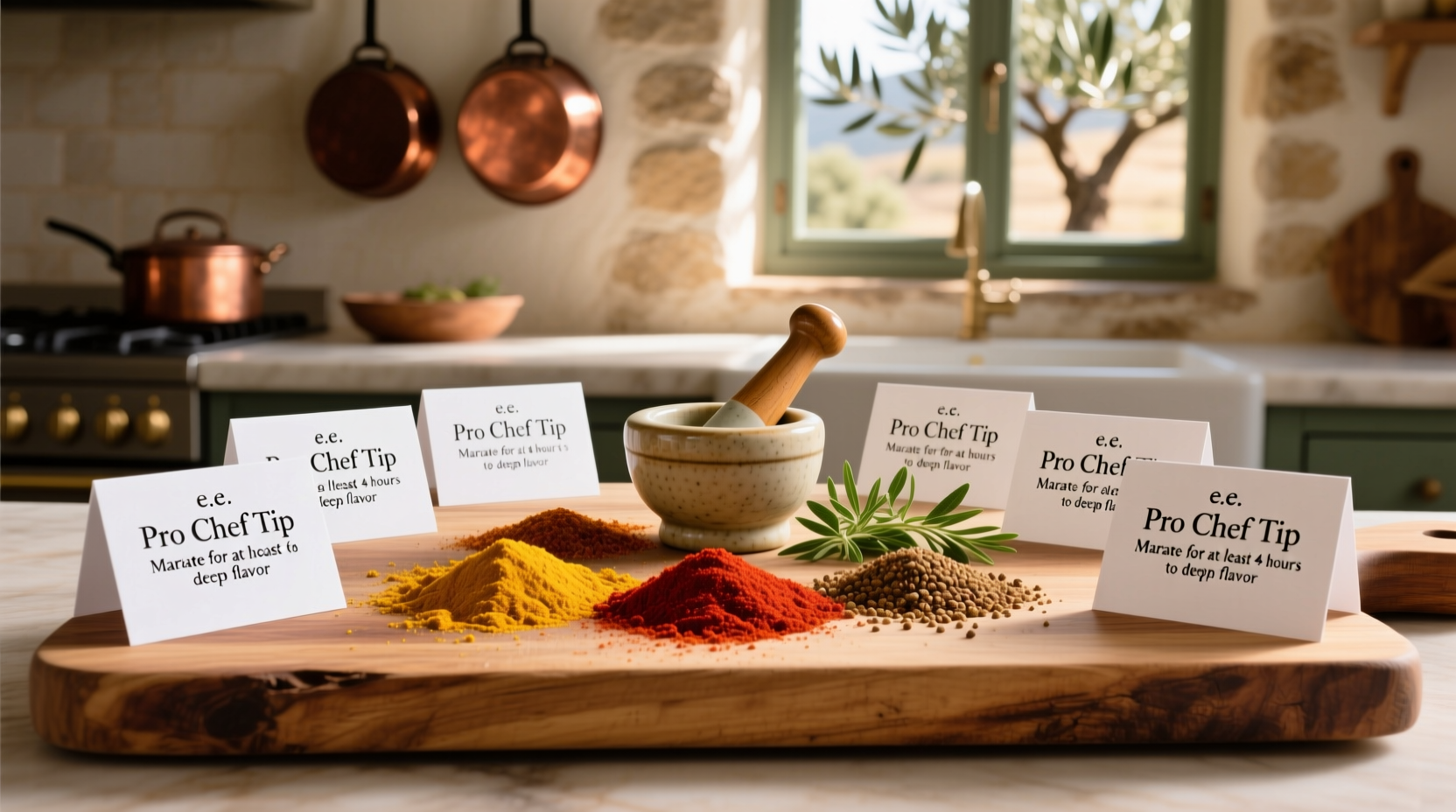
1. Apply the Rub at Least 4 Hours Before Cooking (Overnight Is Ideal)
Time is your most powerful ally. Applying the spice rub well in advance allows essential oils in dried herbs and spices to penetrate the surface proteins of the chicken. Salt in the blend draws out moisture initially, then reabsorbs it along with spice compounds—a process called osmosis-driven flavor infusion. For whole chickens or bone-in pieces, refrigerate uncovered for 8–12 hours to also dry the skin, promoting crispness during roasting.
Pro Tip: If short on time, let the rubbed chicken sit at room temperature for 30 minutes before cooking. This increases surface permeability and ensures even cooking.
2. Use Oil as a Flavor Carrier, Not a Crust Builder
Many home cooks douse chicken in oil before applying rubs, believing it helps “stick” the spices. But too much oil creates a slick barrier that prevents adhesion and steams instead of sears. Instead, lightly coat the chicken with a high-smoke-point oil like avocado or refined olive oil—just enough to create a sheen—then press the rub firmly into the surface. The oil acts as a solvent for fat-soluble flavor compounds (like those in thyme and rosemary), enhancing their release during heating.
3. Double-Layer the Rub for Grilled or Smoked Chicken
High-heat methods like grilling can cause partial rub loss due to flare-ups or direct flame contact. To compensate, chefs use a two-stage application: first when seasoning raw chicken, then again during the final minutes of cooking. The second pass restores volatile aromatics (especially delicate herbs like basil or marjoram) lost to heat degradation. For smoked chicken, sprinkle a small amount over the meat immediately after removing it from the smoker to refresh top notes.
4. Toast the Rub Lightly Before Application for Intensified Depth
Dry-toasting whole spices is standard in Indian and Middle Eastern cooking—but few apply the same logic to pre-mixed rubs. Place 1–2 tablespoons of the spice blend in a hot, dry skillet for 60–90 seconds until fragrant. This Maillard-like reaction unlocks deeper, nuttier flavors from cumin, coriander, and paprika. Let cool slightly, then blend with a touch of olive oil to form a paste before rubbing onto chicken. Avoid overheating, which can scorch delicate herbs.
5. Balance Salt Content by Checking the Blend First
Commercial rubs often contain 20–30% salt by volume. Blindly applying them alongside additional salting leads to oversalted dishes. Always read the ingredient label. If salt is listed first, treat the rub as a “salt-forward” product and skip pre-salting. For low-sodium diets, choose blends labeled “no added salt” or make your own using unsalted components. A balanced ratio is roughly 3 parts spices to 1 part sea salt by volume.
6. Extend the Rub Beyond Chicken: Use It as a Base for Other Proteins and Vegetables
The versatility of this rub extends far beyond poultry. Chefs repurpose it as a foundational flavor agent in diverse applications:
- Lamb chops: Enhances gaminess with herbal counterpoints.
- Firm fish (halibut, swordfish): Complements rich flesh without overpowering.
- Roasted vegetables: Toss cauliflower, zucchini, or potatoes in olive oil and rub before roasting at 400°F (200°C).
- Grain bowls: Stir a teaspoon into cooked farro or couscous for instant complexity.
This cross-category use maximizes value and maintains flavor continuity across a meal.
7. Create a Wet Paste with Acid and Oil for Maximum Adhesion
For spatchcocked birds, kebabs, or rotisserie cooking—where airflow and movement increase rub loss—convert the dry mix into a wet paste. Combine 3 parts rub with 2 parts olive oil and 1 part acid (lemon juice, red wine vinegar, or pomegranate molasses). The acid denatures surface proteins, allowing deeper penetration, while the oil suspends hydrophobic compounds. Massage thoroughly under the skin and into crevices. This method is especially effective for whole roasted chickens, yielding flavorful meat beneath the skin, not just on the surface.
\"A great spice rub should season more than the exterior—it should influence the first quarter-inch of meat. That only happens with moisture-assisted diffusion.\" — Chef Lina Hadid, Executive Chef at Zaytouna Restaurant
8. Layer the Rub with Fresh Herbs During Cooking
Dried herbs provide backbone, but fresh ones bring vibrancy. After applying the rub, tuck sprigs of fresh rosemary, thyme, or oregano into the cavity of a whole chicken or around pan-roasted thighs. As they roast, the fresh herbs steam and release volatile oils that complement the toasted notes of the dry rub. Remove before serving, or chop finely and scatter on top as garnish. This dual-layering mimics traditional Greek and Turkish techniques where dried and fresh herbs coexist in the same dish.
9. Deglaze the Pan with Wine or Stock to Capture Residual Spices
After searing or roasting, the cooking vessel holds concentrated flavor in the form of browned bits (fond) and dislodged spice particles. Don’t discard them—deglaze with ½ cup dry white wine, chicken stock, or lemon juice. Scrape the bottom vigorously with a wooden spoon to lift every trace. Simmer briefly to reduce and clarify, then strain if desired. This liquid becomes a ready-made sauce or braising base infused with the essence of the rub. Drizzle over plated chicken or serve on the side.
10. Store Leftover Rub Properly—and Refresh It Before Reuse
Exposure to air, light, and humidity degrades spice quality rapidly. Transfer store-bought or homemade rub to an airtight glass jar, and keep in a cool, dark cabinet—never above the stove. To test freshness, rub a small amount between damp fingers. If the aroma is faint or musty, revitalize it by blending with 10% freshly ground black pepper or lemon zest. Discard after 12 months, as potency diminishes significantly beyond that point.
Storage Checklist:
✔ Use amber or cobalt glass containers
✔ Label with purchase/make date
✔ Keep away from heat sources
✔ Avoid refrigeration (causes condensation)
Variants & Types of Mediterranean Chicken Spice Rub
Not all blends are created equal. Regional variations reflect local ingredients and traditions. Recognizing these differences helps you select or customize a rub appropriate to your dish.
| Type | Origin/Style | Key Ingredients | Best Used For |
|---|---|---|---|
| Greek-Inspired | Aegean Coast | Oregano, garlic, lemon peel, marjoram, minimal salt | Grilled souvlaki, roasted leg quarters |
| Levantine Blend | Lebanon, Syria, Israel | Za’atar, sumac, cumin, coriander, sesame | Chicken shawarma, flatbread toppings |
| North African | Morocco, Tunisia | Paprika, turmeric, ginger, cinnamon, cloves | Tagines, spatchcocked roast chicken |
| Italianate | Southern Italy | Basil, fennel seed, crushed red pepper, rosemary | Grilled breasts, wood-fired oven dishes |
| Commercial Standard | U.S./Global Markets | Garlic powder, onion, paprika, salt, preservatives | Everyday roasting, sheet pan meals |
When choosing a type, consider the dish’s cultural context. A Moroccan-style tagine benefits from the warmth of cinnamon and turmeric in a North African blend, while a Greek-inspired lemon-oregano roast demands authentic oregano dominance. Artisan blends often list individual spices clearly, whereas generic versions may use vague terms like “natural flavors.” Prioritize transparency.
Comparison with Similar Ingredients
Mediterranean chicken spice rub is frequently confused with other regional blends. Understanding distinctions prevents flavor mismatches.
| Rub Type | Key Differences | When to Choose Mediterranean Instead |
|---|---|---|
| Herbes de Provence | Focused on French lavender, lacks garlic/salt; milder, floral | When you want savory depth with garlic and citrus, not perfume |
| Adobo Seasoning | Latin American; includes cumin, oregano, but heavy on garlic/onion salt and MSG | For non-Spanish/Latin dishes where authenticity matters |
| Curry Powder | Indian/Southeast Asian; dominated by turmeric, fenugreek, chili | When avoiding strong yellow color and intense heat |
| Old World BBQ Rub | American South; sugar-heavy, smoky paprika, black pepper | When avoiding sweetness and smoke for lighter poultry dishes |
The defining trait of a true Mediterranean chicken rub is its balance—between herb and spice, salt and acid, warmth and freshness—without leaning into sweetness, smoke, or florality.
Practical Tips & FAQs
Can I use this rub on frozen chicken?
No. Always thaw chicken completely before applying the rub. Moisture from thawing dilutes the spices and prevents proper adhesion. Additionally, uneven seasoning occurs as ice crystals melt unpredictably.
How much rub should I use per pound of chicken?
Use 1 to 1.5 tablespoons per pound (450g) of chicken. Adjust downward if the blend is salt-heavy. For boneless cuts, start with 1 tablespoon; for bone-in or skin-on, use up to 1.5.
Is it safe to reuse leftover rub that touched raw chicken?
No. Any rub that contacts raw poultry should be discarded to prevent cross-contamination. Always reserve a portion separately if planning to use it as a finishing garnish or in sauces.
Can I make my own Mediterranean chicken spice rub?
Yes—and doing so gives full control over flavor and sodium. A basic recipe:
- 3 tbsp dried oregano
- 2 tbsp garlic powder
- 1 tbsp onion powder
- 1 tbsp lemon zest (dried)
- 1 tbsp smoked paprika
- 1 tsp each: ground cumin, black pepper, sea salt
- ½ tsp ground thyme, rosemary, and coriander (optional)
Mix thoroughly and store in an airtight container.
Does the rub work with brined chicken?
Use caution. Wet-brined chicken already absorbs salt and moisture. Apply a reduced amount of rub—about half the usual quantity—and skip additional salting. Consider using a no-salt version of the blend to avoid over-seasoning.
Why does my rub turn bitter when grilled?
Bitterness arises from burning delicate herbs and sugars. Prevent this by grilling over medium heat (not high), using indirect zones, and shielding the chicken with foil if needed. Avoid rubs containing sugar unless specifically intended for browning.
Summary & Key Takeaways
Mediterranean chicken spice rub is a gateway to globally inspired, deeply flavored cooking—but only when applied with intention. The ten techniques outlined here move beyond casual sprinkling to embrace timing, chemistry, and cultural authenticity. From pre-toasting for depth to deglazing pans for maximum yield, each step reflects professional standards that transform routine meals into memorable experiences.
Remember: the best use of any spice rub isn't about coverage—it's about integration. Let time, oil, and acid work together. Respect regional variations. Store wisely. And never underestimate the power of a second dusting at the finish. With these principles, your chicken won’t just taste seasoned—it will taste considered.
Ready to elevate your next roast? Try this challenge: apply the rub 12 hours ahead, use a wet paste method, and deglaze with lemon-white wine reduction. Serve with herbed couscous and roasted peppers. Taste the difference precision makes.