Dried chives are a pantry staple that offer convenience and shelf stability, but their full potential is often overlooked. When used improperly—especially without proper rehydration—they can contribute little more than a faint echo of the fresh herb’s delicate onion flavor. Understanding how to rehydrate and incorporate dried chives effectively transforms them from an afterthought into a reliable tool for building layered taste in soups, sauces, dressings, and baked goods. For home cooks seeking consistent results year-round, mastering this simple technique ensures that the bright, subtle allium essence of chives remains accessible—even when fresh bunches aren’t available.
Definition & Overview
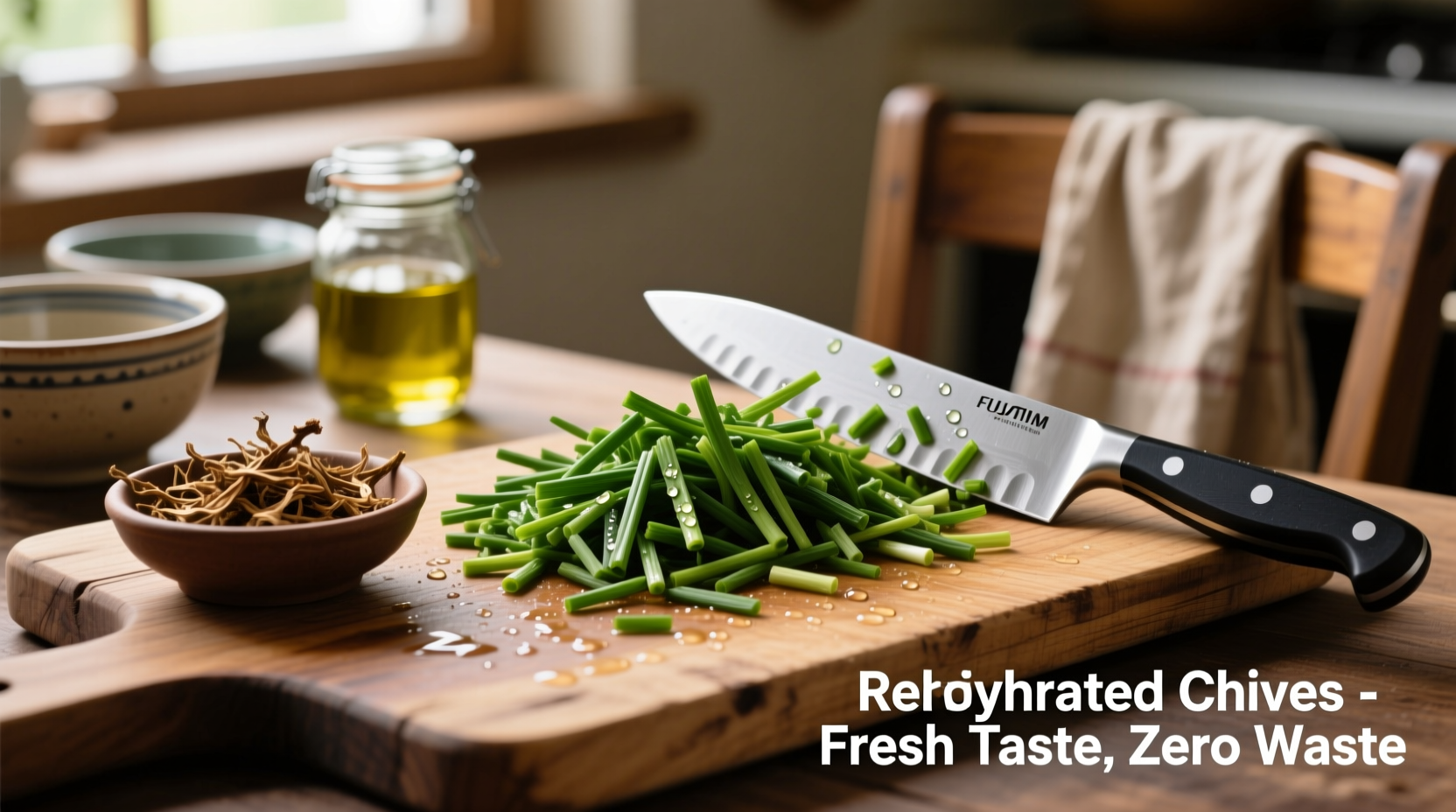
Chives (Allium schoenoprasum) are a member of the onion family and among the most delicate of culinary herbs. Fresh chives have hollow, tubular green stems with a mild, grassy onion flavor and a faint garlic undertone. They are commonly used as a garnish or finishing herb due to their sensitivity to heat, which quickly diminishes their aromatic qualities.
Dried chives are dehydrated versions of the fresh herb, processed through air-drying, freeze-drying, or low-temperature dehydration methods. The drying process concentrates certain compounds while diminishing volatile oils responsible for freshness and pungency. As a result, dried chives possess a more subdued, earthier version of the original flavor profile. Despite this reduction, they retain enough character to enhance dishes when applied thoughtfully—particularly when rehydrated before use.
The key distinction lies not in replacing fresh chives outright, but in understanding where dried chives excel: in slow-cooked dishes, dry rubs, compound butters, and recipes requiring long shelf life without sacrificing herbal nuance. Rehydration bridges the gap between convenience and quality, restoring some of the moisture-dependent aromatic complexity lost during processing.
Key Characteristics
| Characteristic | Description |
|---|---|
| Flavor Profile | Mild onion with earthy, slightly sweet undertones; less sharp than raw onion or garlic. |
| Aroma | Faint allium scent when crushed; significantly muted compared to fresh. |
| Color/Form | Dark green to olive-gray flakes or powder; brittle texture. |
| Heat Sensitivity | Low volatility post-drying, but prolonged high heat can degrade remaining essential oils. |
| Culinary Function | Flavor base, seasoning agent, color accent, textural element (when finely ground). |
| Shelf Life | 12–24 months if stored in a cool, dark, airtight container; potency declines over time. |
Practical Usage: How to Rehydrate and Use Dried Chives
Rehydrating dried chives is a straightforward process that amplifies their flavor release and improves integration into dishes. Unlike hardier herbs such as thyme or oregano, chives lack robust cell walls and resinous oils, making them especially dependent on moisture to express their taste.
Step-by-Step Rehydration Method
- Measure accurately: Use a 3:1 ratio of fresh-to-dried chives as a starting point. One tablespoon of fresh chives equals approximately one teaspoon of dried.
- Choose your liquid: Warm water, broth, milk, cream, vinegar, or citrus juice can all be used depending on the dish. Avoid boiling liquids, which may drive off residual aromatics.
- Soak gently: Place dried chives in a small bowl and cover with just enough warm (not hot) liquid to submerge them—about 2–3 tablespoons per teaspoon of herb. Let sit for 10–15 minutes.
- Drain or incorporate: For moist dishes like stews or casseroles, add both the chives and soaking liquid. For drier applications (e.g., fillings or rubs), drain excess moisture lightly using a paper towel.
This method softens the fibrous structure of the dried plant material, allowing enzymes and dissolved compounds to interact more readily with other ingredients. It also prevents the undesirable “crunch” or papery residue sometimes left by unrehydrated dried herbs in sauces or dips.
Application Examples
- In Cream-Based Sauces: Rehydrate dried chives in warm heavy cream before folding into béchamel, queso dip, or sour cream sauce. This preserves silkiness while distributing flavor evenly.
- In Egg Dishes: Soak chives in warm milk before adding to scrambled eggs, frittatas, or quiches. The liquid integrates seamlessly into the batter, enhancing uniformity.
- In Baked Goods: Incorporate rehydrated chives into savory scones, biscuits, or bread doughs. Moisture helps prevent dry spots and supports browning reactions.
- In Marinades and Brines: Combine with oil, acid, salt, and sugar; allow chives to steep alongside other seasonings to deepen flavor penetration in meats or vegetables.
Pro Tip: For maximum aroma retention, rehydrate dried chives in a fat-based liquid like melted butter or infused oil. Fats dissolve lipid-soluble flavor compounds more efficiently than water, yielding a richer, rounder taste in finished dishes.
Variants & Types of Dried Chives
Not all dried chives are created equal. Processing method, cut size, and packaging influence performance in the kitchen. Recognizing these variants allows for better selection based on intended use.
1. Air-Dried Chives
Produced by circulating warm air around chopped chives. Most common in supermarkets. Tends to lose up to 60% of volatile oils during processing. Best suited for soups, stews, and long-cooked dishes where subtle background notes are sufficient.
2. Freeze-Dried Chives
Preserved via lyophilization—water is removed under vacuum at low temperatures. Retains closer to 80–90% of original flavor and color. More expensive but ideal for applications demanding visual appeal and stronger taste, such as potato flakes, instant soups, or gourmet spice blends.
3. Granulated vs. Flaked Forms
- Flaked: Larger pieces that mimic chopped fresh chives. Better for visible specks in dishes like deviled eggs or herbed cheese spreads.
- Granulated/Powdered: Finely ground, nearly dust-like. Blends invisibly into dry mixes, rubs, or seasoning salts. Use sparingly—it packs concentrated flavor.
4. Blended Chive Products
Sometimes labeled as “chive seasoning,” these contain added ingredients like salt, maltodextrin, citric acid, or anti-caking agents. While convenient, they alter sodium levels and may include preservatives. Always check labels if aiming for clean-label or low-sodium cooking.
| Type | Best Uses | Rehydration Recommended? |
|---|---|---|
| Air-Dried Flakes | Stews, casseroles, braises | Yes |
| Freeze-Dried Flakes | Dips, sauces, garnishes, baked goods | Highly recommended |
| Granulated/Powder | Dry rubs, spice blends, seasoning salts | No (unless part of wet mix) |
| Chive Seasoning Mix | Convenience meals, snack coatings | Depends on formulation |
Comparison with Similar Ingredients
Dried chives are frequently confused with other alliums or dried green herbs. Understanding the distinctions prevents flavor mismatches and ensures accurate substitution.
| Ingredient | Flavor Difference | Texture/Appearance | Substitution Advice |
|---|---|---|---|
| Dried Onion | Stronger, sharper, more pungent; lacks grassy note | Yellow-brown granules; coarser cut | Use ½ amount if substituting for chives; expect bolder bite |
| Dried Garlic | Intensely savory, spicy when raw; no herbal component | White to tan; ranges from powder to slivers | Never interchangeable; serves different function |
| Dried Leeks | Sweeter, milder than onion but still heavier than chives | Longer, flatter strips; pale green | Acceptable in soups, but lacks finesse for delicate dishes |
| Dried Parsley | Neutral, slightly bitter; purely vegetal | Bright green; similar flake size | Visually similar but flavorless replacement; avoid unless only for color |
| Chive Powder (pure) | Same base flavor, more concentrated | Fine green powder | 1:1 swap with granulated chives; reduce if blended with salt |
“Many cooks reach for dried chives thinking they’ll get the same lift as fresh—but without rehydration, you’re mostly adding color. A quick soak unlocks what little aroma survives drying.” — Chef Elena Rodriguez, Culinary Instructor, National Institute of Gastronomy
Practical Tips & FAQs
Can I use dried chives instead of fresh?
Yes, but adjust expectations. Dried chives cannot replicate the crisp freshness of raw snipped chives. They work best in cooked dishes where texture is less important. Use one-third the amount of fresh chives called for (e.g., 1 tsp dried = 1 tbsp fresh). Rehydration improves fidelity.
Do dried chives need to be cooked?
Not necessarily. However, because they lack moisture and volatile top notes, they benefit from thermal activation in combination with fats or liquids. In cold preparations like salad dressings or compound butter, rehydrate first in oil or softened fat for even dispersion.
How should I store dried chives?
Keep in an airtight glass jar away from light, heat, and humidity. A dark cupboard or refrigerator drawer is ideal. Exposure to oxygen accelerates flavor loss. Label with purchase date; discard after 18 months for optimal quality.
Why do my dried chives taste dusty or flat?
A stale taste usually indicates age or poor storage. Old chives oxidize and lose essential oils, leaving behind cellulose and tannins. To test potency, crush a pinch between fingers and smell: if there’s little to no aroma, it’s time to replace them.
What dishes are best for using rehydrated dried chives?
- Classic French omelets
- Homemade potato soup
- Sour cream and onion dip
- Herbed cream cheese spreads
- Quiches and strata
- Buttered noodles or risotto (added at end)
- Savory pancakes or Yorkshire pudding
Are there health benefits to dried chives?
While less nutrient-dense than fresh, dried chives retain trace amounts of vitamin K, antioxidants (such as allicin derivatives), and flavonoids. Though not a significant source, they contribute minor phytonutrient value when used regularly in whole-food cooking.
Storage Checklist: Maximizing Shelf Life
- ✅ Store in opaque, airtight container
- ✅ Keep below 70°F (21°C)
- ✅ Avoid proximity to stove, dishwasher, or sink
- ✅ Do not refrigerate unless in very humid climate (risk of clumping)
- ✅ Label with purchase/expiry date
Summary & Key Takeaways
Dried chives are not a mere imitation of their fresh counterparts—they are a distinct ingredient with unique handling requirements. Their value lies in accessibility, longevity, and ability to deliver consistent allium flavor across seasons. To use them effectively:
- Always consider rehydrating dried chives before use, especially in moist or creamy dishes.
- Prefer freeze-dried over air-dried varieties when flavor intensity and color retention matter.
- Understand the difference between pure dried chives and blended seasonings containing salt or fillers.
- Store properly to preserve potency; discard old stocks that lack aroma.
- Use in appropriate contexts—cooked dishes, emulsions, baked goods—rather than expecting fresh-like brightness.
When treated with intention, dried chives become a strategic asset in the home cook’s repertoire. Whether reviving a winter stew or crafting a make-ahead biscuit mix, their contribution—especially after rehydration—can elevate a dish from functional to flavorful. The secret isn't complexity; it's respect for the ingredient’s limitations and leveraging technique to overcome them.
Master the details, and even the simplest dried herb will earn its place in your kitchen.