Ginger beer is more than just a pantry staple—it’s a dynamic ingredient that brings warmth, spice, and effervescence to both non-alcoholic and alcoholic beverages. Unlike its milder cousin, ginger ale, true ginger beer delivers a pronounced kick of fresh ginger root, often fermented or brewed for depth and complexity. For home mixologists and culinary enthusiasts alike, mastering the art of ginger beer cocktails opens the door to vibrant, palate-awakening drinks that balance heat, sweetness, and carbonation. Whether you're crafting a sophisticated evening cocktail or a family-friendly mocktail for brunch, understanding how to use ginger beer effectively elevates your drink game instantly.
Definition & Overview
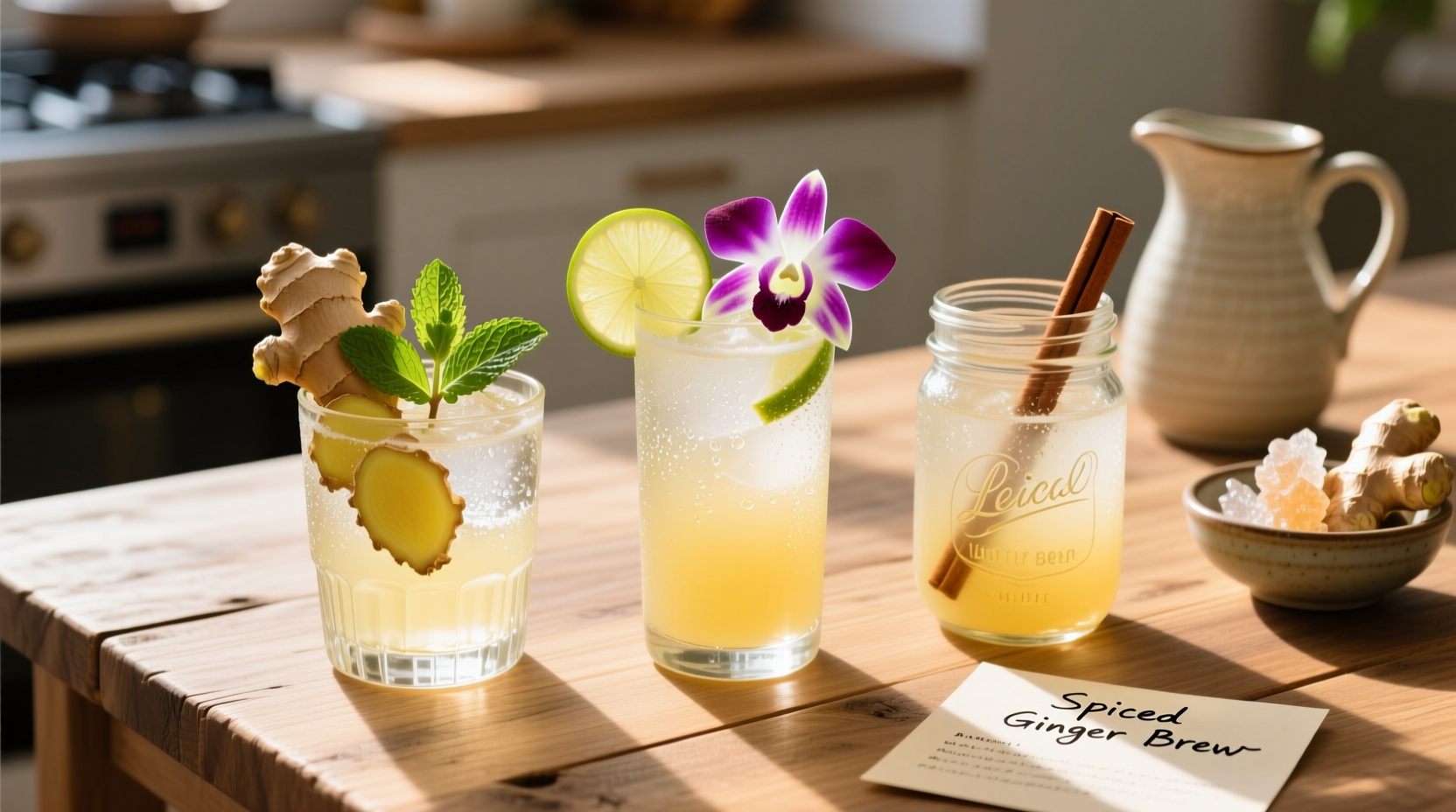
Ginger beer is a carbonated beverage traditionally made from ginger root, sugar, water, and sometimes lemon juice or citric acid, fermented with a culture known as a \"ginger beer plant\" (GBP). While commercial versions today are typically pasteurized and non-alcoholic, historically, homemade ginger beer could reach low alcohol levels (0.5–2%) due to natural fermentation. The modern interpretation—especially in cocktail culture—focuses on its bold, spicy-sweet profile and fizzy texture, making it ideal for mixing.
It belongs to the broader category of functional soft drinks but stands apart in flavor intensity and culinary utility. Unlike ginger ale, which is often lightly flavored and mass-produced with artificial ingredients, authentic ginger beer features real ginger extract or freshly grated root, giving it a robust, warming bite. This makes it especially valuable in mixology, where depth and contrast are essential.
Key Characteristics
| Characteristic | Description |
|---|---|
| Flavor Profile | Spicy, pungent, slightly sweet with citrus undertones; can range from mildly zesty to fiery depending on preparation. |
| Aroma | Sharp, earthy ginger scent with hints of fermentation or citrus zest. |
| Color/Form | Golden amber to pale brown liquid; naturally cloudy if unpasteurized or craft-made. |
| Carbonation Level | High—naturally effervescent due to fermentation or forced carbonation. |
| Heat Level | Moderate to high spiciness from gingerol compounds; varies by brand or recipe. |
| Culinary Function | Acts as a mixer, flavor enhancer, and textural component in cocktails and mocktails. |
| Shelf Life | Unopened: 6–12 months (commercial); opened: 3–5 days refrigerated. Homemade lasts 1–2 weeks refrigerated. |
Practical Usage: How to Use Ginger Beer in Cocktails
The power of ginger beer lies in its ability to cut through richness, amplify brightness, and add a tactile warmth that lingers on the palate. It works best when paired with spirits that either complement or contrast its spice. Below are proven applications across both alcoholic and non-alcoholic formats.
Classic Cocktails Featuring Ginger Beer
The most iconic use of ginger beer is in the **Moscow Mule**, a cocktail that revolutionized bar menus when introduced in the 1940s. Served in a copper mug, this drink combines vodka, lime juice, and chilled ginger beer over ice. The copper enhances the perception of cold and subtly influences the aroma, while the ginger beer provides effervescence and bite.
- Moscow Mule: 2 oz vodka, ½ oz fresh lime juice, 4–5 oz ginger beer. Serve over ice in a copper mug with a lime wheel.
- Dark 'N' Stormy: 2 oz dark rum (preferably Gosling’s), ½ oz lime juice, 4–5 oz ginger beer. Build in a highball glass with ice; garnish with lime.
- Ginger Margarita Twist: Replace soda water in a margarita with ginger beer. Combine 2 oz tequila, 1 oz triple sec, ¾ oz lime juice, 3 oz ginger beer. Shake base, strain, top, and serve on the rocks.
Non-Alcoholic Applications
Ginger beer shines in zero-proof drinks, offering complexity without alcohol. Its natural fermentation-like tang mimics the depth found in aged spirits, making it ideal for sober-curious consumers.
- Virgin Mule: Lime juice and ginger beer over ice, garnished with mint and cucumber slices.
- Ginger Shandy: Mix equal parts ginger beer and lemon-lime soda or tart apple cider for a crisp summer refresher.
- Spiced Citrus Fizz: Combine 3 oz ginger beer, 1 oz blood orange juice, a dash of cardamom, and a splash of rosewater. Serve chilled.
Pro Tip: Always chill ginger beer before serving. Cold temperature preserves carbonation and tempers excessive heat from ginger, creating a smoother drinking experience. Pour gently down the side of the glass to minimize foam overflow.
Pairing Principles
To maximize impact, consider these pairing guidelines:
- With Spirits: Pairs exceptionally well with clear or aged liquors. Vodka lets the ginger shine; rum adds molasses depth; mezcal introduces smoky contrast.
- With Acids: Lime and lemon juice balance sweetness and enhance brightness. Use 0.5–1 oz per cocktail.
- With Bitters: A few dashes of aromatic bitters (e.g., Angostura) deepen the spice profile and bridge flavors.
- With Herbs: Mint, basil, or lemongrass add aromatic lift and freshness that complements ginger’s earthiness.
Variants & Types of Ginger Beer
Not all ginger beers are created equal. Understanding the differences between types ensures you select the right one for your intended use.
| Type | Characteristics | Best For |
|---|---|---|
| Traditional Fermented (Homemade) | Brewed using live cultures, real ginger, sugar, and time. Mildly alcoholic (up to 2%), highly aromatic, complex flavor. | Sophisticated cocktails, artisanal bars, fermentation enthusiasts. |
| Craft Commercial | Brands like Fever-Tree, Q Mixers, Bundaberg. Made with real ginger extract, no artificial flavors. Stronger bite than mainstream options. | Cocktails requiring boldness and authenticity. |
| Mainstream/Industrial | Mass-market brands like Canada Dry or Seagram’s. Often uses ginger flavoring rather than real root. Sweeter, flatter, less spicy. | Casual mixing, budget events, or when subtlety is preferred. |
| Dry/Spicy Specialty | Higher ginger concentration, lower sugar. Examples: Bruce’s Ginger Ale (spicy version), Crabbie’s Alcoholic Ginger Beer. | Spice-forward cocktails, Dark 'N' Stormy, or when reducing sweetness is key. |
| Zero-Sugar/Keto-Friendly | Sweetened with erythritol, stevia, or monk fruit. May lack body or have aftertaste. | Diet-conscious drinkers; test first for compatibility with other ingredients. |
When selecting a ginger beer, read labels carefully. Look for “made with real ginger” or “fresh ginger juice” near the top of the ingredient list. Avoid products listing “natural flavors” without specificity, as they may not deliver genuine ginger character.
Comparison with Similar Ingredients
Ginger beer is frequently confused with other ginger-based beverages, but key distinctions affect performance in cocktails.
| Feature | Ginger Beer | Ginger Ale | Kombucha (Ginger-Flavored) |
|---|---|---|---|
| Ginger Intensity | High – dominant, spicy | Low – mild, background note | Variable – usually subtle |
| Sweetness | Moderate to high | High | Low to moderate |
| Carbonation | Strong, persistent | Light to moderate | Soft, sometimes flat |
| Fermentation | Yes (historically and in craft versions) | No – artificially carbonated | Yes – probiotic fermentation |
| Alcohol Content | 0–2% (depending on type) | Non-alcoholic | 0.5–3% |
| Cocktail Role | Primary mixer with assertive flavor | Subtle sweetener/filler | Niche use; adds funk and acidity |
“Using ginger beer instead of ginger ale transforms a cocktail from pleasant to powerful. It’s the difference between whispering and speaking clearly.” — Barbara Ruiz, Master Mixologist & Beverage Consultant
Practical Tips & FAQs
Can I make my own ginger beer at home?
Yes, and doing so gives you complete control over flavor, sweetness, and spice level. A basic recipe involves combining 1 cup grated ginger, 1½ cups sugar, ¼ cup lemon juice, and 8 cups water. Boil, cool, then add a GBP (available online) or a small amount of store-bought raw ginger beer as a starter. Ferment in sealed bottles at room temperature for 2–5 days, burping daily to release pressure. Refrigerate to halt fermentation.
Is ginger beer alcoholic?
Most commercial ginger beers are non-alcoholic (<0.5% ABV), but some craft or homemade versions can develop slight alcohol during fermentation. Crabbie’s Original Alcoholic Ginger Beer contains about 4–5% ABV and is designed for mixing in place of beer or soda.
How do I prevent flat ginger beer in cocktails?
Keep the ginger beer cold and pour gently. Warm liquid loses carbonation quickly. Do not shake cocktails containing ginger beer—stir or build directly in the glass to preserve bubbles.
What’s the best glassware for ginger beer cocktails?
Use tall glasses like highballs or copper mugs. The narrow shape retains fizz, and metal mugs keep drinks colder longer. Always pre-chill the glass for optimal results.
Can I substitute ginger beer in recipes?
Only if necessary. Substitutes include:
- Ginger ale: Much milder; increase fresh ginger juice or add a pinch of ground ginger to compensate.
- Sparkling water + grated ginger: Add ½ tsp fresh grated ginger per serving and muddle with citrus.
- Switchel: An apple cider vinegar-based drink with ginger and honey; adds tang but lacks sweetness.
How long does homemade ginger beer last?
Refrigerated in sealed bottles, homemade ginger beer stays fresh and carbonated for 1–2 weeks. Over time, it becomes more vinegary as acetic acid develops. Discard if mold appears or bottles bulge excessively (risk of explosion).
Does ginger beer go bad?
Commercial ginger beer has a long shelf life but degrades in quality. Signs of spoilage include off-smells, cloudiness (beyond normal sediment), or loss of fizz. Once opened, consume within 5 days for best taste.
Storage Tip: Store unopened bottles upright in a cool, dark place. Avoid temperature fluctuations. After opening, seal tightly and refrigerate immediately.
Recipe: DIY Craft-Style Ginger Beer (Yields 1 Liter)
Create a premium, mixologist-grade ginger beer at home with full flavor control.
Ingredients
- 150g fresh ginger root, peeled and finely grated
- 150g granulated sugar (or brown sugar for deeper notes)
- 1 organic lemon, juiced (about 45ml)
- 800ml hot water (not boiling)
- 200ml cold filtered water
- ¼ tsp active dry yeast (optional, for faster carbonation)
- 1 tsp fresh ginger juice (optional, for extra kick)
Instructions
- In a heatproof container, combine grated ginger and hot water. Steep for 30 minutes, stirring occasionally.
- Strain through cheesecloth into a clean bottle or jug. Press solids to extract maximum liquid.
- Add sugar and stir until fully dissolved. Mix in lemon juice and cold water.
- If using yeast, rehydrate in a tablespoon of warm water for 5 minutes, then add to mixture.
- Pour into swing-top bottles, leaving 2 inches of headspace. Seal tightly.
- Store at room temperature (68–75°F) for 2–3 days. Burp bottles daily by briefly opening to release pressure.
- After carbonation develops (test one bottle), refrigerate to stop fermentation.
This version delivers intense ginger flavor, natural sweetness, and robust fizz—perfect for Moscow Mules, spritzers, or sipping straight over ice.
Summary & Key Takeaways
Ginger beer is a versatile, flavor-forward mixer that brings heat, fizz, and aromatic depth to any drink. Far from being a mere soda, it functions as a culinary ingredient capable of transforming simple combinations into memorable experiences. Whether you’re crafting a classic Dark 'N' Stormy, experimenting with herbal infusions, or designing alcohol-free alternatives, choosing the right type of ginger beer—and using it properly—makes all the difference.
- Ginger beer offers a bold, spicy-sweet profile unmatched by milder ginger ale.
- Craft and homemade versions provide superior flavor and authenticity for serious mixology.
- It pairs exceptionally well with rum, vodka, citrus, and aromatic bitters.
- Homemade ginger beer allows customization of spice, sweetness, and carbonation.
- Always chill and handle ginger beer gently to preserve effervescence.
Start with one signature ginger beer cocktail at your next gathering. Whether it’s a chilled Moscow Mule in a copper mug or a zero-proof ginger fizz with rosemary, the reaction will be immediate: guests notice quality, complexity, and care. Make ginger beer your secret weapon for refreshment that excites the senses.