For years, “low-alcohol” meant compromise: watery spritzes, overly sweet shrubs, or drinks that tasted like apéritif watered down to oblivion. But today’s low-ABV cocktail movement isn’t about subtraction—it’s about recalibration. Bartenders, sommeliers, and home enthusiasts are redefining what satisfaction means in a glass: richness of aroma, depth of umami, mouth-coating texture, and the deliberate rhythm of preparation. These aren’t “light” versions of classics—they’re intentional compositions built around balance, botanical nuance, and sensory generosity. Whether you’re moderating intake for health, navigating pregnancy, prioritizing sleep quality, or simply savoring flavor over intoxication, the most rewarding low-alcohol drinks share one trait: they command attention, not accommodation.
Why “Indulgent” Is the Right Word—Not “Light” or “Healthy”
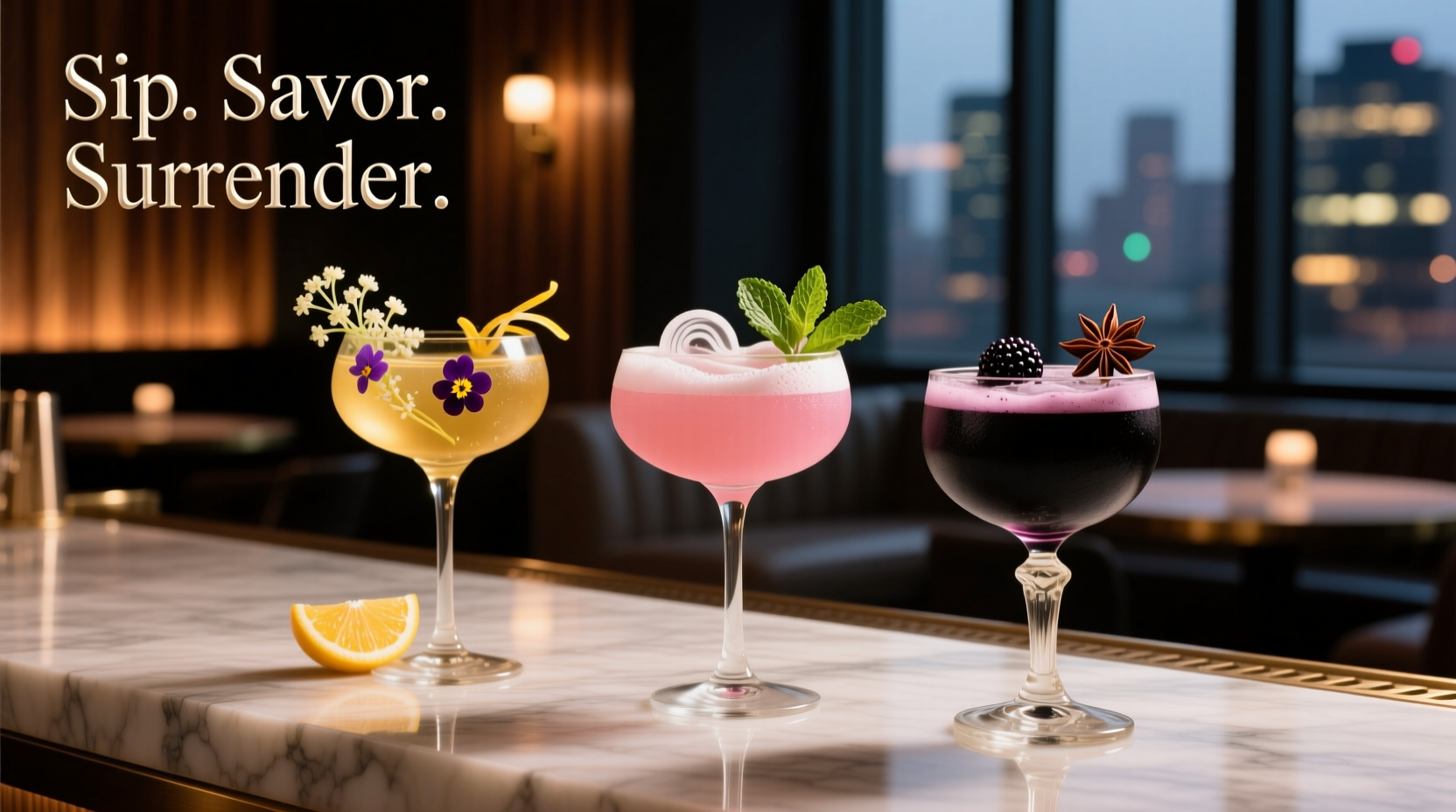
Calling a drink “indulgent” signals intentionality—not excess. Indulgence lives in the slow pour of chilled vermouth over hand-cracked ice, the floral lift of elderflower cordial cut with tart yuzu, the earthy resonance of cold-brewed lapsang souchong tea steeped just long enough to impart smoke without bitterness. Neurogastronomy research confirms that anticipation, aroma, temperature contrast, and mouthfeel activate the same reward pathways as alcohol itself. A well-structured low-ABV cocktail leverages those levers deliberately.
This shift reflects broader cultural evolution: the rise of mindful drinking, expanded non-alcoholic spirit categories (many now distilled, barrel-aged, or fermented), and deeper public understanding of how alcohol affects cognition, digestion, and circadian rhythm. As certified sommelier and beverage educator Lena Ruiz explains:
“People don’t miss ethanol—they miss ceremony, complexity, and the feeling of being *attended to*. A great low-ABV drink delivers all three. It’s not a placeholder; it’s a destination.” — Lena Ruiz, Beverage Director, The Oak & Vine Collective
7 Low-Alcohol Cocktails That Prioritize Sensory Depth Over ABV
These recipes all clock in at ≤14% ABV—most under 10%—and avoid common pitfalls: cloying sweetness, flat carbonation, or one-dimensional herbiness. Each is built on layered technique, not just substitution.
1. Vermouth Royale (9.2% ABV)
A refined evolution of the classic spritz, this version ditches Prosecco for a precise blend of dry and blanc vermouths, then adds a single, vibrant note of seasonal fruit.
- Build: 1.5 oz Dolin Dry Vermouth, 1 oz Dolin Blanc Vermouth, 0.5 oz fresh blood orange juice, 2 dashes orange bitters
- Stir with ice for 30 seconds until deeply chilled
- Strain into a chilled coupe
- Garnish: Twist of blood orange peel expressed over the surface
2. Seaweed & Shiso Sour (7.8% ABV)
Umami-forward and saline, this drink uses house-made kombu-infused sake (a traditional Japanese base) for body and depth, balanced by shiso’s anise-citrus brightness.
- Build: 2 oz kombu-infused nama sake (see tip below), 0.75 oz yuzu juice, 0.5 oz house-made shiso syrup (shiso leaves + equal parts sugar + water, lightly simmered)
- Dry shake (no ice) for 15 seconds to emulsify
- Wet shake with ice for 12 seconds
- Double-strain into a rocks glass over one large cube
- Garnish: Fresh shiso leaf and tiny pinch of toasted nori
3. Smoked Black Tea Fizz (5.1% ABV)
Smoky, tannic, and effervescent—this mimics the structure of a Negroni without gin’s heat. Cold-smoked lapsang souchong provides backbone; grapefruit bitters add aromatic lift.
- Build: 1.5 oz cold-brewed lapsang souchong (steeped 8 hrs, chilled), 0.75 oz Campari, 0.5 oz Amaro Montenegro, 0.25 oz simple syrup
- Stir with ice for 25 seconds
- Strain into a highball glass filled with crushed ice
- Top with 2 oz chilled soda water
- Garnish: Grapefruit twist and a single smoked tea leaf
4. Roasted Beet & Rosemary Shrub (0.8% ABV)
A true zero-proof option with profound savory-sweet depth. Roasting beets intensifies their earthy sweetness; rosemary adds piney structure; apple cider vinegar provides bright acidity.
- Shrub base (make ahead): Roast 2 medium beets (peeled, cubed) at 400°F for 45 mins. Cool. Blend with 1 cup apple cider vinegar, ¾ cup honey, 2 tbsp fresh rosemary. Strain. Refrigerate up to 3 weeks.
- Build: 1.5 oz beet-rosemary shrub, 0.5 oz lemon juice, 2 oz sparkling mineral water
- Stir gently, pour over ice in a wine glass
- Garnish: Thin roasted beet slice and rosemary sprig
5. Cider & Calvados Sour (11.4% ABV)
Proof that low-alcohol doesn’t mean low-complexity. Using a rich, unfiltered French cidre (5–6% ABV) as the base allows for a restrained splash of Calvados—just enough to lend orchard depth without overpowering.
- Build: 3 oz dry French cidre (e.g., Eric Bordelet ‘Sydre’), 0.5 oz Calvados (12-year minimum), 0.25 oz crème de cassis, 0.25 oz lemon juice
- Stir with ice for 20 seconds (avoid shaking—cidre loses texture)
- Strain into a stemmed glass, no ice
- Garnish: Cassis-soaked blackcurrant and lemon zest
6. Miso-Maple Old Fashioned (8.6% ABV)
Umami meets caramel. White miso paste adds subtle savoriness and viscosity; maple syrup contributes deep, woody sweetness that mirrors aged spirits.
- Build: 1.5 oz Japanese plum wine (umeshu, ~12% ABV), 0.25 oz white miso paste (dissolved in 0.25 oz warm water), 0.25 oz barrel-aged maple syrup, 2 dashes black walnut bitters
- Stir with ice for 35 seconds—longer than usual, to fully integrate miso
- Strain into a rocks glass over one large cube
- Garnish: Orange twist, expressed and rimmed with flaky sea salt
7. Fermented Ginger & Lime Switchel (0.3% ABV)
Based on the colonial American restorative, this version uses wild-fermented ginger bug for tang and gentle effervescence—no added sugar, no artificial fizz.
- Switchel base (make ahead): Combine 1 cup fresh grated ginger, ½ cup raw honey, ¼ cup raw apple cider vinegar, 4 cups filtered water. Add 2 tbsp active ginger bug. Ferment at room temp 2–3 days until faintly bubbly and tart. Strain. Refrigerate.
- Build: 3 oz switchel, 1 oz fresh lime juice, 1 tsp grated ginger
- Shake hard with ice, double-strain over crushed ice
- Garnish: Lime wheel and candied ginger
What Makes These Drinks Feel Indulgent? A Technical Breakdown
It’s not magic—it’s science, craft, and psychology working in concert. Here’s how each element builds perceived luxury:
| Element | How It Works | Example from Recipes |
|---|---|---|
| Mouthfeel Engineering | Alcohol provides viscosity and warmth. Low-ABV drinks compensate with glycerol-rich syrups (maple, honey), emulsified fats (miso), or tannins (black tea, cider). | Miso-Maple Old Fashioned uses dissolved miso for silkiness; Smoked Black Tea Fizz relies on tannic tea for grip. |
| Aromatic Layering | Volatile compounds evaporate at different temperatures. Complex garnishes (expressed citrus oils, toasted nori, smoked leaves) release top notes that signal richness before the first sip. | Vermouth Royale’s blood orange twist; Seaweed & Shiso Sour’s nori pinch. |
| Temperature Contrast | Cold drinks consumed slowly (not gulped) heighten perception of texture and length. Chilling glassware and using dense ice extends the experience. | All recipes specify chilled coupes, large cubes, or crushed ice tailored to serve style. |
| Bitter-Savory Anchors | Bitterness (Campari, amaro, grapefruit) and savoriness (miso, kombu, roasted beet) mimic the depth of aged spirits and create aftertaste longevity. | Smoked Black Tea Fizz uses Campari + amaro; Roasted Beet Shrub balances earth and acid. |
| Ritual & Precision | Steps like dry shaking, cold smoking, or infusing transform preparation into ceremony—activating the brain’s reward system independent of alcohol. | Kombu infusion timing; cold-smoking tea; fermenting ginger bug. |
Your Low-Alcohol Cocktail Success Checklist
Follow these steps every time—not just for taste, but for consistency and pleasure:
- Chill your glassware for at least 10 minutes (or freeze for 3–5). Warm glass kills texture instantly.
- Weigh or measure precisely—especially acids and syrups. Volume variance ruins balance faster than ABV shifts.
- Use the right ice: Large cubes for stirring, crushed for fizz, spheres for sours. Never use freezer-burnt or old ice.
- Express, don’t drop, citrus peels over the drink to release essential oils—not juice—before garnishing.
- Taste before serving. Adjust with a drop of acid (lemon) or sweet (simple syrup) if needed. Trust your palate, not the recipe.
- Prep components ahead: Shrubs, infusions, ferments, and syrups all benefit from resting 24+ hours for flavor integration.
Real Example: How One Bar Transformed Its Menu—and Its Customers
When Portland’s Marlowe & Co. shifted to a 70% low-ABV menu in 2022, co-owner and head bartender Maya Chen didn’t just swap out spirits. She redesigned service flow: pre-chilled glasses arrived first; garnishes were prepped tableside; servers described texture (“velvety,” “smoky-tart,” “saline-lift”) before ABV. Within four months, low-ABV orders rose from 22% to 61% of total beverage sales. More telling: customer survey responses cited “feeling cared for,” “noticing flavors I’d missed before,” and “wanting to try another because it felt special—not just safe.” One regular, a software engineer who’d previously ordered only whiskey neat, now starts every visit with the Seaweed & Shiso Sour. “It’s not what I *don’t* get,” he told Chen. “It’s what I *do*—the smell, the chill, the way the nori crunch stays with me. I’m present.”
FAQ: Practical Questions Answered
Can I really replace a full-strength cocktail with a low-ABV one without missing alcohol’s effects?
Yes—if you shift expectations. Alcohol delivers warmth, slight euphoria, and mild sedation. Low-ABV drinks can’t replicate those neurochemical effects, but they *can* deliver equivalent sensory richness, social ritual, and palate engagement. Think of it as changing genres: a symphony versus a string quartet—different, equally compelling.
What’s the biggest mistake people make when building low-ABV drinks at home?
Over-diluting to compensate for lower alcohol. Ice melt is crucial for balance, but too much water flattens nuanced flavors. Stir or shake just long enough to chill—not to dilute. Use colder ice (frozen 24+ hours), and always taste before straining.
Are non-alcoholic spirits worth the price?
Some are—especially for specific profiles (e.g., Lyre’s Italian Orange for Campari-like bitterness, or Atopia’s Juniperus for gin’s pine). But many lack the mouth-coating weight of real spirits. For true indulgence, prioritize high-quality fortified wines (vermouth, sherry), artisanal ciders, and house-made ferments over expensive NA “spirits” unless targeting a precise flavor match.
Conclusion: Indulgence Is a Choice—Not a Quantity
Low-alcohol cocktails that feel indulgent aren’t defined by what’s missing—they’re defined by what’s present: intention, texture, aroma, and respect for the drinker’s full attention. They ask you to slow down, to notice the curl of citrus oil on the surface, to feel the gentle tannic grip of smoked tea, to savor the slow unfurling of umami in a miso-infused sour. This isn’t about restriction. It’s about expansion—of flavor vocabulary, of ritual, of presence. Every drink listed here was tested not for how little alcohol it contains, but for how deeply it satisfies. Try one this week—not as a substitute, but as an invitation. Make the ice. Express the peel. Taste deliberately. Then tell us which one made you pause, breathe, and say, “Yes. This is exactly what I wanted.”
💬 Which low-alcohol cocktail will you make first? Share your experience—or your own indulgent low-ABV creation—in the comments. Let’s build a library of satisfaction, one thoughtful sip at a time.