That rich, deep ruby or garnet hue you poured with confidence last night—now dull, tawny, even brick-brown at the rim—is more than just a visual shift. It’s a biochemical signal. Red wine turning brown is rarely an aesthetic quirk; it’s often the first visible symptom of oxidation, a natural but potentially damaging process that alters aroma, flavor, texture, and longevity. Unlike controlled oxygen exposure during barrel aging—which softens tannins and adds complexity—unmanaged oxidation degrades wine, stripping fruit, amplifying stale notes, and flattening structure. Understanding *why* browning occurs, *how soon* it signals trouble, and *what precise actions* you can take—before, during, and after opening—is essential for anyone who values wine not just as a beverage, but as a living, evolving expression of place and time.
What Causes Red Wine to Turn Brown? The Science Behind the Shift
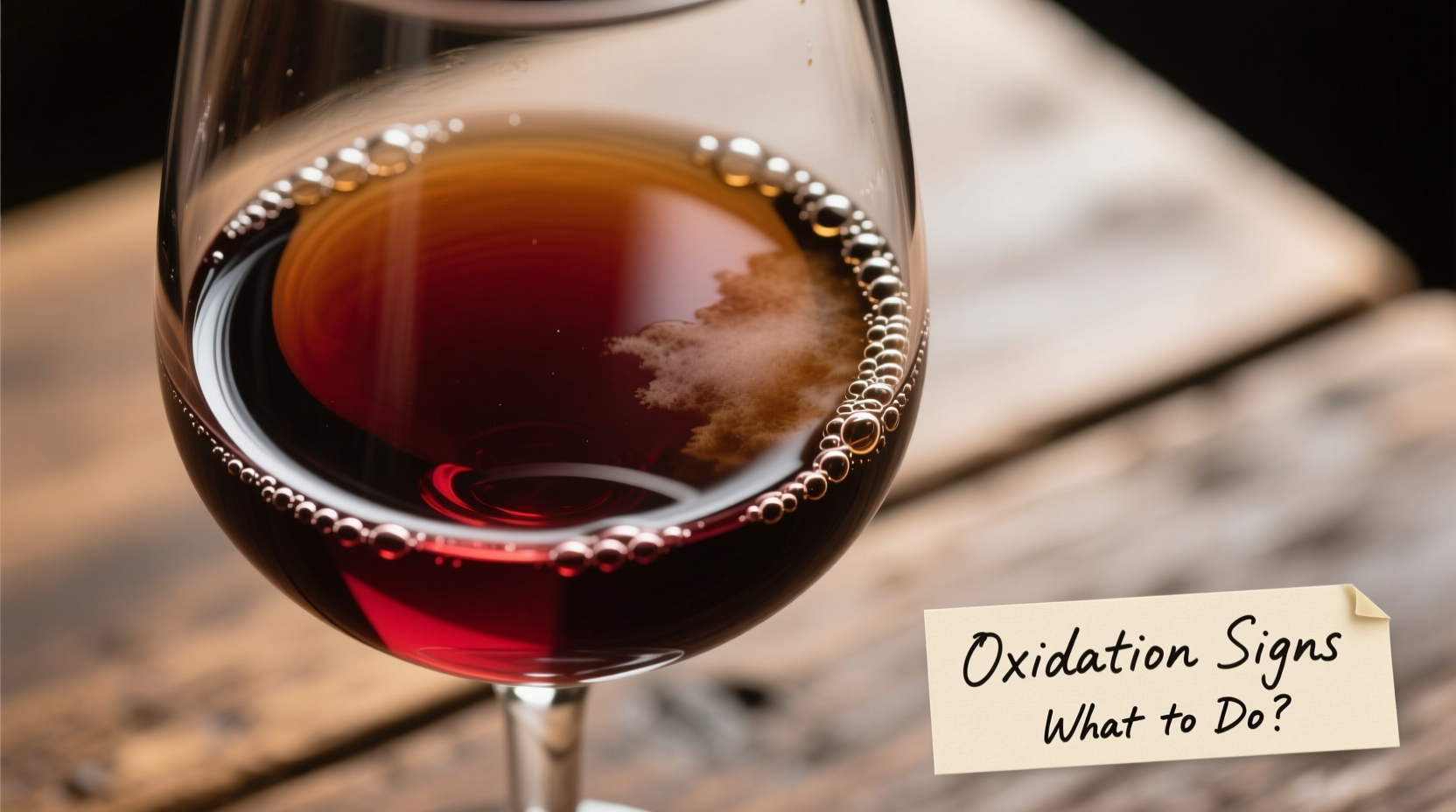
Browning in red wine stems primarily from the oxidation of phenolic compounds—especially anthocyanins (the pigments responsible for red, purple, and blue hues) and flavanols (including tannins). When exposed to oxygen, these molecules undergo enzymatic and non-enzymatic reactions. Enzymatic oxidation, driven by residual grape enzymes like polyphenol oxidase, occurs rapidly in unfermented juice or poorly stabilized young wines. Non-enzymatic oxidation dominates post-fermentation: oxygen reacts with phenolics to form quinones, which then polymerize into brownish-yellow pigments called xanthylium salts and other complex polymers. These new compounds lack the vibrancy of fresh anthocyanins and absorb light differently—shifting perceived color from vivid red toward amber, tawny, and ultimately brown.
Crucially, browning doesn’t happen in isolation. As phenolics oxidize, they also alter the wine’s sensory profile: bright cherry and blackberry fade; nutty, caramelized, or sherry-like notes emerge; acidity softens unnaturally; and the finish shortens or turns flat or bitter. Temperature accelerates this process—every 10°C (18°F) increase roughly doubles the reaction rate. Light, especially UV, further catalyzes oxidation by breaking down sulfur dioxide (SO₂), wine’s primary antioxidant preservative.
Tip: Browning at the rim of a wine in the glass is normal with age—but browning throughout the entire body of a young wine (<5 years) or rapid browning within hours of opening signals problematic oxidation.How to Spot Oxidation Early: Beyond Just Color
Color change is the most obvious clue—but relying solely on hue misses critical context. A 20-year-old Rioja or Barolo should show amber or tawny rim variation; that’s maturity, not fault. True oxidation reveals itself through a constellation of sensory cues:
- Aroma: Loss of fresh fruit (strawberry, plum, cassis); emergence of bruised apple, walnut skin, dried hay, cardboard, or stale sherry. A “flat” or “dull” nose—not just muted, but devoid of lift or vibrancy.
- Taste: Noticeable loss of acidity and freshness; flavors become one-dimensional and tired; bitterness may intensify without balancing fruit; alcohol can feel hot or disjointed.
- Texture: Mouthfeel loses grip and structure—tannins soften excessively, not gracefully, and the wine feels thin or watery despite its alcohol level.
- Visual Clues Beyond Hue: A hazy or cloudy appearance (not sediment), a noticeable “ring” or oily sheen on the surface of wine in the bottle, or excessive bubble formation when swirling (indicating CO₂ release from degradation).
Compare two glasses side-by-side: a freshly opened bottle and one left open for 24 hours. If the latter shows significantly more brown at the meniscus, diminished fruit, and a flatter finish, oxidation is actively progressing. That’s your window to act—or decide the wine has passed its peak.
Oxidation Risk Factors: Where and When It Happens
Oxidation isn’t random—it thrives under specific, avoidable conditions. Recognizing these risk points allows proactive intervention:
| Risk Factor | How It Accelerates Oxidation | High-Risk Scenarios |
|---|---|---|
| Inadequate SO₂ Levels | Sulfur dioxide binds with oxygen and scavenges free radicals. Low levels leave phenolics unprotected. | Organic/natural wines with minimal added sulfites; wines stored >2 years without monitoring; bottles opened and re-corked without inert gas. |
| Poor Cork Seal | Micro-oxygenation is normal, but faulty, dried-out, or short corks allow excessive O₂ ingress over time. | Older bottles stored upright; wines kept in warm, dry environments; cheaper corks with inconsistent density. |
| Temperature Fluctuation | Heat expands wine, pushing it past the cork seal; cooling contracts it, drawing air back in—a “breathing” effect that introduces oxygen. | Wines stored in attics, garages, or near ovens; seasonal storage without climate control. |
| Light Exposure | UV radiation degrades SO₂ and directly oxidizes phenolics, especially in clear or light-green bottles. | Wines displayed on sunny kitchen counters, in storefront windows, or under fluorescent lighting. |
| Post-Opening Exposure | Once opened, wine’s surface area contacts air. Without protection, oxidation begins within hours. | Half-empty bottles left uncorked on the counter; using vacuum pumps alone (they remove air but don’t displace oxygen already dissolved in wine). |
A Real-World Example: The Case of the 2017 Napa Cabernet
Maya, a sommelier and avid collector, purchased six bottles of a highly rated 2017 Napa Cabernet Sauvignon. She stored them horizontally in her basement (13°C/55°F, dark, stable). After two years, she opened one for a dinner party. The wine showed vibrant purple-ruby color, intense blackcurrant and cedar aromas, and firm, polished tannins—exactly as expected. Encouraged, she opened a second bottle three months later. This time, the color was noticeably browner at the rim, the nose had lost its primary fruit and gained a distinct nutty, oxidized note, and the palate felt hollow and sharp. Confused, she checked her storage log—and realized the second bottle had been moved briefly to a guest room closet during a home renovation. That closet reached 24°C (75°F) on summer days and received direct afternoon sun through a small window. The heat and light degraded the SO₂ and accelerated phenolic oxidation during those three weeks. The other four bottles, untouched in the basement, remained pristine. Maya’s experience underscores a critical truth: oxidation damage is cumulative, often invisible until it’s too late—and environmental consistency matters more than total age.
Practical Steps to Prevent and Mitigate Oxidation
Prevention is far more effective than correction. Once significant oxidation occurs, no technique can restore lost fruit or reverse pigment polymerization. These steps address every stage of a wine’s life:
- At Purchase: Inspect bottles for low fill levels (ullage), especially near the shoulder—this indicates potential long-term oxygen exposure. Avoid bottles with stained or bulging corks, or those stored upright in retail settings.
- Storage: Maintain consistent temperature (12–14°C / 54–57°F), absolute darkness, and humidity around 60–70% to keep corks plump. Store bottles horizontally to keep corks moist and sealed.
- Upon Opening: Minimize headspace. Transfer leftover wine to a smaller, clean, sterilized bottle (e.g., a 375ml bottle for half a standard 750ml) and fill to the brim. Then use inert gas (argon or nitrogen) spray before recorking—this displaces oxygen from the headspace.
- Short-Term Preservation (1–3 days): Refrigerate reds after opening. Cold slows chemical reactions dramatically. Use a high-quality stopper designed for vacuum + inert gas combination systems—not basic rubber stoppers.
- Long-Term Storage Monitoring: For cellared wines over 5 years old, consider professional SO₂ testing every 2–3 years. A certified lab can measure free and total SO₂ levels to assess remaining protective capacity.
“Oxidation isn’t the enemy of wine—it’s part of its story. But uncontrolled oxidation is like editing a novel with a blunt pencil: it erases nuance, flattens contrast, and leaves only smudges. Precision in handling preserves the author’s intent.” — Dr. Laura Chen, Master of Wine and Senior Enologist, UC Davis Department of Viticulture & Enology
Can You Salvage an Oxidized Bottle? Realistic Options
Once browning is advanced and aromas are dominated by nutty, stale, or cardboard notes, the wine is functionally oxidized and unlikely to improve. However, degree matters:
- Mild Oxidation (slight rim browning, subtle loss of fruit, but still some freshness): Serve slightly cooler (14–16°C / 57–61°F) to mute oxidative notes and emphasize remaining acidity. Pair with robust, savory dishes—braised meats, aged cheeses, mushroom risotto—to match its evolved profile.
- Moderate Oxidation (brown throughout, dominant nutty/sherry notes, flat acidity): Not ideal for sipping, but still useful in cooking. Reduce it into a pan sauce for game or duck, or use it to deglaze roasting pans. Its complexity adds depth where raw fruit would clash.
- Severe Oxidation (brown, vinegar-like sharpness, acetaldehyde (sherry) or wet cardboard aromas, no fruit whatsoever): Discard. It offers no culinary benefit and may impart off-flavors. Do not attempt to “fix” it with sulfites or filtration at home—these require precise dosing and equipment unavailable to consumers.
Frequently Asked Questions
Is brown wine always spoiled?
No. Intentional, slow oxidation is integral to styles like Tawny Port, Sherry (Fino and Manzanilla除外), and certain aged Riojas. In these wines, browning reflects deliberate maturation—not spoilage. For most table reds, however, rapid or pronounced browning outside their expected aging curve signals degradation.
Can I tell if a wine is oxidized just by smelling the cork?
No. The cork itself absorbs very little volatile compound and rarely carries definitive oxidative aromas. Smelling the cork is a tradition, not a diagnostic tool. Always assess the wine in the glass—color, aroma, and taste—where oxidation expresses itself fully.
Do screw caps prevent oxidation better than corks?
Screw caps provide a more consistent, oxygen-impermeable seal *initially*, reducing the risk of premature oxidation from cork faults. However, they don’t eliminate oxidation risk entirely—wine contains dissolved oxygen from bottling, and some micro-oxygenation is desirable for reds. High-quality screw caps with specific liners (e.g., Saranex) allow controlled, minuscule oxygen transfer—mimicking the best natural corks. The key is matching closure type to wine style and intended aging, not assuming screw caps = zero oxidation.
Conclusion: Respect the Wine, Not Just the Bottle
Red wine turning brown isn’t merely a cosmetic issue—it’s a dialogue between chemistry, environment, and time. That shift from ruby to rust is the wine telling you something about its journey: whether it’s gracefully evolving, quietly deteriorating, or reacting to a moment of neglect. Understanding oxidation empowers you to listen closely—not with anxiety, but with informed attention. It means choosing storage over convenience, prioritizing consistency over aesthetics, and treating each bottle as a fragile, dynamic entity rather than a static commodity. You don’t need a climate-controlled cellar to make a difference. Start tonight: check your wine rack’s location, refrigerate that opened Cabernet, invest in an inert gas spray, and taste mindfully—not just for pleasure, but for insight. When you recognize browning as information, not failure, you transform preservation from a chore into a deeper connection with what’s in the glass.
💬 Have you encountered a surprising case of oxidation—or saved a bottle you thought was gone? Share your experience in the comments. Your real-world insight helps others navigate the fine line between evolution and spoilage.