Sweet potatoes are a staple in Korean cuisine, valued not only for their natural sweetness and vibrant color but also for their versatility across savory, snack, and dessert applications. In Korea, the term \"gamja\" typically refers to white potatoes, while sweet potatoes are often called goguma (고구마), specifically kkul-goguma (꿀고구마), meaning \"honey sweet potato.\" These tubers have become central to both traditional home cooking and modern Korean street food culture. From steamed whole sweet potatoes sold by roadside vendors in winter to elaborate banchan (side dishes) and fusion desserts, Korean-style preparations highlight texture, balance, and subtle seasoning. This guide explores the culinary role of sweet potatoes in Korea, their distinct characteristics, common preparations, and how to authentically replicate them at home.
Definition & Overview
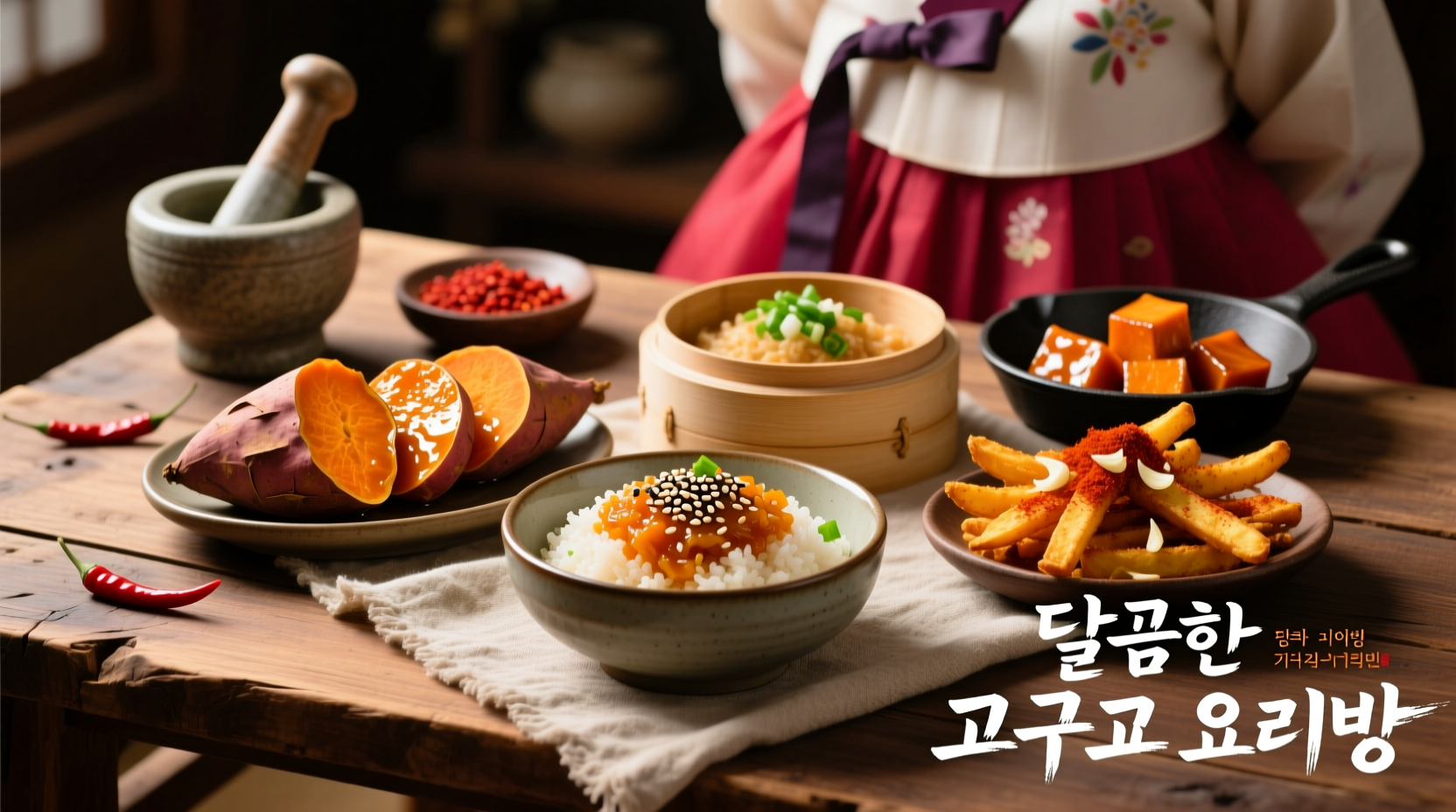
In Korean cuisine, sweet potatoes—particularly the orange-fleshed variety known as *kkul-goguma*—are prized for their moist, creamy texture and naturally honey-like sweetness. Unlike Japanese sweet potatoes (*satsuma-imo*) or American yams, Korean sweet potatoes are generally less starchy and more succulent when cooked, making them ideal for roasting, steaming, and mashing. They are commonly consumed during colder months, often sold warm from mobile carts equipped with simple ovens or steamers.
Beyond being eaten on their own, sweet potatoes appear in a wide range of Korean dishes: as side dishes (banchan), fillings for pancakes and rice cakes (tteok), bases for noodles (japchae), and even in desserts like ice cream and pastries. Their ability to absorb seasonings while retaining a soft, satisfying mouthfeel makes them adaptable to both traditional and contemporary interpretations.
The use of sweet potatoes in Korea dates back centuries, originally introduced via trade routes from the Americas in the 17th century. Over time, they became integrated into regional diets, especially in areas where rice cultivation was difficult. Today, they symbolize comfort, seasonal eating, and rustic nourishment.
Key Characteristics
| Characteristic | Description |
|---|---|
| Flavor Profile | Naturally sweet with mild earthy undertones; develops caramelized notes when roasted. |
| Aroma | Subtle, slightly nutty when raw; rich and warm when cooked, reminiscent of roasted chestnuts or maple syrup. |
| Color & Form | Orange to deep yellow flesh; tapered shape with thin brownish skin. Occasionally purple-fleshed varieties used in specialty dishes. |
| Texture | Creamy and moist when properly cooked; can be fluffy if overcooked or drier varieties are used. |
| Heat Level | None – entirely non-spicy unless paired with spicy ingredients. |
| Culinary Function | Used as a base ingredient in side dishes, snacks, desserts, and starch alternatives. Provides natural sweetness and binding properties. |
| Shelf Life | Lasts 2–3 weeks in a cool, dark, dry place; refrigeration may alter texture and cause hardening of core. |
Practical Usage: How to Use Korean Sweet Potatoes in Cooking
Korean sweet potatoes shine when treated simply—steaming or roasting preserves their delicate sweetness and enhances their natural flavors. However, they also serve as excellent canvases for bold seasonings, particularly when balanced with salt, fat, and acidity.
Basic Preparation Methods
- Steaming: Whole sweet potatoes are placed in a bamboo or metal steamer for 30–45 minutes until tender. This method yields the purest expression of flavor and is standard for street-vendor offerings.
- Roasting: Baked at 375°F (190°C) for 45–60 minutes, often wrapped in foil. Roasting deepens sweetness through caramelization and creates a slightly firmer exterior.
- Boiling: Useful for mashing or incorporating into doughs. Boiled sweet potato is smoother than steamed but may retain more moisture.
- Frying: Thinly sliced and deep-fried for chips, or cubed and pan-fried with seasonings for banchan.
Home Cooking Applications
- Simple Steamed Sweet Potato with Sea Salt: Serve hot slices with a sprinkle of flaky sea salt to enhance natural sugars.
- Sweet Potato Banchan (Side Dish): Combine mashed sweet potato with a touch of sesame oil, toasted sesame seeds, and a drizzle of honey. Chill slightly before serving for contrast in temperature and texture.
- Goguma Jun (Sweet Potato Pancake): Grate raw sweet potato, mix with flour, egg, and scallions, then pan-fry into crispy-edged fritters. Ideal served with soy-vinegar dipping sauce.
- Goguma Mattang (Candied Sweet Potato): Cube boiled sweet potatoes, coat in a syrup made from sugar, water, and sometimes honey or corn syrup, then roll in crushed nuts or seeds.
Pro Tip: When mashing sweet potatoes for banchan or fillings, avoid overmixing to prevent a gluey texture. Use a fork or potato ricer instead of a blender or food processor.
Restaurant-Style Techniques
Professional Korean kitchens often elevate sweet potatoes through layered textures and refined plating:
- Pureed Garnish: Silky sweet potato purée piped around grilled meats or fish to add visual appeal and a touch of sweetness that contrasts savory elements.
- Filling for Tteok: Mashed sweet potato mixed with glutinous rice flour forms the center of steamed rice cakes, often dusted with roasted soybean powder.
- Modern Fusion Desserts: Found in upscale Korean restaurants as components of parfaits, ice creams, or mochi-wrapped bites with black sesame or red bean.
Pairing Suggestions
To balance the inherent sweetness of Korean sweet potatoes, consider pairing with:
- Savory Elements: Soy sauce, doenjang (fermented soybean paste), perilla leaves, or kimchi.
- Fats: Toasted sesame oil, butter (in modern fusion), or ghee for richness.
- Acidity: Rice vinegar, lemon juice, or pickled radish to cut through sweetness.
- Crunch: Toasted pine nuts, almonds, or sunflower seeds for textural contrast.
Recommended ratio for seasoned sweet potato mash: 1 cup mashed sweet potato + ½ tsp sesame oil + ¼ tsp salt + 1 tsp toasted sesame seeds + optional 1 tsp honey.
Variants & Types
While the standard orange-fleshed sweet potato dominates Korean markets, several variants exist with different culinary uses:
| Type | Characteristics | Best Uses |
|---|---|---|
| Kkul-goguma (Honey Sweet Potato) | Orange flesh, moist texture, high sweetness, low starch | Steaming, roasting, desserts, banchan |
| Bam-goguma (Purple Sweet Potato) | Dense, slightly drier, earthier taste, striking violet flesh | Tteok fillings, smoothies, natural food coloring, baked goods |
| White-Fleshed Sweet Potato | Mild sweetness, firm texture, closer to yam | Stews, soups, mixed vegetable dishes |
| Processed Sweet Potato Products | Includes frozen puree, dried slices, sweet potato starch (used in japchae) | Convenience cooking, noodle-making, commercial baking |
The choice of type depends on desired outcome: use *kkul-goguma* for maximum sweetness and creaminess; reserve *bam-goguma* for visual drama and denser applications.
Comparison with Similar Ingredients
Sweet potatoes are frequently confused with other root vegetables, particularly in Western contexts. Understanding the differences ensures proper usage in Korean recipes.
| Ingredient | Differences from Korean Sweet Potato | When to Substitute? |
|---|---|---|
| Regular White Potato (gamja) | Higher starch, neutral flavor, absorbs seasonings well; lacks natural sweetness | Not recommended—alters dish profile significantly |
| Japanese Satsuma-Imo | Drier, firmer, chestnut-like flavor; skin often left on | Acceptable in roasted applications; expect less moisture |
| Western Yams (U.S.) | Often mislabeled sweet potatoes; true yams are starchier and less sweet | Avoid unless labeled correctly; texture will differ |
| Pumpkin or Butternut Squash | Softer when cooked, more fibrous, higher water content | Only in emergencies; requires draining and adjusting seasoning |
| Carrots | Sweeter when raw, much smaller yield, different nutrient profile | Not suitable as substitute |
\"In Korea, we don’t mask the sweet potato—we highlight it. A perfectly steamed *kkul-goguma* needs nothing more than a pinch of salt to let its natural character speak.\" — Chef Min-jung Lee, Seoul-based culinary instructor
Practical Tips & FAQs
How do I choose the best Korean sweet potatoes?
Select firm tubers without soft spots, wrinkles, or green tinges. Medium-sized ones (6–8 inches long) tend to cook more evenly than very large specimens. Skin should be smooth and unbroken.
Can I eat the skin?
Yes, the skin is edible and rich in fiber. It’s commonly left on in street food and roasted preparations. Wash thoroughly before cooking.
Why did my sweet potato turn out watery or mushy?
Overcooking or using excessively moist methods (like boiling) can break down cell structure. For firmer results, roast or steam instead. Drain excess liquid after boiling if mashing.
Is Korean sweet potato healthy?
Yes. Rich in beta-carotene (vitamin A), dietary fiber, potassium, and antioxidants. Lower glycemic index than white potatoes when consumed with skin and in moderation.
Can I freeze cooked sweet potatoes?
Yes, but texture may degrade slightly upon thawing. Best for use in purees, soups, or baked goods rather than whole pieces. Wrap tightly in plastic or vacuum-seal before freezing for up to 3 months.
What is the difference between Korean sweet potato and yam?
True yams are tropical tubers native to Africa and Asia, rarely found in Korean cuisine. What Americans call “yams” are usually just orange sweet potatoes. True yams are starchier, drier, and less sweet.
Are there gluten-free applications?
Absolutely. Sweet potatoes are naturally gluten-free and widely used in Korean gluten-free cooking, especially in place of wheat-based thickeners or flours when mashed.
Can I grow Korean sweet potatoes outside Korea?
Yes, provided you have a warm growing season (90–120 frost-free days). Varieties like 'Beauregard' or 'O’Henry' approximate the texture and sweetness of *kkul-goguma*. Requires loose, well-drained soil and full sun.
Storage Tip: Never refrigerate raw sweet potatoes—they develop a hard center and off-flavors due to cold-induced starch conversion. Store in a cool, dark pantry at 55–60°F (13–16°C).
Common Mistakes to Avoid
- Peeling too early: Increases oxidation and moisture loss. Peel just before use.
- Using high-moisture methods for frying: Leads to splattering and uneven crisping. Par-cook and cool first if making chips.
- Adding dairy without tasting: Butter or milk can overwhelm delicate flavor. Add sparingly and adjust seasoning afterward.
- Ignoring regional names: In some Asian grocery stores, “Korean sweet potato” may refer to purple or white types. Check flesh color before purchase.
Signature Korean Sweet Potato Recipes
1. Goguma Bori (Steamed Honey Sweet Potato)
The most iconic preparation. Simply wash 2 medium sweet potatoes, leave skins on, and steam for 35–40 minutes until a skewer inserts easily. Serve warm with a small dish of coarse sea salt for dipping.
2. Goguma Saengchae (Sweet Potato Salad)
Julienne one peeled sweet potato and blanch in boiling water for 2 minutes. Shock in ice water. Toss with julienned cucumber, carrot, and a dressing of rice vinegar, soy sauce, sugar, minced garlic, and toasted sesame seeds. Chill for 30 minutes before serving.
3. Goguma Mattang (Candied Sweet Potato)
Boil 2 cups cubed sweet potato until tender. Drain. In a pan, heat ½ cup sugar, ¼ cup water, and 1 tbsp honey until syrupy. Add sweet potatoes and stir gently to coat. Remove from heat, roll in crushed peanuts or pine nuts, and cool on parchment paper.
4. Goguma Japchae (Sweet Potato Glass Noodles)
Use sweet potato starch to make or purchase *dangmyeon* (glass noodles). Rehydrate, sauté with mushrooms, spinach, onions, and beef in a soy-sesame sauce. Though traditionally made with sweet potato starch, not whole sweet potato, this dish exemplifies the ingredient's importance in Korean cuisine.
5. Goguma Tteok (Sweet Potato Rice Cakes)
Mix 1 cup mashed sweet potato with 1 cup glutinous rice flour and 2–3 tbsp water to form a soft dough. Divide into balls, flatten, and steam for 15 minutes. Roll in roasted soybean powder or kinako for finishing.
Summary & Key Takeaways
Korean-style sweet potato dishes celebrate the ingredient’s natural sweetness, creamy texture, and cultural significance. The orange-fleshed *kkul-goguma* is the cornerstone of many traditional and modern preparations, enjoyed steamed, roasted, candied, or incorporated into banchan and desserts. Its culinary function extends beyond mere sustenance—it offers comfort, seasonal connection, and aesthetic appeal.
Key points to remember:
- Korean sweet potatoes are distinct from Western yams and regular potatoes in flavor, texture, and use.
- Steaming and roasting preserve optimal texture and flavor; boiling and frying require careful handling.
- Season simply—salt, sesame oil, and nuts enhance rather than mask the tuber’s inherent qualities.
- Different varieties (orange, purple, white) serve specific purposes in Korean cooking.
- Proper storage avoids chilling injury and maintains quality.
Try This: Begin with a simple plate of steamed Korean sweet potatoes and a sprinkle of sea salt. Experience the foundation of the flavor before experimenting with more complex recipes. Once you understand the base note, every variation becomes more meaningful.