Cottagecore isn’t just an aesthetic—it’s a quiet philosophy of warmth, slowness, and sensory intentionality. When applied to a home bar, it transforms what could be a utilitarian corner into a ritual space: where cocktails are stirred with care, herbs are harvested and preserved by hand, and linen napkins unfold like pressed wildflowers. Unlike minimalist or industrial bars that prioritize sleekness over soul, a cottagecore bar invites lingering—over a lavender gin fizz, a rosemary-infused bourbon sour, or simply a steaming mug of chamomile tea served beside a small jar of dried lemon balm. This approach demands attention to texture, provenance, and gentle repetition—not perfection, but presence. Below is a grounded, experience-tested guide to building a cottagecore bar that feels both timeless and tenderly personal.
Understanding the Cottagecore Bar Ethos
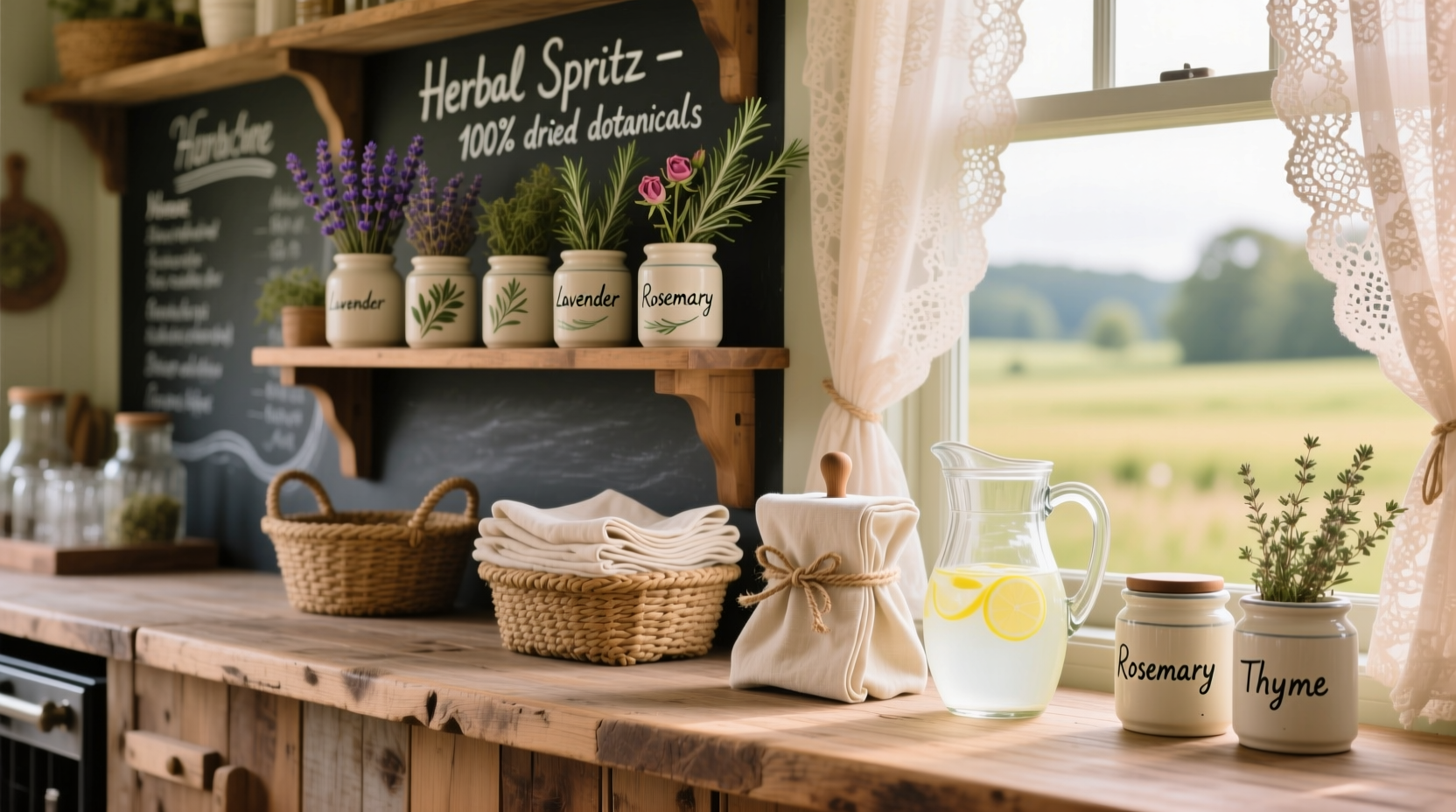
The cottagecore bar rejects disposability. It favors heirloom glassware over mass-produced tumblers, hand-stitched linen over polyester blends, and foraged or homegrown botanicals over plastic-wrapped supermarket garnishes. Its foundation rests on three interlocking principles: material honesty, seasonal rhythm, and tactile hospitality.
Material honesty means choosing objects that reveal their making—wood grain visible beneath beeswax, linen with subtle slubs and irregular weaves, ceramic glazes that pool unevenly in the kiln. Seasonal rhythm governs not only what’s in your glass (elderflower cordial in spring, blackberry shrub in late summer, dried sage and orange peel in winter), but also how your bar evolves: jars refilled after harvest, napkins mended or rotated with the light, dried bundles replaced as they fade. Tactile hospitality refers to the physical experience of using the space—the weight of a cut-glass decanter, the soft resistance of a folded linen napkin, the faint herbal scent released when you lift a lid.
“Cottagecore isn’t escapism—it’s reclamation. It’s choosing the slow, handmade, and seasonal as acts of quiet resistance against speed and sameness.” — Clara Finch, author of *The Grounded Home: Designing with Intention and Soil*.
Curating Dried Herb Garnish Jars: Function, Form & Foraging Ethics
Dried herb jars are the heart of a cottagecore bar—not as decorative props, but as working apothecary vessels. Their purpose is twofold: to preserve botanical integrity and to serve as intuitive flavor cues. A well-curated set includes herbs you use regularly, sourced ethically and dried with intention.
Start with a core quartet: rosemary, thyme, lavender buds, and lemon verbena. These offer versatility across spirit categories—rosemary with gin or tequila, thyme with whiskey or vermouth, lavender with floral liqueurs or sparkling water, lemon verbena with citrus-forward drinks or herbal teas. Expand seasonally: add dried chamomile flowers in spring, mint leaves in early summer, calendula petals in late summer, and dried apple slices or cinnamon sticks in autumn.
Tip: Never dry herbs in direct sunlight—it degrades volatile oils and fades color. Instead, hang small bundles upside-down in a cool, dark, well-ventilated closet or attic for 7–10 days. Test readiness by crumbling a leaf between your fingers; it should crumble cleanly, not bend.Jar selection matters deeply. Avoid uniform glass canisters with rubber gaskets—they feel clinical, not cottagecore. Opt instead for:
- Amber or cobalt apothecary jars with cork or wood-lid closures (not metal screw-tops)
- Hand-thrown stoneware jars with matte glazes and subtle imperfections
- Repurposed vintage bottles (e.g., old French mustard or olive oil bottles) cleaned thoroughly and labeled with pencil on kraft paper tags
Label every jar clearly—not just with the herb name, but with harvest date and location (e.g., “Rosemary, June 2024, south balcony pot”). This practice honors the plant’s journey and reminds you when potency begins to wane (most dried culinary herbs retain optimal aroma for 6–9 months).
Selecting & Styling Linen Napkin Dispensers
A linen napkin dispenser is more than convenience—it’s a gesture of care. In cottagecore, napkins aren’t tucked away in a drawer; they’re presented visibly, inviting touch and use. The dispenser must complement the bar’s material language while supporting practicality: easy one-handed access, gentle fabric release, and visual harmony with jars and glassware.
Three authentic approaches work best:
- The Woven Willow Basket: Low-profile, shallow, and slightly irregular in shape. Line with unbleached muslin and fold napkins in thirds, then roll loosely. Ideal for informal gatherings—napkins emerge with soft, organic drape.
- The Turned Wooden Stand: A simple lathe-turned oak or cherry cylinder (8–10 inches tall, 4 inches wide) with a hollow center. Insert napkins vertically, folded in half twice. The wood grain warms the space and contrasts beautifully with pale linen.
- The Repurposed Ceramic Crock: A footed, glazed stoneware crock (think vintage butter or pickle crocks) with a wide mouth. Place napkins flat inside, stacked neatly. Choose pieces with subtle crackle glaze or iron-rich clay bodies for earthy authenticity.
Choose linen napkins in natural, undyed tones—oat, flax, stone, or cloud white—or in botanical-dyed hues (e.g., walnut-stained beige, indigo-dipped edges). Avoid starched, stiff, or overly crisp finishes; cottagecore linen should feel lived-in, softened by repeated washing and air-drying. Fold each napkin with gentle intention: the “cottage fold” (a loose rectangle with one corner turned up) signals ease, not formality.
Building Your Bar Layout: A Step-by-Step Assembly
A cottagecore bar thrives on thoughtful layering—not clutter, but curated accumulation. Follow this sequence to build cohesion and flow:
- Anchor with Surface & Structure: Begin with a reclaimed wood shelf (oak, pine, or chestnut), 36–48 inches long and 10–12 inches deep. Mount it at counter height (36 inches from floor) or install as a wall-mounted ledge. Sand lightly and finish with food-safe walnut oil—not polyurethane—to preserve grain and allow patina to develop.
- Place Core Vessels: Position your largest jar (e.g., dried lavender or rosemary) at the center rear. Flank it with two medium jars (thyme, lemon verbena). Leave 2 inches of breathing room between each. Behind them, place a small, unlidded ceramic bowl for citrus peels or fresh sprigs.
- Add Functional Accents: To the left, place your linen napkin dispenser. To the right, position a hand-blown glass syrup bottle (filled with house-made elderflower or ginger syrup) and a small copper or brass jigger. Keep tools minimal: one wooden muddler, one stainless steel bar spoon, one fine-mesh strainer hanging from a hook beneath the shelf.
- Introduce Living Texture: Nestle a single potted herb (rosemary, mint, or lemon balm) in a terracotta pot at one end. Let its leaves spill slightly over the edge. Alternatively, drape a small bundle of dried lavender or yarrow across the front lip of the shelf—secured with twine, not glue.
- Final Layer: Light & Ritual: Add a small beeswax candle in a vintage tin or ceramic cup. Place it near the napkin dispenser so its glow catches the linen’s weave. Light it before guests arrive—not for ambience alone, but as a signal that the space is activated, ready for shared moments.
Do’s and Don’ts of Cottagecore Bar Stewardship
Maintaining the integrity of your bar requires daily micro-rituals and seasonal resets. The table below outlines essential practices grounded in real-world use:
| Category | Do | Don’t |
|---|---|---|
| Herb Storage | Store jars in a cool, dark cupboard when not in use; rotate stock using “first dried, first used” principle | Leave jars on the bar in direct sunlight or near heat sources (e.g., above a stove or radiator) |
| Linen Care | Wash napkins in cold water with pH-neutral soap; air-dry flat or on a line; iron only if needed, using low steam and linen setting | Use bleach, fabric softener, or high-heat drying—these break down flax fibers and dull natural luster |
| Surface Maintenance | Wipe wood shelves weekly with damp cloth + diluted vinegar (1:4); re-oil every 3–4 months | Use abrasive cleaners, citrus-based sprays, or silicone polishes that mask grain and attract dust |
| Garnish Use | Pinch dried herbs directly from jar with clean fingers or a small wooden spoon; discard spent garnishes after 2 uses | Pre-load garnishes into cocktail shakers or leave them soaking in liquid for extended periods |
| Seasonal Shift | Refresh herb jars every solstice (March, June, September, December); replace napkins with new dye batches or mended versions | Treat the bar as static—cottagecore deepens through attentive change, not permanence |
Real Example: Elara’s Porch Bar in Asheville, NC
Elara, a botanist and part-time herbalist, transformed a narrow 4-foot section of her screened porch into a cottagecore bar over three seasons. She began with salvaged oak shelving from a deconstructed barn, sanded and oiled by hand. Her first jars held rosemary and thyme she’d grown in terra cotta pots since spring. By summer, she’d added lavender harvested from her garden and dried in her attic, labeled with graphite pencil on recycled seed paper.
She chose a willow basket for napkins—woven locally by a neighbor—lined with undyed linen scraps from her sewing studio. Each napkin was hemmed by hand, with one corner embroidered with a tiny sprig of mint. When hosting, she’d steep dried chamomile in hot water, pour it into a vintage porcelain cup, and serve it alongside a small dish of honey and a sprig of fresh lemon balm. Guests often lingered longer than planned—not because of the drink, but because the space invited stillness. “People tell me it feels like stepping into a memory,” she says. “That’s the goal—not nostalgia, but resonance.”
FAQ
Can I use dried herbs from the grocery store?
Yes—but with caveats. Most commercial dried herbs are over-dried, heat-treated, and stored in transparent packaging, which degrades aromatic compounds. If using store-bought, choose organic brands in opaque, resealable tins (like Frontier Co-op or Mountain Rose Herbs), and refresh your supply every 4 months. Better yet: grow one herb in a windowsill pot and dry your first batch. The difference in fragrance and intention is immediate.
How do I prevent linen napkins from fraying at the edges?
Fraying is natural in untreated linen—but excessive unraveling signals poor construction or harsh laundering. Always purchase napkins with double-folded, hand-stitched hems (not machine-overlocked edges). When washing, avoid overloading the machine and never tumble-dry on high heat. If fraying begins, snip loose threads with sharp embroidery scissors and apply a drop of clear beeswax to the cut edge to seal fibers.
What’s the most cottagecore-friendly spirit to start with?
Gin. Its botanical base aligns seamlessly with dried herb garnishes—juniper, coriander, and citrus notes harmonize with rosemary, thyme, and lavender. Begin with a classic London Dry (like Sipsmith or Cotswolds), then explore small-batch gins infused with local flora (e.g., Oregon grape or Appalachian sassafras). Serve simply: gin, chilled tonic, a twist of citrus, and a single dried herb sprig floated on top.
Conclusion
Your cottagecore home bar is not a project to finish—it’s a practice to inhabit. It grows richer with each jar you fill, each napkin you fold, each season you honor. It asks little of you except attention: to notice how light falls on dried lavender at 4 p.m., to feel the softening of linen after the third wash, to pause before reaching for a garnish and consider its origin. There is no “perfect” cottagecore bar—only yours, shaped by your hands, your garden, your rhythms.
Start small. Today, rinse a mason jar, gather three sprigs of rosemary from your windowsill, and tie them with twine. Dry them in a shadowed corner. Next week, fold a linen square and place it beside a simple tumbler. Let the bar evolve slowly, like a vine climbing a trellis—not forced, but following its own quiet logic.
💬 Your turn. Try one step this week—dry an herb, mend a napkin edge, or sketch your shelf layout—and share what emerged in the comments. The cottagecore movement grows strongest when tended together.








