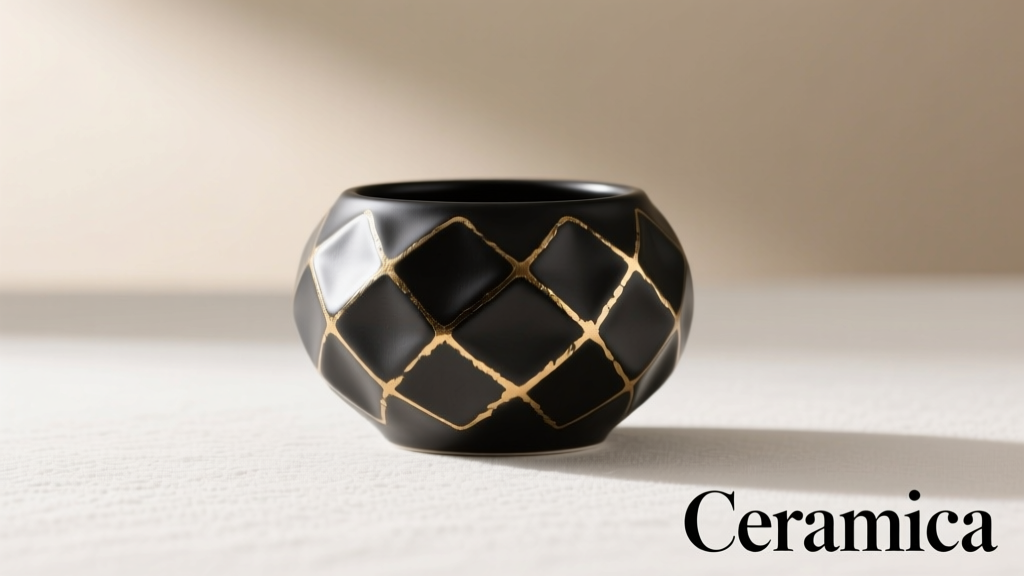
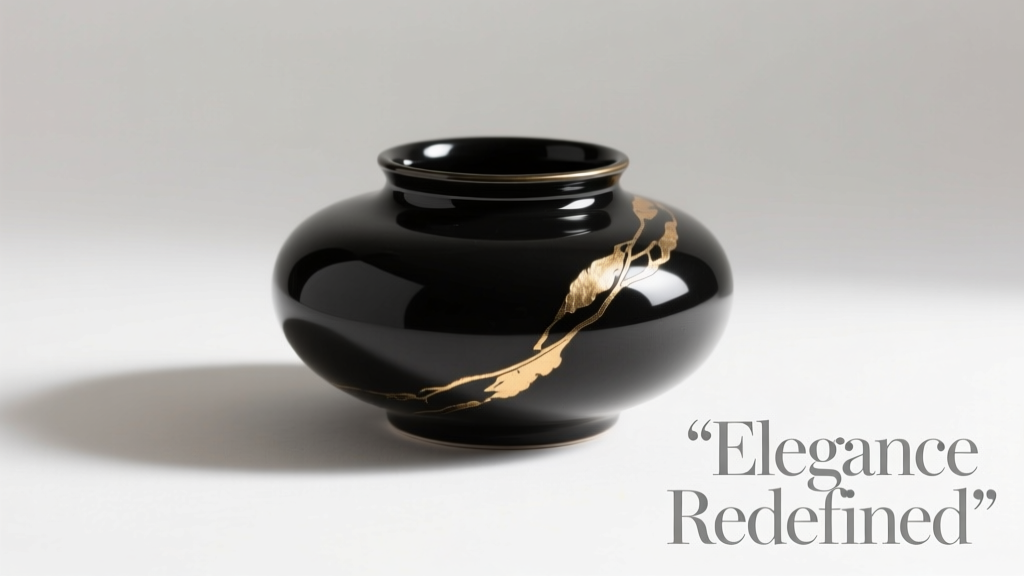
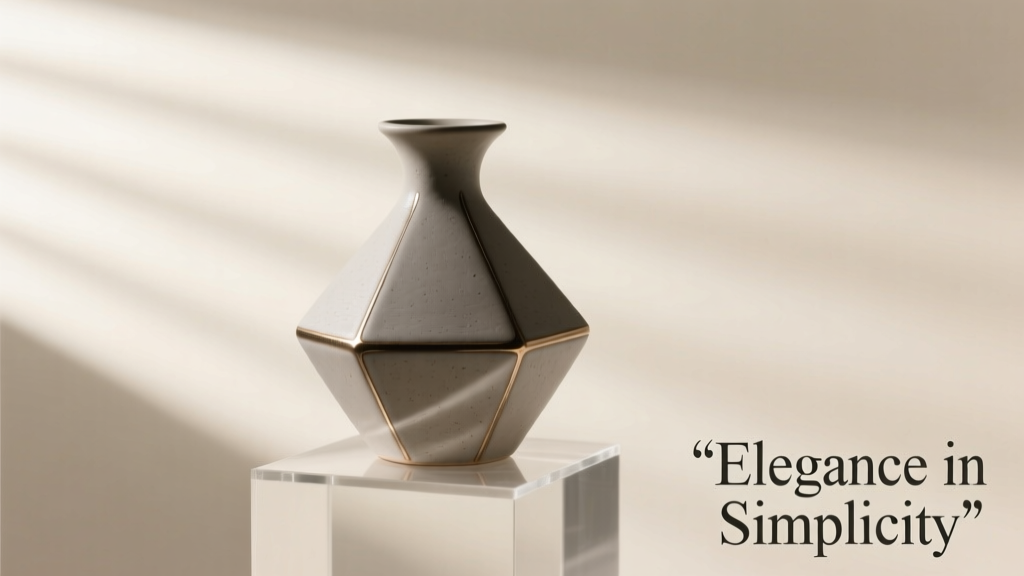
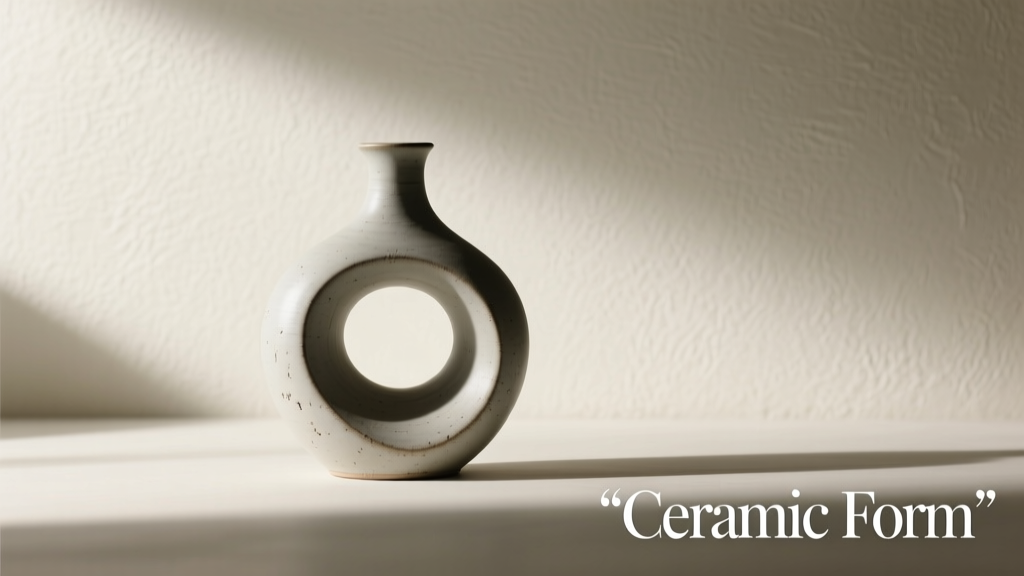
Whether you’re designing a delicate bud vase centerpiece for a dinner party, crafting a hand-tied bouquet for a wedding guest, or styling seasonal stems on a bookshelf, the foundation of your arrangement isn’t just functional—it’s structural, aesthetic, and expressive. The small flower base—the often-overlooked anchor beneath your blooms—determines stability, water retention, stem placement precision, and even longevity. Yet many florists and home arrangers default to whatever’s on hand: a recycled jam jar, a foam cube shoved into a ceramic cup, or a wire ring that slips at the first tilt. That compromises not only visual harmony but also flower health. This guide distills decades of professional practice—from studio florists and event designers to botanical educators—into actionable criteria for choosing the *right* small flower base for *your specific purpose*, not just the most convenient one.
Why “Small” Bases Demand Special Attention
Small flower bases (typically under 6 inches tall or holding fewer than 12 stems) operate under unique constraints. Unlike large urns or pedestal vases, they offer minimal margin for error: less water volume means faster evaporation and greater sensitivity to stem blockage; reduced surface area limits mechanical grip for heavy-headed blooms like ranunculus or peonies; and narrow openings restrict access for precise stem positioning. A poorly matched base can cause drooping, premature wilting, uneven distribution, or even toppling. Conversely, a well-chosen small base enhances natural movement, supports hydration without drowning delicate stems, and elevates the perceived intentionality of the design. As floral designer and educator Lena Torres notes:
“The small base is where craft meets botany. It’s not about holding flowers upright—it’s about creating conditions where stems *choose* to stay upright, hydrated, and expressive.” — Lena Torres, Founder of Bloom & Root Studio, 15+ years teaching floral mechanics
Core Selection Criteria: Beyond Aesthetics
Selecting a small flower base isn’t about matching your table runner. It’s a functional triage involving four interdependent factors:
- Water Capacity vs. Stem Density: Small bases hold less water, so evaporation accelerates with each added stem. A 4-inch cylindrical vase holding 100ml of water may sustain five slender lisianthus stems for 5 days—but wilt seven mixed stems (including thicker hydrangea) by Day 2. Always calculate minimum water volume: aim for 30–40ml per stem in small vessels.
- Stem Support Architecture: Does the base provide passive support (e.g., tight necks, internal ridges, weighted bottoms) or require active anchoring (e.g., pin frogs, kenzans, floral tape grids)? Delicate stems like sweet peas benefit from gentle friction; woody stems like quince need puncture points.
- Material Compatibility: Glass conducts temperature shifts that chill stems; unglazed ceramics wick moisture away from stems resting against walls; metal can oxidize sap. Match material to flower type and environment (e.g., avoid aluminum with lilies—their pollen stains irreversibly).
- Proportional Integrity: The base should visually ground—not dominate—the arrangement. A general rule: height of base = ⅓ to ½ the total height of the finished arrangement. For a 9-inch tulip bouquet, a 3- to 4.5-inch vessel maintains balance. Oversized bases dwarf blooms; undersized ones create instability and visual tension.
Comparing Common Small Flower Base Types
Not all small bases serve the same purpose—even when dimensions appear identical. Below is a comparative analysis of six widely used types, evaluated across critical performance metrics:
| Base Type | Best For | Water Retention | Stem Control | Longevity Impact |
|---|---|---|---|---|
| Glass Cylinder (3–4″) | Single-stem focus (roses, anemones), linear designs | High (smooth interior minimizes evaporation) | Low (requires tape grid or frog for multi-stem control) | Neutral—excellent hydration if stems are cut fresh and recut daily |
| Ceramic Bud Vase (tapered) | Dried or preserved arrangements, airy stems (astrantia, scabiosa) | Medium (unglazed interiors absorb moisture; glazed retain better) | Medium (tapered neck guides stems upward) | Slightly negative for fresh flowers—less consistent hydration than glass |
| Floral Foam (Oasis® Mini Cubes) | Tight, structured arrangements (wedding posies, boutonnieres) | Very High (holds 10x its weight in water) | Very High (precise 3D stem placement) | Mixed—excellent initial hydration, but promotes bacterial growth if not pre-soaked correctly |
| Pin Frog (Kenzan) in Low Dish | Japanese ikebana, architectural stems (bupleurum, eryngium) | Low (shallow water depth; requires frequent top-ups) | Very High (rigid needle control for directional placement) | Positive—minimal stem contact with water reduces rot risk |
| Wire Grid (Floral Tape + Vessel) | Seasonal wildflower bunches, flexible stems (yarrow, feverfew) | High (uses full vessel capacity) | Medium-High (grid spacing determines density control) | Positive—allows full stem immersion and easy repositioning |
| Recycled Container (Mason Jar, Tin Can) | Rustic events, budget-conscious projects, herb gardens | Variable (depends on seal integrity and material) | Low-Medium (often requires additional support) | Neutral to Negative (metal cans may leach; glass jars lack stability) |
A Step-by-Step Decision Framework
Follow this sequence to match your arrangement goals with the optimal small base—no guesswork required:
- Define Purpose & Duration: Is this for a 2-hour photoshoot (prioritize aesthetics and stability), a 3-day dinner party (prioritize hydration), or a permanent dried display (prioritize air circulation)?
- Inventory Your Stems: Note thickness (woody vs. herbaceous), length, and head weight. Heavy-headed blooms need downward resistance (e.g., pin frog); thin stems need lateral support (e.g., tape grid).
- Calculate Minimum Water Volume: Multiply number of stems by 35ml. If your vessel holds less, choose a different base—or reduce stem count.
- Test Mechanical Fit: Place one representative stem in the base. Does it sit upright without leaning? Does the stem rest fully in water (not touching vessel bottom or sides)? If not, add support or switch bases.
- Evaluate Visual Proportion: Hold the base next to your tallest intended bloom. Does the base feel like a foundation—or an afterthought? Adjust height or width accordingly before adding flowers.
Real-World Example: The Café Counter Challenge
At “Haven Roast,” a specialty coffee shop in Portland, owner Maya Chen needed compact, low-profile arrangements for narrow marble counters—no taller than 6 inches, stable enough to survive espresso machine vibrations, and sustainable (no single-use foam). Her first attempt used mini ceramic vases: beautiful, but lilies wilted within 36 hours due to poor water retention and stem slippage. She switched to 3.5-inch clear glass cylinders with custom-cut floral tape grids (¼-inch squares). Each held exactly 120ml—enough for eight stems—and the grid allowed precise placement of delicate cosmos and feverfew. She added a daily ritual: recutting stems underwater and replacing ⅓ of the water each morning. Result? Arrangements now last 5–6 days, require zero midday adjustments, and customers consistently photograph them—boosting Instagram tags by 40% in two months. “It wasn’t about spending more,” Maya says. “It was about respecting how little space and water these little arrangements actually have—and designing *with* those limits, not against them.”
What to Do (and Avoid) When Selecting Your Base
Use this concise checklist before purchasing or repurposing any small flower base:
✅ Do:
- Measure internal diameter and water-holding capacity—not just external height.
- Choose weighted or wide-based vessels for top-heavy arrangements (e.g., dahlias, garden roses).
- Pre-soak floral foam for 10 seconds *gently*—never push it in—to prevent air pockets that block water absorption.
- Use food-grade floral tape for DIY grids—non-toxic and dissolves cleanly in water.
- Match base color to flower palette, not room decor: a matte black vase makes white lisianthus glow; a pale celadon highlights greenery.
❌ Don’t:
- Use containers with narrow necks for thick-stemmed flowers—they’ll bruise and seal vascular tissue.
- Place metal bases directly in sunlight (heat accelerates bacterial growth in water).
- Assume “eco-friendly” means “floral-friendly”—many bioplastics degrade unpredictably in water and leach compounds.
- Reuse foam cubes—they harbor bacteria and lose absorption capacity after 24 hours.
- Ignore the vessel’s footprint—small bases with oversized bases (e.g., flared ceramic bowls) tip easily on narrow surfaces.
FAQ: Small Flower Base Questions Answered
Can I use floral foam for fresh arrangements in tiny vessels?
Yes—but only if the foam is sized precisely to fit the vessel *without compression*. Compressed foam creates air gaps that starve stems of water. For vessels under 3 inches wide, opt for a pin frog or tape grid instead. If using foam, soak it in flower food solution (not plain water) to extend vase life by up to 30%.
Is there a universal “best” small base for beginners?
The 4-inch clear glass cylinder paired with a 1-inch floral tape grid is the most forgiving starting point. Its transparency lets you monitor water clarity and stem condition; its uniform shape accepts any grid size; and its neutrality focuses attention on technique, not troubleshooting. Master this combination before experimenting with specialized tools.
How often should I clean or replace my small flower bases?
After every arrangement: rinse thoroughly with hot water and mild vinegar (1:3 ratio) to dissolve mineral buildup and biofilm. Inspect for scratches or cloudiness—these harbor bacteria. Replace glass or ceramic bases every 12–18 months, even if intact. Over time, microscopic etching traps organic residue that no cleaning removes.
Conclusion: Build Your Foundation With Intention
Your small flower base is never neutral. It’s the silent collaborator in every arrangement—holding space for stems to breathe, draw water, and express their form. Choosing wisely means honoring the biology of your flowers, the physics of your space, and the intention behind your design. It’s not about accumulating tools, but cultivating discernment: knowing when a pin frog’s precision serves your vision better than a vase’s simplicity, or when a tape grid’s flexibility outperforms foam’s rigidity. Start with one arrangement this week. Measure your vessel. Count your stems. Calculate the water. Test the tilt. Then step back—not to admire the blooms alone, but to see how thoughtfully the base holds them. That awareness transforms arrangement from decoration into dialogue.
💬 Your turn: Share which small base changed your arranging game—and what you learned the hard way. Tag a fellow florist or home enthusiast who needs this reminder: greatness grows from the ground up.