When it comes to rehydration, two names dominate the conversation: Liquid IV and Gatorade. One is marketed as a next-generation hydration multiplier with high electrolyte content; the other has been a staple in sports nutrition for decades. But what really sets them apart—and more importantly, is the significantly higher sodium in products like Liquid IV actually beneficial for hydration?
The answer isn’t just “yes” or “no.” It depends on your activity level, environment, diet, and health status. To understand whether extra sodium enhances hydration—or risks overconsumption—we need to examine the science behind fluid absorption, compare product formulations, and consider real-world use cases.
The Science of Hydration: Why Sodium Matters
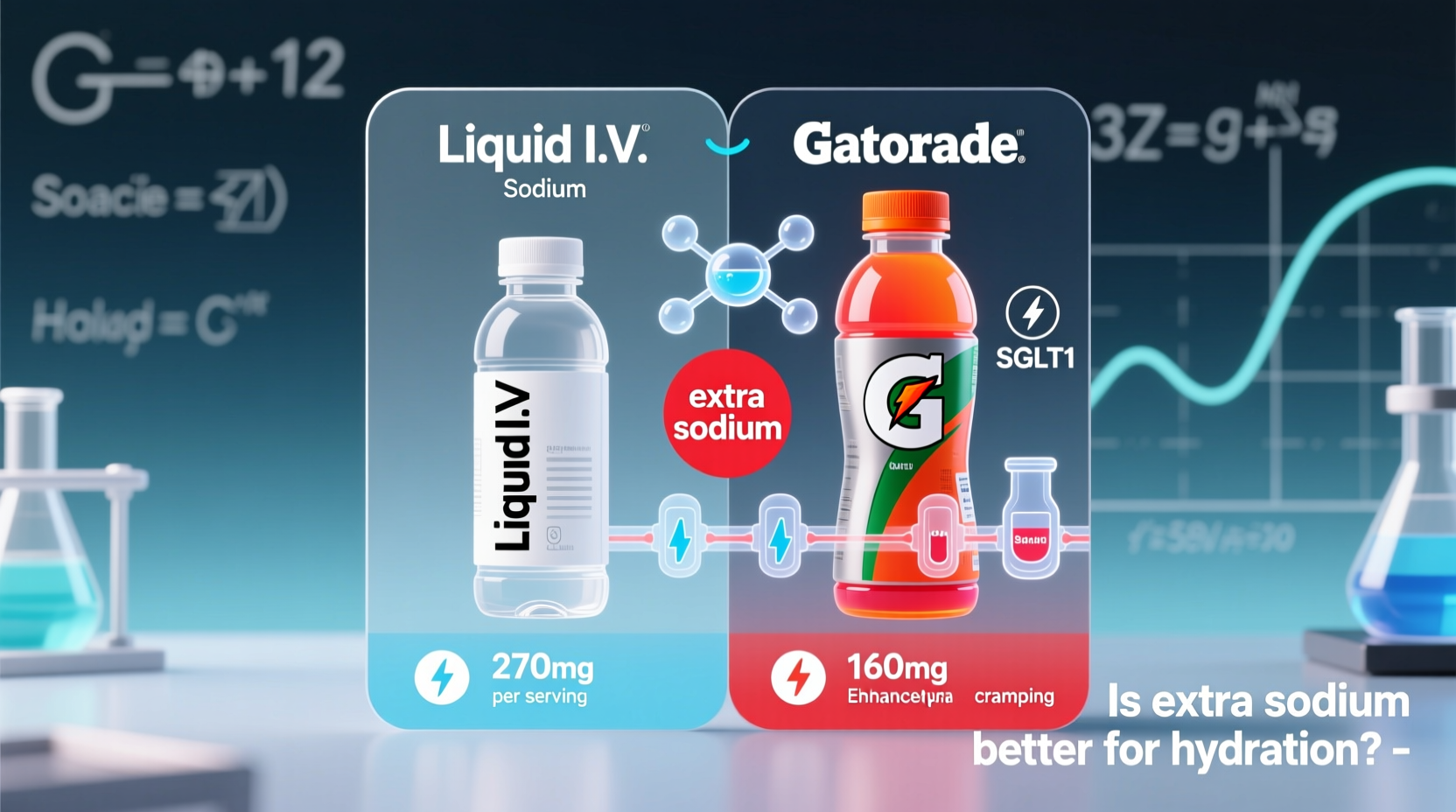
Hydration isn’t just about drinking water. The body maintains fluid balance through a complex system involving electrolytes—minerals like sodium, potassium, magnesium, and chloride that carry an electric charge. Among these, sodium plays a starring role in how effectively fluids are absorbed and retained.
Sodium enables a process called co-transport, where glucose and sodium molecules work together to pull water across the intestinal wall into the bloodstream. This mechanism is the foundation of oral rehydration therapy (ORT), developed by the World Health Organization (WHO) to treat dehydration from diarrhea in developing countries. ORT solutions contain precise ratios of salt and sugar to maximize water absorption.
Liquid IV leverages this principle with its \"Cellular Transport Technology,\" which combines sodium, glucose, and other electrolytes in a ratio designed to optimize fluid uptake. Gatorade, while also containing sodium and carbohydrates, uses a different formula focused more on energy replenishment than rapid hydration.
“Sodium is essential for effective hydration because it helps retain fluid and supports nerve and muscle function. Without enough sodium, even large volumes of water may not be properly utilized.” — Dr. Laura Chen, Sports Medicine Physician
Comparing Formulations: Liquid IV vs Gatorade
To assess which product better supports hydration, let’s break down their key ingredients. We’ll compare one serving of each based on standard packet (Liquid IV) and 20 oz bottle (Gatorade Thirst Quencher).
| Component | Liquid IV (One Stick Pack) | Gatorade (20 fl oz Bottle) |
|---|---|---|
| Calories | 45 | 130 |
| Total Sugar | 11g | 34g |
| Sodium | 500mg | 270mg |
| Potassium | 370mg | 75mg |
| Magnesium | 30mg | 0mg |
| Vitamin C | 500mg (833% DV) | 0mg |
| B Vitamins (B3, B6, B12) | Yes | No |
| Carbohydrates | 11g | 34g |
The data reveals a clear contrast. Liquid IV delivers nearly double the sodium and over four times the potassium compared to Gatorade. It also includes added vitamins and uses less sugar. Gatorade, however, contains more carbohydrates, making it better suited for sustained physical performance when energy demands are high.
Tip: If you're sweating heavily during prolonged exercise or recovering from illness, the higher sodium in Liquid IV can help restore electrolyte balance faster than standard sports drinks.Is Extra Sodium Actually Good for You?
The idea of consuming more sodium often raises concerns due to widespread messaging about reducing salt intake for heart health. However, context is critical. For sedentary individuals on a typical Western diet, excessive sodium can contribute to hypertension and cardiovascular strain. But for active people, those in hot climates, or anyone losing fluids through sweat, vomiting, or diarrhea, sodium becomes a vital nutrient.
The average adult loses between 400–1,000mg of sodium per liter of sweat, depending on fitness level and acclimatization. Endurance athletes or laborers working in heat can lose far more. In such cases, replacing sodium isn’t optional—it’s necessary to prevent hyponatremia (low blood sodium), a dangerous condition that can cause confusion, seizures, and even death.
Liquid IV’s 500mg of sodium per serving aligns closely with WHO guidelines for oral rehydration solutions (which recommend 45–90mmol/L of sodium, roughly 1,000–2,000mg per liter). When mixed with 16 oz of water, Liquid IV provides about 1,000mg/L of sodium—well within therapeutic range. Gatorade, at 270mg per 20 oz, delivers only about 340mg/L, falling short of optimal rehydration standards.
That said, routine daily use of high-sodium hydration products without significant fluid loss could lead to unnecessary sodium accumulation. For someone with normal activity levels and balanced diet, this may push them above the recommended daily limit of 2,300mg.
Who Benefits Most from High-Sodium Hydration?
- Athletes engaged in endurance events (marathons, triathlons, long cycling sessions)
- Outdoor workers exposed to heat and prolonged sweating
- Travelers experiencing dehydration from air travel or altitude
- Ill individuals recovering from fever, vomiting, or gastrointestinal infections
- Keto or low-carb dieters, who excrete more sodium due to reduced insulin levels
For these groups, the extra sodium in Liquid IV isn’t just beneficial—it can be essential.
Real-World Use Case: Marathon Recovery
Consider Sarah, a recreational runner training for her first marathon. During a long 18-mile run in 85°F weather, she sweats profusely but only drinks water at aid stations. By mile 16, she feels dizzy, nauseous, and weak. After finishing, she collapses briefly before being treated onsite.
Blood tests reveal mild hyponatremia—her sodium levels dropped due to excessive water intake without electrolyte replacement. In the days following, her coach recommends using an electrolyte solution with adequate sodium before, during, and after long runs.
She switches to Liquid IV the week before her next long run, using one packet the night before and another mid-run diluted in her hydration pack. This time, she completes 20 miles without symptoms. Her recovery is quicker, and she reports feeling more alert and less fatigued.
This scenario illustrates how proper sodium balance prevents complications and enhances performance. Had Sarah used Gatorade instead, she would have consumed less than half the sodium per serving, potentially requiring multiple bottles to achieve similar electrolyte support—along with a much higher sugar load.
When Gatorade Still Makes Sense
Despite its lower electrolyte profile, Gatorade remains a valid choice in specific situations. Its primary advantage lies in carbohydrate delivery. With 34g of sugar per 20 oz, it fuels muscles during extended physical exertion lasting longer than 60–90 minutes.
For example, a soccer player competing in a 90-minute match benefits from both hydration and quick energy. The moderate sodium content helps maintain fluid balance, while the sugars delay fatigue by maintaining blood glucose levels.
In contrast, Liquid IV’s 11g of sugar may not provide enough fuel for intense, glycogen-depleting activities unless supplemented with food. Therefore, Gatorade serves a dual purpose: hydration + energy. Liquid IV focuses primarily on hydration efficiency.
Do’s and Don’ts: Choosing Between Liquid IV and Gatorade
| Action | Do | Don’t |
|---|---|---|
| After intense sweating | Choose Liquid IV for rapid rehydration | Rely solely on water or low-electrolyte drinks |
| During endurance events | Use Gatorade or combine Liquid IV with snacks | Depend only on Liquid IV for energy needs |
| For everyday hydration | Stick to water or low-sugar options | Drink either daily without need |
| On a keto diet | Use Liquid IV to replace lost sodium | Avoid all salt due to outdated heart-health myths |
| With high blood pressure | Consult doctor before regular use | Consume multiple servings daily without monitoring |
Step-by-Step Guide: Optimizing Your Hydration Strategy
- Evaluate your activity level: Are you sedentary, moderately active, or engaging in prolonged exercise? High-output activities demand greater electrolyte attention.
- Assess environmental conditions: Hot, humid, or high-altitude environments increase fluid and sodium loss.
- Monitor symptoms: Cramps, headaches, dizziness, or dark urine may signal dehydration or electrolyte imbalance.
- Select the right product: Choose Liquid IV for fast rehydration with minimal sugar, or Gatorade when energy and hydration are both needed.
- Time your intake: Pre-hydrate before activity, sip during, and replenish after. Avoid chugging large volumes at once.
- Adjust based on feedback: Track how you feel physically and mentally. Fine-tune dosage and frequency accordingly.
Frequently Asked Questions
Can too much sodium from drinks like Liquid IV be harmful?
For healthy individuals, occasional use of high-sodium hydration products is safe. However, consistent overuse—especially without heavy sweating—can contribute to elevated blood pressure over time. Those with kidney disease, heart failure, or hypertension should consult a physician before regular use.
Is Liquid IV better than Gatorade for hangovers?
Yes, in most cases. Hangovers involve dehydration, electrolyte depletion, and low blood sugar. Liquid IV excels at restoring fluids and electrolytes with less sugar than Gatorade, which may worsen inflammation or energy crashes. Adding a small snack with protein and fat complements the rehydration effect.
Does the sugar in these drinks negate the hydration benefits?
No—but balance matters. Some sugar is necessary to activate sodium-glucose co-transport in the gut. However, excessive sugar (like in Gatorade) can slow gastric emptying and promote inflammation. Liquid IV uses a lower, more targeted amount aligned with clinical rehydration models.
Final Thoughts: Matching the Solution to the Need
Liquid IV and Gatorade serve different purposes under the broad umbrella of hydration. Liquid IV’s higher sodium content isn’t a marketing gimmick—it’s grounded in medical science. For rapid, efficient rehydration, especially when sodium loss is significant, that extra 500mg makes a measurable difference.
Gatorade, meanwhile, fills a niche where energy and hydration intersect. It’s designed for athletes needing fuel during prolonged effort, not necessarily for correcting fluid imbalances quickly.
The key is intentionality. Ask yourself: Am I trying to recover from fluid loss, or am I fueling ongoing exertion? Am I in a high-sweat environment, or just looking for a flavored drink? Answering these questions will guide you toward smarter choices.
💬 Have you tried switching from Gatorade to Liquid IV—or vice versa? What changed in how you felt during workouts or recovery? Share your experience and help others find their ideal hydration strategy.