Types of Decorative Glass Bottles
Decorative glass bottles come in a wide array of styles, each uniquely suited for different aesthetic and functional purposes—from elegant home decor and event centerpieces to creative storage and artistic amulets. Their versatility makes them a favorite among interior designers, craft enthusiasts, and gift creators alike.
Below is a comprehensive guide to the most popular types of decorative glass bottles, including their characteristics, best uses, and design advantages.
Cylindrical Bottles
Featuring straight, parallel sides and a consistent diameter from base to neck, cylindrical bottles offer a clean, classic silhouette. This timeless shape is widely used in both functional packaging and decorative applications.
Advantages
- Simple, symmetrical design enhances visual harmony
- Easy to label, paint, or customize
- Ideal for grouping in clusters or rows
- Perfect for holding candles, dried flowers, or liquid infusions
Limits
- Less visually striking on its own
- Limited uniqueness compared to sculptural forms
Best for: Minimalist interiors, DIY crafts, kitchen storage, and candle holders
Teardrop Bottles
Defined by their rounded base that gracefully tapers into a slender neck, teardrop bottles exude elegance and sophistication. Their fluid, organic shape mimics natural forms, making them a favorite in luxury product packaging and upscale decor.
Advantages
- Visually captivating and artistic
- Conveys luxury and refinement
- Excellent as standalone decorative pieces
- Popular for perfumes, essential oils, and wedding centerpieces
Limits
- Less stable due to rounded base
- More fragile and harder to stack or store
Best for: Romantic decor, bridal events, luxury gifting, and accent displays
Square Bottles
With flat sides and sharp 90-degree angles, square (or rectangular) glass bottles project a modern, architectural aesthetic. Their structured form aligns well with contemporary design principles and offers practical benefits in space utilization.
Advantages
- Maximizes shelf and storage space
- Offers a sleek, minimalist appearance
- Stackable and easy to organize
- Ideal for uniform sets and coordinated arrangements
Limits
- Can appear too rigid or industrial if not styled carefully
- Edges may chip more easily than rounded forms
Best for: Modern interiors, bathroom organizers, spice jars, and commercial displays
Round Bottles
Round bottles feature a fully spherical or near-spherical body with a rounded neck and flat base, offering a soft, balanced profile. This classic shape is one of the most common in both functional and decorative glassware due to its ergonomic and aesthetic appeal.
Advantages
- Smooth, inviting shape with excellent visual balance
- Comfortable to hold and handle
- Highly versatile for liquids, cosmetics, and decor
- Rolls attractively on surfaces (ideal for retail)
Limits
- Less space-efficient than square designs
- Gaps form when grouped together
Best for: Bath and body products, kitchen condiments, floral arrangements, and vintage-style decor
Funky-Shaped Bottles
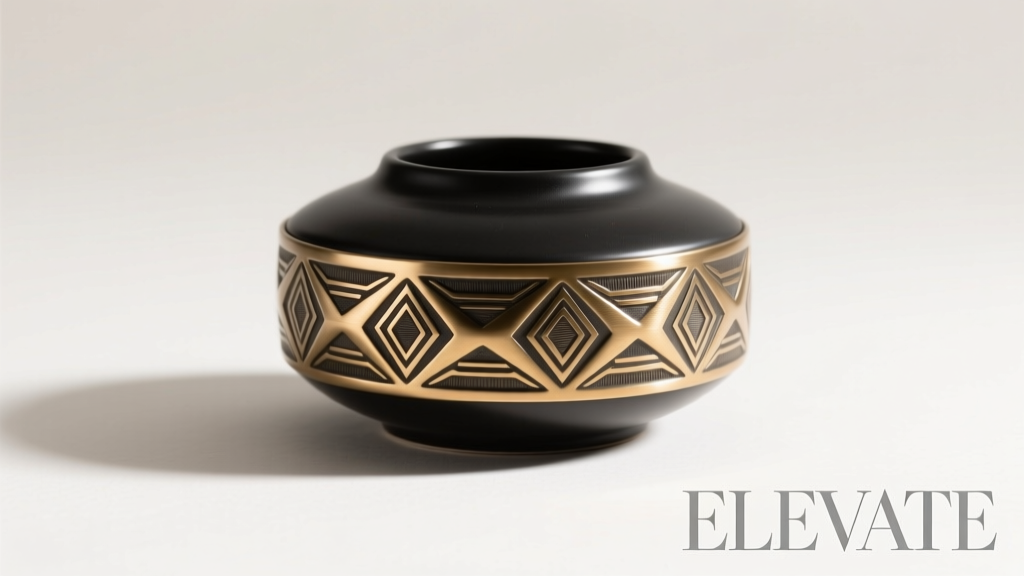
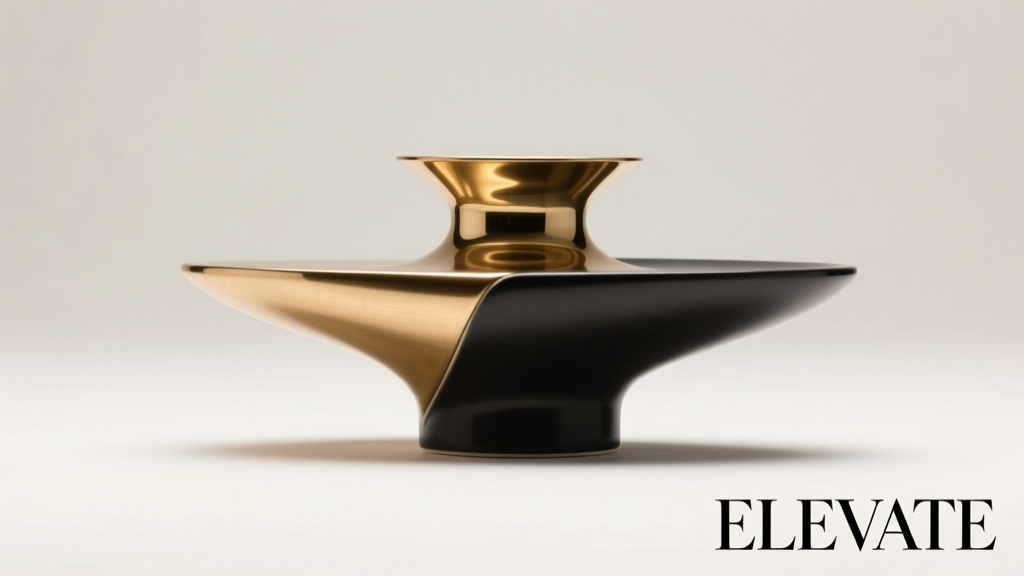
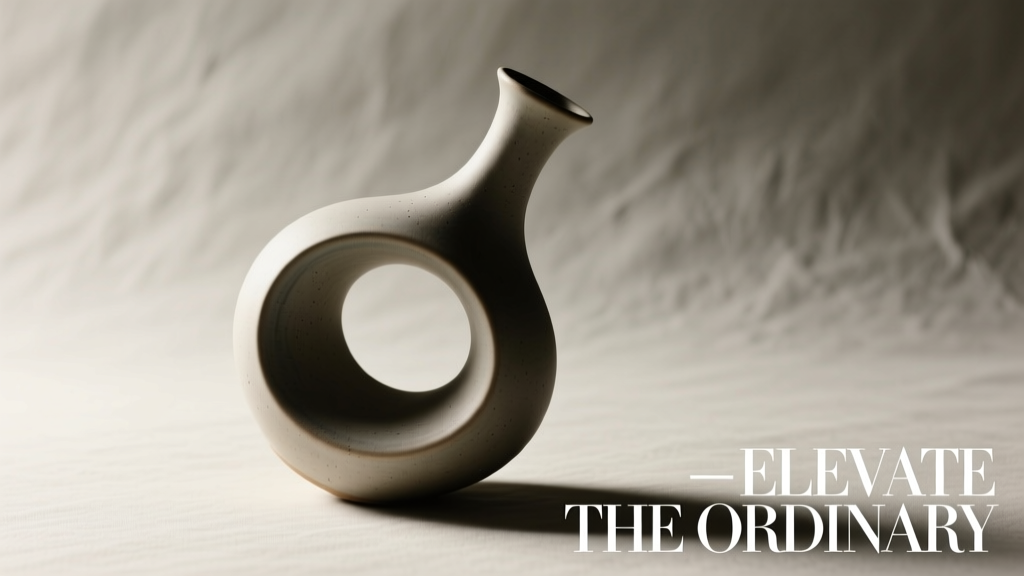
These bottles break the mold with imaginative, non-traditional designs—featuring curves, asymmetry, animal shapes, or intricate surface textures. Designed to stand out, they are often used as statement pieces in artistic or themed environments.
Advantages
- Highly unique and eye-catching
- Perfect for creative displays and themed events
- Encourages artistic expression and personalization
- Excellent as gifts or conversation starters
Limits
- Often impractical for storage or daily use
- More expensive due to complex manufacturing
- Harder to clean or fill efficiently
Best for: Art installations, children’s rooms, holiday decor, and whimsical gift packaging
| Shape | Aesthetic Style | Best Use | Durability | Storage Efficiency |
|---|---|---|---|---|
| Cylindrical | Classic, Clean | Vases, Candles, Labels | High | Medium |
| Teardrop | Elegant, Luxurious | Centerpieces, Gifts, Perfumes | Medium | Low |
| Square | Modern, Minimalist | Storage, Displays, Sets | High | Excellent |
| Round | Soft, Traditional | Kitchen, Bath, Floral | High | Medium |
| Funky-Shaped | Whimsical, Artistic | Decor, Events, Gifts | Variable | Low |
Design Tip: Combine different bottle shapes for dynamic visual interest—pair cylindrical and square bottles for structured elegance, or mix teardrop and funky-shaped bottles for a romantic, eclectic display. Adding LED string lights or colored sand enhances their decorative impact.
Material & Durability of Decorative Glass Bottles
Decorative vintage glass bottles are more than just charming accents—they represent a fusion of timeless aesthetics, functional durability, and environmental responsibility. Crafted primarily from high-quality glass, these bottles often feature complementary closures made from cork, metal, or plastic, each contributing to the bottle’s overall look, usability, and sustainability. Whether used as vases, centerpieces, or storage vessels, understanding the materials involved helps consumers make informed, eco-conscious choices.
Glass: The Foundation of Elegance and Strength
Glass is the cornerstone material in decorative bottle design, prized for its clarity, elegance, and resilience. Its transparent nature allows light to refract beautifully, enhancing interior ambiance and showcasing any contents—such as dried flowers, colored sands, essential oils, or artisanal liquids—with striking visual appeal.
Beyond aesthetics, glass is chemically inert, meaning it does not react with or alter the composition of stored substances. This makes it ideal for preserving oils, perfumes, beverages, and dry goods without risk of contamination or degradation. Unlike plastics, glass does not leach harmful chemicals over time, ensuring long-term safety and purity.
From an environmental standpoint, glass is 100% recyclable and can be reused endlessly without loss in quality or strength. This infinite recyclability reduces landfill waste and lowers the carbon footprint associated with manufacturing new materials. When properly cared for, vintage glass bottles can last for decades, making them a sustainable choice for both decorative and functional use.
Cork or Natural Wood Caps: Organic Charm & Sustainability
Cork stoppers bring a rustic, vintage character to decorative bottles, evoking a sense of nostalgia and natural elegance. Sourced from the bark of cork oak trees—a renewable resource harvested without harming the tree—cork is biodegradable, compostable, and environmentally responsible.
While cork provides a snug fit, it is best suited for decorative or infrequently opened bottles, such as display pieces or one-time-use gift containers. It offers limited airtight sealing compared to metal, making it less ideal for long-term liquid storage. However, its natural texture and warm tone complement glass beautifully, especially in farmhouse, bohemian, or eco-chic interiors.
Wooden caps, often crafted from bamboo or sustainably harvested timber, offer similar aesthetic and ecological benefits. They add a handcrafted, artisanal touch and are increasingly popular in premium gift packaging and boutique home décor.
Metal Caps: Durability Meets Modern Design
Metal caps—typically made from aluminum, stainless steel, or tin alloys—provide a secure, airtight seal essential for preserving liquids like essential oils, spirits, or gourmet oils. Their durability ensures protection against leakage, oxidation, and contamination, extending the shelf life of sensitive contents.
From a design perspective, metal caps introduce a sleek, industrial, or vintage-apothecary flair. Available in polished, brushed, or antiqued finishes, they enhance the bottle’s visual contrast and sophistication. Many metal closures are also recyclable, aligning with eco-friendly practices when separated from the glass body during disposal.
These caps are ideal for decorative bottles intended for both display and practical use, blending form and function seamlessly.
Plastic Caps: Lightweight and Cost-Effective
Plastic stoppers or neck finishes are the most economical and lightweight closure option for decorative glass bottles. Commonly made from polypropylene (PP) or polyethylene (PE), plastic caps are easy to manufacture and highly versatile in shape, color, and texture.
While traditionally viewed as less luxurious than cork or metal, modern design innovations have elevated plastic caps with matte finishes, metallic coatings, and ergonomic shapes that mimic high-end materials. They are particularly useful for bottles that undergo frequent use, transport, or handling—such as in retail or event settings.
However, plastic has notable environmental drawbacks. Most plastic caps are not widely recyclable due to material separation challenges, often ending up in landfills or ecosystems. For eco-conscious consumers, bottles with plastic closures should be used sparingly or paired with reusable systems to minimize waste.
Material Comparison at a Glance
| Material | Durability | Aesthetic Appeal | Eco-Friendliness | Best Use Case |
|---|---|---|---|---|
| Glass Body | High (scratch-resistant, long-lasting) | High (transparent, elegant, light-enhancing) | Excellent (fully recyclable, inert) | All decorative and storage applications |
| Cork/Wood Cap | Medium (susceptible to drying or cracking) | High (natural, vintage charm) | Excellent (biodegradable, renewable) | Display bottles, vases, gift sets |
| Metal Cap | Very High (corrosion-resistant, secure seal) | High (sleek, industrial, premium look) | Good (recyclable, but energy-intensive) | Liquids, oils, frequently accessed contents |
| Plastic Cap | Low-Medium (can degrade or crack over time) | Medium (versatile design, less premium feel) | Fair (often not recyclable, petroleum-based) | Budget-friendly, high-volume, or temporary use |
Longevity & Care Tips for Decorative Glass Bottles
Note on Environmental Claims: While the original text mentions "ascorbic acid," this appears to be an error, as ascorbic acid (vitamin C) is not a material property of glass bottles. The intended term may have been "acid resistance" or "eco-sustainability." Glass is naturally resistant to acids and chemicals, contributing to its longevity and safety. Always verify material claims with manufacturers to ensure accuracy and environmental integrity.
13 Creative Scenarios for Decorative Glass Bottles
Decorative glass bottles are more than just containers—they are versatile, elegant, and sustainable elements that enhance both personal and commercial spaces. From minimalist home accents to sophisticated product packaging, their timeless appeal makes them ideal for a wide range of applications. Whether you're a homeowner, event planner, artist, or entrepreneur, these bottles offer endless possibilities for creativity and functionality.
Home Decor Elegance
Clear glass bottles are a staple in modern interior design, offering a clean, refined look that complements any decor style. When arranged in clusters of varying heights and shapes on shelves, coffee tables, or mantels, they create eye-catching displays that serve as subtle art installations.
- Use tinted or hand-blown bottles for a vintage or bohemian aesthetic
- Fill with fairy lights, sand, or seashells for coastal or rustic themes
- Pair with minimalist labels or metallic caps for a contemporary touch
- Group in odd numbers (3, 5, 7) to create balanced, professional-looking vignettes
Design tip: Reflect ambient light by placing bottles near windows or lamps to amplify visual depth in a room.
Floral & Botanical Displays
Transform decorative bottles into chic alternatives to traditional vases. Their slender necks and elegant silhouettes provide perfect support for single stems or small bouquets, making them ideal for modern, Scandinavian, or Japandi-style interiors.
- Use narrow bottles for tulips, cherry blossoms, or peonies
- Fill with dried pampas grass, eucalyptus, or lavender for long-lasting arrangements
- Combine with preserved moss or colored water for artistic effect
- Label with calligraphy tags for a personalized touch in guest rooms or entryways
Pro tip: Choose bottles with wide mouths for easier stem placement and water maintenance.
Weddings & Special Events
From romantic garden weddings to chic urban soirées, decorative glass bottles add charm and sophistication to any celebration. Their adaptability allows them to be customized to match any theme, color palette, or season.
- Convert wine or apothecary bottles into candle holders by placing tea lights or votives inside
- Fill with wildflowers for a rustic countryside tablescape
- Use as personalized wedding favors with custom labels bearing guest names and thank-you messages
- Hang upside down with ribbons and fairy lights to create unique hanging centerpieces
Creative idea: Paint bottles in metallic gold, rose gold, or matte black for a luxe finish that elevates any event decor.
Product Packaging & Branding
In today’s competitive market, packaging is a powerful branding tool—and decorative glass bottles stand out on shelves. Their premium feel conveys quality, making them ideal for cosmetics, essential oils, gourmet foods, and artisan beverages.
- Use amber or cobalt bottles to protect light-sensitive serums and oils
- Add custom embossing, silk-screen printing, or wax seals for a luxury unboxing experience
- Choose unique shapes (teardrop, square, or fluted) to differentiate your product
- Pair with sustainable cork or bamboo caps to appeal to eco-conscious consumers
Marketing advantage: Glass packaging is recyclable and perceived as more natural and premium than plastic, boosting brand trust.
Thoughtful Gift Giving
A decorative glass bottle transforms even simple gifts into memorable keepsakes. The combination of aesthetic appeal and practical reuse potential makes these bottles a favorite among gift-givers.
- Fill with homemade vanilla extract, infused olive oil, or flavored honey
- Pack with bath salts, sugar scrubs, or essential oil blends for spa-themed presents
- Create seasonal gifts like spiced cider mix or hot chocolate in winter
- Add handwritten recipe cards or care instructions for a personal touch
Emotional value: Recipients often repurpose the bottle as a decorative item, extending the gift’s impact long after the contents are used.
Arts & Crafts Projects
Artists and DIY enthusiasts love bulk glass bottle suppliers for sourcing blank canvases for creative expression. Teardrop, round, and square bottles serve as bases for a wide array of handmade projects.
- Create bottle wind chimes using metal rods and beads for outdoor gardens
- Turn bottles into pendant lamps or chandeliers with LED string lights
- Craft unique jewelry by filling small bottles with miniature scenes or tiny charms
- Use as molds for resin art or snow globes with glitter and figurines
Artist’s note: Sand the inside of bottles before painting to improve adhesion and prevent flaking.
Professional Insight: When sourcing decorative glass bottles, consider working with suppliers who offer customization options like labeling, coloring, and shape variations. This allows for greater creative freedom and brand consistency, whether for retail, events, or personal projects.
| Use Case | Best Bottle Type | Recommended Fillers | Styling Tips |
|---|---|---|---|
| Modern Home Decor | Clear, cylindrical, or geometric | Fairy lights, colored sand, air plants | Group in odd numbers; use minimalist stands |
| Wedding Centerpieces | Wine, apothecary, or vintage-style | Tealights, wildflowers, greenery | Add lace wraps or metallic paint accents |
| Luxury Product Packaging | Amber, cobalt, or custom-shaped | Serums, oils, gourmet liquids | Pair with embossed labels and eco-friendly caps |
| Handmade Gifts | Small to medium, with cork or bamboo lids | Bath salts, infused oils, potpourri | Include handwritten tags and ribbons |
| Diy Art Projects | Teardrop, round, or unique shapes | Resin, beads, miniature decor | Use non-toxic sealants for longevity |
Additional Creative Applications
- Kitchen Organization: Store spices, vinegar, or homemade sauces in labeled bottles for a clean, gourmet look
- Bathroom Accents: Use as dispensers for soap, lotion, or cotton swabs in spa-inspired bathrooms
- Office & Study Spaces: Hold pens, brushes, or succulents for a stylish desk setup
- Seasonal Decor: Fill with ornaments, snow, or LED lights for holiday-themed displays
- Educational Tools: Use in science classrooms for liquid samples or plant propagation experiments
- Memory Keepsakes: Store mementos like sand from a vacation, concert tickets, or love letters
Design of Decorative Glass Bottles: A Comprehensive Guide
The design of decorative glass bottles is a sophisticated blend of art, functionality, and marketing strategy. Far more than simple containers, these bottles are carefully engineered to reflect the identity of their contents, appeal to target consumers, and ensure practical usability. Key design elements—including shape, size, color, closure mechanisms, and surface embellishments—work together to create a visually compelling and functionally sound product. This guide explores the critical components of decorative glass bottle design, from structural elements to branding enhancements, offering insight into how each feature contributes to the overall aesthetic and performance.
Design Insight: Successful bottle design balances form and function—while visual appeal drives consumer interest, ergonomic and material considerations ensure usability, safety, and shelf stability.
Collet and Neck Design: Form Meets Function
The neck of a glass bottle is one of its most functionally and aesthetically significant components. Its design varies widely based on the product type and intended use. For beverages like water and soft drinks, a long, slender neck facilitates controlled pouring and easy handling, often featuring a threaded finish to secure screw caps. In contrast, spirits such as whiskey and wine typically have shorter, wider necks that allow for smooth decanting and accommodate traditional cork stoppers.
Many bottles incorporate a distinct lip or shoulder—a transitional ridge between the neck and the body—that not only strengthens the structure but also enhances visual appeal by creating a clear demarcation in the silhouette. This design element can be used to highlight branding or serve as an anchor point for labels and seals.
In premium or luxury markets, hanging neck tags are frequently added to elevate branding. These tags, made from materials like recycled paper, leather, or metal, can display product stories, batch numbers, or certification details, turning the bottle into a collectible or gift-worthy item.
Embellishments: Enhancing Visual Appeal and Brand Identity
Embellishments play a pivotal role in transforming a standard glass bottle into a distinctive product. These decorative elements include:
- Logos and Prints: Screen printing, pad printing, and digital printing allow for precise application of brand logos, patterns, or artwork directly onto the glass surface.
- Metallic Foils and Hot Stamping: Adds a luxurious sheen, often used in premium spirits and perfumes to convey exclusivity.
- Spot UV Coating: A high-gloss finish applied selectively to create contrast and texture, emphasizing specific design elements.
- Embossing and Debossing: Raised or recessed designs molded directly into the glass, offering tactile branding that stands out even without labels.
These embellishments are typically applied to the bottle body but can extend to the neck or shoulder for a cohesive look. They serve dual purposes: enhancing shelf presence and communicating brand values such as craftsmanship, sustainability, or innovation.
Closure Design: Security, Functionality, and Style
The choice of cap or stopper is crucial for both preservation and presentation. Closures must ensure product integrity while complementing the bottle’s aesthetic:
- Cork Stoppers: Traditionally used for wine and aged spirits, natural or synthetic corks allow minimal oxygen exchange, aiding in flavor development. They also evoke a sense of tradition and authenticity.
- Screw Caps: Made from metal or plastic, these provide an airtight seal ideal for water, soft drinks, sauces, and pharmaceuticals. Tamper-evident features enhance consumer safety.
- Ornamental Closures: Used in perfumes, essential oils, and decorative cosmetics, these include intricate metal caps, magnetic lids, woven fabric stoppers, or glass droppers. They prioritize visual impact and user experience over pure functionality.
- Child-Resistant and Senior-Friendly Closures: Designed for safety and accessibility, especially in medical or household products.
The closure is often the first point of interaction for the consumer, making it a critical element in the unboxing or usage experience.
Body Design: Shape, Size, and Texture
The body of the bottle defines its overall character and usability. Designers choose shapes based on product type, filling method, storage requirements, and consumer psychology:
- Broad-Shouldered Bottles: Common in liquor and craft beer, they convey strength and premium quality.
- Slender or Curved Forms: Frequently used for perfumes and essential oils, evoking elegance and femininity.
- Compact or Squat Designs: Ideal for kitchen condiments and travel-sized products, optimizing space and portability.
Surface treatments further enhance both grip and visual appeal:
- Polishing: Creates a smooth, reflective finish for a clean, modern look.
- Etching and Sandblasting: Produces a frosted or matte texture, diffusing light for a soft, luxurious appearance—common in high-end fragrances.
- Textured Molding: Incorporates patterns like ribs, waves, or geometric shapes directly into the mold for added grip and design interest.
Manufacturers also consider the physical and chemical properties of the contents—such as acidity, viscosity, and light sensitivity—when selecting glass thickness and shape to ensure product stability and shelf life.
Labels: Information, Branding, and Finish Options
Labels are essential for regulatory compliance and brand storytelling. They typically include the brand name, product description, volume, ingredients, and safety information. The choice of label material depends on the environment the bottle will face:
| Label Material | Best For | Durability | Aesthetic Finish |
|---|---|---|---|
| Paper Labels | Dry environments, premium wines, craft spirits | Moderate (sensitive to moisture) | Matt, textured, writable |
| Vinyl Labels | Refrigerated or outdoor products, beverages | High (water and UV resistant) | Glossy, flexible, durable |
| BOPP (Biaxially Oriented Polypropylene) | Wet, oily, or frozen conditions (e.g., sauces, cosmetics) | Very High (chemical and moisture resistant) | Clear, glossy, tamper-evident |
Finishing techniques elevate label design and reinforce brand identity:
- Matte or Glossy Lamination: Controls light reflection for a modern or classic look.
- Embossing/Debossing: Adds tactile depth to printed labels.
- Foil Stamping: Applies metallic or holographic finishes for luxury appeal.
- Die-Cut Shapes: Creates unique label silhouettes that stand out on shelves.
For eco-conscious brands, recyclable or biodegradable label materials are increasingly popular, aligning with sustainability goals.
Pro Tip: Consider the entire customer journey—from shelf presence to unboxing and reuse. A well-designed bottle can become a keepsake, enhancing brand loyalty and social media shareability.
Additional Design Considerations
- Color Psychology: Tinted glass (amber, green, cobalt) protects light-sensitive contents and conveys product type—e.g., green for organic, amber for artisanal.
- Ergonomics: Ensure the bottle is easy to hold, pour, and store, especially for elderly or disabled users.
- Sustainability: Use recycled glass (cullet) and design for recyclability to meet environmental standards.
- Custom Molding: Invest in proprietary molds for unique shapes that differentiate your product in a crowded market.
Ultimately, the design of a decorative glass bottle is a multidisciplinary effort involving material science, graphic design, consumer psychology, and manufacturing expertise. By thoughtfully integrating structural elements with branding features, companies can create packaging that not only protects the product but also tells a compelling story and builds lasting brand equity.
Frequently Asked Questions About Decorative Glass Bottles
Q1: What materials are used to make decorative glass bottles?Decorative glass bottles are primarily crafted from high-quality natural glass, chosen for its clarity, durability, and aesthetic appeal. The glass itself is typically made from silica sand, soda ash, and limestone, melted and molded into various shapes and designs.
- Closures & Stoppers: Many bottles feature complementary stoppers made from natural materials such as cork or sustainably sourced wood, offering an organic, vintage charm.
- Metal & Plastic Components: Some designs incorporate metal caps, lids, or decorative bands (often stainless steel or aluminum), while others may use BPA-free plastic for secure sealing.
- Design Elements: Additional features like hand-painted finishes, etched patterns, or colored glass infusions enhance visual appeal while maintaining functionality.
Despite the variety of materials used in closures and embellishments, glass remains the dominant and most essential component, selected for its non-toxic nature, recyclability, and timeless elegance.
Q2: Are decorative glass bottles reusable?Absolutely—decorative glass bottles are not only beautiful but highly reusable, making them a sustainable choice for eco-conscious consumers. With proper cleaning, they can be repurposed in countless creative and practical ways.
- Kitchen & Pantry Use: Ideal for storing dry goods, spices, oils, vinegar, or homemade syrups due to glass’s non-reactive and odor-resistant properties.
- Drinkware: Can be safely used for water, juice, or infused beverages when thoroughly cleaned and sanitized.
- Home & Craft Projects: Perfect for DIY candles, essential oil diffusers, flower vases, bath salt containers, or decorative storage for small items like buttons or beads.
- Gifting: Reuse them as unique gift jars filled with homemade treats, bath products, or layered crafts.
To ensure longevity, wash with warm soapy water and a bottle brush before each reuse. Avoid harsh chemicals that may degrade stoppers or damage finishes.
Q3: How should I care for and maintain decorative glass bottles?Proper maintenance is key to preserving the beauty and integrity of your decorative glass bottles. Follow these best practices to extend their lifespan and keep them looking pristine:
- Cleaning: Use a soft sponge or bottle brush with mild dish soap. Avoid abrasive scrubbers or steel wool, which can scratch the surface.
- Temperature: Never expose glass bottles to sudden temperature changes or immerse them in boiling water, as thermal shock can cause cracking.
- Dishwasher Safety: Most decorative bottles are not dishwasher-safe, especially those with wooden or cork stoppers, painted details, or glued elements. Hand washing is recommended.
- Storage: Store with stoppers removed or loosely placed to prevent moisture buildup and mold. Display in a dry, dust-free area, ideally within a curio cabinet or shelf with a cover.
- Handling: Always handle with care—set them on stable surfaces and avoid stacking to prevent chipping or breakage.
For bottles with intricate interiors, use a mixture of rice and water with a few drops of vinegar to gently swirl and clean hard-to-reach areas.
Q4: Are decorative glass bottles impact-resistant?While decorative glass bottles are not as impact-resistant as materials like polycarbonate or acrylic, their durability depends on the type of glass used and design construction:
- Standard Glass: Most bottles are made from annealed glass, which can break under significant impact or pressure. They should be handled with care, especially around children or high-traffic areas.
- Toughened (Tempered) Glass: Some premium bottles are made from tempered glass, which is up to five times stronger than regular glass and shatters into small, less hazardous pieces if broken.
- Thicker Walls: Manufacturers often use thicker glass walls in decorative pieces to enhance sturdiness and reduce the likelihood of chipping or cracking.
- Safety Note: Never use decorative bottles for storing volatile or hazardous liquids unless explicitly designed for such use. Always inspect for cracks or stress marks before reuse.
For high-risk environments, consider using protective sleeves or display cases. While elegant, glass remains a fragile material that requires mindful handling.
Q5: What are the common uses of decorative glass bottles?Decorative glass bottles serve a wide range of functional and aesthetic purposes across different settings, blending utility with visual charm:
| Use Case | Applications | Benefits |
|---|---|---|
| Home Decor | Vases, centerpieces, ambient lighting (with LED candles), accent displays | Adds elegance, reflects light, enhances room aesthetics |
| Kitchen & Dining | Oil & vinegar dispensers, spice jars, drink pitchers, water carafes | Non-toxic, easy to clean, preserves flavor |
| Gifts & Personalization | Custom-labeled bottles, wedding favors, holiday gifts, memory jars | Thoughtful, reusable, customizable |
| Events & Parties | Table decor, floral arrangements, beverage stations, place holders | Versatile, photogenic, cost-effective |
| Arts & Crafts | Candle making, resin art, terrariums, sensory bottles, school projects | Transparent canvas, durable, widely available |
Whether used for everyday functionality or special occasions, decorative glass bottles offer a perfect blend of practicality and artistic expression. Their versatility makes them a favorite among interior designers, crafters, and environmentally conscious users alike.