Garlic-infused water is a simple yet powerful ingredient that bridges wellness and gastronomy. More than just a kitchen experiment, it represents a convergence of traditional herbal wisdom and modern culinary technique. While not a staple in every pantry, its growing presence in health-conscious homes and professional kitchens reflects a deeper appreciation for subtle flavor infusion and functional ingredients. Unlike raw garlic, which can dominate a dish with pungency, garlic-infused water delivers a delicate aromatic lift—ideal for broths, dressings, steamed vegetables, and even beverages. Its antimicrobial reputation and potential circulatory benefits further elevate its status beyond mere seasoning. For those seeking gentle ways to incorporate garlic’s virtues without digestive discomfort or overpowering taste, this preparation offers a refined solution.
Definition & Overview
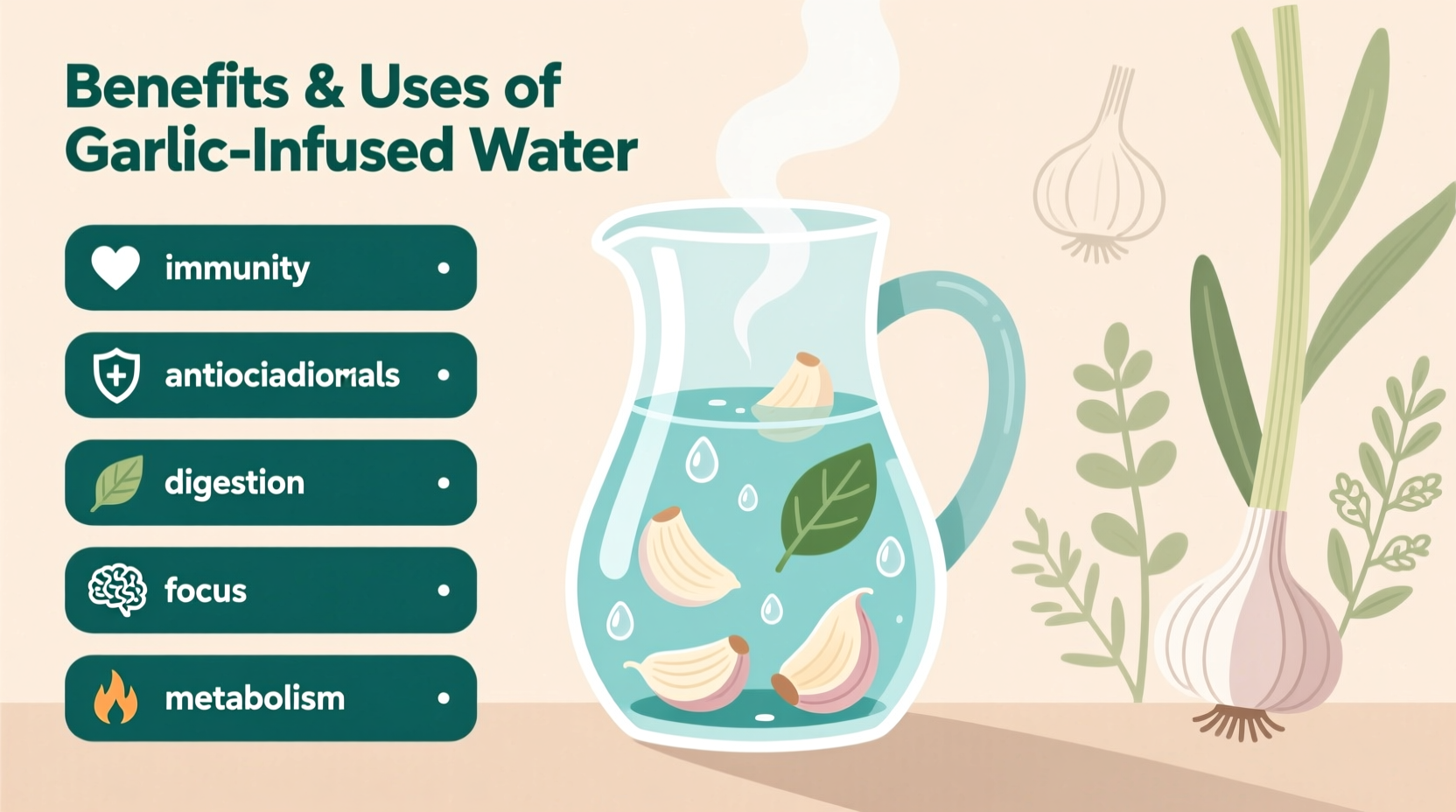
Garlic-infused water is a liquid created by steeping fresh garlic cloves in water, typically at room temperature or with mild heat, allowing soluble compounds—including allicin precursors, sulfur-containing molecules, and volatile oils—to diffuse into the liquid. It differs from garlic oil infusions, which extract fat-soluble components, and from garlic tea, which often involves boiling and longer extraction times. The resulting infusion retains water-soluble phytochemicals and provides a light garlic essence suitable for both internal consumption and culinary applications.
The practice has roots in folk medicine traditions across Mediterranean, Asian, and Eastern European cultures, where garlic tonics were historically used to support immunity and vitality. Today, it aligns with contemporary interest in functional foods—ingredients that contribute to well-being while enhancing flavor. As a low-calorie, non-alcoholic infusion, it fits seamlessly into clean-eating regimens, plant-based diets, and holistic lifestyle practices.
Key Characteristics
| Characteristic | Description |
|---|---|
| Flavor Profile | Mildly savory, slightly sweet, with a soft alliaceous (garlic-like) note; lacks the sharp bite of raw garlic. |
| Aroma | Clean, faintly garlicky, more floral than sulfurous when prepared correctly. |
| Color & Clarity | Clear to pale yellow; may develop slight cloudiness if fermented or over-steeped. |
| Heat Level | Non-pungent; does not produce burning sensation on tongue or throat. |
| Culinary Function | Flavor enhancer, aromatic base, functional beverage component. |
| Shelf Life | Refrigerated: 3–5 days; frozen: up to 3 months; pasteurized versions last longer but lose enzymatic activity. |
| pH Range | Approximately 5.5–6.5, depending on garlic variety and steeping duration. |
Practical Usage in Cooking and Wellness
In home cooking, garlic-infused water serves as a stealth flavor builder. Because it lacks the oil content of traditional garlic extracts, it integrates smoothly into aqueous systems such as soups, sauces, brines, and poaching liquids. A tablespoon added to a simmering vegetable broth enhances depth without clouding the liquid or leaving particulate residue. When used in place of plain water in doughs—such as flatbreads or steamed buns—it imparts a whisper of umami that elevates texture and aroma.
Professional chefs employ garlic-infused water in refined applications:
- Clarified consommés: Where clarity and subtlety are paramount, the infusion adds complexity without visual disruption.
- Modernist plating: Used in spritz bottles for aromatic misting over finished dishes.
- Pickling solutions: Enhances fermentation profiles in quick-pickled vegetables like radishes or cucumbers.
- Vegetable cooking water: Boiling potatoes, carrots, or greens in garlic-infused water seasons them from within.
For wellness-focused users, consuming garlic-infused water as a morning tonic—sometimes with lemon juice or honey—is believed to stimulate circulation and support immune function. Though clinical evidence remains limited, observational studies suggest that regular intake of garlic-derived compounds correlates with modest reductions in blood pressure and LDL cholesterol.
TIP: To maximize bioactive compound release, lightly crush garlic cloves before steeping. Avoid boiling, as high heat degrades allicin-forming enzymes. A cold infusion of 4–6 hours at room temperature or overnight in the refrigerator yields optimal balance between safety and potency.
Step-by-Step Guide: Making Garlic-Infused Water at Home
- Peel 2–3 medium garlic cloves per cup of water.
- Clean thoroughly under running water to remove soil residues.
- Crush gently with the side of a knife to rupture cell walls.
- Place in a glass jar and cover with filtered or spring water.
- Cover loosely (to allow gas exchange) and let sit at room temperature for 4–6 hours, or refrigerate for 8–12 hours.
- Strain through a fine-mesh sieve or coffee filter.
- Store in a sealed container in the refrigerator and use within five days.
This method preserves alliinase activity—the enzyme responsible for converting alliin into allicin upon tissue damage—while minimizing microbial risk associated with prolonged ambient storage.
Variants & Types
While basic garlic-infused water uses only garlic and water, several variations adapt the infusion for specific purposes:
- Fermented Garlic Water: Created by extending steep time to 3–5 days at room temperature, encouraging lactic acid bacteria growth. Develops tangy notes and probiotic qualities; commonly used in gut-health regimens.
- Herb-Enhanced Infusion: Combines garlic with parsley, thyme, or cilantro for layered aromatics. Ideal for detox-style tonics or aromatic broths.
- Lemon-Garlic Hydrosol: Includes citrus zest or juice, increasing acidity and vitamin C content. Often consumed as a morning elixir.
- Cooked Garlic Broth: Simmered gently for 20–30 minutes; stronger in flavor and safer for immunocompromised individuals due to partial pathogen reduction.
- Distilled Garlic Water: Produced via steam distillation in industrial settings; captures volatile essences without solids. Used in natural flavorings and cosmetics.
Each variant alters the chemical profile and intended use. Fermented versions offer microbiome benefits but require careful handling. Cooked infusions sacrifice some enzymatic activity for enhanced shelf stability and deeper flavor.
Comparison with Similar Ingredients
Garlic-infused water is often confused with other garlic preparations. Understanding distinctions ensures proper application in both kitchen and wellness contexts.
| Ingredient | Differences from Garlic-Infused Water | Best Use Case |
|---|---|---|
| Garlic Oil | Extracts fat-soluble compounds (e.g., diallyl sulfides); higher risk of botulism if improperly stored; insoluble in water-based dishes. | Sautéing, drizzling, marinades requiring oil base. |
| Minced Raw Garlic | Highly pungent due to immediate allicin release; causes digestive irritation in sensitive individuals. | Dishes needing bold garlic punch: stir-fries, salsas, roasted meats. |
| Garlic Powder | Dehydrated and concentrated; contains less allicin unless reactivated with moisture; shelf-stable but less nuanced. | Seasoning blends, rubs, long-cooked stews. |
| Black Garlic Brine | Byproduct of fermenting black garlic; sweet, molasses-like, acidic; rich in antioxidants but distinct flavor. | Glazes, cocktail mixers, gourmet dressings. |
| Commercial Garlic Extracts | Standardized for allicin yield; often alcohol-based; not interchangeable in recipes. | Dietary supplements, tinctures. |
Unlike these alternatives, garlic-infused water uniquely balances accessibility, safety, and versatility in aqueous environments.
Practical Tips & FAQs
Can garlic-infused water go bad?
Yes. At room temperature, bacterial growth—including potentially hazardous strains like Clostridium botulinum—can occur after 6–8 hours. Always refrigerate after initial steeping and discard after five days. Signs of spoilage include fizzing, sour odor, sliminess, or visible mold.
Is it safe to drink every day?
For most healthy adults, moderate daily consumption (up to 1 cup) is considered safe. However, excessive intake may cause heartburn, nausea, or interact with anticoagulant medications. Consult a healthcare provider if using therapeutically.
Does it retain the same health benefits as raw garlic?
Partially. Water-soluble compounds such as S-allyl cysteine are well-preserved, offering antioxidant and cardioprotective effects. However, oil-soluble allyl sulfides—which contribute significantly to garlic’s anticancer properties—are poorly extracted in water. For full-spectrum benefit, combine with dietary garlic sources.
How much garlic should I use per serving?
A general ratio is one peeled clove per 8 oz (240 ml) of water. Adjust based on garlic strength and personal tolerance. Younger, fresher cloves yield milder infusions.
Can I freeze garlic-infused water?
Yes. Pour into ice cube trays and freeze for later use in soups, sauces, or smoothies. Freezing halts microbial activity and preserves flavor for up to three months.
Why doesn’t my infusion smell strongly of garlic?
That’s normal. Much of garlic’s characteristic odor comes from volatile sulfur compounds released when cells are crushed and exposed to air. In water, these dissipate quickly or remain bound. The absence of strong smell does not indicate ineffectiveness.
Can I reuse the garlic cloves after infusion?
No. Once steeped, the cloves have lost much of their flavor and bioactive content. Additionally, they pose a contamination risk if left moist at room temperature. Discard after straining.
PRO TIP: Label your infusion with preparation date and garlic-to-water ratio. Consistency matters, especially when tracking wellness outcomes or replicating recipes.
“In our test kitchen, we’ve replaced distilled water with garlic-infused water in over 20% of our soup bases. The result? A cleaner label, richer mouthfeel, and consistent customer feedback about ‘something comforting’ in the background.” — Chef Elena Ruiz, Culinary Director, Terra Verde Restaurant Group
Summary & Key Takeaways
Garlic-infused water is a multifaceted ingredient that merges culinary finesse with functional nutrition. It offers a gentler alternative to raw garlic, making it ideal for sensitive palates and refined dishes. Its ability to subtly enhance flavor without dominating makes it valuable in both everyday cooking and professional kitchens.
The key advantages include:
- Delivers mild garlic flavor and aroma to water-based dishes.
- Preserves water-soluble health-promoting compounds like S-allyl cysteine.
- Easy to prepare at home with minimal equipment.
- Supports clean-label cooking by reducing reliance on powders or artificial flavors.
- Versatile across food and beverage applications—from broths to wellness tonics.
However, it must be handled with care. Due to its low-acid, low-sugar nature, improper storage can lead to microbial proliferation. Always prioritize freshness, refrigeration, and short-term use unless preserved through cooking or freezing.
Whether used to deepen the soul of a winter broth or as part of a mindful wellness routine, garlic-infused water exemplifies how simplicity and intentionality can transform an ordinary ingredient into something extraordinary. By understanding its properties, limitations, and best practices, cooks and health enthusiasts alike can harness its quiet power with confidence.
Experiment with garlic-infused water in your next batch of rice, soup, or morning tonic. Note the difference in aroma, taste, and digestion compared to raw garlic. Small changes often yield the most revealing insights.