Types of Antique China Butter Dishes
Antique china butter dishes are more than just functional tableware—they are exquisite examples of historical craftsmanship, design evolution, and cultural expression. These delicate pieces were once essential in formal dining settings, preserving butter’s freshness while enhancing the elegance of the table. Today, collectors and enthusiasts value them for their artistry, rarity, and connection to past eras. Below is a detailed exploration of the most popular types of antique china butter dishes, each distinguished by design, function, and aesthetic appeal.
Butter Dishes with Covers
Fine china butter dishes with lids were designed to preserve butter by shielding it from air, light, and contaminants. Crafted from porcelain or bone china, these covered dishes often feature intricate hand-painted motifs, gilded edges, or embossed patterns that reflect the elegance of Victorian or Edwardian design.
Advantages
- Preserves butter freshness and prevents drying
- Protects against dust and odors
- Enhances formal table settings
- Often part of coordinated dinnerware sets
Considerations
- Lids can be fragile and prone to chipping
- May require careful storage to avoid damage
- Less common in modern reproductions
Best for: Formal dining, historical collections, and preserved heirloom sets
Butter Dishes without Covers
Uncovered butter dishes emphasize decorative beauty over preservation. These open bowls showcase elaborate patterns, vibrant glazes, and artistic detailing, making them centerpieces of the table. Popular in breakfast services and casual dining, they reflect a shift toward aesthetics and convenience.
Advantages
- Highly decorative and visually striking
- Easier access to butter during meals
- Often more affordable and widely available
- Ideal for short-term butter use
Considerations
- Butter exposed to air may dry out faster
- Not suitable for long-term storage
- Requires frequent replacement of butter
Best for: Breakfast tables, decorative displays, and vintage-themed gatherings
Celestial Butter Dishes
Inspired by the heavens, celestial butter dishes feature ethereal designs such as moons, stars, clouds, and constellations. Often rendered in deep cobalt blue, silver metallic accents, or subtle embossing, these dishes evoke a sense of romance and elegance. Common in Art Nouveau and early 20th-century porcelain, they were frequently part of elaborate tea or dessert services.
Advantages
- Unique and artistic design elements
- Complements formal and ceremonial table settings
- Highly collectible due to thematic rarity
- Often paired with matching butter spreaders
Considerations
- Can be difficult to find in good condition
- Higher value increases risk of damage or theft
- Limited production makes authentic pieces rare
Best for: Collectors, formal events, and themed vintage decor
Spotted Butter Dishes
Made from stoneware or glazed earthenware, spotted butter dishes are characterized by bold, polka-dot or speckled patterns. These designs were achieved through selective glazing techniques or by mixing pigments directly into the clay. The vibrant, contrasting colors—such as red on cream or black on white—give these dishes a playful, modern flair despite their antique origins.
Advantages
- Eye-catching and whimsical appearance
- Durable stoneware construction
- Adds visual interest to casual table settings
- Can modernize traditional interiors
Considerations
- May not suit formal or minimalist decor
- Patterns can show wear over time
- Less common in high-end antique markets
Best for: Rustic kitchens, farmhouse decor, and collectors of folk art
Animal-Themed Butter Dishes
These whimsical and symbolic dishes take the form of animals—real or mythical—such as elephants, rabbits, birds, or dragons. Some are sculptural, with the entire dish shaped like an animal, while others feature painted or embossed animal motifs. In various cultures, these designs represent traits like strength, fertility, or prosperity, making them meaningful beyond their utility.
Advantages
- Unique conversation pieces
- Rich in cultural and symbolic significance
- Appeals to animal lovers and niche collectors
- Can be used as decorative art beyond dining
Considerations
- Complex shapes may be harder to clean
- More prone to breakage due to protruding parts
- Can be expensive if from renowned manufacturers
Best for: Themed collections, gifts, and decorative display in living or dining rooms
| Type | Primary Material | Design Focus | Functionality | Collectibility |
|---|---|---|---|---|
| With Covers | Porcelain / Bone China | Elegance & Preservation | High (for freshness) | High (especially in sets) |
| Without Covers | Porcelain / Earthenware | Decorative Appeal | Medium (short-term use) | Moderate |
| Celestial | Porcelain (glazed) | Thematic & Artistic | Medium | Very High |
| Spotted | Stoneware / Earthenware | Pattern & Color | Medium | Moderate to High |
| Animal-Themed | Various (often hand-sculpted) | Sculptural & Symbolic | Low to Medium | Very High (depending on rarity) |
Collector's Tip: When identifying authentic antique butter dishes, look for manufacturer marks on the underside, consistent glaze quality, and signs of handcrafting. Pieces from renowned makers like Wedgwood, Royal Doulton, or Meissen often carry higher value and historical significance.
Designs of Antique China Butter Dishes
Antique china butter dishes are more than just functional kitchenware—they are exquisite examples of historical craftsmanship and aesthetic expression. Often crafted for affluent households, these pieces reflect the cultural tastes, artistic movements, and social status of their time. From hand-painted florals to elegant gilded rims, each design element tells a story of elegance and refinement. Collectors and enthusiasts value these dishes not only for their beauty but also for their historical significance and rarity.
Floral Patterns: Elegance Rooted in Nature
Floral motifs are the most prevalent and cherished design on antique china butter dishes, symbolizing grace, femininity, and the beauty of the natural world. These patterns were often meticulously hand-painted by skilled artisans or transferred using delicate printing techniques, making each piece unique.
Popular flowers include roses (symbolizing love and luxury), daisies (representing innocence and simplicity), and cherry blossoms (evoking Japanese influence and the fleeting nature of life). The arrangement varies widely—some dishes feature large, sweeping blooms that dominate the surface, while others display intricate, all-over miniature patterns in soft pastels or rich cobalt tones.
Floral designs evolved across eras: Victorian-era dishes favored lush, romantic bouquets; Art Nouveau pieces embraced flowing, organic lines; and mid-century kitsch styles introduced bold, whimsical interpretations. These variations make floral-patterned butter dishes highly collectible and excellent indicators of period style.
Geometric Designs: Modernity and Minimalism
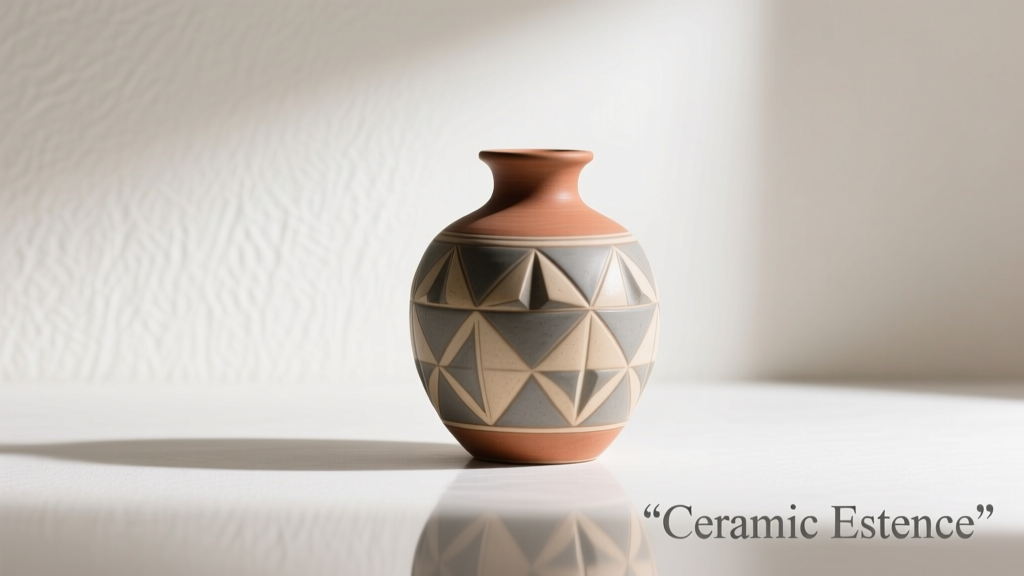
In contrast to the ornate floral styles, geometric designs reflect a shift toward modernity, precision, and streamlined aesthetics. These butter dishes emerged prominently in the early to mid-20th century, influenced by major design movements such as Art Deco and the Bauhaus school.
Characterized by clean lines, symmetrical shapes, and repetitive patterns like zigzags, chevrons, diamonds, and meanders, these dishes emphasize structure over naturalism. Color palettes are typically restrained—black, white, navy, and gray dominate, often accented with metallic trims for contrast.
Geometric china butter dishes were designed for functionality and visual harmony, appealing to those who favored modernist principles of "form follows function." Their sleek appearance makes them popular among collectors of 20th-century modernist ceramics and minimalist tableware.
Scenes or Vignettes: Storytelling on Porcelain
Among the rarest and most valuable antique butter dishes are those adorned with painted scenes or vignettes. These miniature artworks transform the dish into a narrative canvas, depicting everything from pastoral landscapes and historic architecture to scenes of daily life, mythology, or even royal portraits.
Often found on high-end porcelain from renowned manufacturers like Meissen, Wedgwood, or Limoges, these pieces required exceptional skill to produce. Each scene was hand-painted with fine brushes, sometimes under magnification, and fired multiple times to preserve color and detail.
Dishes with vignettes were typically commissioned by or reserved for elite households, serving as both functional objects and status symbols. Due to their fragility and artistic value, they are now highly sought after by museums and serious collectors. Their rarity and condition significantly impact market value.
Rim Patterns: The Finishing Touch of Luxury
The rim of an antique china butter dish often serves as a signature detail, elevating the piece with a touch of opulence and craftsmanship. Rim patterns are a hallmark of fine porcelain work, especially in 18th and 19th-century European and Asian ceramics.
Common decorative elements include gilded edges, platinum banding, engraved tendrils, scrollwork, beading, or repeating geometric borders. These accents not only frame the central design but also enhance the dish’s visual weight and perceived value.
Gilding, in particular, was a sign of luxury—real gold leaf was applied and fired at high temperatures for durability. Over time, gilded rims may show wear, which can affect collectibility unless the piece is exceptionally rare. Collectors often seek dishes where the rim design complements the central motif, creating a cohesive and balanced composition.
| Design Type | Era of Popularity | Key Characteristics | Collector Value |
|---|---|---|---|
| Floral Patterns | 18th–20th century | Hand-painted or printed flowers; romantic, naturalistic | High (especially hand-painted) |
| Geometric Designs | 1920s–1960s | Sleek lines, symmetry, Art Deco/Bauhaus influence | Moderate to High |
| Scenes or Vignettes | 18th–19th century | Narrative paintings, historical or pastoral themes | Very High (rare and fragile) |
| Rim Patterns | 1700s–1900s | Gilding, engraving, scrollwork, metallic accents | High (especially with intact gold) |
Important: When collecting or preserving antique china butter dishes, handle them with care to protect delicate paint, gilding, and structural integrity. Avoid harsh cleaners or dishwashers, which can damage surfaces. Store pieces in padded, climate-controlled environments to prevent chipping, fading, or moisture damage. Authenticity and provenance significantly affect value—consult experts or appraisers for rare or high-value items.
Factors to Consider When Buying Antique China Butter Dishes
Collecting antique china butter dishes is more than just an aesthetic pursuit—it’s an investment in history, craftsmanship, and fine artistry. Whether you're a seasoned collector or a newcomer to the world of vintage ceramics, understanding the key factors that influence value and authenticity is essential. Overlooking even subtle details can significantly impact both the price and desirability of a piece. Below is a comprehensive guide to help you make informed, confident purchases in the antique china market.
Condition
The condition of an antique butter dish is arguably the most critical factor in determining its value. Even minor flaws can drastically reduce worth, especially among serious collectors who prioritize preservation and originality.
- Chips, cracks, and hairline fractures: These are red flags. Even if professionally repaired, such damage diminishes value and may indicate structural instability.
- Visible repairs or overpainting: While some restoration is acceptable, excessive touch-ups often suggest poor original condition and can mislead buyers.
- Fading and pattern wear: Light fading may add to a piece’s charm, signaling age and use, but significant wear—especially on gilded edges or detailed motifs—can make a dish less desirable.
- Glaze integrity: Check for crazing (fine crackling in the glaze). Some crazing is normal with age, but deep or widespread cracking may indicate deterioration.
Expert tip: Use a magnifying glass and good lighting to inspect hard-to-see areas like rims, lids, and undercarriages. A pristine piece with no damage commands premium pricing.
Authenticity
Authenticity separates true antiques from reproductions or fakes. Knowing how to verify a piece’s origin is crucial in avoiding costly mistakes and ensuring long-term value.
- Manufacturer marks: Look for backstamps, signatures, or impressed hallmarks on the underside. Reputable makers like Royal Worcester, Meissen, Wedgwood, and Limoges often used distinctive marks that evolved over time.
- Research the mark: Use reference guides or online databases to date the mark and confirm it matches the era and style of the piece.
- Style consistency: Compare the design, color palette, and craftsmanship with known examples from the same manufacturer and period.
- Red flags: Be wary of pieces with no marks, inconsistent markings, or overly perfect detailing—common signs of modern reproductions.
Pro tip: Join collector forums or consult appraisers when in doubt. A genuine Meissen mark from the 18th century differs significantly from 20th-century versions.
Material Quality
The type of ceramic used directly affects a butter dish’s durability, appearance, and collectible value. Understanding the differences between materials helps assess both aesthetic and functional worth.
- Bone china: The most prized material—thin, translucent, and resonant when tapped. Contains bone ash, giving it strength and a warm white hue. Highly sought after in English and European antiques.
- Porcelain: Hard, non-porous, and glass-like. Often features vibrant hand-painted designs. High-quality porcelain from manufacturers like Meissen or Sèvres can rival or exceed bone china in value.
- Stoneware: Denser and more utilitarian, often used in earlier or rural pieces. Less translucent and generally lower in value unless artistically significant or historically rare.
- Translucency test: Hold the piece up to light—true bone china will glow softly through the walls, while stoneware remains opaque.
Key insight: Bone china’s delicacy makes it more prone to damage, so excellent condition is even more critical for high-value pieces.
Provenance
Provenance—the documented history of ownership—can elevate an antique butter dish from a beautiful object to a treasured artifact. A strong provenance adds depth, credibility, and often significant value.
- Historical connections: Pieces linked to royalty, famous families, or notable events (e.g., wedding gifts, diplomatic presents) are highly collectible.
- Collection history: Dishes from well-known collections or estate sales often come with documentation, increasing authenticity and appeal.
- Original packaging or receipts: Though rare, these items can provide irrefutable proof of origin and age.
- Geographic origin: Butter dishes from specific regions—like Limoges in France or Dresden in Germany—are often more desirable due to their artistic reputation.
Collector’s note: A documented lineage can double or triple a piece’s value, especially in auction settings.
Professional Recommendation: When beginning your collection, focus on pieces with clear manufacturer marks, excellent condition, and documented materials. Prioritize authenticity over rarity—many rare items turn out to be reproductions. For investment-grade collecting, consult a certified appraiser and consider insuring valuable pieces. Remember, the most valuable butter dishes aren’t just old—they tell a story of craftsmanship, heritage, and care.
| Material Type | Typical Value Range | Key Identifying Features | Common Manufacturers |
|---|---|---|---|
| Bone China | $200–$2,000+ | Translucent, lightweight, warm white tone | Royal Worcester, Spode, Minton |
| Porcelain | $150–$1,500 | Glassy surface, vibrant hand-painted designs | Meissen, Sèvres, Limoges |
| Stoneware | $50–$400 | Opaque, heavy, often rustic glaze | Wedgwood (early pieces), Royal Doulton |
| Art Pottery (Decorative) | $300–$3,000+ | Unique glazes, artistic forms, limited production | Rookwood, Grueby, Van Briggle |
Additional Considerations
- Rarity and Design: Limited edition patterns, unusual shapes, or themed motifs (e.g., floral, pastoral, or heraldic) increase desirability.
- Completeness: Butter dishes often come with lids and inner liners. Missing components can reduce value by 30–50%.
- Market Trends: Victorian and Edwardian-era pieces remain popular, but Art Nouveau and Art Deco styles are gaining interest.
- Display vs. Use: While some collectors use antique dishes, most preserve them for display to maintain condition.
- Authentication Services: Consider third-party verification for high-value purchases through organizations like the Antique Collectors’ Club or certified auction houses.
Maintenance of Antique China Butter Dishes: A Complete Preservation Guide
Antique china butter dishes are not only functional heirlooms but also exquisite examples of historical craftsmanship, often adorned with delicate hand-painted designs and gilded accents. Proper care ensures these treasures retain their beauty, value, and structural integrity for generations. This comprehensive guide provides expert-backed methods for cleaning, storing, handling, and displaying your antique china butter dishes to prevent damage and preserve their original elegance.
Important Note: Antique china is fragile and irreplaceable. Even minor mishandling can lead to irreversible damage such as cracks, chips, or fading. Always treat these items with the utmost care, and consider professional conservation for pieces of significant historical or monetary value.
Essential Care Guidelines for Antique China Butter Dishes
- Avoid Modern Appliances at All Costs
- Never place antique china butter dishes in the microwave, dishwasher, or oven. Sudden temperature changes and high heat can cause thermal shock, leading to cracking or crazing (fine surface cracks).
- Dishwashers expose delicate china to harsh detergents, high-pressure water jets, and prolonged moisture, which can erode glaze and weaken the porcelain over time.
- Instead, hand wash gently using lukewarm water and a mild, phosphate-free dish soap. Use a soft sponge or cloth to avoid scratching.
- After washing, dry immediately with a lint-free towel and allow to air-dry completely before storage to prevent moisture buildup.
- Safe and Protective Storage Solutions
- Store china butter dishes in a padded cabinet or enclosed display case to protect against accidental bumps, dust, and environmental fluctuations.
- Use acid-free tissue paper or soft cotton cloths between stacked pieces to prevent scratching and absorb moisture.
- Avoid overcrowding shelves—allow space around each dish to minimize contact and reduce the risk of chipping.
- Store in a climate-controlled area away from humidity, temperature swings, and direct heat sources like radiators or fireplaces.
- If not on display, cover dishes with breathable fabric (like muslin) to prevent dust accumulation without trapping moisture.
- Gentle Handling and Utensil Use
- Always handle antique china with clean, dry hands to avoid transferring oils or moisture that could degrade finishes over time.
- Never use metal knives, spoons, or spreaders directly on the surface, especially on gilded or decorated rims. Metal can scratch or abrade delicate glaze and gold leaf.
- Use wooden, plastic, or silicone butter knives to serve from the dish and prevent surface damage.
- After each use, clean the dish promptly to prevent butter residue from hardening or staining porous areas, particularly in crazed or older glazes.
- Light and Display Precautions
- Protect your antique butter dish from prolonged exposure to direct sunlight. UV rays can cause fading of hand-painted motifs, floral patterns, and colored glazes.
- Display in areas with indirect or artificial lighting, such as interior shelves or cabinets away from windows.
- If used for decorative purposes, rotate displayed pieces periodically to ensure even light exposure and prevent localized fading.
- Consider UV-protective glass for display cabinets to further shield against light damage.
- Regular Inspection and Long-Term Maintenance
- Inspect your butter dish regularly for signs of deterioration, including hairline cracks, flaking glaze, discoloration, or loose lids.
- Note any changes in appearance or structural integrity—early detection allows for timely conservation.
- For minor surface grime, use a soft brush or cotton swab dampened with distilled water. Avoid commercial cleaners unless recommended by a conservator.
- Consult a professional antique restorer for repairs. DIY fixes with adhesives or paints can devalue the piece and cause further damage.
| Care Category | Recommended Practice | Risks of Improper Handling | Tools & Materials |
|---|---|---|---|
| Cleaning | Hand wash with mild soap and soft cloth | Cracking, glaze erosion, staining | Soft sponge, pH-neutral soap, lint-free towel |
| Storage | Stack with padding in a closed cabinet | Chips, scratches, dust accumulation | Acid-free tissue, felt liners, display case |
| Handling | Use non-metal utensils; clean hands only | Scratches, gold leaf removal, fingerprints | Wooden butter knife, cotton gloves (optional) |
| Display | Indirect light, UV-protected area | Fading of paint, discoloration | Interior shelves, UV-filtering glass |
| Inspection | Monthly visual check for damage | Undetected cracks, structural failure | Magnifying glass, inspection log |
Expert Tip: Keep a detailed record of your antique china butter dish, including its origin, maker’s mark, date of acquisition, and any restoration work. This documentation enhances provenance and can significantly increase its value for collectors or future generations.
Additional Preservation Recommendations
- Limit functional use—consider using reproductions for serving butter while reserving the antique piece for display.
- Never soak antique china for extended periods, as water can seep into micro-cracks and weaken the structure.
- Avoid stacking heavy items on top of stored china dishes to prevent stress fractures.
- Be cautious with perfumed soaps or essential oils near the dish—chemical vapors may affect finishes over time.
- Join collector societies or consult museum resources for care standards specific to your china’s era or manufacturer (e.g., Wedgwood, Limoges).
Preserving an antique china butter dish is an act of honoring history and artistry. With mindful handling, proper storage, and regular attention, your heirloom can continue to grace your home with timeless elegance. Remember, when in doubt, seek advice from a professional conservator—your care today ensures this delicate treasure survives for centuries to come.
Frequently Asked Questions About Antique China Butter Dishes
Q1: Is it safe to use antique china butter dishes for serving butter daily?Yes, antique china butter dishes can be used daily, but with important precautions to preserve their condition and value. These delicate pieces were often crafted for both function and beauty, so mindful usage is key to longevity.
- Avoid Thermal Shock: Never expose antique china to sudden temperature changes—do not place a cold dish directly into a hot oven or microwave, as this can cause cracking or crazing.
- Use Gentle Utensils: Opt for wooden or plastic butter knives to prevent scratching the glaze or surface. Metal spreaders can leave marks or gouges, especially on older, more fragile pieces.
- Hand Wash Only: Always clean by hand with mild soap and lukewarm water. Dishwashers expose china to high heat, harsh detergents, and mechanical agitation that can degrade both the body and decorative elements over time.
- Reserve for Special Use: For extremely rare or valuable pieces, consider using replicas for daily service and keeping the originals for display or special occasions to minimize wear and risk.
With proper care, antique butter dishes can remain functional heirlooms for generations, blending tradition with everyday elegance.
Q2: How does one differentiate between porcelain and bone china?Telling porcelain apart from bone china involves examining color, translucency, weight, and craftsmanship—key factors that reflect their composition and quality.
| Feature | Porcelain | Bone China |
|---|---|---|
| Color | Bright, pure white with a slightly cool or bluish undertone. | Creamy, warm white due to the inclusion of bone ash (typically 30–50% from animal bones). |
| Translucency | Opaque or semi-translucent; does not allow much light through. | Highly translucent—hold it to the light, and you’ll see a soft glow through the rim. |
| Weight & Feel | Heavier and denser with a solid, substantial feel. | Lighter and thinner, often described as delicate yet strong. |
| Durability | Hard and resistant to scratching but more prone to chipping. | Surprisingly durable due to bone ash, which increases elasticity and resistance to breakage. |
| Appearance | Classic, elegant—often used in traditional and decorative tableware. | Regal and refined; associated with luxury and fine dining. |
When shopping for antique china, understanding these differences helps ensure you're selecting the right type for your needs—whether for display, collection, or occasional use.
Q3: Can antique china butter dishes be repaired if broken?Yes, broken antique china butter dishes can be repaired, but the method and outcome significantly affect both appearance and value.
- Professional Restoration: Skilled conservators use reversible adhesives and precise techniques to reassemble pieces. In some cases, missing fragments are recreated using color-matched porcelain fillers.
- Impact on Value: Even expert repairs reduce the item’s market value, especially among collectors. A fully intact, original piece is always worth more than a restored one.
- Visible Repairs: Glue lines or mismatched patches are often detectable under close inspection and may detract from aesthetic appeal.
- When to Repair: Restoration is best reserved for sentimental pieces or items not intended for resale. If the dish holds emotional significance, repair can preserve its legacy.
- When to Avoid Repair: For valuable collectibles, it’s often better to leave damage unaltered, as originality is highly prized in the antique market.
If you choose to proceed, always consult a professional conservator experienced in ceramic and porcelain restoration to ensure the best possible result.
Q4: What kind of marks are there on china made by famous manufacturers?Authentic antique china is typically marked on the underside with a manufacturer’s hallmark—these marks are essential for identification, dating, and verifying authenticity.
- Common Mark Types: Look for backstamps that include a logo, symbol, crown, initials, or full company name. These may be printed, painted, or incised into the glaze.
- Meissen: One of the oldest European porcelain makers, identifiable by its iconic crossed blue swords mark, sometimes accompanied by dots or letters indicating the year of production.
- Royal Worcester: Features a distinctive “Royal” crown above a red circular mark resembling a baseball, often with “Worcester” and pattern numbers inside.
- Limoges (France): Many factories in Limoges used variations of “Limoges France” with artist signatures or factory codes. Hand-painted pieces often have unique artist marks.
- Wedgwood: Known for its impressed or printed marks, including the name “Wedgwood,” sometimes with a three-letter date code or factory location.
- Imperial Porcelain (Russia): Features elaborate Cyrillic inscriptions and double-headed eagles for imperial pieces.
These marks serve as historical fingerprints—consulting collector guides or online databases can help pinpoint the origin, age, and rarity of your piece, enhancing both appreciation and value.
Q5: How does one care for china that has gold accents?Gold-trimmed antique china requires special care to preserve its luster and prevent damage to the delicate metallic detailing, which can tarnish or flake over time.
- Hand Washing Only: Never place gold-rimmed china in the dishwasher. The high heat, strong detergents, and water pressure can erode the gold leaf or foil, causing it to fade or peel.
- Use Soft Tools: Clean with a soft sponge, microfiber cloth, or your hands. Avoid abrasive scrubbers, steel wool, or stiff brushes that can scratch the surface.
- Mild Cleansers: Use a gentle dish soap and lukewarm water. Avoid bleach, citrus-based cleaners, or anything acidic, as these can corrode the metal.
- Drying: Dry immediately with a soft, lint-free cloth to prevent water spots and mineral buildup on the gold edges.
- Storage: Store pieces with care—place felt pads or soft cloth between stacked items to prevent scratching. Avoid overcrowding in cabinets.
- Display Tips: Keep gold-accented china out of direct sunlight, which can accelerate fading and deterioration of the decorative elements.
With proper maintenance, the gold detailing on your antique butter dish can retain its brilliance and elegance for decades, maintaining both its beauty and collectible appeal.