An itchy scalp after hair coloring is a common but uncomfortable experience. Whether you’ve recently dyed your hair at home or visited a salon, the sudden onset of itching, redness, or even flaking can be alarming. While temporary discomfort might seem normal, persistent or severe reactions could signal underlying issues such as chemical sensitivity, allergic response, or damage to the scalp barrier. Understanding the root causes and knowing how to respond quickly can prevent further irritation and support long-term scalp health.
What Causes Scalp Itching After Hair Coloring?
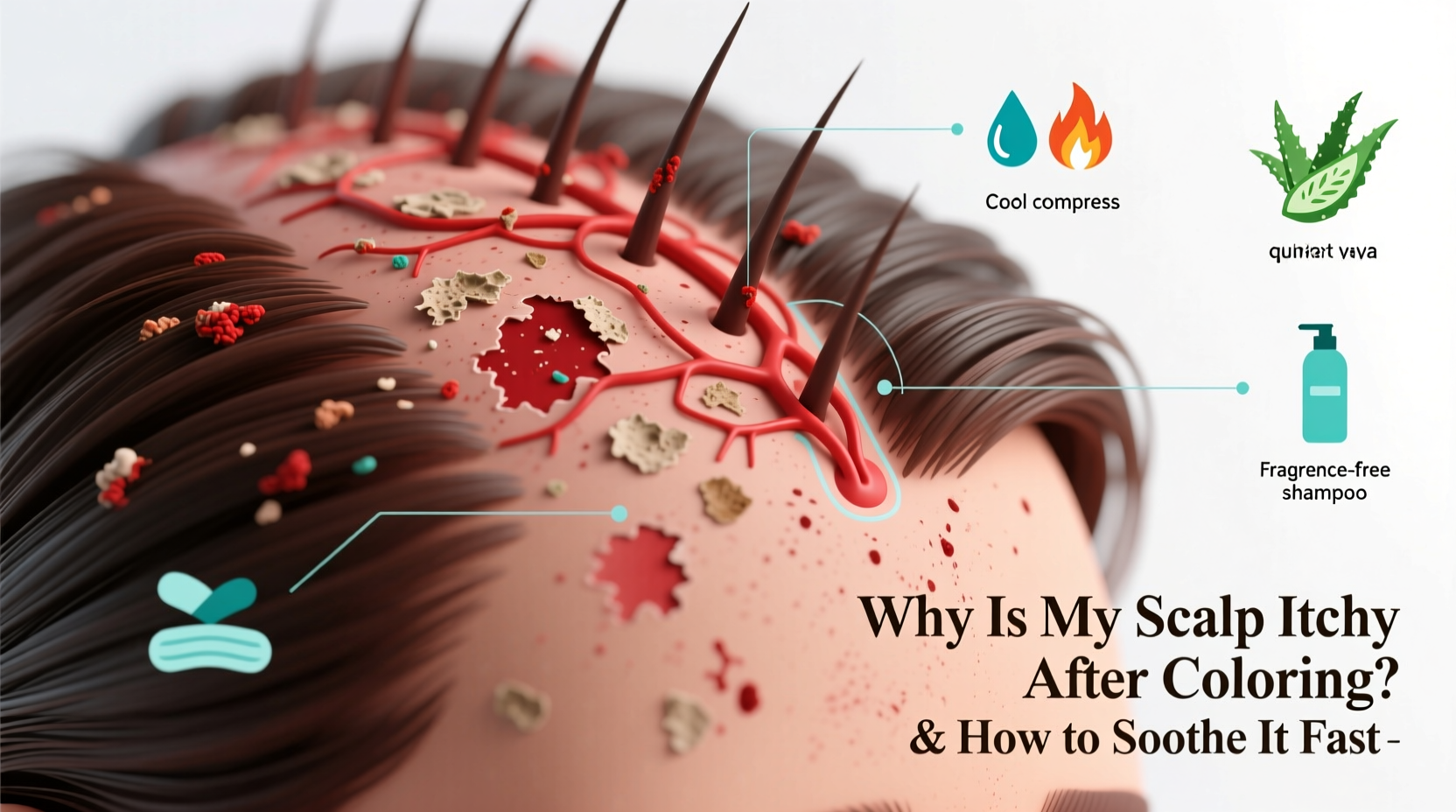
Hair dyes contain a mix of chemicals designed to alter pigment, but these same ingredients can disrupt the delicate balance of your scalp. The most frequent culprits behind post-coloring itchiness include:
- Ammonia – Used to open the hair cuticle for dye penetration, ammonia can dry out the scalp and trigger inflammation.
- Paraphenylenediamine (PPD) – A common ingredient in permanent dyes, PPD is a known allergen. Even small amounts can cause contact dermatitis in sensitive individuals.
- Peroxide – Often used as a developer, hydrogen peroxide strips natural oils from the scalp, leading to dryness and irritation.
- pH Imbalance – Dyes often have a high pH level, which can temporarily compromise the scalp’s protective acid mantle.
- Application Errors – Leaving dye on too long, applying it directly to irritated skin, or overlapping color on previously treated areas increases exposure and risk.
In some cases, the reaction isn’t immediate. Delayed hypersensitivity to PPD may appear 24–72 hours after application, making it harder to connect symptoms with the coloring process.
Tip: Always perform a patch test 48 hours before coloring, especially if you’ve had reactions in the past. Apply a small amount of dye behind your ear or on your inner forearm and monitor for redness, swelling, or itching.How to Soothe an Itchy Scalp Fast: Immediate Relief Strategies
If your scalp is already reacting, quick action can reduce discomfort and prevent worsening inflammation. Here are science-backed methods to calm irritation within hours:
- Rinse Thoroughly – Residual dye left on the scalp prolongs exposure. Use lukewarm water and a gentle shampoo to remove all traces. Avoid scrubbing—use fingertips, not nails.
- Apply a Cold Compress – Wrap ice in a clean cloth and hold it against itchy areas for 5–10 minutes. This reduces blood flow to inflamed zones and numbs the sensation.
- Use a Soothing Rinse – Dilute one tablespoon of apple cider vinegar in a cup of cool water. Pour over the scalp and leave for 3–5 minutes before rinsing. Its mild acidity helps restore pH balance.
- Moisturize with Aloe Vera – Pure aloe vera gel has anti-inflammatory and healing properties. Apply a thin layer directly to irritated spots to cool and hydrate.
- Take an Antihistamine – Over-the-counter options like cetirizine (Zyrtec) or loratadine (Claritin) can reduce allergic responses and curb itching, especially at night.
Avoid scratching, even if the urge is strong. Breaking the skin can lead to infection and scarring. Instead, gently tap or press the area to interrupt the itch signal.
Dermatologist-Approved Ingredients That Help
Not all products are suitable for a compromised scalp. When choosing treatments, look for formulations containing these proven soothing agents:
| Ingredient | Benefits | Product Examples |
|---|---|---|
| Colloidal Oatmeal | Reduces inflammation and forms a protective film over irritated skin | Aveeno Calm + Restore Shampoo, Eucerin Soothing Wash |
| Panthenol (Provitamin B5) | Hydrates, strengthens skin barrier, and accelerates healing | Bepanthen Cream, Ducray Keracnyl Gel |
| Allantoin | Calms itching and promotes cell regeneration | CeraVe Healing Ointment, La Roche-Posay Cicaplast Baume |
| Niacinamide | Reduces redness and improves moisture retention | The Ordinary Niacinamide Serum, Paula’s Choice 10% Booster |
Products labeled “fragrance-free,” “hypoallergenic,” and “for sensitive skin” are safer choices during recovery. Steer clear of sulfates, alcohol, and essential oils, which may worsen irritation.
“After a coloring incident, the scalp needs repair, not more stripping. Opt for minimalist routines with barrier-supporting ingredients.” — Dr. Lena Torres, Board-Certified Dermatologist
Step-by-Step Recovery Plan (24–72 Hours)
Follow this timeline to accelerate healing and restore comfort:
- Hour 0–6: Stop Exposure & Cleanse
Immediately wash hair with a gentle, sulfate-free shampoo. Do not reapply conditioner to the scalp—focus only on mid-lengths to ends. Pat dry with a soft towel. - Hour 6–12: Soothe & Cool
Apply a cold compress twice daily. Use pure aloe vera or a colloidal oatmeal mist between washes. If itching persists, take an oral antihistamine. - Day 2: Assess & Hydrate
Check for improvement. If redness or bumps remain, apply a thin layer of fragrance-free healing balm (e.g., CeraVe Healing Ointment) to affected areas. Avoid heavy oils that clog follicles. - Day 3: Re-evaluate
If symptoms persist beyond 72 hours, consult a dermatologist. You may need a prescription corticosteroid lotion or allergy testing.
This structured approach prevents over-treatment while supporting natural recovery.
When to See a Doctor
Mild itching usually resolves within a few days. However, certain signs indicate a more serious condition requiring medical attention:
- Intense burning or stinging pain
- Swelling of the scalp, face, or neck
- Blisters, oozing sores, or crusting
- Spreading rash beyond the scalp
- Symptoms worsening after 3 days
These could point to allergic contact dermatitis, secondary infection, or even angioedema—a rare but dangerous reaction. In such cases, a doctor may prescribe topical steroids, antibiotics, or oral corticosteroids.
Tip: Keep a photo diary of your scalp’s condition. This helps track progress and provides useful evidence if you consult a professional.Mini Case Study: Recovering From a Severe Reaction
Sarah, a 34-year-old teacher, colored her hair at home using a box dye she’d used safely two years prior. Within 24 hours, her scalp became intensely itchy and developed red, raised patches near her hairline. She initially tried scratching and applying coconut oil, which worsened the irritation.
On day two, she stopped all products, washed with a hypoallergenic baby shampoo, and applied cooled aloe vera gel. She took an antihistamine at night to prevent sleep disruption. By day four, redness had faded significantly. Sarah later consulted a dermatologist, who confirmed a delayed PPD allergy through patch testing. She now opts for PPD-free dyes and always performs patch tests—even with brands she’s used before.
Her experience underscores that sensitivities can develop unexpectedly, even with familiar products.
Prevention Checklist for Future Coloring
To avoid repeat episodes, follow this actionable checklist before your next color session:
- ✅ Perform a patch test 48 hours in advance
- ✅ Choose ammonia-free or PPD-free formulas (e.g., Naturtint, Herbatint)
- ✅ Apply a thin layer of petroleum jelly along the hairline to create a protective barrier
- ✅ Wear gloves to prevent hand absorption
- ✅ Follow processing time exactly—do not exceed recommended duration
- ✅ Rinse thoroughly until water runs clear
- ✅ Use a post-color calming mask or serum (look for bisabolol or centella asiatica)
- ✅ Wait at least 6 weeks between full applications if your scalp is sensitive
Consider semi-permanent or demi-permanent dyes, which contain fewer harsh chemicals and gradually fade without damaging the scalp.
Frequently Asked Questions
Can I use coconut oil on an itchy scalp after coloring?
Not immediately. While coconut oil is moisturizing, it can trap irritants and block pores if applied to an inflamed scalp. Wait until symptoms subside before introducing oils. For acute relief, stick to non-comedogenic options like aloe or panthenol-based gels.
Is it normal for my scalp to itch a week after coloring?
No. Itching beyond 72 hours suggests ongoing irritation or allergy. Persistent symptoms may require medical evaluation. Delayed reactions to PPD can peak around day 5–7, so don’t ignore late-onset discomfort.
Are natural dyes like henna completely safe?
Not always. Pure henna is generally safe, but many commercial “henna” blends contain added PPD or metallic salts. Black henna, in particular, carries a high risk of allergic reactions. Always verify ingredients and test first.
Conclusion: Protect Your Scalp, Preserve Your Color
An itchy scalp after coloring doesn’t have to be inevitable. By understanding the chemistry behind hair dyes and responding promptly to irritation, you can minimize discomfort and protect your scalp’s long-term health. Fast relief comes from gentle cleansing, targeted soothing ingredients, and avoiding further aggravation. More importantly, prevention through patch testing and smarter product choices ensures you can enjoy vibrant color without paying the price in irritation.
💬 Have you experienced scalp reactions after coloring? Share your story or tips in the comments—your insight could help others avoid the same discomfort.