
In an era where streaming platforms release entire seasons at once and Wi-Fi is as essential as electricity, binge watching has evolved from a rare indulgence into a cultural norm. Millions of viewers routinely spend hours glued to their screens, racing through episodes of dramas, comedies, and reality series in a single sitting. But what drives this behavior? It’s not just about having free time or access to technology—there are deeper psychological, social, and technological forces at play that make binge watching not only possible but deeply compelling.
The Psychology of Narrative Immersion
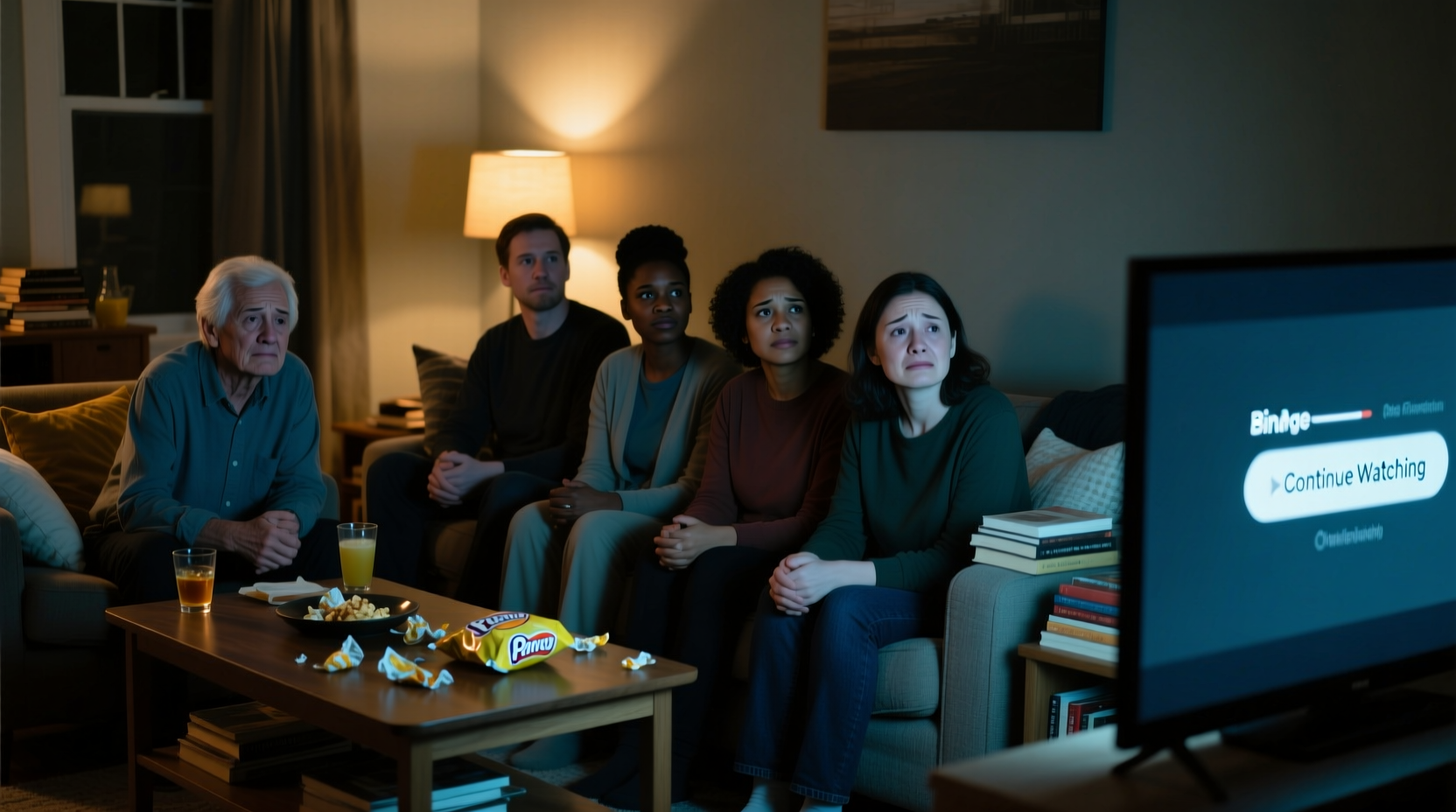
At its core, binge watching is rooted in how the human brain responds to storytelling. When we engage with a well-crafted narrative, our brains release dopamine—a neurotransmitter associated with pleasure, motivation, and reward. Each episode often ends on a cliffhanger or emotional high point, triggering what psychologists call the “Zeigarnik effect”: the tendency to remember unfinished tasks more vividly than completed ones. This creates a mental itch—an urge to keep watching until the tension resolves.
Television writers have mastered this technique. Series like *Stranger Things*, *Squid Game*, or *The Crown* are designed with serialized storytelling that builds momentum across episodes. Unlike older TV formats with self-contained plots, today’s shows rely on long arcs, complex character development, and layered mysteries that reward sustained attention. The longer you watch, the more invested you become.
“Bingeing isn’t just about convenience—it’s about emotional continuity. Once you’re immersed in a story world, stopping feels like leaving a conversation mid-sentence.” — Dr. Lena Patel, Cognitive Psychologist specializing in media consumption
This immersion fosters a sense of escapism. For many, especially during periods of stress or isolation, diving into another world offers relief from real-life pressures. The show becomes a companion, a temporary refuge where problems are contained within plotlines rather than personal responsibilities.
Technological Enablers: How Platforms Encourage Bingeing
If psychology provides the desire, technology delivers the means. Streaming services like Netflix, Hulu, Amazon Prime, and Disney+ have redefined how content is released and consumed. Instead of waiting a week between episodes, viewers now have instant access to full seasons. Auto-play features—where the next episode begins automatically after 10 seconds—remove friction and decision fatigue, making it easier to continue watching than to stop.
Algorithms also play a critical role. Platforms analyze viewing habits to recommend shows that align with individual preferences, increasing engagement. Once you finish one series, the system suggests another with similar themes, tone, or cast members, creating a seamless viewing pipeline. These recommendations aren’t random—they’re engineered to keep users on the platform as long as possible.
Tip: Disable auto-play in your streaming account settings if you want more control over your viewing habits.A Comparison of Viewing Models Over Time
| Era | Distribution Model | Viewer Control | Binge Potential |
|---|---|---|---|
| 1950s–1980s | Broadcast TV (weekly episodes) | Low – fixed schedules | Negligible |
| 1990s–2000s | Cable TV + DVD box sets | Moderate – time-shifted viewing | Emerging (with DVDs) |
| 2010s–Present | Streaming (full-season drops) | High – on-demand access | Widespread and normalized |
The shift from scheduled broadcasting to on-demand streaming has fundamentally altered audience expectations. Viewers no longer accept delays. They want answers now—not next Thursday. This demand for immediacy fuels binge behavior, turning patience into frustration when stories are withheld.
Social and Cultural Shifts
Binge watching is also a product of changing lifestyles and social dynamics. In many urban environments, leisure time is fragmented. People work long hours, commute extensively, and juggle multiple responsibilities. As a result, uninterrupted downtime becomes precious. A weekend marathon of a new series isn’t laziness—it’s a way to reclaim personal space and enjoy extended relaxation without guilt.
Moreover, shared viewing experiences have moved online. Rather than gathering around a TV at a set time, fans now consume content independently and discuss it afterward on social media, Reddit threads, or group chats. This asynchronous participation still fosters community—but on individual terms. Finishing a show quickly allows viewers to join conversations before spoilers flood their feeds.
There’s also a performative aspect. Saying “I watched the whole season in one night” carries social weight—it signals dedication, enthusiasm, and even cultural literacy. In some circles, being up-to-date on trending series functions like knowing the latest music or fashion. Bingeing becomes both a personal escape and a social currency.
Mini Case Study: The Rise of \"Bridgerton\" Fever
When *Bridgerton* premiered on Netflix in December 2020, it became a global phenomenon almost overnight. Within four weeks, it was viewed by over 82 million households—the most-watched original series in the platform’s history at the time. What made it particularly binge-worthy?
The answer lies in its formula: lush visuals, scandalous romance, modern music over Regency-era settings, and episodic revelations that escalated with each chapter. Viewers reported staying up late, skipping meals, and rescheduling plans to finish the season. Social media buzz amplified the urgency; TikTok clips, memes, and fan theories spread rapidly, pressuring newcomers to catch up fast.
One viewer, Sarah M., a 34-year-old teacher from Portland, shared: “I started watching at 9 PM on a Friday. By 3 AM, I was halfway through. I couldn’t stop—I needed to know who Lady Whistledown was. My friends were already discussing it on Instagram, and I didn’t want to be left out.”
This case illustrates how content design, platform mechanics, and peer influence converge to create perfect conditions for binge consumption.
Health Implications and Behavioral Patterns
While binge watching can be enjoyable, prolonged sessions carry risks. Extended screen exposure contributes to eye strain, disrupted sleep cycles, and sedentary behavior. A study published in the *Journal of Clinical Sleep Medicine* found that pre-sleep TV viewing—especially of emotionally intense content—delays melatonin release, making it harder to fall asleep.
Additionally, emotional attachment to characters can lead to post-binge emptiness. After investing dozens of hours in a fictional world, finishing a series may trigger feelings of loss or depression—a phenomenon sometimes called “post-series sadness.” Some viewers report mood dips comparable to the end of a real relationship.
For others, bingeing edges into compulsive territory. When watching overrides responsibilities, relationships, or self-care, it may indicate problematic media use. Though not yet classified as a clinical disorder, excessive screen time is increasingly linked to anxiety, reduced productivity, and emotional dysregulation.
Checklist: Signs Your Binge Watching May Be Unhealthy
- You frequently skip meals or delay bathroom breaks to keep watching
- You’ve missed work deadlines or social commitments due to viewing
- You feel irritable or anxious when unable to watch
- You hide your viewing habits from others
- You continue watching despite physical discomfort (e.g., headaches, back pain)
- You’ve tried to cut back but can’t sustain limits
If three or more apply, consider reassessing your viewing patterns. Balance doesn’t mean giving up binge watching—it means practicing intentionality.
How to Binge Responsibly: A Step-by-Step Guide
Binge watching isn’t inherently harmful. With mindful habits, it can remain a rewarding form of entertainment. Follow these steps to maintain control:
- Set a viewing goal: Decide in advance how many episodes you’ll watch. Stick to it—even if the next one starts automatically.
- Schedule breaks: Use the bathroom, stretch, or walk around every 45–60 minutes. Set a phone reminder if needed.
- Hydrate and eat mindfully: Keep water nearby and avoid mindless snacking. Choose nutritious options over processed foods.
- Protect your sleep: Avoid watching within 90 minutes of bedtime. Enable blue light filters on devices after sunset.
- Engage socially: Watch with a friend or partner when possible. Shared viewing enhances enjoyment and reduces isolation.
- Reflect afterward: Ask yourself how you feel post-binge. Energized? Drained? Use insights to adjust future sessions.
Frequently Asked Questions
Is binge watching addictive?
While not officially recognized as an addiction, binge watching can exhibit addictive-like behaviors. The combination of dopamine release, narrative suspense, and easy access can lead to compulsive use. If watching interferes with daily functioning, it may require behavioral adjustment or professional support.
Why do I feel sad after finishing a show?
This feeling, often called “binge depression” or narrative grief, stems from emotional investment. You’ve spent hours with characters who felt real. Their departure can leave a void. To ease the transition, engage in a reflective activity—write a review, join a fan forum, or start a new creative project.
Can binge watching ever be good for you?
Yes—when done in moderation. Shared viewing strengthens bonds, storytelling enhances empathy, and escapism provides legitimate stress relief. The key is balance. Like any leisure activity, its value depends on context and frequency.
Conclusion: Embracing Awareness in the Age of Instant Access
Binge watching is more than a habit—it’s a reflection of how we relate to time, emotion, and technology in the 21st century. Enabled by innovation and driven by deep-seated psychological needs, it offers both joy and risk. Understanding why we binge empowers us to make conscious choices rather than defaulting to autopilot.
The goal isn’t to eliminate binge watching, but to reclaim agency over it. Whether you’re powering through a thriller at midnight or savoring a drama one episode a week, let your choices be intentional. Enjoy the story—but don’t lose sight of your own.
💬 What’s the last show you couldn’t stop watching? Share your experience and tips for managing screen time in the comments below.