Sterling silver remains one of the most cherished metals in fine and fashion jewelry for its luster, durability, and timeless appeal. However, with rising demand comes an influx of counterfeit or plated pieces masquerading as genuine 925 silver. While professional testing is always definitive, you don’t need a lab to make informed decisions. With the right knowledge and a few household tools, you can confidently assess whether your silver jewelry is authentic—right from your kitchen table.
Understanding What \"925 Sterling Silver\" Really Means
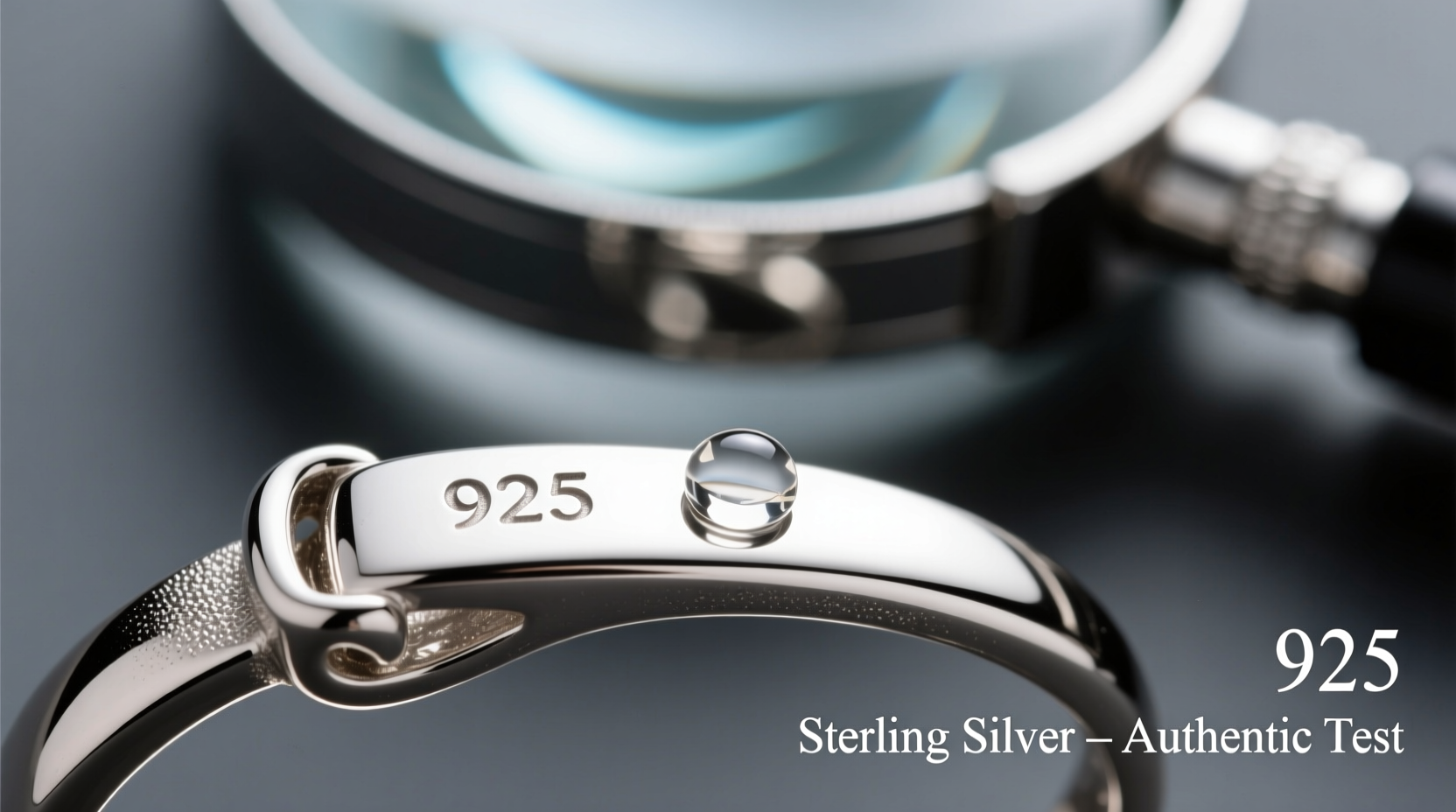
Sterling silver is not pure silver. Pure silver (99.9%) is too soft for daily wear jewelry. To enhance strength and durability, it’s alloyed with other metals—typically copper. The term “925” indicates that the piece contains 92.5% pure silver and 7.5% alloy, meeting international standards for sterling silver.
Genuine 925 silver is stamped or hallmarked on the item—usually on clasps, inner bands, or less visible areas. Common markings include “925,” “STER,” “STERLING,” or “.925.” However, the presence of a stamp alone isn’t foolproof. Counterfeiters often laser-etch fake stamps onto base metal items. That’s why physical and chemical tests are essential for confirmation.
Tip: Always inspect multiple areas of the jewelry—especially hidden spots—for stamps. A missing or inconsistent hallmark is a red flag.Step-by-Step Guide: How to Test 925 Silver at Home
Accurate identification requires a combination of visual inspection and practical tests. Follow this logical sequence to minimize risk and maximize accuracy.
- Inspect for Hallmarks: Use a magnifying glass to examine the piece for official stamps like “925” or “Sterling.”
- Perform the Magnet Test: Genuine silver is non-magnetic. If the piece is attracted to a magnet, it contains ferrous metals and is not sterling.
- Conduct the Ice Test: Place an ice cube on the silver. Real silver conducts heat rapidly, so the ice should melt significantly faster than on other metals.
- Apply the Cloth Test: Rub the jewelry with a soft, non-linting cloth. Genuine silver may leave a slight gray residue due to oxidation, but no black smudge (which could indicate plating).
- Use the Nitric Acid Test (with caution): Make a small, inconspicuous scratch and apply a drop of nitric acid. On real silver, it will turn creamy white. Green or brown reactions suggest base metals.
“Home testing won’t replace assay labs, but when done correctly, it can eliminate 90% of fakes before they enter your collection.” — Dr. Lena Torres, Metallurgist & Jewelry Authentication Consultant
Common Signs of Fake Sterling Silver Jewelry
Fake silver often reveals itself through subtle clues. Recognizing these early can save money and prevent disappointment.
- Tarnish inconsistency: Plated items may show uneven tarnishing, especially around edges where the coating wears off.
- Green or black discoloration on skin: This usually indicates base metals like copper or nickel beneath a thin layer of silver.
- Lightweight feel: Genuine silver has substantial weight. If a piece feels unusually light, it may be hollow or made of aluminum or another lightweight alloy.
- Poor craftsmanship: Blurry engravings, misaligned joints, or rough soldering are common in counterfeit goods.
Do’s and Don’ts When Testing Silver at Home
| Do’s | Don’ts |
|---|---|
| Use a jeweler’s loupe to inspect hallmarks clearly | Scratch visibly or damage wearable areas unnecessarily |
| Test in a well-lit area for accurate observation | Rely solely on appearance or seller claims |
| Use high-purity test acids (e.g., 925-grade kits) | Use vinegar or lemon juice as substitutes—they’re unreliable |
| Clean the item gently before testing | Dispose of acid improperly—neutralize with baking soda |
Real Example: How One Collector Avoided a $300 Scam
Sophia, a vintage jewelry collector from Portland, purchased a “sterling silver” Art Deco brooch online for $295. The listing showed clear “925” stamps and came with a certificate. But something felt off—the weight was light, and the seller refused returns.
Before wearing it, she conducted the ice test. An ice cube placed on her known sterling silver ring melted within 20 seconds. On the brooch, it took over two minutes. Suspicious, she used a test kit: the scratched area turned green. The brooch was a zinc alloy with a silver wash. She reported the seller and recovered her funds through buyer protection.
This case underscores a critical point: even convincing packaging and documentation can be forged. Physical verification is non-negotiable.
Tip: Always test new purchases immediately—even if bought from a reputable marketplace. Delayed discovery reduces refund chances.Advanced Techniques Using Household Items
If you don’t own a test kit, several accessible methods can still yield useful insights.
The Baking Soda and Aluminum Foil Test
This method leverages electrochemical reaction to reveal underlying metal.
- Lay aluminum foil on a bowl.
- Add one cup of boiling water.
- Mix in one tablespoon of baking soda and one teaspoon of salt.
- Place the silver item in the solution, touching the foil.
If the piece is genuine, a chemical reaction will occur almost instantly—black tarnish begins lifting due to ion transfer. No reaction suggests a non-silver surface. Note: This works best on tarnished genuine silver and may not affect plated items.
The Ring Tone Test
Genuine silver produces a clear, bell-like ring when tapped. Hold the jewelry lightly and strike it with a metal object (like a key). Sterling silver emits a sustained, high-pitched chime that fades slowly. Base metals produce a dull thud.
This test requires practice. Compare the sound to a known silver coin or item. It’s not definitive alone but adds supporting evidence.
FAQ: Common Questions About Identifying 925 Silver
Can I trust a “925” stamp without further testing?
No. While legitimate manufacturers stamp genuine items, counterfeiters replicate these marks easily. Always combine stamp verification with at least one physical test.
Is it safe to use acid tests at home?
Yes, if done carefully. Use only jewelry-grade nitric or acid test kits designed for silver. Apply the acid to a discreet scratch, wear gloves, work in a ventilated area, and neutralize spills with baking soda. Avoid contact with skin or eyes.
Why does my silver jewelry tarnish? Is it fake?
Tarnish is normal. Genuine silver reacts with sulfur in the air, forming a dark layer. This actually confirms authenticity—plated items often don’t tarnish uniformly. Regular cleaning maintains shine without damaging the metal.
Conclusion: Empower Yourself with Knowledge
Identifying genuine 925 sterling silver doesn’t require expensive tools or formal training. By combining hallmark inspection, simple physics, and cautious chemical tests, you can protect yourself from fraud and build a trustworthy collection. Whether you're buying vintage treasures, gifting loved ones, or curating heirlooms, confidence in authenticity is priceless.
💬 Have a piece you’re unsure about? Try one of these tests today and share your results in the comments. Your experience could help others spot fakes and celebrate real silver finds!