
For decades, anime has evolved from niche Japanese animation into a global cultural force. With that rise, anime merchandise has transformed from simple promotional items into sought-after collectibles. Today’s collectors face a critical decision: should they invest in vintage anime merch—rare items from the '80s and '90s—or bet on modern limited editions with high production quality and marketing hype? The answer isn't straightforward, but understanding market dynamics, scarcity, condition, and cultural relevance can guide smarter collecting choices.
The Value Equation: What Makes Anime Merch Valuable?
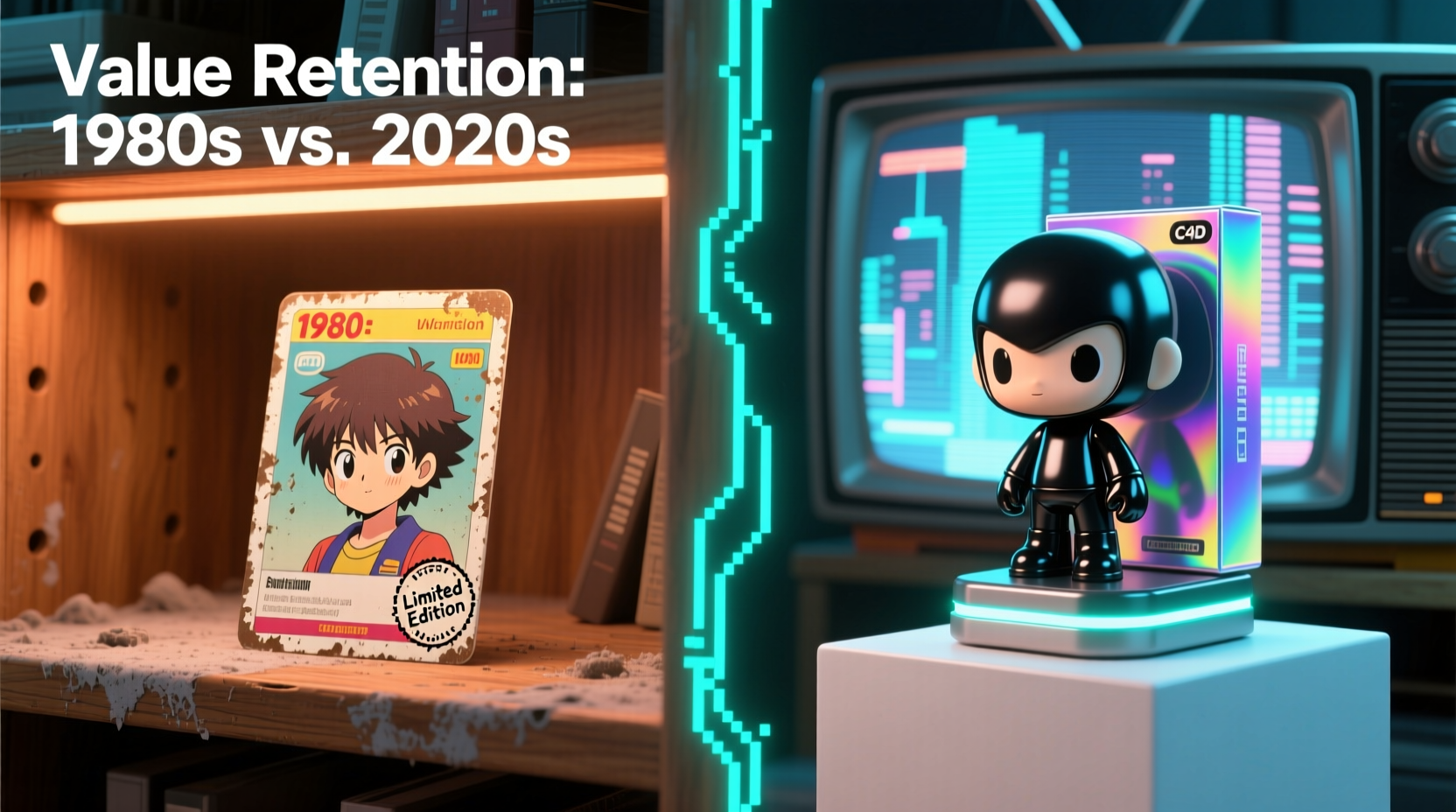
Anime merchandise doesn’t appreciate simply because it’s old or new—it gains value based on a combination of factors:
- Rarity: Limited print runs, discontinued lines, or region-exclusive items often command higher prices.
- Condition: Mint-in-box (MIB) or never-opened items retain far more value than used or damaged ones.
- Cultural Impact: Merch tied to landmark series like *Akira*, *Neon Genesis Evangelion*, or *Sailor Moon* sees sustained demand.
- Licensing Authenticity: Officially licensed items hold more credibility—and resale value—than bootlegs.
- Provenance: Items with verifiable history (e.g., convention exclusives, signed by creators) gain premium status.
These elements apply to both vintage and modern pieces, but their weight shifts depending on era and availability.
“The most valuable anime collectibles aren’t always the oldest—they’re the ones that capture a moment when fandom intersected with cultural breakthrough.” — Kenji Sato, Curator at Tokyo Pop Culture Archive
Vintage Anime Merch: Scarcity as a Driver of Value
Vintage anime merch typically refers to items produced between the late 1970s and early 2000s—before widespread internet access and global licensing. These include VHS tapes, original art books, PVC figures, keychains, cassette soundtracks, and promotional posters.
What gives vintage items an edge is inherent scarcity. Many were not made for long-term preservation. They were marketed to children, mass-produced without archival intent, and often discarded. Surviving examples in good condition are rare.
Take the 1988 *Akira* \"Capsule\" tin set released by Pioneer LDC. It included a mini soundtrack, stickers, and a replica capsule from the film. Fewer than 5,000 were made, and today, sealed sets sell for over $1,200 on auction sites. Similarly, original *Mobile Suit Gundam* model kits (Gunpla) from 1980–1985 in unopened condition have seen 300–500% price increases over the past decade.
However, authenticity remains a major hurdle. The pre-internet era lacked centralized databases, making it difficult to verify whether an item is genuine or a later reproduction. Bootleg markets flourished in Southeast Asia and Eastern Europe, flooding eBay and Yahoo Japan Auctions with convincing fakes.
Tip: Always cross-reference packaging details, copyright stamps, and catalog numbers with fan-maintained databases like Anime News Network’s Encyclopedia or HobbyLink Japan archives.Modern Anime Merch: Quality, Hype, and Strategic Releases
Modern anime merchandise benefits from advanced manufacturing, global distribution, and aggressive marketing strategies. Companies like Aniplex, Good Smile Company, and Bandai Spirits release highly detailed figures, art books, and box sets designed explicitly for collectors—not just fans.
Today’s limited editions often come with certificates of authenticity, numbered bases, and exclusive packaging. Events like Anime Expo or Comiket feature timed exclusives that sell out within minutes. A prime example is the 2023 *Demon Slayer* Hashira Edition Blu-ray set—a $200 release that resold for $600 within weeks due to low stock and high demand.
But here's the catch: many modern items are produced with intentional scarcity. While this drives initial resale spikes, it doesn’t guarantee long-term appreciation. Some limited runs lose steam once the hype fades. For instance, several *Jujutsu Kaisen* acrylic stands released in 2021 now trade below retail due to oversaturation.
Still, certain modern categories show strong holding power:
- Scale Figures (1/7 or 1/8): Especially those sculpted by renowned artists like Shunya Yamashita.
- Artist-signed Goods: Autographed sketches or boxed sets from creators like Tite Kubo or Hiromu Arakawa.
- First Press Physical Media: Early Blu-ray releases with bonus DVDs, clear cases, or obi strips.
Unlike vintage goods, modern merch often comes with built-in verification tools—QR codes, holograms, and official store receipts—that reduce fraud risk.
Comparative Analysis: Vintage vs Modern – Which Holds Value Better?
To assess long-term value retention, consider these five dimensions:
| Factor | Vintage Merch | Modern Releases |
|---|---|---|
| Scarcity | High (due to age and attrition) | Moderate to High (controlled by companies) |
| Condition Availability | Low (few mint items survive) | High (many kept sealed) |
| Authenticity Verification | Difficult (requires expertise) | Easy (certificates, QR codes) |
| Production Quality | Variable (older materials degrade) | Consistently High |
| Long-Term Appreciation | Proven track record (e.g., 80s/90s items up 10x) | Emerging (only ~10–15 years of data) |
The table suggests that while modern merch offers better quality control and authentication, vintage items have a stronger historical record of appreciation—especially when tied to foundational anime titles.
Real Example: The Case of *Neon Genesis Evangelion*
In 1996, Bandai released a small run of *Evangelion* Plug Suit Rei PVC figures through Japanese hobby stores. Only 3,000 units were made. At the time, it retailed for ¥5,800 (~$50). By 2010, unopened versions sold for $400–$600. In 2023, one sold at auction for $2,800.
Compare that to the 2021 Aniplex+ 1/7 scale Asuka Langley figure—also from *Evangelion*, also limited to 3,000 units. It launched at $280. Within months, it spiked to $500 due to demand. But by 2024, secondary market prices stabilized around $320—barely above retail.
Why the difference? The 1996 figure benefited from two decades of cult status growth, physical rarity, and nostalgia. The 2021 version, while technically superior, entered a saturated collector market where similar high-end figures are regularly released.
“Hype inflates modern prices fast, but only time separates true investments from trend-driven purchases.” — Lena Tran, Collector & Moderator of r/AnimeCollectibles
How to Build a Value-Resilient Anime Collection
Whether you lean toward vintage or modern, a strategic approach maximizes long-term returns. Follow this checklist to build a collection that holds—or grows—value over time.
Checklist: Building a High-Value Anime Collection- Focus on series with enduring popularity (e.g., *Gundam*, *Dragon Ball*, *Studio Ghibli*)
- Prioritize sealed, mint-condition items—especially for vintage goods
- Verify authenticity using official catalogs, community forums, and serial numbers
- Store items away from sunlight, moisture, and temperature fluctuations
- Keep original packaging, inserts, and receipts whenever possible
- Track resale trends via Mandarake, Yahoo Japan Auctions, and eBay completed listings
- Avoid overinvesting in short-term hype (e.g., seasonal anime with uncertain legacy)
Step-by-Step Guide: Evaluating an Item’s Investment Potential
Before purchasing any piece—vintage or modern—follow this evaluation process:
- Research the Series Legacy: Is it considered a classic? Has it influenced later works? Does it have ongoing reboots or remasters?
- Check Production Numbers: Was it a limited run? Was it region-exclusive? Look for press releases or collector databases.
- Assess Condition Objectively: Use grading standards (e.g., Near Mint, Very Good) common in collectible communities.
- Review Past Sales Data: Search completed auctions on eBay or Japanese secondhand sites to see actual selling prices.
- Evaluate Storage Needs: Can you preserve it properly? Will UV light fade colors? Are boxes prone to crushing?
- Determine Liquidity: How easy is it to resell? Are there active buyers on Reddit, Discord servers, or specialized marketplaces?
This method reduces emotional buying and focuses on measurable value indicators.
Frequently Asked Questions
Does unopened always mean more valuable?
Generally yes—especially for vintage items where opened versions may have missing parts or wear. However, some modern figures (like Nendoroids) are often opened for display without significant value loss if kept clean and undamaged. Sealed value matters most when supply is extremely limited.
Are modern reissues of vintage merch worth collecting?
Reissues rarely appreciate unless they're part of a special anniversary with unique features (e.g., updated sculpts, bonus items). Standard re-releases are meant for enjoyment, not investment. True value lies in original runs.
Should I focus on figures, media, or apparel?
Figures and physical media (VHS, LD, Blu-ray) tend to hold value best. Apparel—especially t-shirts and jackets—degrades over time and rarely exceeds $200 unless celebrity-owned or event-exclusive. Exceptions include rare concert tour merch from early anime bands.
Conclusion: Balancing Passion with Prudence
Vintage anime merchandise currently holds a stronger track record for long-term value appreciation. Its scarcity, historical significance, and survival bias—where only the best-preserved items remain—create upward pressure on prices. However, it comes with risks: authenticity challenges, degradation over time, and higher entry costs for verified pieces.
Modern releases offer better accessibility, quality, and transparency. While few have matched vintage-level gains yet, some—particularly high-end figures from iconic franchises—show promising trajectories. The key is selectivity. Not every limited edition becomes a classic.
The smartest collectors blend both worlds: preserving vintage treasures as anchors of their collection while selectively acquiring modern pieces with strong legacy potential. Ultimately, value isn’t just monetary—it’s emotional. The best collection reflects personal connection, careful curation, and respect for anime’s evolving history.
💬 What’s your most valuable anime collectible? Share your story, valuation tips, or favorite finds in the discussion forums—your insight could help a new collector avoid costly mistakes.








