Purchasing designer clothing for children can be both exciting and stressful. Parents want their kids to wear high-quality, stylish pieces from trusted brands—especially when investing in premium labels like Burberry, Gucci, or Moncler. But the rise of counterfeit fashion has made it increasingly difficult to distinguish real from replica, particularly in the booming world of online marketplaces. Fake designer kids clothes are not only poor quality but may also pose safety risks due to substandard materials. Learning how to identify fakes protects your investment, ensures authenticity, and keeps your child safe.
Why Counterfeit Kids Designer Clothes Are a Growing Problem
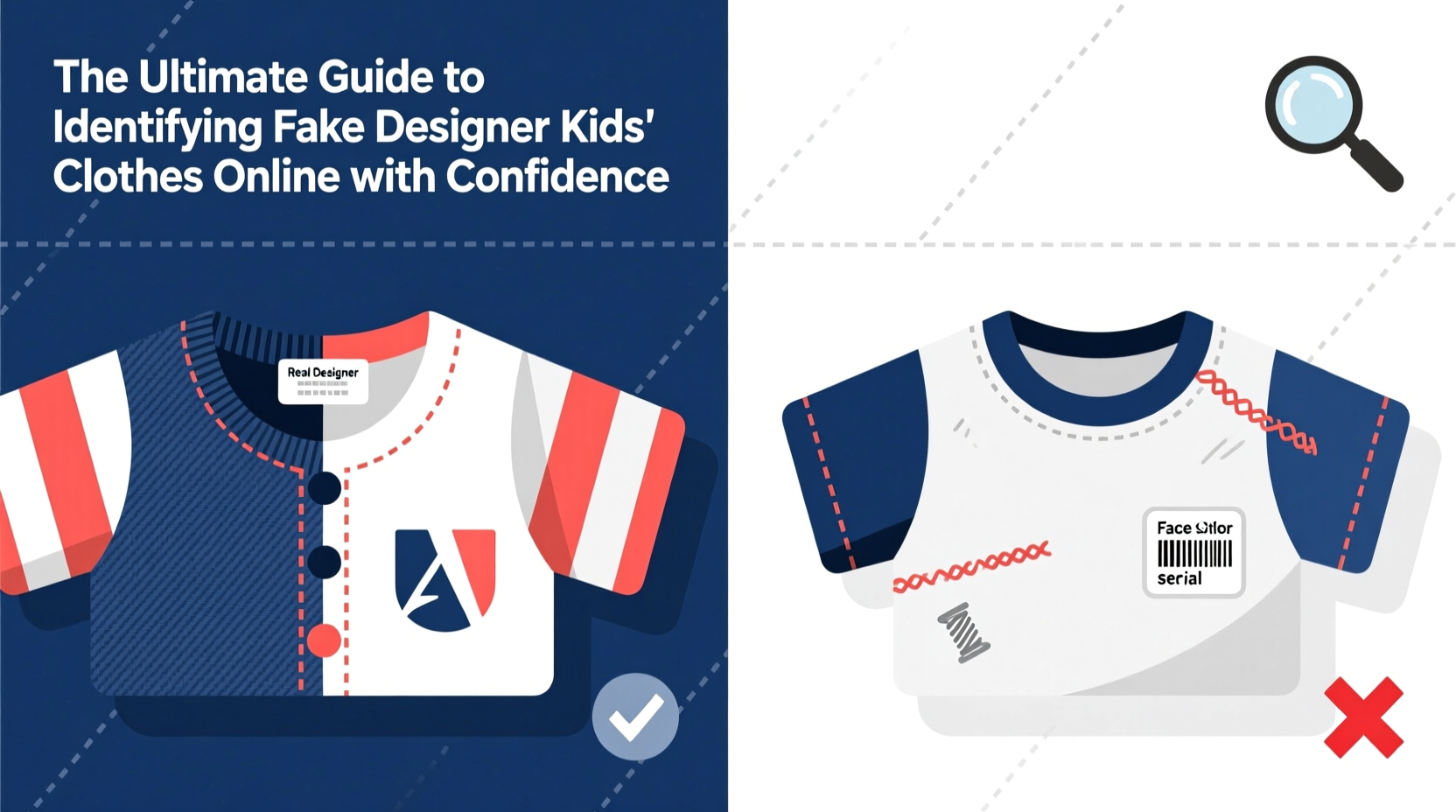
The global counterfeit apparel market is estimated to exceed $30 billion annually, with children’s fashion becoming a prime target. Unlike adult lines, which often receive more scrutiny, designer kids collections are sometimes overlooked—making them easier targets for replication. Many knockoffs are sold on third-party platforms, social media shops, or unauthorized websites that mimic official brand stores. These sellers use professional photography and misleading descriptions to trick buyers into believing they’re getting the real deal at a fraction of the price.
Counterfeits aren’t just about logos. They replicate stitching patterns, packaging, tags, and even hangtags with alarming accuracy. However, subtle inconsistencies reveal themselves upon closer inspection—details most casual shoppers miss. Understanding what to look for gives you a decisive advantage.
“Authenticity in children’s luxury fashion isn’t just about prestige—it’s about safety, durability, and ethical production.” — Lena Torres, Senior Buyer at Little Luxe Collective
Key Red Flags That Signal a Fake Designer Piece
Recognizing counterfeit items starts with knowing where to look. Even if a listing appears legitimate, certain warning signs should prompt immediate skepticism.
- Unrealistically low prices: If a $450 Moncler jacket is listed for $99, it’s almost certainly fake. Genuine designer kids’ wear rarely discounts below 30%, even during sales.
- Poor grammar or spelling: Official retailers maintain professional copy. Typos in product titles or descriptions suggest an unprofessional seller.
- Vague or missing seller information: No return policy, contact details, or company registration? Walk away.
- Stock photos only: Legitimate resellers usually provide original images. If every photo looks identical to other listings, it may be stolen from the brand’s site.
- No batch or style number: Authentic garments include unique identifiers on internal labels. Absence or inconsistency here is a major red flag.
A Step-by-Step Guide to Verifying Authenticity Online
Follow this systematic approach before finalizing any purchase:
- Verify the retailer: Check if the website is an authorized dealer. Visit the brand’s official site and use their store locator.
- Inspect product images closely: Zoom in on seams, zippers, embroidery, and fabric texture. Fakes often have uneven stitching or blurry prints.
- Compare tag details: Research the brand’s standard labeling format (font, placement, language) and compare it directly.
- Review return and shipping policies: Reputable sellers offer clear return windows and trackable shipping. Avoid prepaid-only or “no returns” offers.
- Check customer reviews: Look beyond star ratings. Read comments about product quality, delivery time, and authenticity confirmation.
- Contact the seller: Ask specific questions about sourcing, batch numbers, or care instructions. Hesitation or vague answers indicate potential fraud.
Do’s and Don’ts When Buying Designer Kids Clothes Online
| Do’s | Don’ts |
|---|---|
| Buy from authorized retailers or verified resale platforms (e.g., Farfetch, Mytheresa, Vestiaire Collective) | Shop from Instagram DMs or Telegram groups without verification |
| Cross-reference item details with the brand’s official catalog | Assume “new with tags” means authentic |
| Use authentication services like LegitGrails or Entrupy for high-value purchases | Pay via gift cards or wire transfers—these are irreversible and untraceable |
| Save all communications and receipts until satisfied with the item | Ignore gut feelings—if something feels off, it probably is |
Real Example: How One Parent Spotted a Fake Gucci Romper
Sophia M., a mother from Portland, was excited to find a “brand new” Gucci bear-print romper for her daughter on a popular auction site. Priced at 60% below retail, the listing included pristine photos and claimed “never worn.” Skeptical, she followed several verification steps before purchasing.
First, she visited Gucci’s official website and compared the print alignment and collar shape—the one in the listing had slightly distorted proportions. Next, she requested additional photos of the care label. The font used didn’t match Gucci’s standard Helvetica Bold, and the country of manufacture was listed as Vietnam, which the brand does not use for childrenswear.
She messaged the seller asking for proof of purchase. No response came. Within hours, the listing disappeared. By trusting her research and refusing to rush, Sophia avoided a costly scam.
Essential Checklist Before You Buy
Use this quick-reference checklist to evaluate any designer kids clothing listing:
- ✅ Is the seller an authorized retailer or verified reseller?
- ✅ Does the price seem too good to be true?
- ✅ Are high-resolution photos showing close-ups of labels, stitching, and hardware?
- ✅ Do the fonts, logos, and branding match the official brand style exactly?
- ✅ Is there a secure payment method (credit card or PayPal buyer protection)?
- ✅ Can the seller provide proof of authenticity or purchase receipt?
- ✅ Are customer reviews available and consistent with positive experiences?
Frequently Asked Questions
Can a fake garment still be safe for my child to wear?
Not necessarily. Counterfeit clothes often use low-grade dyes, non-breathable synthetics, and unsafe sewing practices. Some have been found to contain formaldehyde or lead-based pigments. Always prioritize certified, ethically produced clothing for children.
Are secondhand designer clothes always risky?
No—gently used designer pieces from trusted resale platforms can be excellent value. The key is buying through services that authenticate items before shipping. Platforms like Rebag, Grailed (for kid's sizes), and Kidizen’s premium tier offer verification features.
What should I do if I’ve already bought a fake?
Contact your payment provider immediately. If you paid via credit card or PayPal, you may qualify for a chargeback. Report the seller to the platform and consider filing a complaint with the International AntiCounterfeiting Coalition (IACC).
Final Thoughts: Confidence Comes From Knowledge
Identifying fake designer kids clothes online doesn’t require expert training—just attention to detail and a willingness to verify before buying. The convenience of e-commerce shouldn’t come at the cost of trust. By arming yourself with the right tools, questions, and resources, you can shop with confidence, knowing your child wears genuine, well-made clothing.
Designer fashion for children represents more than status; it reflects craftsmanship, safety standards, and thoughtful design. Protecting that integrity starts with informed choices. Whether you're shopping for a birthday outfit or building a capsule wardrobe, take the extra few minutes to validate authenticity. Your peace of mind—and your child’s comfort—is worth it.
💬 Have you encountered a convincing fake? Share your experience in the comments to help other parents stay alert and informed.