Caring for fine jewelry at home requires more than just a quick wipe. Zircon and pearls, though beautiful, are delicate in different ways. Zircon, often mistaken for cubic zirconia, is a natural gemstone with brilliance but sensitivity to heat and scratches. Pearls, organic gems formed within mollusks, are vulnerable to acids, abrasives, and drying environments. Cleaning them improperly can dull their luster or cause irreversible damage. The good news: with the right knowledge and tools, you can safely maintain both types of jewelry at home without professional help—provided you follow precise, gentle methods.
Understanding Your Jewelry: Zircon vs. Pearl
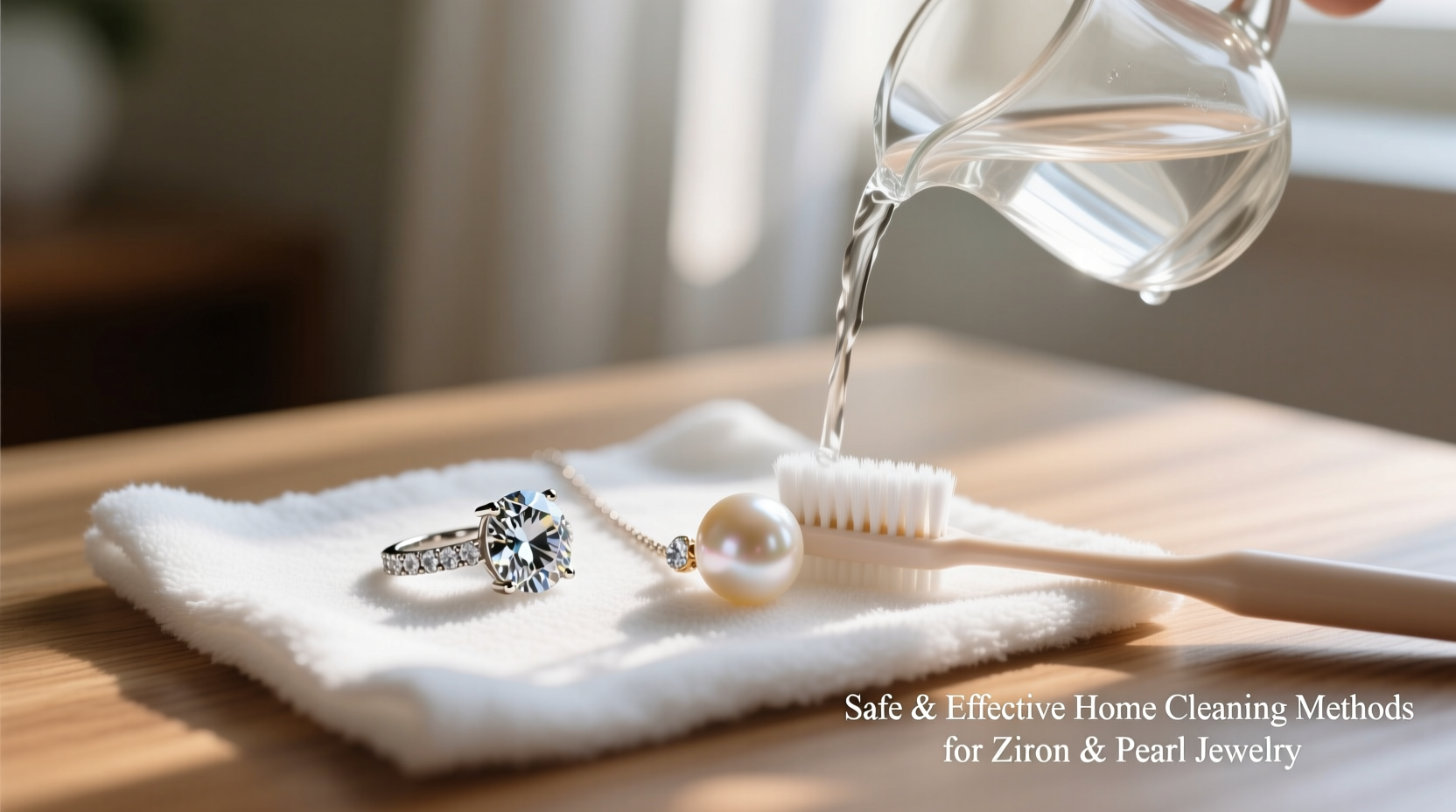
Zircon is a naturally occurring mineral known for its high refractive index, giving it fire and sparkle comparable to diamonds. However, it ranks between 6.5 and 7.5 on the Mohs hardness scale, making it moderately durable—but still prone to chipping if struck hard or exposed to harsh chemicals.
Pearls, on the other hand, are entirely different. Formed from layers of nacre secreted by oysters or mussels, they rank only 2.5 to 4.5 on the Mohs scale. This softness means even mild abrasives or acidic substances (like perfume or lemon juice) can etch their surface, leading to permanent dullness.
Because of these differences, one-size-fits-all cleaning approaches fail. What works for zircon may destroy a pearl’s iridescence. Recognizing this distinction is the first step toward proper care.
Tip: Always remove pearl jewelry before applying cosmetics, hairspray, or perfume—chemical residues can degrade nacre over time.Step-by-Step Guide to Cleaning Zircon Jewelry
Zircon stones benefit from regular cleaning to restore sparkle lost to oils and daily wear. However, avoid ultrasonic cleaners and steam devices, which can fracture internal inclusions or weaken the stone due to thermal shock.
- Prepare a gentle cleaning solution: Mix one drop of mild dish soap (phosphate-free, non-moisturizing) with one cup of lukewarm water in a small bowl.
- Soak the jewelry: Place the zircon piece in the solution for 10–15 minutes to loosen dirt and grime.
- Brush gently: Use a soft-bristled toothbrush (preferably new and reserved for jewelry) to lightly scrub around the setting and under the stone where debris collects.
- Rinse thoroughly: Hold the jewelry under warm running water to wash away soapy residue. Be sure to close the sink drain or use a strainer.
- Dry with care: Pat dry using a lint-free microfiber cloth. Avoid paper towels, which can scratch softer metal settings or leave fibers behind.
For pieces with intricate designs or multiple stones, repeat brushing carefully to ensure all crevices are cleaned. Never soak jewelry with glued components (e.g., some vintage settings), as moisture can weaken adhesives.
How to Clean Pearl Jewelry Safely
Pearls demand a far more cautious approach. Immersing them in water—even briefly—can weaken the silk thread used in necklaces and allow moisture into drill holes, promoting deterioration.
The best method involves spot cleaning only when necessary:
- Dampen a soft, lint-free cloth with distilled water. Do not soak the cloth—just slightly moisten one corner.
- Wipe each pearl gently, one at a time, especially after wearing. Focus on areas that contact skin, where sweat and oils accumulate.
- Allow to air-dry flat on a soft towel, away from direct sunlight or heat sources.
- Restring periodically: If your pearl necklace feels loose or shows fraying silk, have it restrung every 1–2 years, depending on frequency of use.
Never use commercial jewelry cleaners, baking soda, vinegar, or alcohol-based solutions on pearls. These will strip the nacre and leave the surface chalky and lifeless.
“Pearls are the only gemstones that require moisturizing care. They thrive on body warmth and humidity but die in dry, chemical-heavy environments.” — Dr. Lena Moretti, Gemologist & Jewelry Conservator
Do’s and Don’ts: Comparison Table
| Jewelry Type | Do’s | Don’ts |
|---|---|---|
| Zircon | Use mild soap and water; brush gently; rinse well; dry with microfiber cloth | Avoid steam/ultrasonic cleaners; don’t expose to harsh chemicals; never use abrasive pastes |
| Pearl | Wipe with damp cloth after wear; store separately; restring annually | Never submerge; no chemical cleaners; avoid exposure to perfumes, lotions, or vinegar |
Real Example: Recovering a Dull Pearl Necklace
Sarah, a teacher from Portland, inherited a strand of freshwater pearls from her grandmother. She wore them weekly but noticed they had turned chalky and yellowish after two years. Alarmed, she consulted a local jeweler, who explained that daily exposure to classroom hand sanitizer and improper storage (tossed in a drawer with other jewelry) had damaged the nacre.
Following professional advice, Sarah began wiping the pearls with a slightly damp cloth after each use and stored them in a soft pouch. She avoided sprays and lotions while wearing them. Over six months, the pearls didn’t regain full original luster—but stopped deteriorating. The jeweler later restrung them on fresh silk, restoring drape and security. Sarah now treats her pearls like heirlooms—because they are.
Essential Checklist for Home Jewelry Care
- ✔️ Inspect zircon settings monthly for loose prongs
- ✔️ Wipe pearls after every wear with a soft, slightly damp cloth
- ✔️ Store both zircon and pearl pieces separately in soft-lined boxes or pouches
- ✔️ Remove jewelry before swimming, cleaning, or exercising
- ✔️ Schedule professional inspections every 12–18 months
- ✔️ Label a dedicated jewelry-only soft toothbrush to avoid contamination
- ✔️ Keep pearls away from dry environments (e.g., near heaters or in sealed plastic)
Frequently Asked Questions
Can I use baking soda to clean my zircon ring?
No. Baking soda is mildly abrasive and can scratch both the zircon surface and softer metal settings like silver or gold. Stick to mild liquid soap and water for safe results.
Is it safe to wear pearl jewelry in the rain?
It's best to avoid it. Rainwater may seem harmless, but it can contain pollutants and acidity that harm nacre. Plus, sudden temperature changes can stress the shell material. If caught in the rain, wipe pearls immediately and let them air-dry flat.
How often should I clean zircon jewelry?
Every 2–4 weeks with light wear. Heavily worn pieces (like engagement rings) benefit from biweekly cleaning. Daily wiping with a dry microfiber cloth also helps maintain shine between deep cleanings.
Final Thoughts: Small Habits, Lasting Beauty
The longevity of zircon and pearl jewelry doesn’t depend on expensive tools or rare products—it hinges on consistent, informed habits. A few minutes of mindful care after wearing, proper storage, and avoiding common pitfalls preserve brilliance and structure over years. Whether you own a single pearl pendant or a zircon cocktail ring, treating them with respect ensures they remain radiant through seasons and generations.
💬 Have a favorite jewelry care tip or a restoration story? Share your experience below—your insight could help others protect their treasured pieces.