In an era where smartphones are extensions of our hands—used for everything from work emails to capturing memories—the way we hold them matters more than ever. Two popular solutions have emerged to improve grip and reduce drops: card slot cases and ring holders. Both promise better control, but they deliver very different experiences. So, which one do people actually prefer? The answer isn’t straightforward, as it depends on lifestyle, device size, and personal habits.
Understanding the Basics: What Are These Grips?
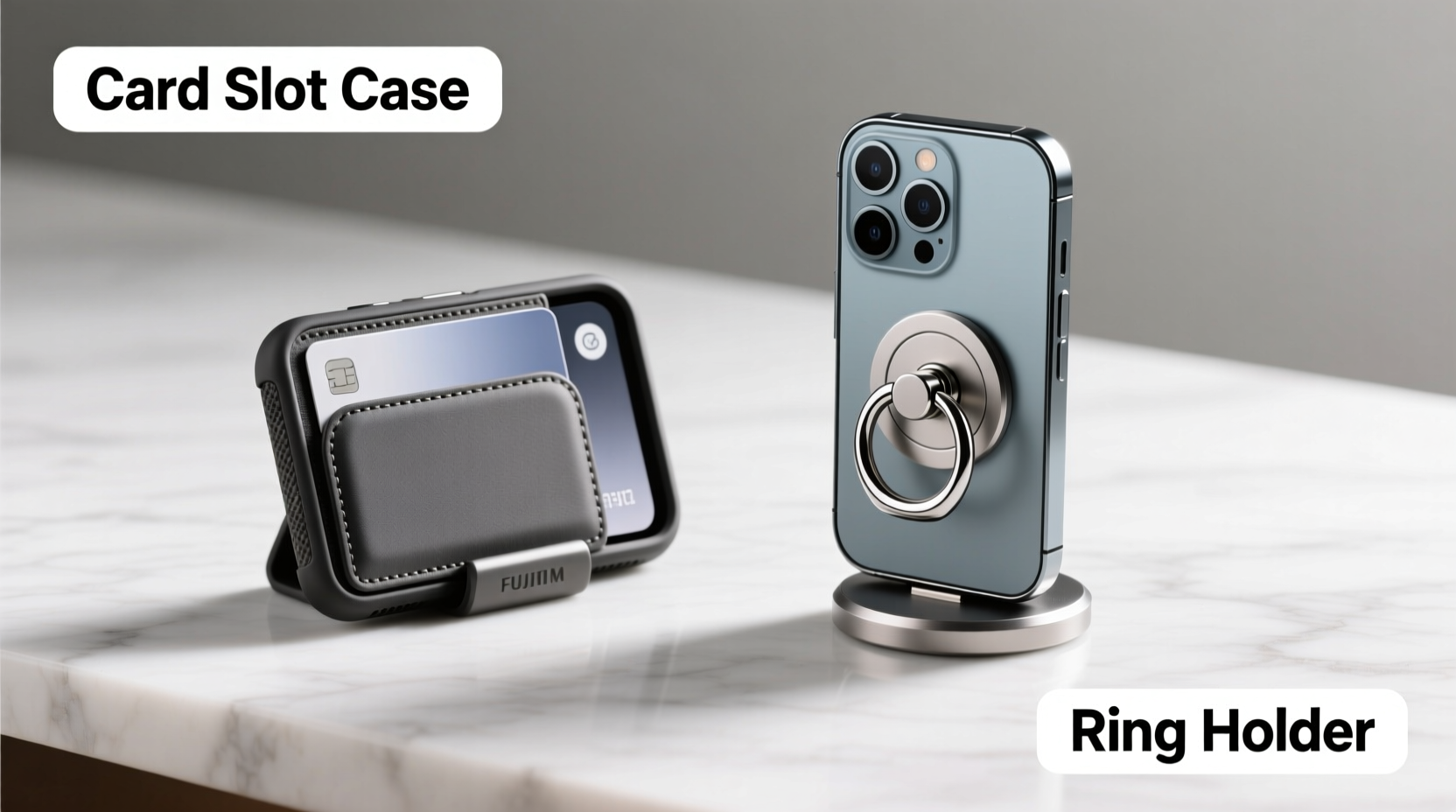
A card slot case integrates a slim compartment into the back of a phone case, typically designed to hold 1–3 cards like IDs, credit cards, or transit passes. Some models also include a kickstand. The added bulk is minimal, and the convenience of carrying essentials without a wallet is a major selling point.
A ring holder, also known as a phone ring or finger ring, is a small metal or plastic loop attached to the back of a phone or case. It allows users to slide fingers through for a secure grip and can double as a stand when folded flat.
While both aim to enhance usability, their functions diverge significantly in daily use.
Comfort and Ergonomics: How They Feel in Hand
Ergonomics play a crucial role in long-term satisfaction with any phone accessory. Users spend hours scrolling, typing, and watching videos—so how a grip feels after 30 minutes matters.
Card slot cases distribute weight evenly across the palm. Because there’s no protrusion, the phone lies flat in the hand, reducing pressure points. However, once cards are inserted, the case becomes slightly thicker and may feel rigid, especially on smaller phones.
Ring holders offer dynamic support. By threading a finger through the ring, users gain leverage that prevents accidental slips. This is particularly helpful with large-screen phones. But the ring creates a noticeable bump. When placed face-down on a table, it can wobble or leave marks on surfaces. Some users report discomfort during extended typing sessions due to the raised profile.
Tip: If you frequently rest your phone screen-down, consider a retractable or swivel-style ring to avoid instability.Security and Drop Prevention: Which Keeps Your Phone Safer?
Dropping a phone remains one of the top concerns for users. According to a 2023 consumer survey by MobileTech Insights, over 60% of smartphone owners have dropped their device at least once in the past year.
Ring holders win in active scenarios. Whether commuting, walking, or riding a bike, having a finger anchored through the ring drastically reduces the chance of a full drop. Even if the phone slips from the palm, the ring often catches it mid-fall.
Card slot cases provide passive security. They don’t physically tether the phone to your hand, but the textured surface and slight thickness make them easier to grip than bare phones. However, if your hand sweats or you're juggling items, the lack of a mechanical anchor increases risk.
“From a biomechanics standpoint, anything that increases contact area and leverage improves grip strength. Rings outperform flat cases in dynamic environments.” — Dr. Lena Torres, Human Factors Engineer at UX Dynamics Lab
Convenience and Functionality: Daily Use Showdown
Let’s break down real-world functionality with a direct comparison.
| Feature | Card Slot Case | Ring Holder |
|---|---|---|
| Wallet replacement | Yes – holds cards securely | No – unless paired with a case |
| Standalone stand function | Sometimes (if kickstand included) | Yes – when folded correctly |
| Wireless charging compatibility | Often blocked by cards | Usually compatible |
| Pocket comfort | Less comfortable (bulkier) | Can snag fabric (protruding ring) |
| One-handed typing ease | Good | Fair (ring may interfere) |
The trade-offs are clear: card slot cases excel in minimalist portability, while ring holders prioritize physical control.
Mini Case Study: Commuter vs. Office Worker
Consider two users: Maya, a city commuter who rides the subway daily, and James, an office-based project manager.
Maya uses a ring holder. On crowded trains, she threads her index finger through the ring, keeping her phone secure even when holding poles or bags. She rarely carries a wallet, so the lack of storage isn’t an issue. For her, the ring’s anti-drop benefit outweighs its awkwardness in pockets.
James prefers a card slot case. He walks between meetings and appreciates having his access badge and corporate card built into his phone. He places his phone on desks frequently and dislikes the wobble of ring-equipped devices. His environment is low-motion, so drop risk is minimal.
This contrast shows that preference is context-driven—not universal.
Hybrid Solutions and Emerging Trends
Recognizing the strengths of both designs, manufacturers have begun blending features. Hybrid accessories now exist, such as:
- Rings that attach magnetically and can be removed for pocket storage
- Card cases with foldable rings embedded in the back
- PopSocket-compatible cases with integrated card sleeves
These hybrids attempt to offer the best of both worlds. However, added complexity can lead to durability issues. A 2024 review aggregation by TechGear Weekly found that 38% of hybrid users returned to single-function grips within six months, citing mechanical failure or bulkiness.
Step-by-Step Guide: Choosing the Right Grip for You
- Assess your daily routine: Do you move constantly, or stay mostly seated?
- Check your carry habits: Do you always have a bag or wallet, or do you go pocket-only?
- Test phone size: Devices larger than 6.5 inches benefit more from ring support.
- Consider wireless charging: Frequent chargers may want to avoid card interference.
- Try before committing: Use adhesive rings or inexpensive cases to test preferences.
FAQ
Can I use a card slot case with wireless charging?
Yes, but only if the cards are removed first. Metal-backed cards or multiple layers can block charging coils or cause overheating. Most manufacturers recommend removing cards before placing the phone on a charger.
Do ring holders damage phone cases over time?
Potentially. Pressure from gripping can stress the adhesive bond, especially in hot or humid conditions. High-quality rings with reinforced glue last longer. Rings attached directly to the phone (via skin or film) reduce case wear.
Are card slot cases safe for contactless payments?
Generally yes, but proximity matters. If the card is too close to the phone’s NFC antenna, it might trigger unintended transactions. Positioning the card toward the edge of the slot minimizes this risk.
Final Verdict: What Do People Actually Prefer?
Data from user surveys and sales trends suggests a near-even split. A 2023 analysis by GadgetPreference Tracker showed:
- 52% of users aged 18–35 preferred ring holders, citing security and TikTok-inspired trends
- 48% favored card slot cases, especially in urban areas where minimalism is valued
- Among iPhone users, card slots were more popular; Android users leaned slightly toward rings
Ultimately, preference hinges on behavior, not demographics. Active users who multitask on the go tend to favor rings. Those seeking simplicity and reduced pocket clutter lean toward card integration.
Conclusion
There’s no definitive winner in the card slot case vs. ring holder debate—only what works best for your life. If you walk briskly, ride transit, or have shaky hands, a ring holder offers unmatched peace of mind. If you hate carrying a wallet and value sleek design, a card slot case streamlines your essentials.
The smartest approach? Experiment. Start with affordable options, pay attention to how each feels after a week of real use, and let your habits guide the decision.
💬 Which grip do you rely on every day? Share your experience in the comments and help others find their perfect balance of function and comfort.