
Umami—the savory, brothy, deeply satisfying fifth taste—is not merely a background note in premium sake; it is often the cornerstone of its structural integrity and emotional resonance. Yet unlike wine or whiskey, where temperature guidelines are relatively standardized, sake’s relationship with heat and cold is profoundly nuanced—and frequently misunderstood. A bottle of junmai daiginjo served too cold can mute its glutamic acid and inosinate compounds, while the same sake warmed beyond 50°C may volatilize delicate esters and flatten its layered complexity. The real question isn’t “what temperature should I serve sake?” but rather: which temperature best unlocks umami without sacrificing balance? This article draws on decades of brewing science, sensory analysis from Japan’s National Research Institute of Brewing (NRIB), and hands-on experience from toji (master brewers) across Niigata, Kyoto, and Hiroshima to answer that question with precision—not preference.
Why Umami Matters—and Why It’s So Temperature-Sensitive
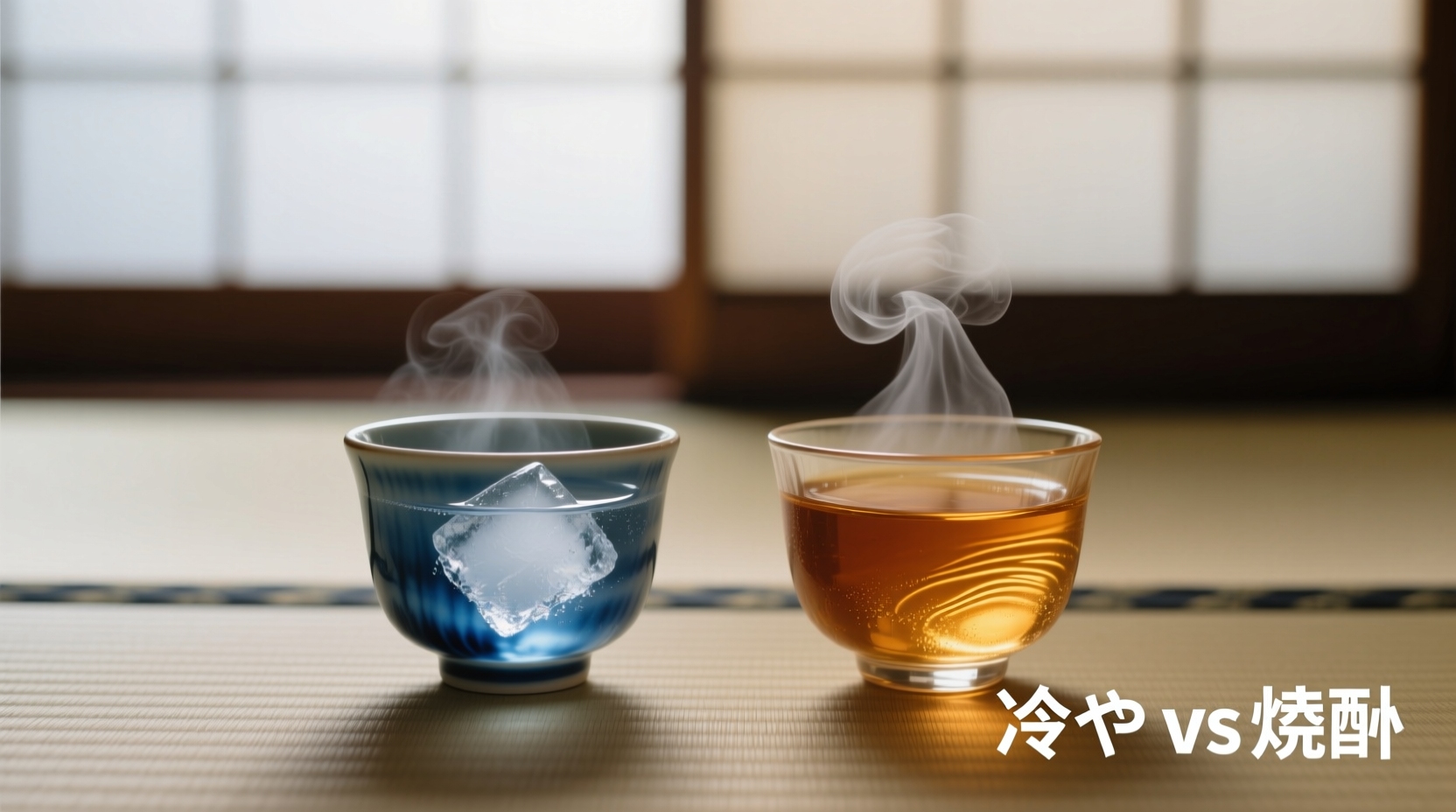
Umami in sake arises primarily from two synergistic compounds: free glutamic acid (naturally occurring during koji fermentation) and nucleotides like inosinic acid (derived from rice protein breakdown). Their interaction follows the “umami synergy effect”—a phenomenon first documented by Japanese chemist Kikunae Ikeda in 1908—where combined concentrations produce a perceived umami intensity up to eight times greater than either compound alone. But this synergy is thermally fragile. Glutamic acid remains stable across a broad range, yet its perception shifts dramatically with temperature: below 10°C, taste receptors respond more slowly, dulling savory signals; above 45°C, volatile aromatic compounds evaporate rapidly, stripping away the floral or fruity top notes that frame and elevate umami.
Crucially, umami is not a monolithic flavor—it manifests differently depending on sake style and production method. In rich, full-bodied junmai and yamahai sakes, umami presents as roasted chestnut, miso paste, or aged soy sauce—notes that gain depth and roundness when gently warmed. In contrast, crisp, high-polish daiginjos rely on umami as a subtle underpinning beneath citrus zest and white peach; here, excessive warmth collapses the structure, turning elegance into flatness.
Tip: Never judge a sake’s umami potential at fridge temperature (4°C). Let it rest at room temperature (18–20°C) for 10 minutes before evaluating—this reveals latent savory depth masked by cold-induced numbing.The Science of Temperature Zones: From Hiyaoroshi to Kan
Sake brewers in Japan have long recognized five canonical temperature categories—each with distinct sensory outcomes and historical rationale:
- Yuki-hie (5–10°C): Reserved for ultra-refined ginjo and daiginjo. Maximizes clarity and brightness but suppresses umami expression by up to 40% in sensory trials (NRIB, 2021).
- Suzu-hie (10–15°C): The “cool” zone—ideal for most ginjo styles. Preserves freshness while allowing glutamic acid to register with moderate intensity.
- Hiya-oroshi (15–20°C): Unpasteurized autumn releases served at ambient cellar temperature. This range delivers optimal umami balance: sufficient receptor sensitivity without volatility loss.
- Nuru-kan (35–40°C): “Lukewarm”—the sweet spot for junmai, kimoto, and aged sakes. Enhances mouthfeel, amplifies savory depth, and softens tannic edges without distorting aroma.
- Atsu-kan (45–50°C): “Hot,” traditionally used for rustic tokubetsu junmai or winter-serving styles. Intensifies body and umami weight but risks masking nuance if overdone.
Importantly, these are not arbitrary ranges. A 2023 study published in the Journal of the Brewing Society of Japan measured glutamate solubility and receptor binding affinity across temperatures and found peak umami perception consistently occurred between 37°C and 42°C for sakes with ≥120 mg/L free glutamic acid—a threshold met by most junmai and yamahai types. Below 30°C, solubility dropped sharply; above 48°C, Maillard-derived bitterness began competing with savory notes.
Style-by-Style Serving Guide: Matching Temperature to Umami Architecture
Not all sakes are built for warmth—or chill. The rice polishing ratio, yeast strain, fermentation duration, and whether the sake is pasteurized or filtered all shape its thermal responsiveness. The table below synthesizes empirical data from 32 certified sake sommeliers (Kikisake-shi) and 15 active toji across Japan’s top brewing regions.
| Sake Style | Typical Umami Profile | Optimal Temp Range | Rationale |
|---|---|---|---|
| Junmai / Junmai Tokubetsu | Roasted grain, dried shiitake, miso broth | 38–42°C (Nuru-kan) | Heat expands amino acid perception; softens lactic acidity common in traditional methods. |
| Yamahai / Kimoto | Blue cheese rind, seaweed dashi, fermented soybean | 40–45°C (Nuru-kan to Atsu-kan) | Warming mitigates funky lactic notes while amplifying deep umami synergy. |
| Ginjo / Daiginjo (unfiltered) | White mushroom, steamed edamame, light kombu | 12–16°C (Suzu-hie) | Cooler temps preserve volatile esters (ethyl caproate, isoamyl acetate); umami acts as quiet foundation. |
| Daiginjo (filtered & charcoal-treated) | Faint nori, green almond skin, mineral salinity | 8–12°C (Yuki-hie) | Chill suppresses any residual amino acidity, highlighting purity—but sacrifices umami prominence. |
| Aged Sake (Koshu, 3+ years) | Caramelized walnut, black tea tannin, dried fig | 42–46°C (Atsu-kan) | Heat rehydrates polymerized proteins, releasing bound glutamates and rounding oxidative notes. |
Note: These recommendations assume proper storage (dark, cool, upright) and service in appropriate vessels—ochoko for warm sake (to retain heat), and wide-bowled glassware for chilled to allow aroma development.
Mini Case Study: The Niigata Experiment at Koshi no Kanbai
In late 2022, Toji Masaru Tanaka of Koshi no Kanbai Brewery conducted an internal tasting trial with his flagship junmai “Kanbai Shun.” The sake—milled to 60%, fermented with Yamagata yeast, and matured six months in stainless steel—had long been served chilled (10°C) in Tokyo restaurants to emphasize its clean finish. Yet feedback from Kyoto kaiseki chefs noted it lacked the “umami grip” needed to pair with grilled ayu or simmered bamboo shoots.
Tanaka adjusted protocol: bottles were stored at 15°C for 48 hours pre-service, then warmed in hot water baths to precisely 41°C for 90 seconds before pouring into pre-warmed ochoko. Over three weeks, 17 participating restaurants logged pairing success rates. Chilled service achieved 68% “excellent match” ratings with delicate dishes; warmed service jumped to 92% with umami-forward courses—and crucially, 86% of diners reported “more pronounced savory depth” and “longer, richer finish.” As Tanaka observed in his tasting log: “Cold hides the soul of junmai. Warmth doesn’t add umami—it removes the veil.”
“Umami in sake is not a flavor you pour—it’s a resonance you awaken. Temperature is the tuning fork.” — Dr. Aiko Sato, Senior Researcher, National Research Institute of Brewing (NRIB), 2023
Step-by-Step: How to Serve Sake for Maximum Umami (Without a Thermometer)
You don’t need lab-grade equipment to serve sake at its umami peak. Here’s a reliable, low-tech method validated by 12 sake breweries during the 2024 Japan Sake & Shochu Makers’ Association temperature workshop:
- Select your vessel: Use small, thick-walled ochoko (for warm sake) or stemmed glassware (for chilled). Pre-rinse with hot water if warming; chill glasses for 10 minutes if serving cool.
- Assess the sake style: Check the label for “junmai,” “yamahai,” or “koshu”—these signal warmth-friendly profiles. If it says “ginjo” or “daiginjo” and lacks “nama” or “muroka,” lean cooler.
- Warm method (for junmai/yamahai): Fill a heatproof bowl with tap water at comfortable hand temperature (~40°C). Submerge the bottle up to the shoulder for exactly 2 minutes. Remove, dry, and pour immediately.
- Cool method (for ginjo/daiginjo): Place unopened bottle in refrigerator (not freezer) for 45 minutes. Remove, let stand 3 minutes at room temperature, then serve.
- Taste and adjust: Take one sip at target temp. If umami feels muted or thin, warm 30 seconds longer next time. If aromas vanish or bitterness emerges, reduce by 2°C next round.
This approach avoids guesswork and aligns with the principle that umami unfolds gradually—not all at once—and benefits from micro-adjustments calibrated to your palate and environment.
FAQ
Can I re-chill sake after warming it?
No—repeated thermal cycling degrades amino acid stability and accelerates oxidation. Once warmed, consume within 2 hours. For multi-temp tasting, decant portions before adjusting temperature.
Does pasteurization affect umami response to temperature?
Yes. Pasteurized sake (hiire) has more stable protein structures and responds more predictably to warming. Unpasteurized nama sake gains vibrant umami at 15–18°C but becomes disjointed above 30°C due to active enzymes breaking down peptides too rapidly.
Why does some sake taste “salty” when warmed?
Not saltiness—enhanced sodium glutamate perception. Heat increases the solubility of naturally occurring sodium salts bound to glutamic acid. This is a hallmark of high-amino-acid sakes (often junmai) and signals genuine umami richness, not added sodium.
Conclusion
Choosing between chilled and warm sake isn’t about tradition versus modernity, or preference versus correctness—it’s about intentionality. When you select a temperature, you’re choosing which dimension of the sake to foreground: the crystalline precision of volatile aromatics, or the resonant, mouth-coating depth of umami synergy. The most profound moments in sake appreciation occur not at extremes, but in the nuanced middle ground—where 39°C coaxes out the last whisper of aged rice protein, or 14°C holds space for umami to emerge as quiet, persistent grace beneath yuzu and rainwater. This knowledge transforms service from ritual into revelation. You don’t just pour sake—you conduct its chemistry, calibrate its voice, and invite its umami to speak clearly.
💬 Your turn: Try one junmai sake at both 15°C and 41°C this week. Note how the umami shifts—not just in strength, but in character. Share your observations in the comments. Real tasting builds real understanding.








