Jewelry has always been more than decoration. It carries stories, beliefs, and personal identity. Among the most debated accessories today are the rose cross pendant and the fashion charm pendant. One is steeped in esoteric tradition; the other thrives on trend-driven design. But when choosing what to wear around your neck, should you prioritize symbolism or style? Does the deeper meaning of a rose cross outweigh the fleeting allure of a glittering charm, or is it all just about aesthetic appeal and social signaling?
The answer isn’t as simple as picking one over the other. It depends on who you are, what you value, and how you engage with the world. Let’s explore the differences, significance, and real-world impact of these two distinct styles of pendants.
Understanding the Rose Cross Pendant: Symbolism Over Sparkle
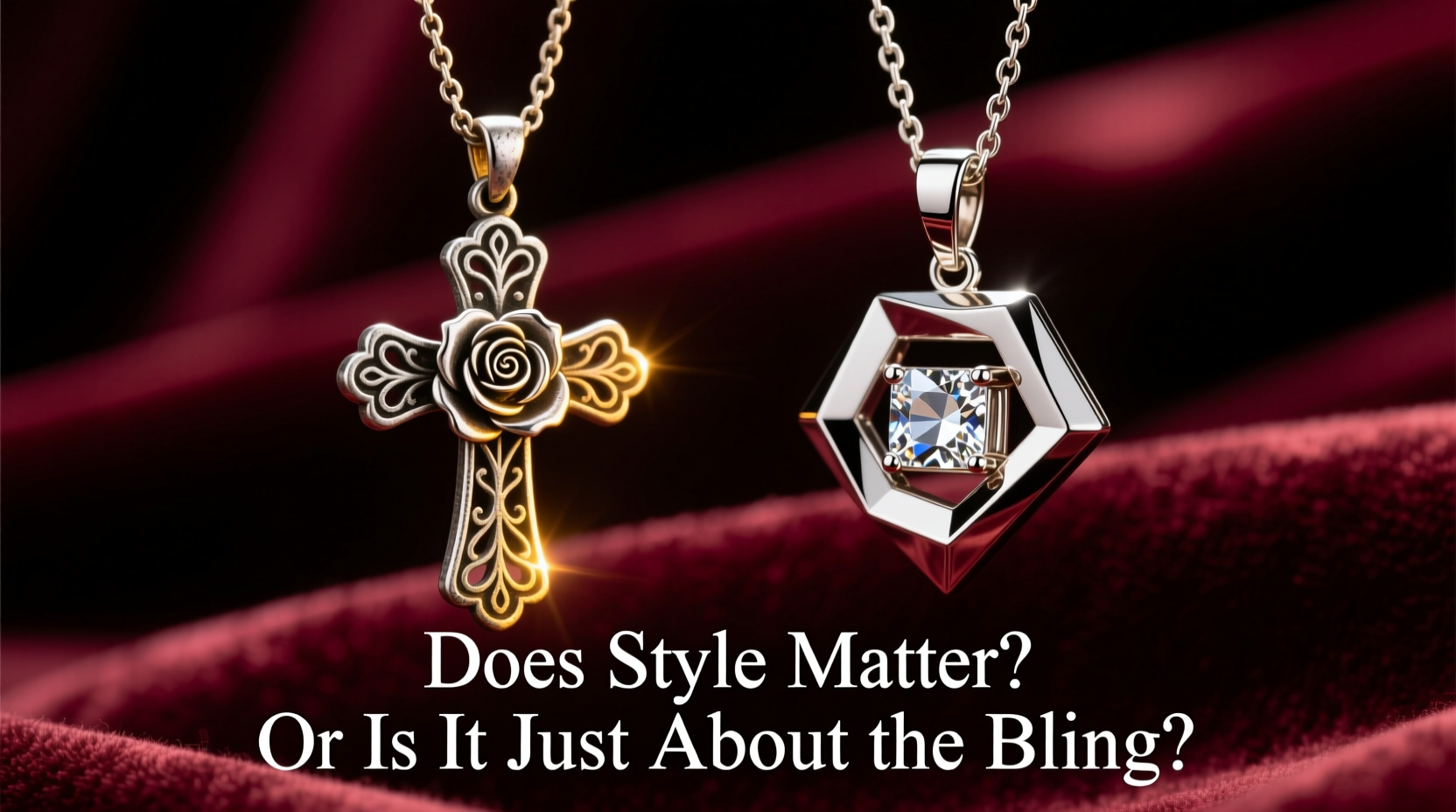
The rose cross, also known as the Rosicrucian cross, is a symbol with deep roots in Western mysticism, alchemy, and spiritual philosophy. It combines a cross—representing the material world or crucifixion—with a rose at its center, symbolizing divine love, enlightenment, or the unfolding soul.
This emblem has been associated with secret societies like the Rosicrucians since the 17th century. For many wearers, the rose cross is not a fashion statement but a personal commitment to inner growth, balance, and spiritual inquiry. It serves as a quiet reminder of values beyond the physical realm.
“Wearing a rose cross is like carrying a meditation in metal. It’s not for show—it’s for presence.” — Dr. Lila Monroe, Cultural Anthropologist specializing in modern spiritual practices
Unlike mass-produced fashion items, rose cross pendants are often handcrafted, made from metals like silver or bronze, and worn by individuals interested in metaphysics, meditation, or alternative spirituality. The design tends to be understated, focusing on symmetry and sacred geometry rather than flashiness.
Tip: If you're drawn to the rose cross, consider its placement—close to the heart—and use it as a daily touchstone for mindfulness.Fashion Charm Pendants: Style, Status, and Self-Expression
In contrast, fashion charm pendants thrive in the realm of aesthetics and identity projection. These pieces are designed to catch attention, complement outfits, and reflect current trends. From minimalist initials to animal motifs, gemstone accents, or pop culture references, charm pendants offer versatility and instant visual appeal.
They’re often produced in large quantities using cost-effective materials such as alloy, enamel, or cubic zirconia. While some high-end brands offer luxury versions, the core appeal lies in variety, customization, and the ability to mix and match.
For many, especially younger consumers, charm pendants are tools of self-expression. A stack of charms can tell a story—travel destinations, hobbies, relationships—without saying a word. In this sense, they serve an emotional function similar to the rose cross, albeit through a different language: fashion instead of symbolism.
Why People Choose Fashion Charms
- Versatility: Easily swapped or layered depending on mood or occasion.
- Affordability: Accessible price points allow for experimentation.
- Trend alignment: Keeps wearers visually connected to contemporary culture.
- Gifting appeal: Personalized charms make meaningful presents.
Comparing Values: Meaning vs. Aesthetics
At first glance, the rose cross and the fashion charm seem worlds apart. But both fulfill essential human needs: belonging, expression, and identity. The key difference lies in their primary purpose—one leans toward introspection, the other toward interaction.
To better understand the distinction, here's a comparison table outlining core attributes:
| Feature | Rose Cross Pendant | Fashion Charm Pendant |
|---|---|---|
| Primary Purpose | Spiritual symbolism, personal reflection | Style enhancement, self-expression |
| Design Focus | Sacred geometry, minimalism | Trends, color, embellishment |
| Material Quality | Often solid metal (silver, bronze) | Mixed—alloy, plating, resin, CZ |
| Lifespan | Years to lifetime (heirloom potential) | Seasonal to moderate (trend-dependent) |
| Emotional Value | Internal resonance, belief system | Memories, milestones, personal narrative |
| Social Perception | Respectful curiosity or misinterpretation | Seen as fashionable, trendy |
Mini Case Study: Two Women, Two Pendants
Consider Sarah and Mia, both in their early 30s and living in Portland, Oregon.
Sarah wears a simple silver rose cross every day. She discovered Rosicrucian philosophy during a period of burnout and found comfort in its teachings. For her, the pendant is a grounding tool. “When I feel overwhelmed,” she says, “I touch it and remember to breathe, to stay centered.” She doesn’t explain it often—most people assume it’s just another cross—but that’s okay with her. Its power is private.
Mia, on the other hand, collects charm pendants. Her necklace features a tiny airplane (for her love of travel), a moon (her astrological sign), and a heart engraved with her dog’s name. Each piece marks a chapter of her life. “People ask about my charms all the time,” she says. “It starts conversations. It’s like wearing my journal.”
Both women derive deep personal value from their jewelry—just in different ways. Neither is “right” or “better.” Their choices reflect their personalities and priorities.
Does the Style Really Matter—or Is It Just the Bling?
“Just the bling” suggests superficiality, but that phrase oversimplifies human behavior. Jewelry—even flashy, trendy pieces—rarely exists in a vacuum. Even if a charm pendant sparkles under club lights, it might still carry emotional weight. A gift from a friend, a souvenir from Paris, or a reward after a promotion—all can transform a seemingly trivial accessory into something meaningful.
Conversely, a rose cross pendant may appear profound, but if worn merely for appearance or to signal “mystical vibes” without engagement, it risks becoming its own kind of bling—a spiritual costume.
The truth is, **meaning follows intention**. A $5 charm can hold more emotional gravity than a $500 symbolic pendant if it connects to lived experience. Style and substance aren’t mutually exclusive—they coexist based on context and consciousness.
Tip: Before buying any pendant, ask yourself: “Will this still matter to me in a year?” If yes, it’s likely more than just trend or sparkle.How to Choose What’s Right for You: A Step-by-Step Guide
- Reflect on your values: Are you seeking inner peace, spiritual connection, or personal growth? The rose cross may resonate.
- Assess your lifestyle: Do you enjoy changing your look frequently? Fashion charms offer flexibility.
- Consider longevity: Will you want to wear this piece daily, or is it for a specific season or event?
- Evaluate craftsmanship: Look at materials and construction. Solid metal lasts longer than plated alloys.
- Test emotional connection: Hold it. Wear it. Does it feel aligned with who you are—or who you want to become?
Checklist: Choosing With Intention
- ☐ Define your purpose: spiritual, decorative, commemorative?
- ☐ Research symbols if choosing a rose cross—understand its origins.
- ☐ Set a budget that reflects long-term value, not just upfront cost.
- ☐ Try layering—a rose cross under a shirt paired with visible charms can blend meaning and style.
- ☐ Avoid peer pressure. Don’t wear a symbol you don’t understand just because it looks cool.
FAQ
Can I wear a rose cross without being part of a secret society?
Absolutely. While the symbol has historical ties to esoteric groups, many wear it today as a personal emblem of balance, growth, or spiritual curiosity—not membership.
Are fashion charm pendants less durable than symbolic ones?
Generally, yes—especially lower-priced options. However, brands offering sterling silver or gold-filled charms provide durability. Always check material specs before purchasing.
Is it disrespectful to wear a rose cross as a fashion item?
Intent matters. If worn purely for aesthetics without awareness of its significance, some may view it as cultural appropriation. Educate yourself first to avoid unintended offense.
Conclusion: Beyond Bling—Jewelry as Intentional Expression
The debate between rose cross pendants and fashion charm pendants isn’t really about style versus substance. It’s about understanding why we choose what we wear. Every pendant, whether glowing with rhinestones or quietly bearing ancient symbols, speaks a language of identity.
If you value depth, continuity, and inner alignment, the rose cross might become a lifelong companion. If you cherish change, storytelling, and visual joy, fashion charms can be powerful tools of self-portraiture. And there’s no rule against blending both—wearing meaning beneath the surface while expressing flair on top.
So yes, style matters. But so does soul. The truest question isn’t “Which looks better?” but “Which feels right?” When your jewelry aligns with your intention, it stops being just bling—and becomes a part of your story.
💬 What does your pendant say about you? Share your thoughts or your own jewelry journey in the comments—we’d love to hear how you balance meaning and style.