Cats have shared our homes and hearts for over 9,000 years. From ancient Egypt to modern-day Instagram fame, these enigmatic creatures continue to captivate us with their grace, mystery, and undeniable charm. But what exactly makes cats so awesome? It’s not just their soft fur or mesmerizing eyes—it’s a combination of biology, behavior, and emotional resonance that elevates them beyond mere pets into cherished companions. Whether they’re curling up on your lap or executing a perfect leap onto the highest shelf, cats possess a unique blend of independence and affection that few animals can match.
The Science Behind the Purr
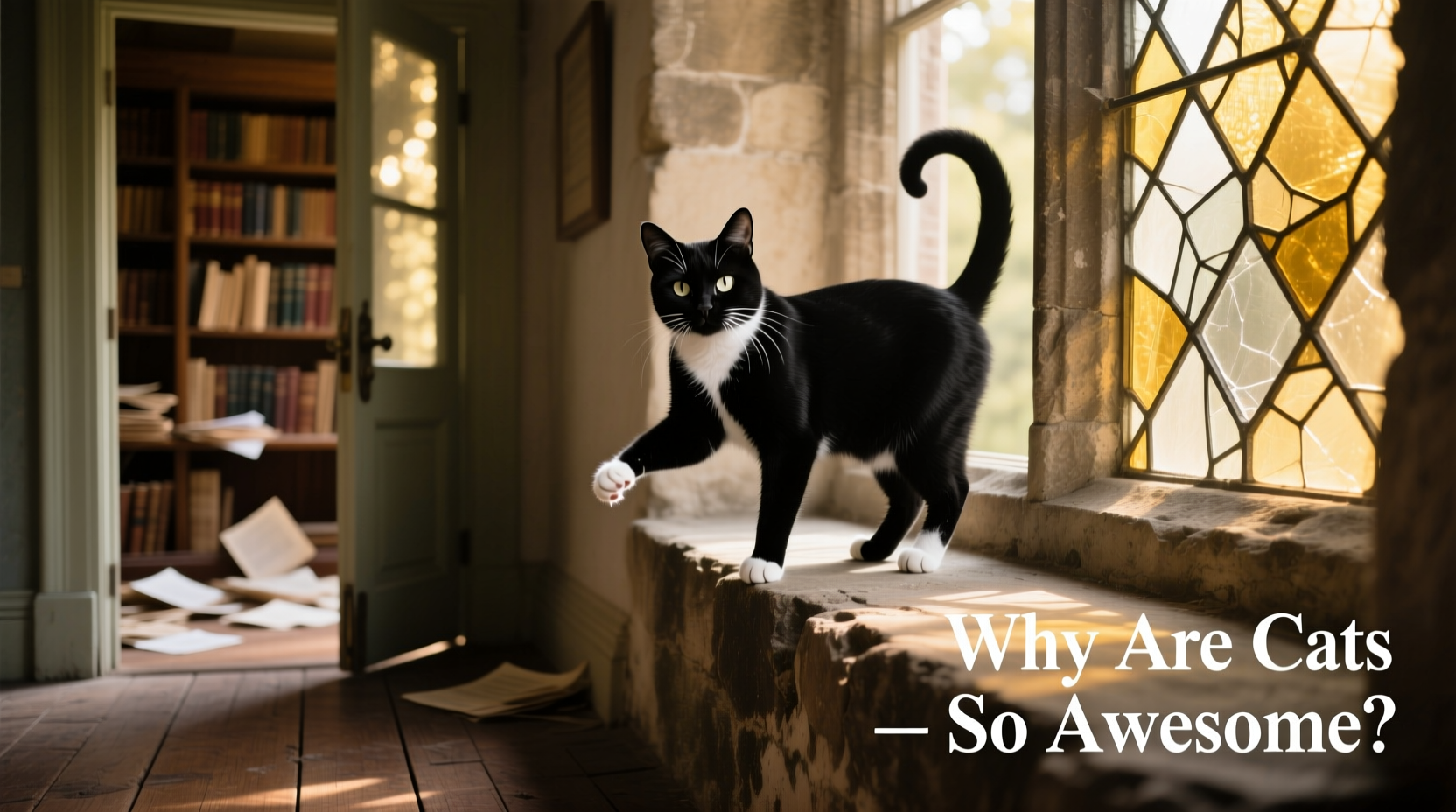
One of the most iconic traits of cats is their purr—a low, rhythmic vibration often associated with contentment. But purring is more than just a sign of happiness. Research shows that cats purr at frequencies between 25 and 150 Hz, a range proven to promote healing in bones, muscles, and tissues. This means when a cat curls up beside you and starts purring, it may not only be expressing comfort but also stimulating physical recovery.
Veterinarians and animal scientists believe this self-soothing mechanism helps cats manage pain, reduce swelling, and even accelerate wound healing. Kittens begin purring within days of birth to signal their presence to their mother, reinforcing bonding through sound and vibration.
“Purring isn’t just emotional communication—it’s a biological tool for survival and healing.” — Dr. Karen Benkert, Feline Behavior ResearcherTip: If your cat purrs while resting near you, take it as a compliment—they feel safe and connected in your presence.
Independent Yet Affectionate: The Perfect Balance
Unlike dogs, who often seek constant attention, cats offer a refreshing model of companionship rooted in mutual respect. They choose when to engage, how close to get, and when to retreat—giving owners a sense of being *selected* rather than simply obeyed. This autonomy doesn’t mean indifference; many cats form deep emotional bonds with their humans, showing affection through slow blinks, head bumps, and gentle kneading.
This balance between independence and intimacy appeals to modern lifestyles. In an era where people crave connection without codependency, cats provide a relationship built on quiet understanding. You don’t need to walk them daily or schedule play sessions hours in advance. Instead, they adapt to your rhythm, offering companionship on their terms—often resulting in a more authentic, low-pressure bond.
Signs Your Cat Loves You (Even If They Act Aloof)
- Slow blinking: A “cat kiss” indicating trust.
- Bringing “gifts”: Dead mice or toys show they consider you part of the family.
- Sleeping near you: Vulnerability equals deep trust.
- Kneading with paws: A leftover kitten behavior linked to comfort and nursing.
Feline Intelligence and Problem-Solving Skills
Cats are far smarter than popular culture gives them credit for. Their brains share about 90% of the same neural structures as human brains, particularly in areas related to emotion and memory. Studies have shown that cats can learn by observation, remember solutions to puzzles for months, and understand cause-and-effect relationships—like opening doors or activating pet feeders.
They also demonstrate spatial awareness and strategic hunting behaviors, even in domestic settings. Ever seen your cat stalk a crumpled paper ball like prey? That’s not random play—it’s instinct refined by intelligence. Their ability to assess risk, plan movements, and adapt tactics sets them apart from many other household pets.
| Behavior | What It Reveals About Intelligence |
|---|---|
| Opening cabinet doors | Understanding of mechanics and persistence |
| Hiding when visitors arrive | Social assessment and risk evaluation |
| Using different meows for different needs | Communication adaptation and learning |
| Watching birds from windows for hours | Focus, patience, and predatory planning |
Therapeutic Presence and Emotional Support
In recent years, cats have gained recognition for their mental health benefits. Petting a cat has been scientifically linked to reduced cortisol (the stress hormone) levels and increased production of serotonin and dopamine. The rhythmic motion of stroking a cat’s fur mimics mindfulness practices, helping lower blood pressure and ease anxiety.
Many individuals with depression, PTSD, or chronic loneliness report significant improvements after adopting a cat. Unlike therapy dogs, which require structured training, cats often provide passive yet profound emotional support simply by existing nearby. Their calm demeanor, predictable routines, and non-judgmental presence create a stabilizing force in turbulent lives.
“My cat got me through my divorce. She didn’t ask questions, demand explanations, or expect anything. She just sat with me every night. That meant everything.” — Sarah Lin, graphic designer and cat owner
Mini Case Study: How Whiskers Helped Heal a Trauma Survivor
After returning from military service, James M., a veteran dealing with PTSD, struggled with insomnia and hypervigilance. Traditional therapies helped, but progress was slow. When a shelter worker suggested fostering a senior cat named Whiskers, he hesitated. Within weeks, however, a shift occurred. Whiskers would jump onto his chest during panic attacks, purring steadily until James’ breathing slowed. Over time, James began associating touch and closeness with safety instead of threat. Today, he credits Whiskers—not just for companionship, but for retraining his nervous system.
Practical Guide: Maximizing Your Cat’s Well-Being (and Yours)
To fully enjoy the awesomeness of cats, responsible care is essential. Here’s a step-by-step approach to nurturing both your cat’s health and your shared bond:
- Create vertical space: Cats love height. Install shelves or cat trees to satisfy their climbing instincts.
- Provide mental stimulation: Rotate toys weekly and use puzzle feeders to prevent boredom.
- Maintain a consistent routine: Feed, clean the litter box, and interact at regular times to build security.
- Respect boundaries: Never force interaction. Let your cat initiate contact.
- Schedule preventive vet visits: Annual check-ups catch issues early and keep vaccinations current.
Checklist: Signs of a Happy, Healthy Cat
- Regular grooming and clean coat
- Consistent appetite and hydration
- Playful or curious behavior
- Using the litter box reliably
- Seeking out social interaction (on their terms)
- Breathing quietly and moving freely
FAQ: Common Questions About Cats’ Appeal
Why do cats choose certain people over others?
Cats are highly perceptive and often gravitate toward individuals who move calmly, respect boundaries, and don’t force interaction. They tend to prefer quieter, less dominant personalities—sometimes choosing the person who ignores them the most, as this signals non-threatening behavior.
Are cats really less loyal than dogs?
Loyalty manifests differently across species. While cats may not follow you everywhere, they form strong attachments. Many cats grieve deeply when owners pass away or leave. Their loyalty is subtle but real—expressed through proximity, vocalizations, and protective behaviors.
Can cats understand human emotions?
Yes. Multiple studies confirm that cats respond to human facial expressions and tone of voice. They’ve been observed approaching crying owners more frequently than neutral ones, suggesting empathy-like responses. Though they won’t fetch a tissue, their quiet presence during sadness speaks volumes.
Conclusion: Celebrating the Purrfect Companion
Cats are awesome because they embody a rare harmony of elegance, intelligence, and emotional depth. They challenge the myth that affection must be loud or clingy. Instead, they teach us that love can be quiet, respectful, and deeply felt. In a world that never stops demanding, cats remind us to pause, stretch, bask in warmth, and live with intention.
Whether you’re a lifelong cat lover or considering adoption, embracing feline companionship means welcoming a creature that enriches life in subtle, lasting ways. From their healing purrs to their mysterious stares, every quirk adds to their irreplaceable magic.
🚀 Ready to deepen your bond with your cat? Try spending five minutes today doing nothing but slow-blinking at them. Chances are, they’ll blink back—and that tiny gesture might become your favorite daily ritual.