
Stacking multiple rings on a single finger has evolved from a subtle trend into a signature style statement. Once reserved for bohemian fashionistas or vintage lovers, the art of wearing two rings on one finger is now embraced by modern minimalists, maximalists, and everyone in between. Done right, it adds dimension, personality, and sophistication to your overall look. But without thoughtful coordination, it can easily appear cluttered or mismatched. The key lies in balance—of size, material, design, and placement.
This guide explores how to style two rings on one finger with confidence and elegance. From choosing complementary designs to understanding proportions and finger anatomy, you’ll learn practical techniques to elevate your jewelry game—whether you're dressing up for an event or adding flair to everyday wear.
Understanding Ring Stacking Basics
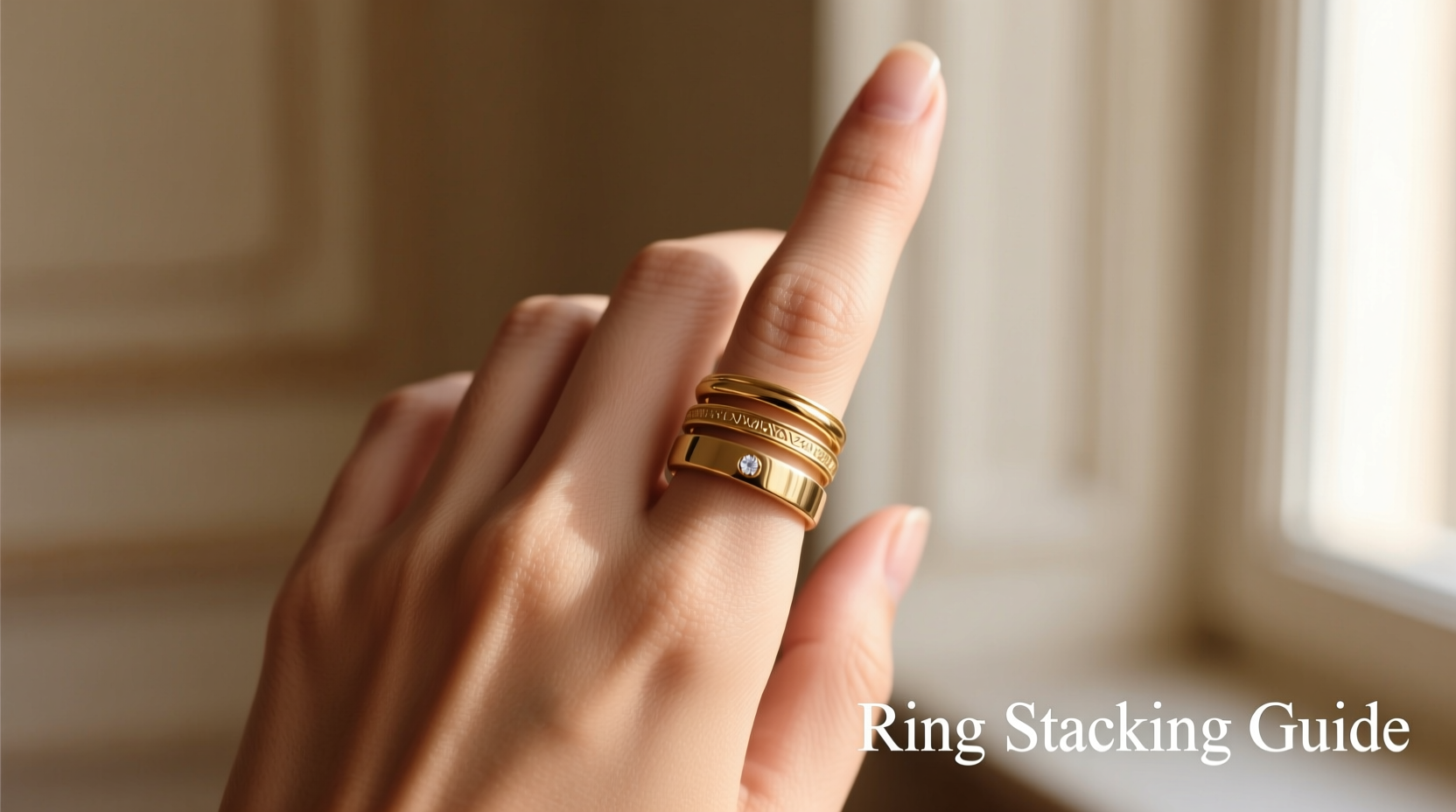
Ring stacking isn’t just about piling on accessories—it’s intentional styling. When placing two rings on one finger, consider them as a cohesive unit rather than separate pieces. The goal is harmony: visual flow, comfort, and aesthetic alignment.
The most common fingers used for double stacking are the ring finger and index finger, though the middle and pinky fingers also offer unique opportunities depending on hand shape and personal taste. Each finger carries different symbolic weight—wearing stacked rings on the ring finger may suggest romance or commitment, while the index finger often conveys power and individuality.
Before selecting your pair, assess your finger width, length, and knuckle size. Thinner fingers benefit from delicate bands, while broader fingers can carry bolder designs. Also, keep in mind that metal expansion occurs with temperature changes; ensure both rings fit comfortably over the knuckle and sit securely once worn.
Tip: Always try on stacked rings at the end of the day when fingers are slightly swollen to avoid tight fits.Design Principles for Stylish Pairings
Successful stacking hinges on thoughtful design choices. Here are core principles to guide your selection:
- Proportion Balance: Pair a thicker band with a thinner one to create contrast without overwhelming the finger.
- Material Harmony: Mix metals like gold and silver thoughtfully, or stick to one tone for a clean, unified appearance.
- Texture Contrast: Combine smooth polished bands with textured, hammered, or engraved styles for visual interest.
- Design Continuity: Choose rings that share a motif—such as floral engraving, geometric patterns, or milgrain detailing—for cohesion.
- Spacing Strategy: Decide whether to wear rings touching each other or with a small gap. Touching creates a “band set” effect; spacing allows each piece to stand out.
For example, pairing a simple platinum solitaire band with a slim rose gold eternity band introduces color contrast and sparkle while maintaining elegance. Alternatively, stacking two vintage-inspired twisted wire bands on the middle finger evokes a romantic, artisanal vibe.
“Stacking is not about quantity—it's about curation. Two well-chosen rings can say more than five randomly assembled ones.” — Lila Monroe, Jewelry Stylist & Editor, *Gloss & Gold Magazine*
Popular Stacking Combinations and When to Wear Them
Different occasions call for different levels of jewelry expression. Below are four curated combinations suitable for various settings, along with guidance on where and how to wear them.
| Combination | Best For | Wear On | Style Notes |
|---|---|---|---|
| Thin diamond band + plain metal band (same metal) | Weddings, formal events | Ring finger | Creates a bridal stack; ideal for engagement and wedding ring layering |
| Mixed metals: brushed gold + polished silver | Casual outings, creative workplaces | Index or middle finger | Adds edge and modern flair; works well with neutral outfits |
| Vintage signet ring + thin engraved band | Evening events, dinners | Pinky or ring finger | Exudes heritage charm; great for storytelling through jewelry |
| Textured band + minimalist thin band | Daily wear, office settings | Any finger except thumb | Subtle texture adds depth without drawing excessive attention |
Real-Life Example: Maya’s Signature Stack
Maya, a graphic designer based in Portland, wanted to express her artistic identity without overpowering her professional attire. She chose two rings for her right ring finger: a matte-finish recycled silver band with an asymmetrical wave pattern and a delicate 14k yellow gold band featuring tiny star engravings. Worn together, they represent her love for nature and creativity. She places them side by side, allowing the textures to contrast yet complement each other. Colleagues often compliment her hands, and she finds the stack inspires conversation during client meetings. Her tip? “I only wear them when I feel like expressing myself—I don’t force the look.”
Step-by-Step Guide to Building Your Double Stack
Follow this five-step process to build a personalized, flattering two-ring combination:
- Assess Your Wardrobe Palette: Determine which metals naturally complement your clothing. If you wear mostly cool tones (blues, grays, blacks), silver or white gold may suit you best. Warm tones (browns, creams, reds) pair well with yellow or rose gold.
- Choose a Base Ring: Start with one ring you already love or plan to wear long-term. This becomes your anchor piece—perhaps a family heirloom, engagement ring, or favorite everyday band.
- Select a Companion Ring: Look for a second ring that enhances the first. It might echo its shape, contrast its texture, or frame it visually. Try slipping it on above or below the base ring to test visual balance.
- Test Comfort and Movement: Wear the pair for several hours. Check if they rotate, pinch, or catch on fabric. Adjust order or spacing if needed. Some people prefer the wider ring closer to the knuckle for stability.
- Finalize Placement: Decide whether to wear the stack on your dominant or non-dominant hand, and which finger makes the strongest statement. Photograph your hand from different angles to see how light plays off the metals and stones.
Avoiding Common Mistakes
Even experienced jewelry wearers can misstep when stacking. Awareness helps prevent awkward fits or clashing aesthetics.
- Overcrowding: Two rings per finger is ideal. Adding a third can make the finger look bulky unless all three are extremely thin.
- Mismatched Sizing: Rings that are too loose will spin; too tight causes discomfort and swelling. Consider professional resizing if needed.
- Ignoring Hand Proportions: Petite hands may be overwhelmed by wide or heavily embellished rings. Opt for slimmer profiles.
- Clashing Metals Without Intent: Mixing gold and silver can work, but do so deliberately. Avoid combining high-polish and brushed finishes haphazardly.
- Forgetting Function: If you type frequently or work with your hands, avoid protruding stones or sharp edges that could snag or break.
“I once saw a client stack three thick gemstone rings on one finger—they looked stunning in photos but caused nerve irritation after a few hours. Beauty should never compromise comfort.” — Rafael Torres, Master Jeweler, New York City
Frequently Asked Questions
Can I mix gold and silver rings on the same finger?
Yes, but do it intentionally. Modern styling embraces mixed metals, especially when balanced across both hands. To avoid chaos, limit mixed-metal stacking to one or two fingers and keep the rest of your jewelry coordinated. Using a rose gold band as a bridge between warm and cool tones can help harmonize the look.
Is it okay to stack rings on any finger?
Absolutely. While tradition assigns meaning to certain fingers (e.g., ring finger for marriage), contemporary fashion encourages self-expression. The index finger projects authority, the middle finger offers symmetry, the pinky adds subtlety, and even the thumb—though less common—can hold a bold signet or wrap ring. Just ensure the scale matches the finger’s proportions.
How do I clean and maintain stacked rings?
Clean them regularly using a soft toothbrush and mild soap solution. Remove the rings before swimming, cleaning, or applying lotions to prevent buildup and damage. Store them flat in a lined jewelry box when not in use to avoid scratches. If rings rub against each other daily, have a jeweler add a protective coating or consider rotating wear days.
Checklist: Creating Your Perfect Two-Ring Stack
Use this checklist before finalizing your stack:
- ✅ Measure your finger size accurately (preferably at a jewelry store)
- ✅ Choose a base ring that holds personal or aesthetic significance
- ✅ Select a companion ring that complements in tone, texture, or theme
- ✅ Test the pair for comfort and movement throughout the day
- ✅ Evaluate the look in natural light and from multiple angles
- ✅ Ensure the stack aligns with your lifestyle (work, hobbies, habits)
- ✅ Confirm metal compatibility and maintenance needs
Conclusion: Make Your Statement with Confidence
Wearing two rings on one finger is more than a trend—it’s a form of personal storytelling. Whether you’re honoring tradition, embracing modern minimalism, or channeling bold eclecticism, the way you stack speaks volumes. With attention to proportion, material, and intention, your double ring combination can become a defining detail of your style.
Don’t be afraid to experiment. Swap positions, try different fingers, or adjust pairings with the seasons. Jewelry is meant to be lived in, not locked away. Start with two rings that resonate with you, wear them with purpose, and let your hands do the talking.
💬 What’s your go-to ring stack? Share your favorite combination or styling tip in the comments and inspire others to embrace intentional accessorizing!








