
More dog owners are turning to raw diets in pursuit of healthier pets—glossy coats, cleaner teeth, and more energy. But behind the glowing testimonials lies a serious concern: bacterial contamination, especially from pathogens like Salmonella and Listeria. While many celebrate the visible improvements in their dogs’ appearance and vitality, public health experts warn that the risks extend beyond the pet to the entire household. So, is the allure of a shiny coat worth potentially exposing your family to dangerous bacteria?
This isn't just about personal preference. It's a decision grounded in science, safety, and responsibility. Understanding both sides—the nutritional appeal of raw feeding and the real-world consequences of pathogen exposure—is essential for any conscientious pet owner.
The Allure of the Raw Diet: What Owners See
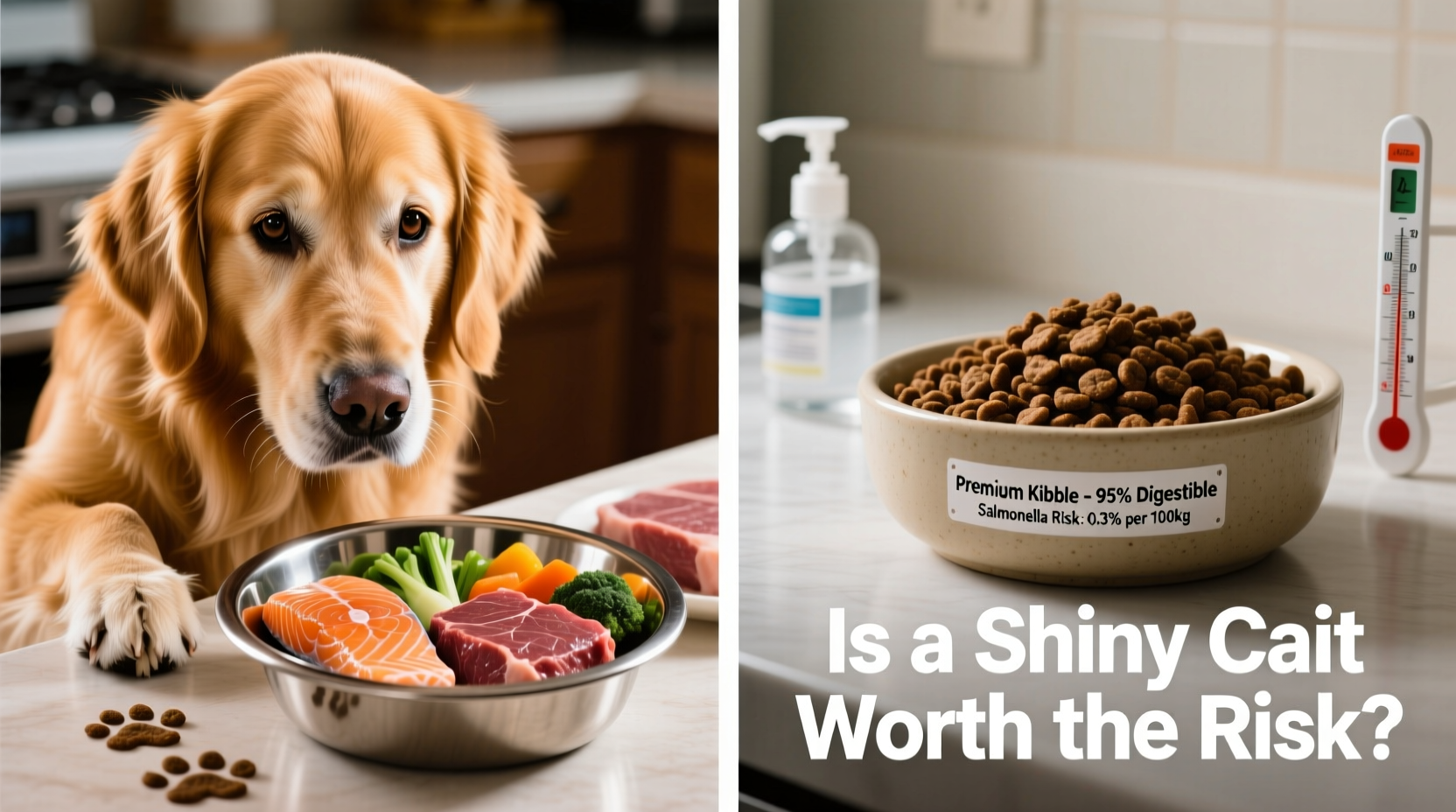
Proponents of raw feeding often report dramatic changes within weeks: reduced shedding, brighter eyes, improved breath, and increased stamina. These observations aren’t purely anecdotal. High-quality animal proteins, unprocessed fats, and fresh bones can contribute to better skin and coat condition because they deliver nutrients in forms closer to what dogs evolved to consume.
A typical raw diet includes muscle meat, organ meats (like liver and kidney), raw bones, eggs, and sometimes vegetables or supplements. Advocates argue this mimics the ancestral diet of canines before commercial pet food existed. Unlike kibble, which undergoes high-heat processing that can degrade certain vitamins and amino acids, raw food preserves natural enzymes and bioavailable nutrients.
Tip: If transitioning to raw, do so gradually over 7–10 days to avoid digestive upset.Many also claim reduced stool volume and odor, fewer ear infections, and even resolution of chronic skin allergies. For some dogs with sensitivities to grains or processed ingredients, these benefits may be genuine. However, visible improvements don’t automatically equate to overall safety—or long-term health gains.
The Hidden Hazard: Bacterial Contamination in Raw Diets
Raw meat, regardless of source, carries inherent microbial risks. According to the U.S. Food and Drug Administration (FDA), raw pet foods are significantly more likely than kibble to be contaminated with Salmonella, Listeria monocytogenes, and E. coli. In one FDA study, nearly 10% of raw pet food samples tested positive for Salmonella, compared to less than 1% of dry kibble.
These pathogens don’t just threaten dogs—they pose a direct danger to humans through cross-contamination. Handling raw food, cleaning bowls, or even being licked by a dog after eating raw meat can transfer bacteria into homes. Children, elderly individuals, pregnant women, and immunocompromised people are especially vulnerable.
“Feeding raw diets increases the risk of zoonotic disease transmission. The clinical signs in pets might be mild, but humans in the same household can become seriously ill.” — Dr. Jason Bramble, DVM, Board-Certified Veterinary Nutritionist
Dogs themselves may carry Salmonella without showing symptoms, becoming silent shedders. This means they can contaminate floors, furniture, and toys while appearing perfectly healthy. A 2020 study published in *Veterinary Record* found that households feeding raw diets had higher rates of pathogenic shedding in pets and environmental contamination in kitchens.
Raw vs Kibble: A Side-by-Side Comparison
| Factor | Raw Diet | Kibble |
|---|---|---|
| Nutrient Bioavailability | High – minimal processing preserves enzymes and amino acids | Moderate – heat can degrade sensitive nutrients |
| Bacterial Risk | High – frequent contamination with Salmonella, Listeria | Low – heat-treated during extrusion |
| Convenience | Low – requires storage, thawing, careful handling | High – easy to store, measure, and serve |
| Dental Health | Mixed – chewing bones may clean teeth but can fracture them | Good – specially formulated kibbles can reduce plaque |
| Cost | High – $5–$10 per day depending on size | Low to moderate – $1–$3 per day |
| Regulatory Oversight | Limited – many brands lack AAFCO feeding trials | Strong – must meet AAFCO nutrient profiles |
A Real-Life Scenario: When Enthusiasm Meets Consequences
Sarah, a dog owner in Portland, switched her two-year-old Border Collie, Max, to a raw diet after seeing influencer posts praising its effects. Within three weeks, Max’s coat was noticeably shinier, and his chronic ear infections seemed to clear up. Encouraged, she began preparing meals at home using ground turkey, beef heart, and raw chicken necks.
Two months later, her six-year-old son developed a high fever and severe diarrhea. He was hospitalized and diagnosed with multidrug-resistant Salmonella Typhimurium. Tracing the source, public health officials isolated the same strain from Max’s feces and from leftover raw food stored in the refrigerator. Despite Sarah’s efforts to wash hands and sanitize surfaces, cross-contamination had occurred—likely via Max licking her son’s face after eating.
No one died, but the emotional and financial toll was significant. Sarah stopped feeding raw immediately and now uses a vet-formulated limited-ingredient kibble. “I didn’t realize I was gambling with my child’s health,” she said. “The coat looked great, but it wasn’t worth it.”
Can You Mitigate the Risks? A Step-by-Step Safety Guide
If you’re committed to feeding raw, strict hygiene protocols are non-negotiable. Follow these steps to minimize risk to both pets and people:
- Source responsibly: Purchase raw diets from reputable companies that test for pathogens and follow good manufacturing practices. Look for brands that publish third-party lab results.
- Store safely: Keep raw food frozen until use. Thaw in the refrigerator—not on the counter—and never refreeze once thawed.
- Use dedicated equipment: Have separate cutting boards, bowls, and utensils for pet food. Never prepare raw pet food on surfaces used for human meals.
- Clean thoroughly: Wash all surfaces, bowls, and hands with hot, soapy water after handling raw food. Use a bleach solution (1 tablespoon per gallon of water) for disinfecting.
- Dispose of waste properly: Pick up feces promptly and dispose of it in sealed bags. Assume all waste from raw-fed dogs is potentially infectious.
- Prevent licks: Avoid letting your dog lick your face or open wounds, especially right after eating.
- Monitor your dog: Schedule regular stool tests with your vet to check for pathogen shedding, even if your dog appears healthy.
Expert Consensus and Regulatory Warnings
Major veterinary and public health organizations have issued warnings about raw feeding. The American Veterinary Medical Association (AVMA) discourages raw diets due to the risk of foodborne illness. Similarly, the Centers for Disease Control and Prevention (CDC) advises against feeding raw diets, particularly in homes with young children or immune-compromised individuals.
Nutritionally, concerns go beyond bacteria. Homemade raw diets often lack balance. A 2019 study in *PLOS ONE* analyzed over 90 homemade raw recipes and found that 95% were deficient or excessive in at least one essential nutrient. Calcium-to-phosphorus ratios were frequently off, risking skeletal issues in growing puppies. Without professional guidance, even well-intentioned feeding can lead to long-term harm.
“Owners see the shiny coat and assume the dog is healthier. But malnutrition and bacterial infection don’t always show up immediately. By the time problems appear, damage may already be done.” — Dr. Cailin Heinze, MS, Veterinary Nutritionist, Tufts University
Frequently Asked Questions
Is a raw diet better for dogs with allergies?
Some dogs with specific protein sensitivities may benefit from a novel-protein raw diet (e.g., kangaroo or venison). However, the same allergen control can be achieved with hydrolyzed or limited-ingredient kibble—without the bacterial risks. Always consult your vet before making dietary changes for medical reasons.
Can I feed raw food if I’m extremely careful?
You can reduce risk with rigorous hygiene, but you cannot eliminate it entirely. Even HPP-treated raw food isn’t 100% pathogen-free. Cross-contamination remains possible, and asymptomatic shedding in pets makes ongoing monitoring essential.
Does kibble really cause dull coats?
Not inherently. Many high-quality kibbles contain omega-3 and omega-6 fatty acids, biotin, and vitamin E—all crucial for skin and coat health. A dull coat is more often linked to poor nutrition, underlying illness, or low-quality ingredients, not the form of food itself.
Action Plan: Making an Informed Decision
Choosing between raw and kibble shouldn’t be driven by trends or aesthetics alone. Consider this checklist before committing to raw feeding:
- ✅ Do I have young children, elderly family members, or anyone with a weakened immune system at home?
- ✅ Am I prepared to follow strict food safety protocols every single day?
- ✅ Have I consulted a board-certified veterinary nutritionist to ensure nutritional adequacy?
- ✅ Am I sourcing from a reputable brand that tests for pathogens?
- ✅ Am I willing to conduct regular stool testing for Salmonella and other bacteria?
- ✅ Have I weighed the minor cosmetic benefits against potential health risks?
If most answers are “no,” kibble—especially a premium, species-appropriate formula—may be the safer, more responsible choice. Advances in pet nutrition mean today’s top-tier kibbles offer excellent digestibility, palatability, and support for skin and coat health without the hazards of raw meat.
Conclusion: Prioritizing Health Over Aesthetics
A shiny coat is a desirable trait, but it should never come at the cost of public health or household safety. While raw diets can produce visible improvements, those benefits are often superficial when weighed against the documented risks of bacterial contamination and nutritional imbalance. Kibble, despite its reputation among some raw advocates as “processed junk,” has undergone decades of refinement and scientific validation.
The best diet for your dog is one that supports long-term wellness, minimizes risk, and fits your lifestyle. That doesn’t require grinding bones or freezing trays of raw meat. It requires thoughtful selection, veterinary guidance, and a commitment to safety.
💬 Your dog’s health matters—so does your family’s. Share this article to help others understand the real trade-offs of raw feeding. Have questions or experiences to share? Join the conversation below.