When shopping for a new necklace, the decision often comes down to budget versus longevity. You’ve probably seen both “non-tarnish” and “silver-plated” options in online stores and boutiques, priced differently and marketed with bold claims. But what do these terms actually mean? And more importantly, does paying more for non-tarnish jewelry translate into real-world value? Understanding the materials, construction, maintenance, and long-term performance can help you decide whether the higher price tag is justified—or just clever marketing.
Understanding the Basics: What Are Non-Tarnish and Silver-Plated Necklaces?
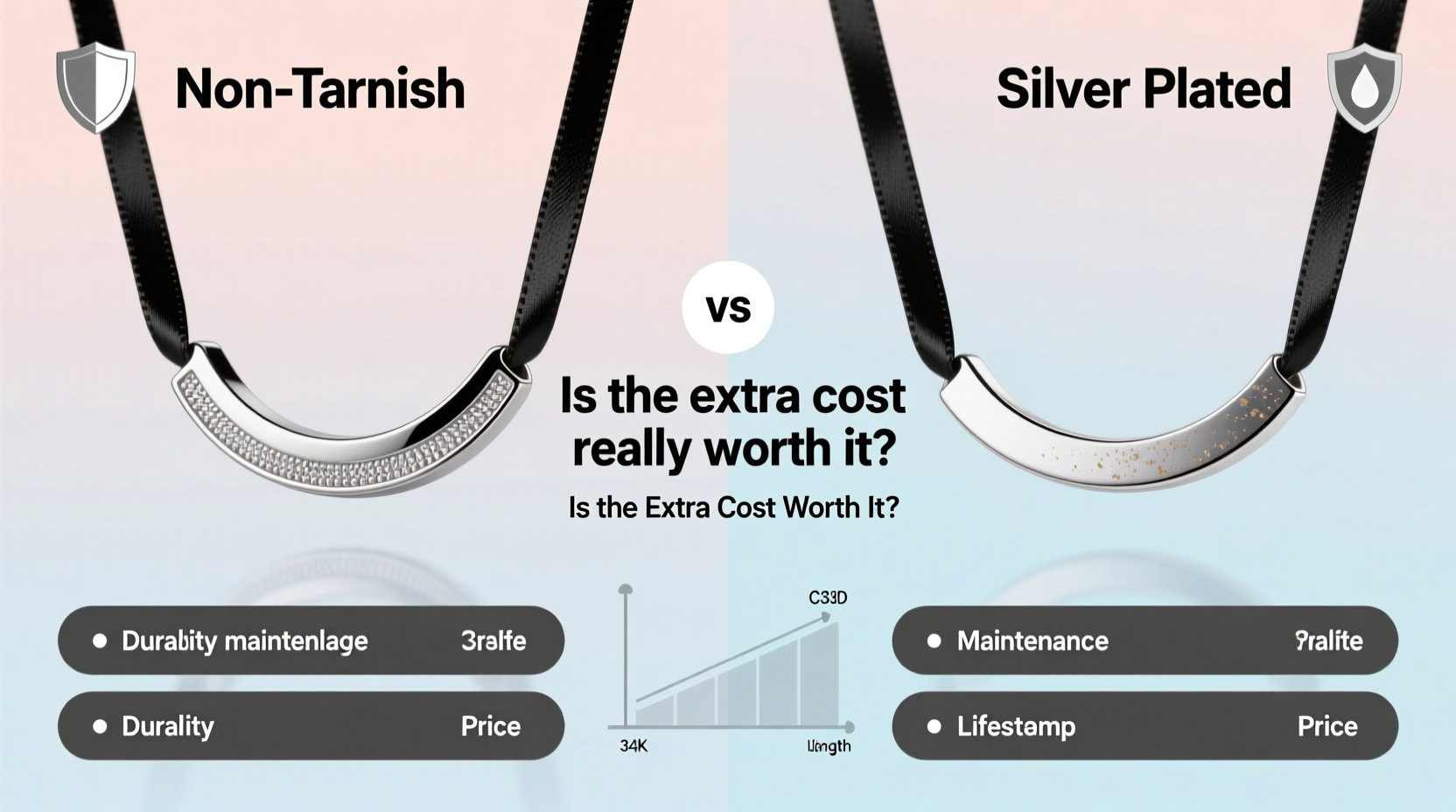
The confusion starts with terminology. “Silver-plated” refers to a base metal—often brass, copper, or stainless steel—coated with a thin layer of sterling silver. This plating can range from 0.5 to 2.5 microns thick. While it gives the appearance of real silver, it’s not solid. Over time, especially with exposure to moisture, sweat, and chemicals, the outer layer wears off, revealing the base metal underneath.
“Non-tarnish,” on the other hand, isn’t a material—it’s a performance claim. Jewelry labeled as non-tarnish typically uses either tarnish-resistant alloys (like surgical-grade stainless steel or titanium) or is coated with protective layers such as rhodium, PVD (physical vapor deposition), or lacquer. These treatments prevent oxidation and discoloration, but they aren’t indestructible. The term can be misleading if not backed by specific material details.
“Many brands use ‘non-tarnish’ as a buzzword without disclosing the underlying materials. Always check what the base metal is and how the protection is applied.” — Lena Torres, Jewelry Materials Analyst
Material Comparison: Performance and Longevity
To evaluate whether the extra cost is worth it, consider how each type performs over time under typical wear conditions. Below is a comparison of key factors:
| Feature | Silver-Plated Necklace | Non-Tarnish Necklace |
|---|---|---|
| Base Material | Brass, copper, or alloy | Stainless steel, titanium, or anti-corrosive alloy |
| Surface Coating | Thin layer of silver (0.5–2.5 microns) | Rhodium, PVD, or clear lacquer |
| Tarnish Resistance | Low – tarnishes within weeks to months | High – resists tarnish for years |
| Durability | Fair – coating wears with friction | Excellent – resistant to scratches and corrosion |
| Hypoallergenic Quality | Poor – may cause reactions due to base metals | Good – especially if made with surgical steel |
| Average Lifespan (with daily wear) | 6–18 months | 3–7 years |
| Price Range (mid-tier market) | $15–$40 | $35–$90 |
The data shows a clear trade-off: silver-plated necklaces are cheaper upfront but degrade faster. Non-tarnish alternatives cost more initially but offer longer service life and less maintenance.
Tip: If you live in a humid climate or frequently swim or exercise while wearing jewelry, non-tarnish materials will save you replacement costs over time.Real-World Example: Two Years of Wear Compared
Consider Sarah, a marketing professional who wears jewelry daily. She bought two nearly identical pendant necklaces: one silver-plated ($28), the other labeled “non-tarnish” with a stainless steel base and rhodium finish ($65). Both were worn 4–5 times per week.
After six months, the silver-plated necklace began showing dark spots near the clasp and chain links. By month ten, the plating had visibly worn off in high-friction areas, turning greenish where it touched her skin. She stopped wearing it regularly by month 14.
The non-tarnish necklace, however, looked almost new after 18 months. It survived beach vacations, gym sessions, and occasional contact with perfume. At the two-year mark, it still retained its shine with only minor surface scratches from abrasion.
Sarah ended up buying two silver-plated replacements during that period, spending $56 total—still less than the initial non-tarnish option, but with noticeably lower satisfaction and consistency in appearance.
Care Requirements: Maintenance That Makes a Difference
One reason non-tarnish jewelry lasts longer is not just the material, but how little it demands in upkeep. Silver-plated pieces require careful handling:
- Remove before showering, swimming, or applying lotions.
- Wipe gently with a dry microfiber cloth after each wear.
- Store separately in anti-tarnish pouches.
- Avoid polishing cloths designed for solid silver—they can strip the plating.
In contrast, non-tarnish necklaces tolerate much more. Stainless steel or titanium-based designs can often be rinsed with mild soap and water. They don’t react to humidity and resist common irritants like chlorine and saltwater.
“I recommend non-tarnish options for anyone with an active lifestyle. They’re not just durable—they’re low-stress.” — Dr. Mark Chen, Dermatologist specializing in contact allergies
Step-by-Step Guide to Extending Any Necklace’s Life
Regardless of type, proper care extends lifespan. Follow this routine:
- Remove before exposure: Take off jewelry before bathing, swimming, or using skincare products.
- Wipe after wear: Use a soft, dry cloth to remove oils and moisture.
- Store properly: Hang chains or lay flat in a lined jewelry box; avoid tangling.
- Clean monthly: For non-tarnish: mild soap and water. For silver-plated: only dry cloth—no liquid cleaning.
- Inspect clasps: Check for looseness every few months to prevent loss.
Is the Extra Cost Worth It? A Value Breakdown
Let’s assess true cost over time. Suppose you buy a silver-plated necklace for $30. With average wear, it lasts about a year. To maintain consistent use, you’d need to replace it every 12–18 months. Over five years, that’s 3–4 purchases, totaling $90–$120.
A $65 non-tarnish necklace lasting five years costs $13 per year. Even if it needs light polishing or minor repair at year four, the total ownership cost remains below $80.
Beyond money, consider convenience and confidence. Non-tarnish jewelry doesn’t turn your skin green, fade mid-day, or require constant vigilance. For professionals, travelers, or those with sensitive skin, this reliability has intangible value.
Tip: Look for non-tarnish necklaces made with 316L surgical stainless steel—it’s marine-grade, hypoallergenic, and highly resistant to corrosion.FAQ: Common Questions Answered
Can I wear a non-tarnish necklace in the shower?
Yes, most non-tarnish necklaces made from stainless steel or titanium can handle water exposure. However, repeated contact with soaps and shampoos may dull the finish over time. It’s safe, but drying it afterward prolongs shine.
Does “non-tarnish” mean it never fades?
No coating or alloy is completely immune to wear. Non-tarnish means highly resistant—not permanent. Physical damage, abrasive surfaces, and harsh chemicals can still degrade even the best finishes, though much slower than silver plating.
Are non-tarnish necklaces suitable for sensitive skin?
Generally, yes—especially if made from surgical stainless steel or titanium. These materials are nickel-free or nickel-stable, reducing allergy risks. Avoid pieces with undisclosed base metals or cheap platings over reactive alloys.
Final Verdict: When to Choose Which
If you're looking for a temporary accessory for a special event or rotating fashion piece, a silver-plated necklace offers affordability and aesthetic appeal. Just accept that it won’t last long and requires careful handling.
But if you want a staple piece—a daily-wear pendant, a gift meant to last, or something for an active lifestyle—the extra investment in a non-tarnish necklace pays off. You gain durability, reduced maintenance, better skin compatibility, and long-term savings despite the higher sticker price.
Checklist: Choosing the Right Necklace
- ✅ Identify the base metal—avoid unspecified “alloys.”
- ✅ Confirm tarnish-resistant treatment (e.g., rhodium, PVD).
- ✅ Check for hypoallergenic certification if you have sensitive skin.
- ✅ Consider your lifestyle—active use favors non-tarnish.
- ✅ Read reviews focused on longevity, not just appearance.
- ✅ Verify return policy in case of early tarnishing or defects.
Conclusion
The difference between non-tarnish and silver-plated necklaces isn’t just about shine—it’s about sustainability, comfort, and smart spending. While silver-plated options win on initial price, non-tarnish alternatives deliver superior value over time. Whether you prioritize health, convenience, or long-term aesthetics, choosing based on material integrity rather than short-term savings leads to better outcomes. Next time you shop, look beyond the label and ask: not “how much does it cost?” but “how much will it cost me in the long run?” Make the choice that aligns with how you live—and wear it with confidence.
💬 Have experience with either type? Share your story or tips in the comments—your insight could help others make smarter jewelry choices!