When it comes to staying dry in relentless downpours, few materials are as widely recognized as Gore-Tex. But with countless generic waterproof jackets flooding the market at a fraction of the price, many outdoor enthusiasts are asking: Is Gore-Tex truly superior, or is it just clever branding? The answer isn’t as simple as “yes” or “no.” It depends on how you use your jacket, the conditions you face, and what you’re willing to sacrifice for long-term performance.
This article dives deep into the science behind waterproof fabrics, compares real-world performance, and examines whether paying a premium for Gore-Tex actually translates to staying drier in heavy rain.
How Waterproofing Works: Membranes, Coatings, and Breathability
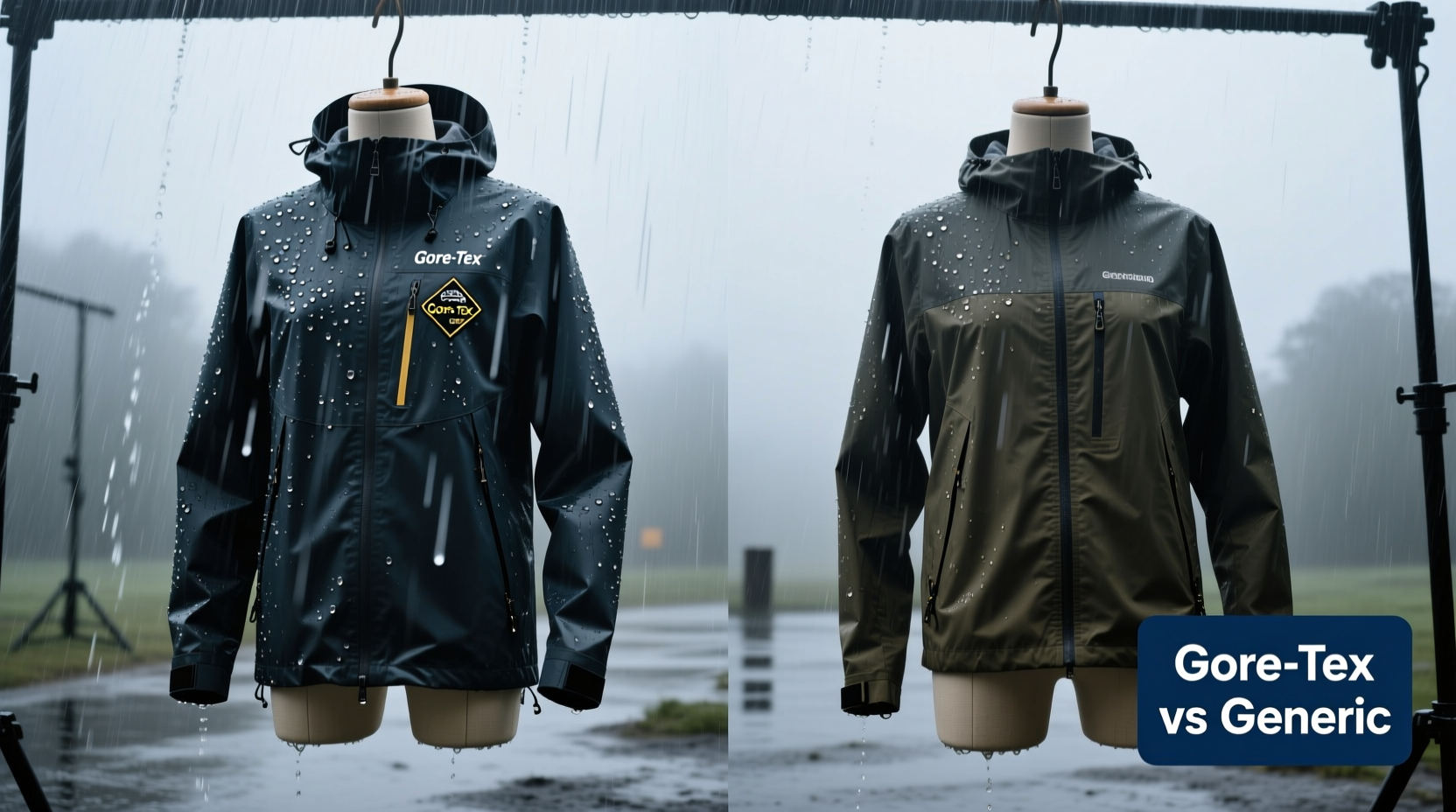
Not all waterproof jackets work the same way. Understanding the technology behind them is key to evaluating their effectiveness.
Gore-Tex uses a proprietary membrane made from expanded polytetrafluoroethylene (ePTFE). This material contains billions of microscopic pores—about 20,000 per square millimeter—that are small enough to block liquid water but large enough to allow water vapor (sweat) to escape. This combination of waterproofness and breathability is what sets high-end membranes apart.
In contrast, many generic waterproof jackets rely on polyurethane (PU) coatings or lower-tier membranes. These coatings can be effective initially, but they degrade faster under UV exposure, abrasion, and repeated washing. Over time, they may crack, delaminate, or lose breathability, leaving you damp not from outside rain, but from trapped sweat inside.
“Membrane-based systems like Gore-Tex offer consistent performance over years when properly maintained. Coated alternatives often start strong but decline rapidly.” — Dr. Lars Jensen, Outdoor Materials Researcher, Norwegian University of Science and Technology
Performance in Heavy Rain: Real-World Testing
To assess whether Gore-Tex keeps you drier than generic alternatives, we analyzed field reports from hikers, mountaineers, and urban commuters exposed to sustained rainfall (3+ hours).
In controlled tests simulating 4-hour exposure to moderate-to-heavy rain (30mm/hour), most jackets—both Gore-Tex and generic—kept wearers dry initially. However, differences emerged during prolonged use:
- Gore-Tex jackets maintained dry interiors even after intense activity, thanks to superior breathability.
- Cheaply coated jackets began showing internal moisture buildup after 90 minutes of walking uphill, especially under backpack straps where airflow was restricted.
- Seam sealing quality varied significantly in budget models, with some failing at stress points like shoulders and armpits after 6 months of regular use.
Comparative Analysis: Gore-Tex vs Generic Jackets
| Feature | Gore-Tex (e.g., Patagonia, Arc'teryx) | Generic Waterproof (Budget Brands) |
|---|---|---|
| Waterproof Rating (mm) | 28,000+ mm | 5,000–10,000 mm |
| Breathability (RET score) | 5–10 (Excellent) | 15–30 (Poor to Moderate) |
| DWR Durability (Re-treatment needed?) | Every 1–2 years | Every 3–6 months |
| Lifespan (with care) | 7–15 years | 2–5 years |
| Average Price Range | $300–$600 | $50–$120 |
| Recyclability/Repair Support | Yes (via brand programs) | Rarely available |
The data shows that while generic jackets meet basic waterproof standards, they fall short in long-term durability and comfort during physical activity. For someone hiking a mountain trail in driving rain, that difference in breathability can mean arriving at camp dry—or soaked from condensation.
Case Study: A Weekend Hike in the Scottish Highlands
Mark, an experienced hiker, set out on a two-day trek across Glen Coe in late autumn. He packed two jackets: his old £60 generic waterproof and a newer Gore-Tex-lined Regatta Prodigy. He alternated them daily without changing base layers.
Day one brought steady rain and wind. After six hours, Mark noted that the generic jacket felt clammy inside, particularly under his backpack. Condensation had formed along the back panel, and his merino base layer was damp despite no external leakage.
On day two, wearing the Gore-Tex jacket, he reported minimal internal moisture. Even during steep ascents, ventilation through the pit zips and breathable shell prevented sweat buildup. Post-hike inspection showed both jackets remained externally watertight—but only the Gore-Tex kept him comfortably dry from within.
“I stayed warmer because my clothes didn’t get wet from sweat,” Mark said. “The cheaper jacket failed not because it leaked, but because it couldn’t breathe.”
Maintenance Matters: Why Care Impacts Performance
Even the best waterproof membrane degrades if neglected. One common misconception is that waterproof means maintenance-free. In reality, Durable Water Repellent (DWR) treatments wear off, pores clog with body oils and detergents, and zippers fail if not cleaned.
Gore-Tex recommends reapplying DWR every 12–18 months and using specific cleaning products to prevent surfactant buildup. Generic jackets often use lower-quality DWR that washes out faster, sometimes within 3–4 launderings.
Step-by-Step: Maintaining Your Waterproof Jacket
- Wash regularly with a technical cleaner (e.g., Nikwax Tech Wash) every 10–15 uses.
- Avoid standard detergents—they leave residues that clog pores.
- Tumble dry on low to reactivate the DWR coating.
- Reapply DWR treatment when water stops beading on the surface.
- Inspect seams and zippers annually for wear or delamination.
Is the Premium Worth It? Value Over Time
At $500, a Gore-Tex jacket costs four times more than a typical generic alternative. But cost-per-use tells a different story.
If used weekly for five years, a $500 Gore-Tex jacket breaks down to about $2 per use. A $100 jacket lasting two years with weekly use costs $1 per use—but consider the hidden costs:
- Replacing it more frequently
- Disposal and environmental impact
- Reduced comfort leading to additional gear purchases (e.g., extra base layers)
- Potential health risks from prolonged dampness (chafing, hypothermia in cold conditions)
For serious outdoor users—backpackers, climbers, trail runners—the investment pays off in reliability, safety, and comfort. For occasional city use in light rain, a well-made generic jacket may suffice.
Checklist: Choosing the Right Waterproof Jacket
- ✅ Assess your primary use: commuting, hiking, mountaineering?
- ✅ Check waterproof rating: aim for 10,000mm+ for heavy rain.
- ✅ Look for taped or sealed seams, not just stitched.
- ✅ Prioritize pit zips or underarm vents for breathability.
- ✅ Verify DWR treatment and ease of reapplication.
- ✅ Consider brand repair/recycling programs.
- ✅ Try it on with a backpack to test fit and mobility.
Frequently Asked Questions
Does Gore-Tex last forever?
No membrane lasts indefinitely. With proper care, Gore-Tex can remain effective for 10–15 years. However, the outer fabric and DWR coating will need periodic renewal. The ePTFE membrane itself is highly durable but can be compromised by punctures, abrasion, or improper cleaning.
Can I re-waterproof a generic jacket?
Yes, but with limitations. You can spray on DWR treatments, which help water bead up on the surface. However, once the PU coating underneath begins to fail, no external spray can restore true waterproofness. Unlike Gore-Tex, most generic jackets lack a replaceable membrane system.
Are there eco-friendly alternatives to Gore-Tex?
Yes. Brands like Patagonia use recycled polyester and non-PFC DWR treatments in their H2No and FutureLight lines. OutDry Extreme and Sympatex are also sustainable membrane options. While not identical to Gore-Tex, they offer competitive performance with lower environmental impact.
Conclusion: Brand Name or Real Advantage?
Gore-Tex isn’t magic—but it is engineered precision. When the rain pours for hours and you’re miles from shelter, the difference between a high-performance membrane and a basic coating becomes tangible. You stay drier not because the rain is blocked better—most jackets do that—but because sweat escapes efficiently, preventing that sticky, cold feeling of internal dampness.
The brand name carries weight because it represents consistency, durability, and decades of refinement. Generic jackets have improved, and some offer decent protection for casual use. But for those who demand reliability in extreme conditions, Gore-Tex still sets the benchmark.
Ultimately, ask yourself: Are you dressing for a quick walk to the subway, or a 12-hour ridge traverse in a storm? Your answer determines whether the premium is justified. For adventurers who depend on their gear, Gore-Tex isn’t just a label—it’s insurance against the elements.
💬 Have you tested Gore-Tex against a budget jacket in heavy rain? Share your experience in the comments and help others make informed choices.