
Traveling should be about discovery, not disarray. Yet too often, even experienced travelers find themselves wrestling with overstuffed suitcases, misplaced essentials, or last-minute packing panic. The solution? A well-chosen three piece travel bag set—typically consisting of a carry-on, a medium checked suitcase, and a personal under-seat bag—can transform your journey from chaotic to seamless. But owning the right set is only half the battle. True mastery comes from how you use it.
When thoughtfully packed and strategically managed, a three piece set offers unmatched flexibility. It allows you to adapt to different trip lengths, airline policies, and destinations without sacrificing comfort or organization. This guide walks through proven methods to maximize your travel gear, minimize stress, and keep your belongings secure and accessible no matter where you go.
Choose the Right Set for Your Travel Style
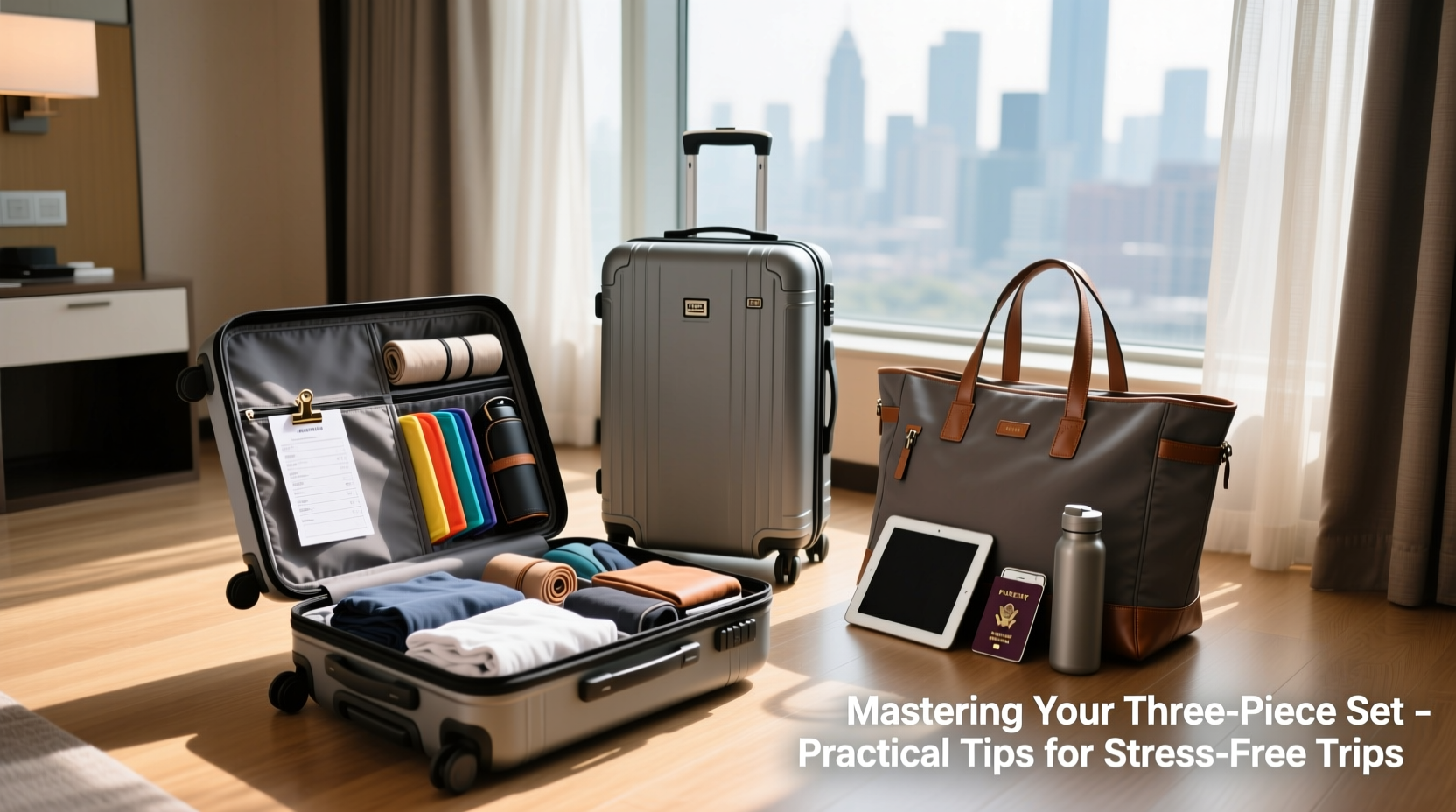
Not all three piece sets are created equal. Before diving into packing strategies, ensure your luggage aligns with your typical travel patterns. Materials, dimensions, wheel types, and internal layout all influence performance.
| Bag Type | Ideal Use Case | Recommended Features |
|---|---|---|
| Carry-On (20–22\") | Short trips, business travel, international flights | Expandable zipper, TSA-approved lock, front-access laptop sleeve |
| Medium Checked (24–26\") | Week-long vacations, family trips | Durable polycarbonate shell, 360° spinner wheels, interior compression straps |
| Personal Item (Under-Seat Bag) | Documents, electronics, daily essentials | Water-resistant bottom, RFID-blocking pocket, fold-flat design |
Hard-shell cases offer better protection and water resistance, while soft-sided bags tend to be lighter and more flexible when stuffing at the last minute. Consider hybrid models if you want both durability and compressibility.
“Investing in a cohesive luggage set isn’t just about aesthetics—it’s about creating a system that works together seamlessly.” — Marcus Lin, Travel Gear Designer at Nomadix Labs
Organize by Function: Assign Roles to Each Bag
The real power of a three piece set lies in role specialization. Instead of treating each bag as generic storage, assign specific purposes based on accessibility and necessity.
- Under-seat bag: Holds items needed during transit—passport, boarding pass, phone charger, noise-canceling headphones, reading material, medication.
- Carry-on: Contains clothing for 2–3 days, toiletries (in compliant containers), valuables, and work materials.
- Checked medium suitcase: Stores bulkier items like extra shoes, souvenirs, non-essential electronics, and gifts.
This tiered approach reduces clutter and ensures that critical items remain within reach. It also streamlines airport navigation—you can stow the larger suitcase and move through security with just your carry-on and personal item.
Optimize Packing with the Roll-and-Segment Method
Packing efficiently isn’t just about fitting more in—it’s about preserving order and minimizing wrinkles. The roll-and-segment method combines space-saving techniques with intuitive access.
- Roll soft garments: T-shirts, pajamas, and knits roll tightly and resist creasing. Place them vertically in compartments like files in a drawer.
- Fold structured pieces: Blazers, button-downs, and dress shirts should be folded and placed flat, ideally between layers of rolled clothes for cushioning.
- Use packing cubes: Dedicate one cube per category—e.g., underwear, workout gear, formal wear. This prevents cross-contamination and speeds up unpacking.
- Segment by day: For longer trips, pack outfits by day using color-coded cubes. This eliminates decision fatigue and reduces over-packing.
Toiletries should always be stored in a clear, leak-proof bag with absorbent padding at the bottom. Keep liquids in containers under 100ml and grouped in a single quart-sized pouch for fast screening.
Real-World Example: A Business Traveler’s Weekend Trip
Sarah, a marketing executive based in Chicago, frequently travels to New York for client meetings. Her routine used to involve last-minute scrambles and forgotten adapters. After adopting a structured three piece system, her process changed dramatically.
She now uses her under-seat tote for her tablet, notebook, USB drive, and lip balm. Her carry-on holds two complete business-casual outfits (rolled), a collapsible garment folder for her blazer, and a compact toiletry kit. The medium suitcase stays checked and contains gym clothes, extra shoes, and a small gift for her client.
On return, she rolls clean laundry into fresh cubes, resets her toiletry bag, and stores everything in a closet rack. This consistency has cut her prep time in half and eliminated wardrobe emergencies.
Tip: Label each packing cube with a small tag indicating its contents. It makes repacking after laundry much faster.Pre-Trip Checklist: 7 Steps to Stress-Free Departure
Follow this checklist 24–48 hours before departure to ensure nothing is overlooked.
- Verify airline baggage size and weight limits.
- Charge all devices and pack chargers in your personal bag.
- Confirm passport, visa, and boarding passes are ready.
- Double-check medications and prescriptions.
- Wipe down high-touch surfaces (zippers, handles) with disinfectant.
- Lock zippers and set combination locks to default codes unless required otherwise.
- Weigh your bags at home to avoid surprise fees.
Many travelers overlook step seven until they’re at the airport. A simple digital scale costs under $15 and pays for itself in avoided overweight charges.
FAQ: Common Questions About Three Piece Luggage Sets
Can I bring all three bags on board?
Airlines typically allow one carry-on and one personal item. The third bag (medium suitcase) must be checked unless you have elite status or are flying a premium cabin. Always check your carrier’s policy before arrival.
How do I prevent my bags from looking identical at baggage claim?
Add distinct identifiers: a brightly colored luggage tag, ribbon, or unique strap. Some travelers use patterned tape or waterproof stickers to personalize hard shells without damaging them.
Is it worth investing in smart luggage features?
Built-in USB ports and GPS trackers can be useful, but weigh the benefits against potential hassles. Many airlines require removal of lithium batteries from smart bags, which negates charging functionality. Focus on structural quality first—smart features are bonuses, not essentials.
Maintain Longevity with Post-Trip Care
After returning home, don’t just shove your bags into the closet. A quick post-trip routine extends their life and keeps them ready for next time.
- Empty all compartments completely.
- Wipe down interiors with a damp cloth; let air dry open for 24 hours.
- Check wheels and zippers for debris or damage.
- Store in an upright position with slight ventilation—never sealed in plastic.
“Luggage maintenance is like car maintenance—if you skip the basics, small issues become expensive failures.” — Diego Ruiz, Airline Customer Experience Consultant
Conclusion: Turn Your Luggage Into a Travel System
A three piece travel bag set is more than a collection of suitcases—it’s a system designed to support smarter, calmer journeys. When you assign roles, pack intentionally, and maintain your gear, you shift from reacting to chaos to controlling your environment. That confidence changes how you experience travel.
Start implementing these strategies on your next trip. Refine them over time. Share what works with others. Because the best travel advice isn’t just about what you bring—it’s about how you think.
🚀 Ready to master your next journey? Pick one tip from this guide and apply it today—your future self will thank you at the airport.








