Coleslaw is one of those deceptively simple dishes that can elevate a meal or ruin it—depending on execution. A great slaw delivers crunch, tang, sweetness, and creaminess in perfect balance. Yet so many versions fall flat: soggy, overly sweet, or drowning in mayo. The key isn’t just the ingredients—it’s technique, timing, and understanding flavor dynamics. Whether you're serving it alongside barbecue, fish tacos, or as a standalone side, mastering coleslaw means mastering texture and taste from start to finish.
The Foundation: Choosing and Preparing Your Cabbage
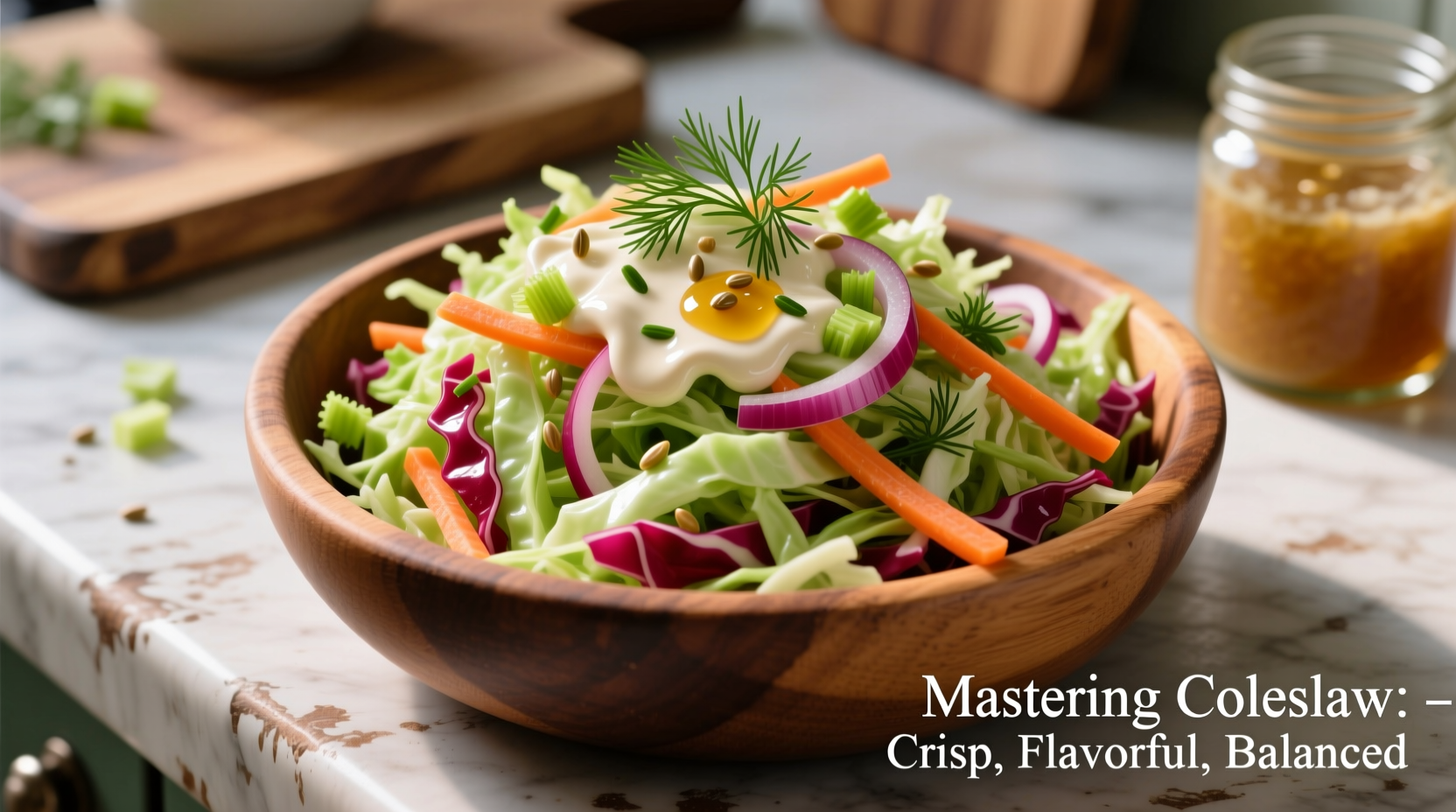
Cabbage is the backbone of any coleslaw. While green cabbage is traditional, combining varieties adds depth. Green cabbage offers crunch and mild bitterness; red cabbage contributes color and a slightly peppery note; Napa or Savoy cabbage brings tenderness and subtle sweetness. For optimal texture, shred cabbage finely by hand with a sharp knife or mandoline. Avoid pre-shredded bags—they’re often bruised and release water faster, leading to sogginess.
After shredding, wash the cabbage thoroughly and spin it dry in a salad spinner. Residual moisture dilutes dressing and accelerates wilting. Once dry, let the shredded cabbage rest in a colander for 10–15 minutes to allow excess natural moisture to drain. This step alone can extend your slaw’s crispness by hours.
Tip: For extra crunch, chill shredded cabbage in the refrigerator for 30 minutes before mixing with dressing.Dressing Dynamics: Achieving Flavor Balance
The dressing makes or breaks coleslaw. Most failures stem from imbalance—too much sugar, too little acid, or an overabundance of mayonnaise. A balanced dressing harmonizes four elements: fat (mayo, yogurt, or oil), acid (vinegar or citrus), sweetness (sugar, honey, or apple), and seasoning (salt, pepper, mustard).
A classic ratio for a creamy slaw dressing is:
- ¾ cup mayonnaise
- 2 tablespoons apple cider vinegar
- 1–2 tablespoons sugar (adjust to taste)
- 1 teaspoon Dijon mustard
- Salt and freshly ground black pepper to taste
For a lighter version, replace half the mayo with Greek yogurt. The tang complements the vinegar while adding protein and reducing richness. Always season the dressing separately before adding it to the cabbage. Taste and adjust: if it’s too sharp, add a pinch more sugar; if too sweet, increase acidity.
“A well-balanced slaw dressing should taste slightly over-seasoned on its own—because the cabbage will mellow it once combined.” — Chef Lena Ruiz, Southern Culinary Institute
Texture Timeline: When and How to Combine Ingredients
Timing is critical. Tossing cabbage with dressing too early leads to limp slaw. The salt in the dressing draws out moisture from the cabbage through osmosis, softening the cell structure. To preserve crunch, follow this timeline:
- Prep and dry cabbage at least 1 hour before serving.
- Make dressing and refrigerate it for 30 minutes to meld flavors.
- Mix slaw no more than 30–45 minutes before serving.
- Stir gently to coat evenly without crushing the cabbage.
If you must prepare slaw in advance, keep components separate. Store dressed slaw in the fridge, but never for more than 4 hours if crispness is a priority. For longer storage (up to 2 days), use heartier vegetables like kale or Brussels sprouts, which hold up better.
Flavor Enhancers: Beyond Basic Cabbage
Elevate your slaw with complementary ingredients that add contrast in texture and taste. Consider these additions:
| Ingredient | Role in Slaw | Recommended Quantity (per 4 cups cabbage) |
|---|---|---|
| Carrots (shredded) | Sweetness and color | ½ cup |
| Red onion (thinly sliced) | Sharpness and bite | ¼ cup |
| Apple (julienned) | Crisp sweetness | ½ medium |
| Celery (diced) | Crunch and freshness | ⅓ cup |
| Parsley or cilantro (chopped) | Herbal brightness | 2 tablespoons |
For a modern twist, try adding toasted seeds (sunflower or sesame), pickled jalapeños, or even crumbled bacon. Just remember: every addition should serve a purpose—either textural contrast, flavor balance, or visual appeal. Overloading leads to chaos.
Tip: Soak sliced red onions in ice water for 10 minutes to reduce their sharpness without losing crunch.Real-World Example: The BBQ Joint That Got It Right
In Lexington, North Carolina, a small roadside barbecue stand built a loyal following largely due to its coleslaw. Unlike most regional slaws, theirs uses a vinegar-based sauce with just a touch of ketchup and no mayo. Pitmaster James Holloway explained the secret: “We shred the cabbage fine, mix the dressing hot off the smoker blend, and toss it 20 minutes before serving. The warmth opens the cabbage fibers just enough to absorb flavor—but not enough to wilt.”
This approach defies the standard cold-dressing rule but works because of precise timing and ingredient synergy. The heat from the dressing is residual, not scalding, and the cabbage is already at room temperature. The result? A slaw that tastes vibrant, smoky, and structured—never mushy.
Common Mistakes and How to Avoid Them
Even experienced cooks make errors when preparing coleslaw. Here are the most frequent pitfalls and how to sidestep them:
| Mistake | Why It Happens | Solution |
|---|---|---|
| Watery slaw | Wet cabbage or overdressing | Dry cabbage thoroughly; dress lightly and chill briefly |
| Too sweet | Overreliance on sugar | Use natural sweeteners like apple; balance with vinegar |
| Bland flavor | Underseasoned dressing | Taste dressing before mixing; include mustard or celery seed |
| Soggy leftovers | Long storage after dressing | Store undressed components; remix before serving |
Checklist: Steps to Perfect Coleslaw
- Choose fresh, firm cabbage—green, red, or a mix
- Shred finely and uniformly for even texture
- Wash and thoroughly dry cabbage; drain excess moisture
- Chill cabbage for 30 minutes for extra crispness
- Prepare dressing separately and taste for balance
- Add dressing no more than 30–45 minutes before serving
- Gently fold in extras like carrots, apples, or herbs
- Refrigerate until ready to serve, but don’t over-chill
- Give a final stir before plating to redistribute dressing
Frequently Asked Questions
Can I make coleslaw ahead of time?
Yes, but with caution. You can prep and store shredded cabbage and dressing separately up to 24 hours in advance. Combine them only 30–45 minutes before serving to maintain crunch. Creamy slaws degrade faster than vinegar-based ones.
What’s the difference between creamy and vinegar-based slaw?
Creamy slaw uses mayonnaise or yogurt as the base, offering richness and smoothness. Vinegar-based slaw relies on oil, vinegar, and spices, common in Southern and Carolina-style barbecue. The latter is tangier, lighter, and stays crisp longer.
How do I fix an overly acidic slaw?
If your slaw is too tart, stir in a small amount of honey or sugar dissolved in a tablespoon of water. Alternatively, add shredded apple or a dollop of sour cream to mellow the acidity without altering texture.
Final Thoughts: Elevate Your Slaw Game
Mastering how to make good slaw isn’t about complexity—it’s about precision. From selecting the right cabbage to balancing dressing ratios and respecting the clock, each decision shapes the final dish. A truly great coleslaw doesn’t just sit on the plate; it sings alongside grilled meats, cuts through richness, and refreshes the palate. With these techniques, you’re not just making slaw—you’re crafting a side that commands attention.
🚀 Ready to transform your next cookout? Try one tip from this guide at your next meal and notice the difference. Share your best slaw recipe in the comments—let’s build a community of crisp, flavorful coleslaw lovers!








