In recent years, sneaker culture has exploded into a global phenomenon where fashion, identity, and nostalgia collide. Two dominant forces have risen to prominence: retro anime sneakers—footwear inspired by classic Japanese animation—and modern streetwear kicks, born from urban fashion movements in cities like New York, Seoul, and London. While both styles command passionate followings, a critical question emerges: which trend possesses genuine staying power beyond fleeting hype cycles?
The answer isn’t as simple as declaring one superior. Instead, it lies in understanding their origins, cultural resonance, consumer behavior, and adaptability over time. One draws strength from deep emotional storytelling and generational fandom; the other thrives on innovation, exclusivity, and fast-paced trend cycles. To determine longevity, we must examine not just aesthetics, but sustainability within evolving fashion ecosystems.
Cultural Roots and Emotional Resonance
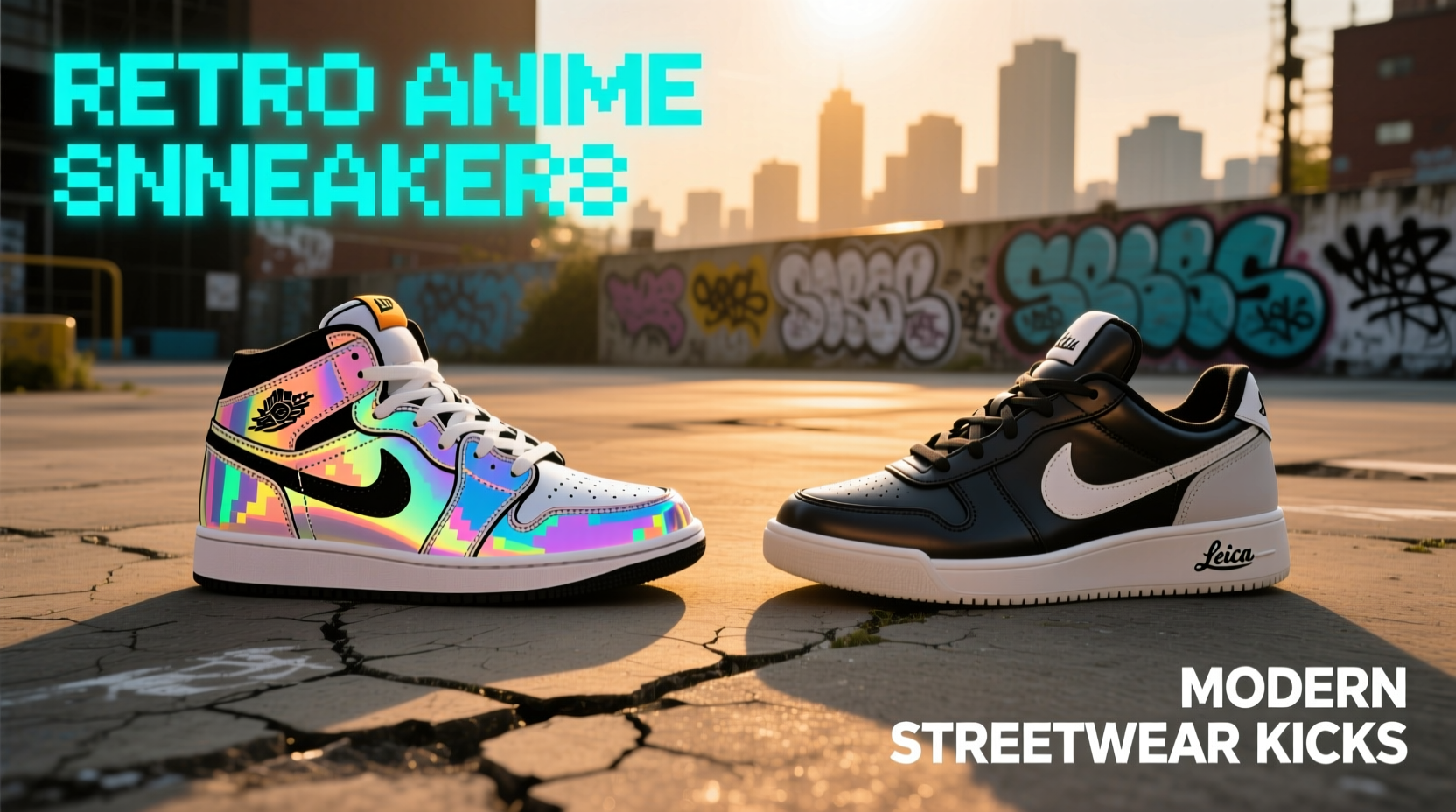
Retro anime sneakers are more than footwear—they’re wearable nostalgia. Brands like ASICS, Puma, and Nike have collaborated with franchises such as *Akira*, *Cowboy Bebop*, *Sailor Moon*, and *Dragon Ball Z* to create limited-edition releases that tap directly into decades-old fanbases. These designs often feature iconic color schemes, character motifs, and packaging reminiscent of VHS tapes or vintage manga covers.
What gives this trend its emotional weight is intergenerational appeal. A 40-year-old who grew up watching *Neon Genesis Evangelion* may feel a visceral connection when lacing up a pair of Reebok x Evangelion Pump Furys. That same pair might intrigue a Gen Z collector drawn to the aesthetic of analog-era sci-fi. This dual-layered audience creates sustained demand across age groups.
“Anime isn’t just entertainment—it’s a shared language for millions worldwide. When you wear anime-inspired sneakers, you’re carrying a piece of personal history.” — Hiro Tanaka, Cultural Analyst at Tokyo Fashion Institute
In contrast, modern streetwear kicks—think Supreme x Nike Dunks, Adidas Yeezy foams (pre-2023), or Palace skate shoes—are rooted in subcultural rebellion. They emerged from hip-hop, skateboarding, and DIY aesthetics, emphasizing bold branding, oversized silhouettes, and scarcity-driven drops. Their appeal hinges less on narrative depth and more on social signaling: wearing the “right” shoe at the “right” time elevates status among peers.
While powerful, this model depends heavily on novelty. Once a style becomes ubiquitous—or worse, associated with outdated trends—it risks rapid decline. Consider how quickly certain Yeezy models lost cachet post-controversy or how once-coveted Supreme boxes now sit unsold in resale markets.
Tip: When evaluating long-term value, ask whether the design tells a story or simply follows a trend. Narrative-driven pieces tend to age better.Design Longevity and Aesthetic Flexibility
A key factor in any fashion item’s staying power is versatility. Can it transcend seasons? Does it pair well with different outfits and contexts?
Retro anime sneakers often incorporate timeless elements: clean lines, balanced color blocking, and symbolic graphics that don’t scream “of the moment.” The *Ghost in the Shell* x Onitsuka Tiger collaboration, for instance, uses translucent materials and cyberpunk gray tones—design cues still relevant in futuristic fashion today. Because many anime series explored philosophical themes about technology and identity, their visual language remains conceptually resonant.
Modern streetwear kicks, while innovative, frequently rely on exaggerated proportions or loud branding that can date quickly. Think of chunky dad shoes from 2017–2019 or neon-soled trainers popularized during festival seasons. These were effective in their era but now feel stylistically confined.
However, some streetwear silhouettes demonstrate remarkable staying power through minimalism. The Nike Air Force 1, Converse Chuck Taylor, and Adidas Superstar—all staples in streetwear wardrobes—endure because they prioritize simplicity over spectacle. Their success suggests that when streetwear leans into classic forms rather than hyper-trendiness, it too can achieve longevity.
Market Demand and Resale Value Trends
To assess staying power objectively, one must analyze market data. The resale economy offers valuable insights into which products maintain value over time.
| Shoe Type | Avg. Initial Retail Price | Resale Value After 2 Years | Collector Demand Stability |
|---|---|---|---|
| Puma x Jujutsu Kaisen Suede Classic | $110 | $185 | High (fanbase-driven) |
| Nike SB Dunk Low \"Supreme Box Logo\" | $100 | $65 | Moderate (declined post-hype) |
| Reebok x Evangelion Pump Fury | $160 | $220+ | Very High |
| Adidas Yeezy Boost 350 V2 \"Zebra\" | $220 | $190 → $120 (post-2023) | Low (brand erosion) |
The data reveals a pattern: anime collaborations consistently retain or increase value, especially when tied to enduring franchises. Meanwhile, streetwear co-brands see sharper declines unless backed by an evergreen silhouette or cultural milestone.
This doesn’t mean all anime sneakers are immune to market shifts. Poorly executed designs or oversaturation (e.g., multiple *One Piece* collabs per year) can dilute impact. But overall, the emotional investment fans have in these stories provides a buffer against depreciation.
Case Study: The Enduring Appeal of the Dragon Ball Z x Nike Collection
In 2019, Nike launched a full-footwear collection celebrating *Dragon Ball Z*, including Air Max 97s styled after Goku’s gi, Fearsome Flyers inspired by Cell, and Saiyan-themed apparel. Initially met with skepticism from purists wary of Western commercialization, the line sold out instantly and sparked widespread debate online.
Two years later, pairs resold for 3–5x retail. Five years on, they remain highly sought after—not just by sneakerheads, but by anime collectors who rarely wear them, treating them as display artifacts. Museums in Japan have even featured them in pop culture exhibitions.
What made this collaboration endure? Three factors stood out:
- Faithful representation: Designers consulted original animators to ensure accurate color palettes and symbolism.
- Limited availability: Only 3,000 units per style were released globally, creating instant scarcity.
- Emotional alignment: The release coincided with the 30th anniversary of the franchise, amplifying sentimentality.
This case underscores a crucial point: when retro anime sneakers honor source material while leveraging high-quality craftsmanship, they become cultural artifacts—not just commodities.
Future-Proofing Style: Building a Timeless Sneaker Wardrobe
For consumers navigating this landscape, the goal shouldn’t be choosing sides—but curating intelligently. Here’s how to build a collection that lasts:
- Balance nostalgia with neutrality: Pair bold anime sneakers with neutral daily wear. Save statement pieces for special occasions.
- Invest in heritage brands: Prioritize collaborations from companies with proven track records in quality (e.g., ASICS, New Balance) over fast-fashion labels.
- Monitor franchise momentum: Franchises with active remakes, games, or streaming presence (*Demon Slayer*, *Attack on Titan*) signal ongoing relevance.
- Avoid overexposure: If a brand releases monthly anime drops, step back. Scarcity preserves value.
- Store with care: Use silica gel packets and UV-protected boxes to prevent yellowing and fabric degradation.
Checklist: Evaluating Long-Term Sneaker Investments
- ✅ Is the design tied to a beloved, enduring franchise?
- ✅ Was the collaboration produced in limited quantities?
- ✅ Does the shoe use premium materials (e.g., suede, nubuck, pigskin lining)?
- ✅ Has the brand maintained consistent quality across past anime projects?
- ✅ Is there active community engagement (forums, fan events, conventions) around the property?
FAQ: Common Questions About Sneaker Longevity
Do retro anime sneakers go out of style?
Not typically. Because they reference timeless stories and characters, their aesthetic often transcends seasonal trends. However, poorly designed or overly gaudy versions may lose favor. Stick to minimalist interpretations of iconic moments.
Can modern streetwear ever achieve the same staying power as anime kicks?
Yes—but only when grounded in functional design and cultural significance. Examples include the Nike Air Jordan 1 or Adidas Stan Smith. The key is moving beyond logos and hype toward enduring form and function.
Should I wear my collectible anime sneakers or keep them boxed?
If preserving value is your goal, limit wear and store in climate-controlled conditions. However, shoes meant to be worn should live in rotation. Many collectors alternate between display pairs and “beaters” for daily use.
Conclusion: Nostalgia Meets Innovation—The Path Forward
The battle between retro anime sneakers and modern streetwear kicks isn't a zero-sum game. Each brings something vital to sneaker culture: one offers soul, the other swagger. Yet when measuring staying power—the ability to remain relevant, desirable, and meaningful across decades—retro anime sneakers hold a distinct edge.
Their foundation in storytelling, emotional memory, and cross-generational fandom creates a resilience that trend-driven streetwear struggles to match. That said, the future belongs not to either/or, but to fusion: streetwear brands adopting narrative depth, and anime collaborations embracing street-level authenticity.
Ultimately, the most lasting trends aren’t those that shout the loudest today, but those that whisper to us years later—reminding us of who we were, what we loved, and why it still matters.
💬 What’s your take? Do you lean toward nostalgic anime styles or cutting-edge streetwear? Share your favorite long-lasting sneaker and why it still holds meaning for you.